
Using dot-to-dot worksheets can be a delightful way for young learners to engage with the alphabet. Kindergarten Dot To Dot Alphabet Worksheets not only help children recognize letters but also develop fine motor skills and hand-eye coordination. These worksheets are designed to be both educational and entertaining, making them a valuable resource in any early childhood education setting.
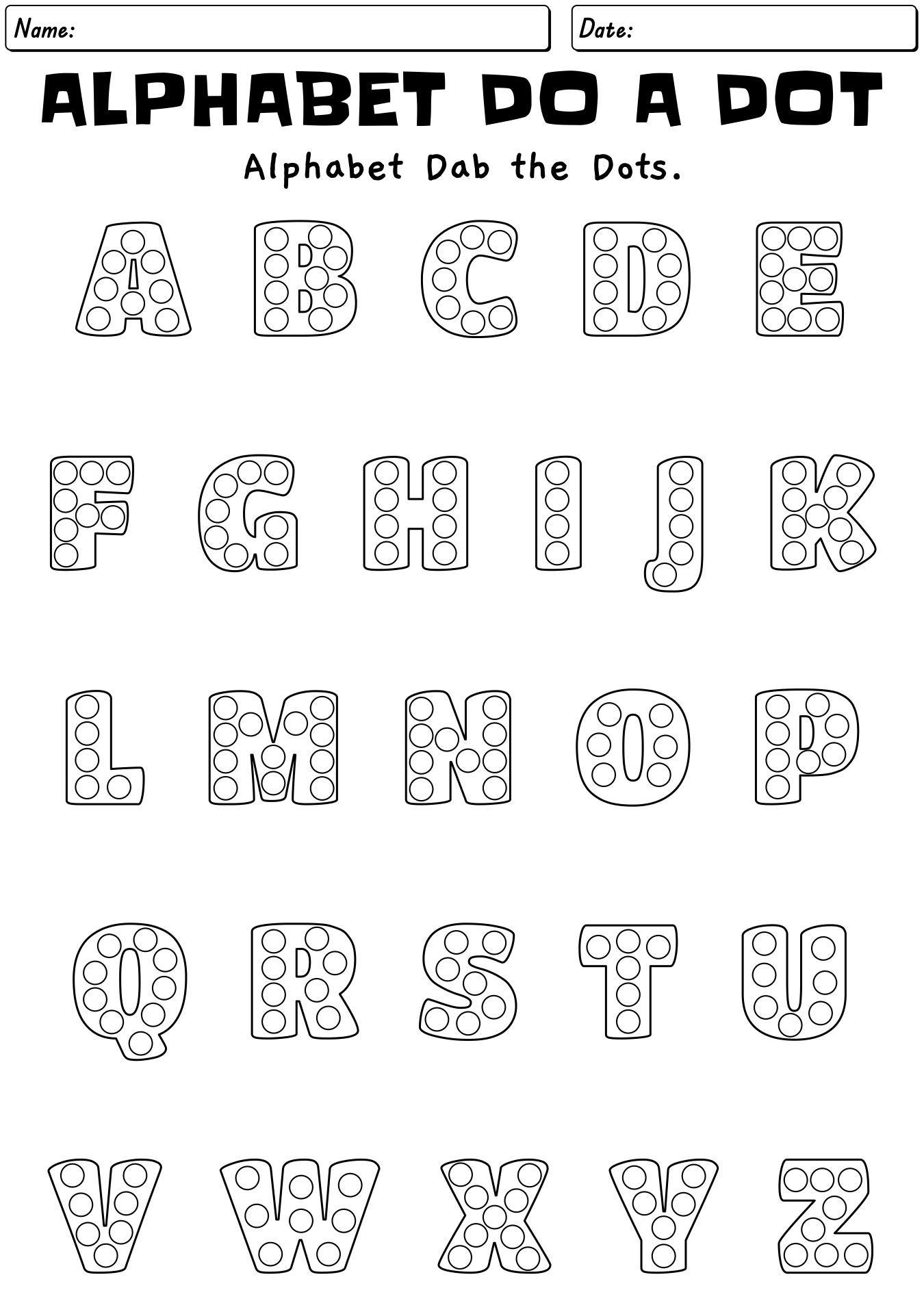
Understanding the Layout of Dot To Dot Worksheets
When you first look at a Kindergarten Dot To Dot Alphabet Worksheet, you’ll notice a simple yet effective layout. Each page typically features a series of numbered dots that outline a letter of the alphabet. The numbers guide students in connecting the dots sequentially, which reinforces counting skills while they work on letter formation.
The design is straightforward, making it easy for both teachers and students to understand. You might find that using a clear, bold font for the letters helps children easily identify each letter as they connect the dots. This visual reinforcement is crucial for young learners who are just starting to associate shapes with sounds.
Skill Development Through Dot To Dot Activities
The primary purpose of these worksheets is to develop various skills in kindergarteners. Here’s how they can be beneficial:
- Letter Recognition: As children connect the dots to form letters, they’re simultaneously learning to recognize those letters. This dual approach makes it easier for them to recall the shapes later.
- Fine Motor Skills: The act of drawing lines between the dots enhances fine motor skills. Children practice grasping pencils or crayons, which is essential for writing later on.
- Counting Practice: Each worksheet requires students to follow the numerical order of the dots, giving them practice in counting up to 26, which is the number of letters in the alphabet.
- Listening and Following Directions: If you use these worksheets in a classroom setting, you can instruct your students to follow along as you call out the numbers. This encourages active listening and following directions.
Using Worksheets in Different Learning Environments
These Kindergarten Dot To Dot Alphabet Worksheets are versatile and can be utilized in various settings. Let’s explore a few:
In the Classroom
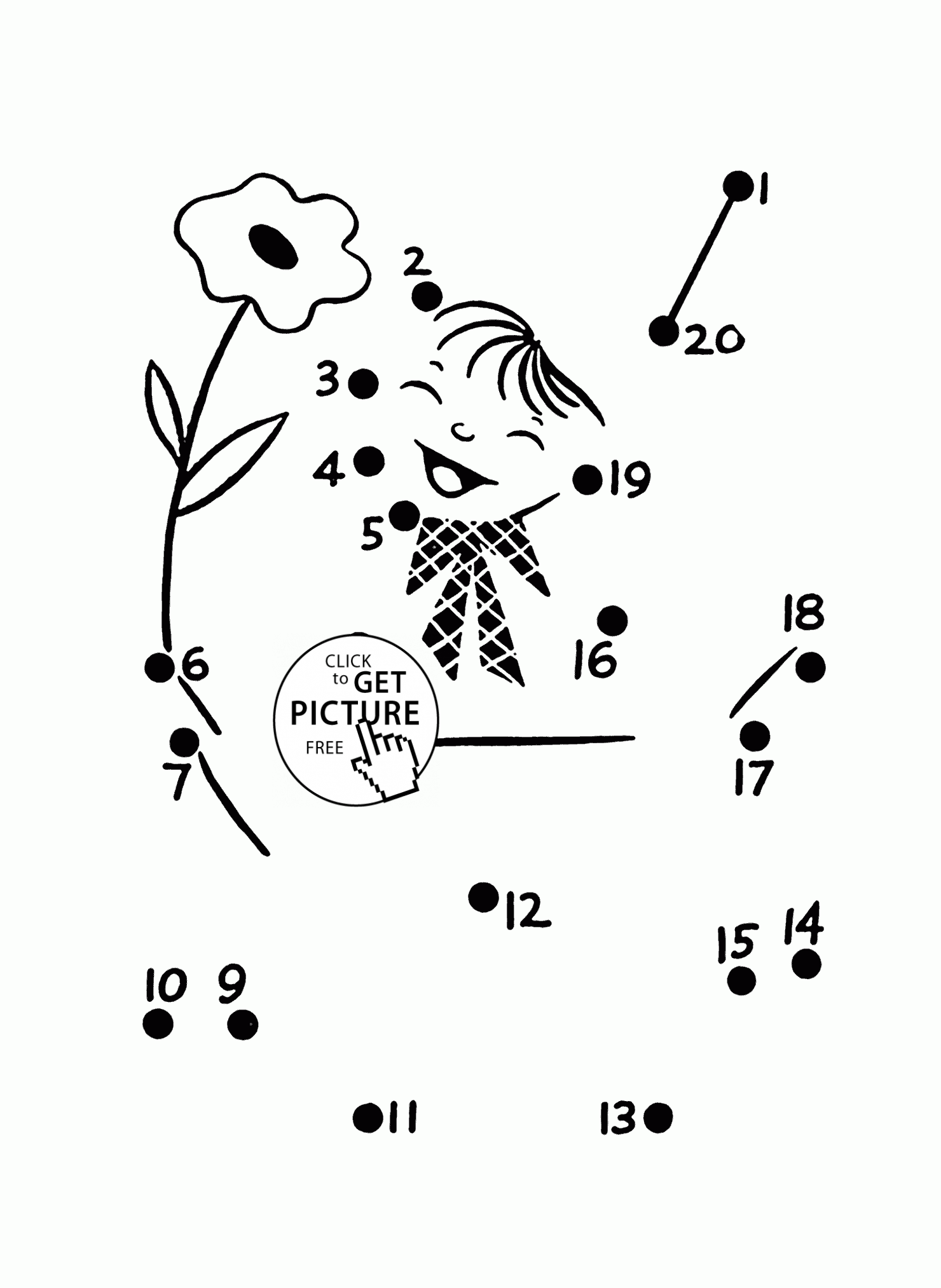
In a classroom setting, these worksheets can be integrated into your daily routine. You might choose to use them during a dedicated literacy hour or as a fun activity at the end of the day. Group activities can enhance cooperation among students, where they can share their completed worksheets and discuss the letters they’ve formed.
At Home
For parents, these worksheets provide an excellent opportunity for at-home learning. You can print them out and use them as a fun weekend activity or during school breaks. Parents can sit with their children, guiding them through the worksheet and reinforcing letter sounds and names.
In Homeschooling
If you’re homeschooling, these worksheets can be a valuable part of your curriculum. They are easy to print and can fit seamlessly into a broader lesson plan focused on literacy. You can combine them with other activities like reading books about letters or singing the alphabet song to create a well-rounded learning experience.
Assessing Progress and Mastery
One of the most critical aspects of using Kindergarten Dot To Dot Alphabet Worksheets is monitoring your child’s progress. Here are a few ways to assess mastery:
- Completed Worksheets: Review the completed worksheets to see if your child connects the dots accurately and forms the letters correctly. If they struggle with specific letters, it may be a sign to provide additional practice.
- Letter Recognition: After completing the worksheets, quiz your child by showing them the letters and asking them to name them or produce sounds. This will help you gauge their recognition and understanding.
- Fine Motor Skills: Observe their grip on the pencil or crayon. Are they able to draw lines smoothly? If you notice difficulties, consider introducing more fine motor activities, such as cutting or coloring, to strengthen these skills.
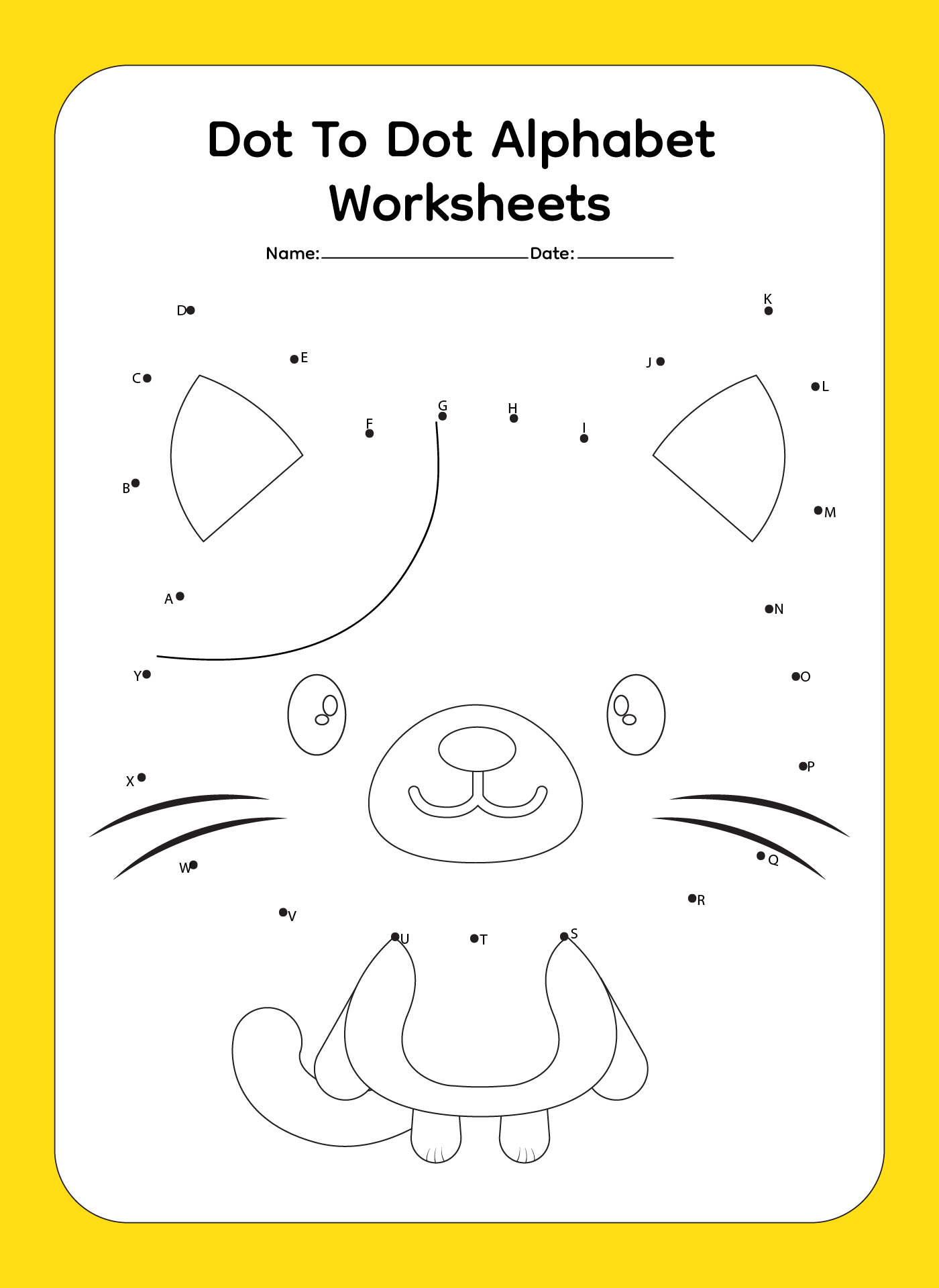
Tips for Maximizing the Benefits of Dot To Dot Worksheets
To get the most out of your Kindergarten Dot To Dot Alphabet Worksheets, here are a few practical tips:
- Use Quality Paper: Print the worksheets on quality paper to withstand repeated use. If the worksheets are laminated, children can practice multiple times with dry-erase markers.
- Incorporate Colors: Encourage children to use different colored crayons or markers to connect the dots. This adds an element of fun and creativity that can keep them engaged longer.
- Follow Up with Creative Activities: After completing a worksheet, consider having students create their own letters using playdough or sand. This multi-sensory approach helps reinforce the letter shapes they’ve just learned.
- Group Activities: For classrooms, turn this into a group activity where students take turns leading the class in connecting a letter. This builds confidence and leadership skills.
- Keep It Fun: Remember, the goal is to make learning enjoyable. Praise your students for their efforts, no matter their skill level. Celebrate their progress with fun stickers or rewards for completed worksheets.
By incorporating these strategies into your use of Kindergarten Dot To Dot Alphabet Worksheets, you can enhance the learning experience and ensure that children not only learn their letters but also enjoy the process.
One often-overlooked detail is that using these worksheets regularly can help children transition smoothly into more complex literacy tasks as they progress through their education.