
Start the journey of early literacy development by addressing the challenge of helping young learners master the alphabet. Kindergarten Blank Alphabet Writing Worksheets are a fantastic resource for teachers and parents alike. They not only promote fine motor skills but also provide a structured way for children to practice and reinforce their letter writing. With these worksheets, you can create a supportive environment that encourages children to learn at their own pace while having fun.
Understanding the Importance of Alphabet Writing
Writing is a foundational skill that sets the stage for all future learning. In kindergarten, children are typically around 5 to 6 years old and are just beginning to engage with letters and sounds. The act of writing helps reinforce their understanding of the alphabet, improving both their writing and reading skills. By using Kindergarten Blank Alphabet Writing Worksheets, you can help them connect the visual representation of letters with their corresponding sounds.
Choosing the Right Worksheets
When selecting Kindergarten Blank Alphabet Writing Worksheets, look for templates that cater to different learning styles. Some children might benefit from worksheets that offer guided tracing, while others may prefer blank lines to practice writing independently. Here are a few features to consider:
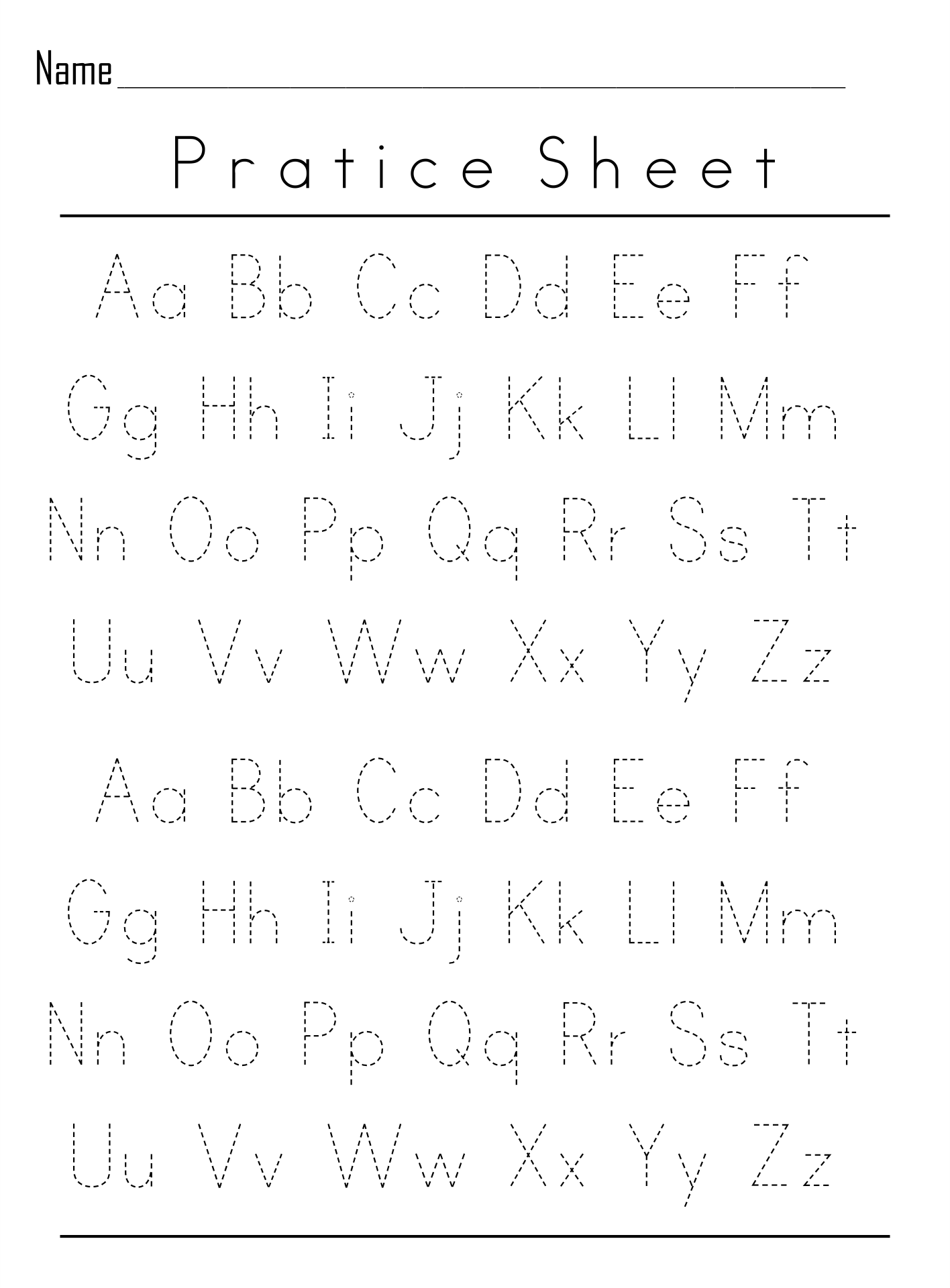
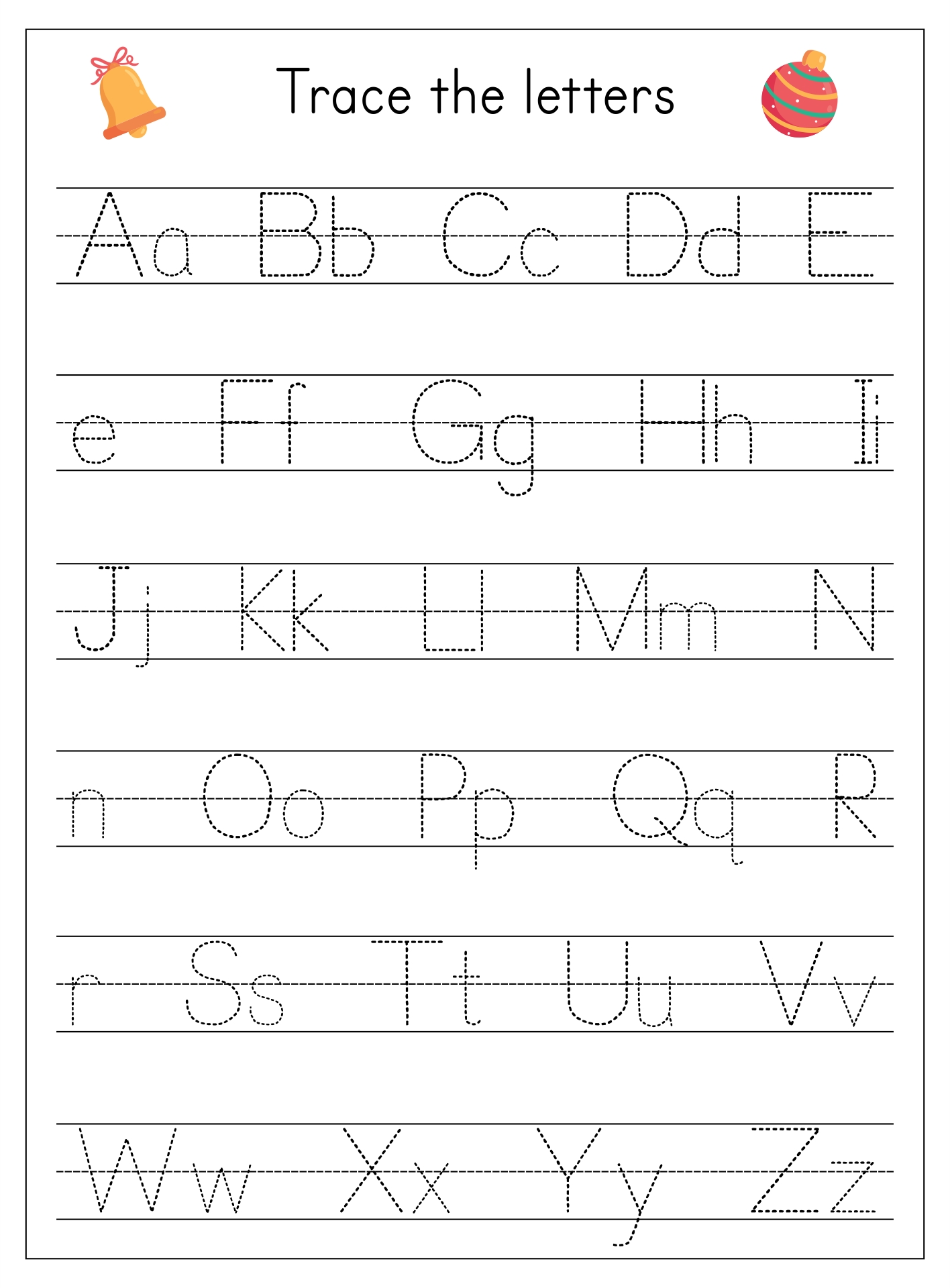
- Letter Tracing: Worksheets with dotted letters allow children to trace over the letters, helping them learn proper letter formation.
- Blank Writing Space: Providing ample space for children to write letters on their own encourages creativity and confidence.
- Visual Aids: Some worksheets include pictures that start with the letter being practiced, which can enhance memory retention.
Once you identify the right worksheets, downloading them is a breeze. Most resources are available as PDFs, ensuring that they print clearly without formatting issues.
Setting Up for Success
Now that you have chosen the worksheets, it’s time to prepare for their use. Here’s a step-by-step approach to set your classroom or home environment for effective learning:
- Print the Worksheets: Use standard letter-size paper (8.5 x 11 inches) for easy handling. If you plan to use them multiple times, consider printing on cardstock or laminating the sheets for durability.
- Gather Writing Tools: Provide a variety of writing tools, such as pencils, crayons, or markers. This variety keeps the activity engaging and allows children to experiment with different textures and colors.
- Create a Comfortable Space: Ensure there’s a quiet, comfortable area with good lighting where children can focus on their writing tasks. A designated workspace can foster a sense of routine and responsibility.
- Establish a Routine: Set aside a specific time each day for writing practice. Consistent practice is key to developing any new skill, and daily writing can greatly enhance children’s familiarity with the alphabet.
Using the Worksheets Effectively
With the setup complete, it’s time to look at using the Kindergarten Blank Alphabet Writing Worksheets. Here are a few practical tips to maximize their effectiveness:
Spacing Out Practice
Instead of overwhelming children with multiple worksheets in one sitting, consider spreading the practice across the week. This method not only prevents fatigue but also reinforces learning through repetition. For instance:
- Day 1: Focus on letters A to E, using tracing worksheets.
- Day 2: Review letters A to E with blank writing sheets.
- Day 3: Introduce letters F to J, starting with tracing.
- Day 4: Use blank sheets for letters F to J.
- Day 5: Combine A to J in a fun alphabet game or review activity.
Incorporating Play
Make writing practice fun! You can turn it into a game by asking children to find objects around the house or classroom that begin with the letters they are practicing. This approach not only reinforces letter recognition but also connects writing with real-world applications.
Monitoring Progress
Observe how children use the worksheets and provide feedback. Celebrate their progress, whether they’re successfully tracing letters or writing them independently. Positive reinforcement can boost their confidence and motivation to practice more.
Tips for Parents and Teachers
Whether you’re a teacher in a classroom or a parent at home, here are some quick tips to keep in mind:
- Stay Patient: Every child learns at their own pace. Be patient and encouraging as they practice.
- Use Technology: Consider using educational apps or online resources that complement the worksheets for an interactive experience.
- Make it Creative: Encourage children to decorate their worksheets with stickers or drawings related to the letters they are writing.