
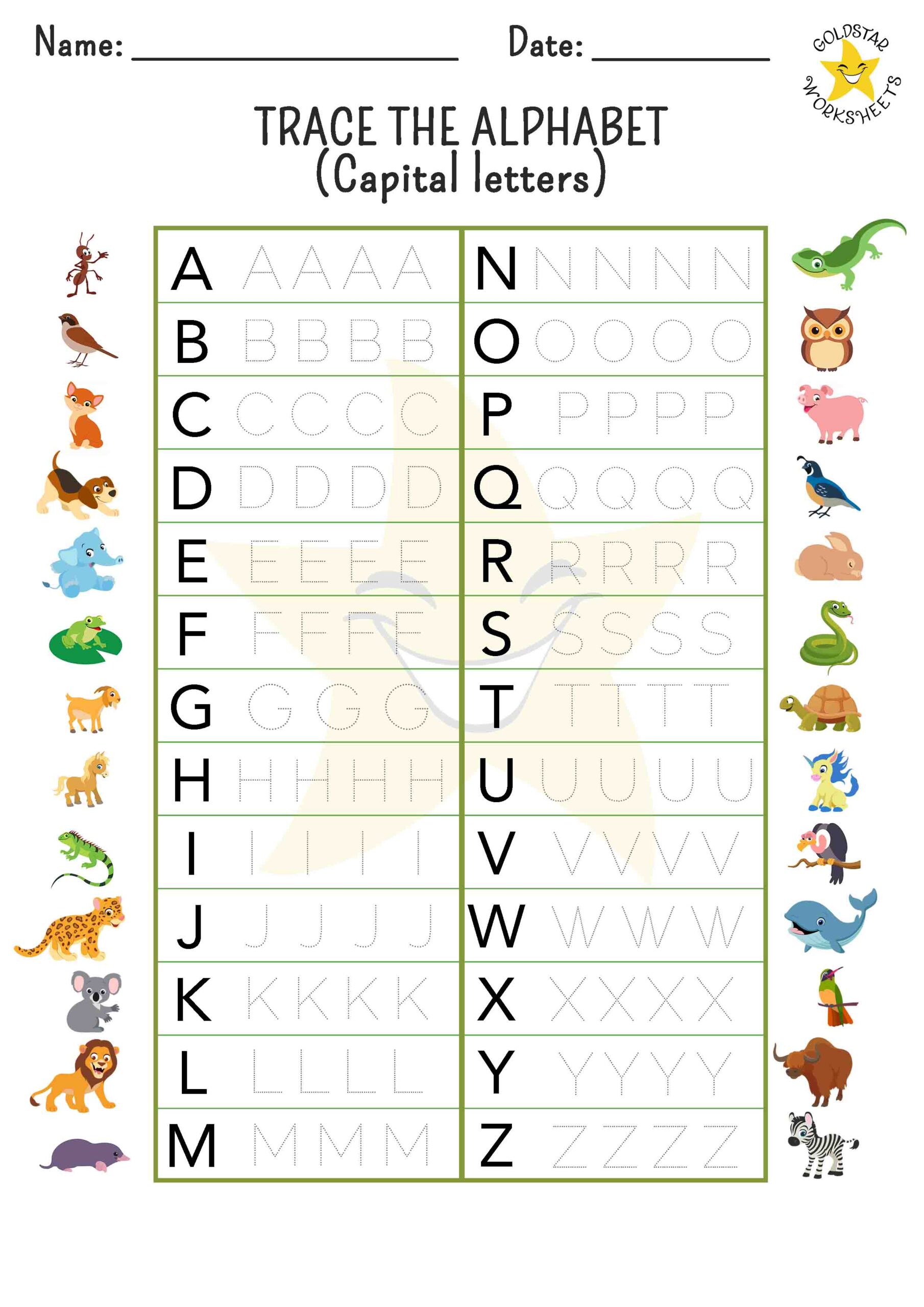
When it comes to teaching young learners the basics of writing, nothing beats the effectiveness of hands-on practice. Free Printable Colorful Alphabet Formation Practice Worksheets offer a vibrant and interactive way to help children master letter formation, enhancing their writing skills while keeping them engaged. These worksheets are designed for children in preschool and kindergarten, typically ages 4 to 6, making them a perfect resource for both classroom and home use.
Understanding the Importance of Alphabet Formation
Before diving into how to use these worksheets, it’s essential to understand why alphabet formation is crucial in early childhood education. Proper letter formation lays the groundwork for effective writing. When children learn to write letters correctly, they develop better handwriting, which contributes to their overall literacy skills. This skill is not just about aesthetics; it helps with spelling, reading, and even self-expression.
Why Use Colorful Worksheets?
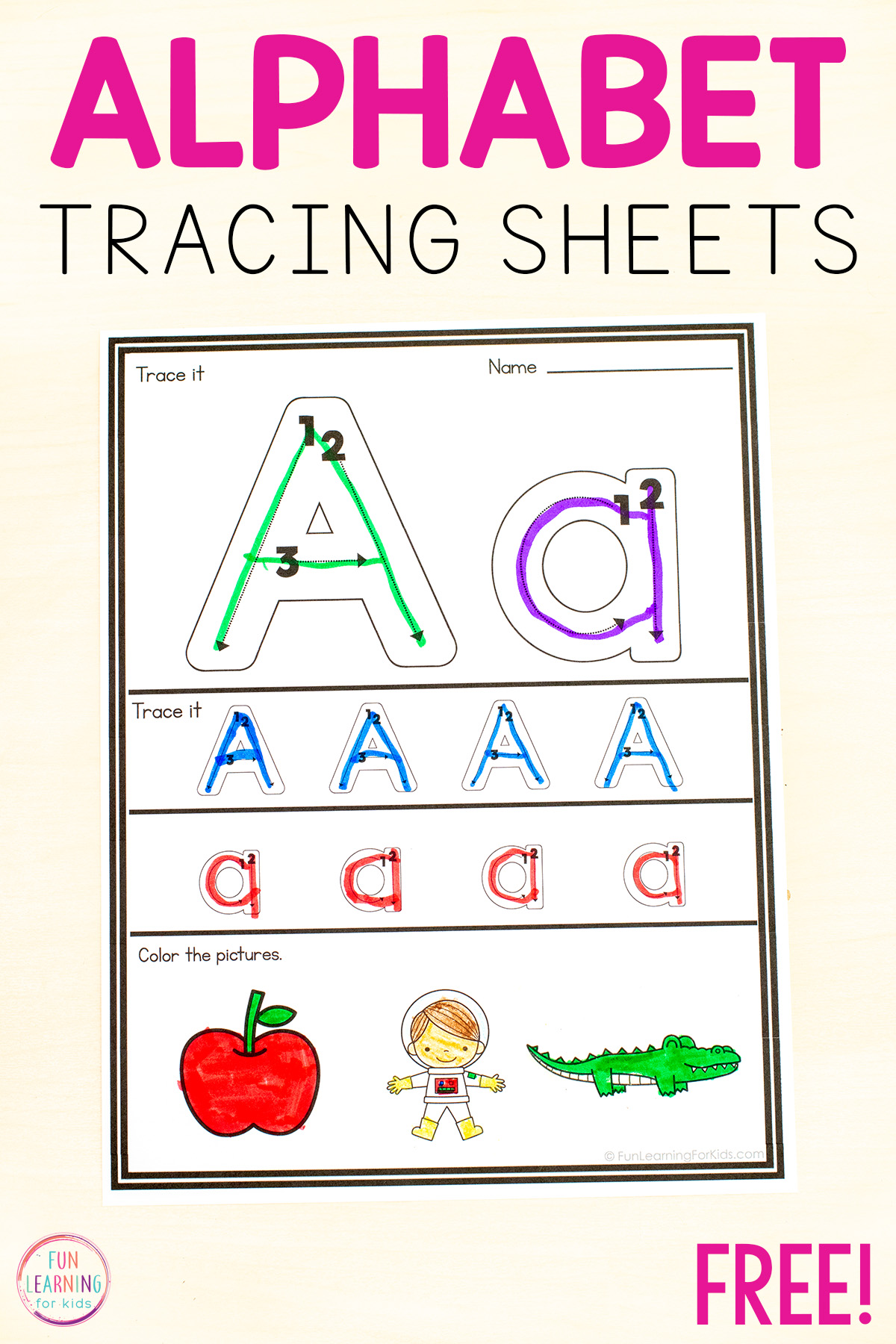
Colorful worksheets can capture a child’s attention much more effectively than plain black and white ones. Bright colors stimulate visual learning and can make the practice feel like a fun game rather than a chore. Each worksheet typically includes vibrant illustrations and engaging designs that encourage children to focus on their work, making the learning experience enjoyable.
How to Download and Print the Worksheets
Getting started with Free Printable Colorful Alphabet Formation Practice Worksheets is a breeze. Here’s a step-by-step guide to ensure you set everything up correctly:
- Choose Your Worksheets: Visit the website offering these resources and browse through the selection. Look for worksheets that suit your teaching goals—some may focus on uppercase letters, while others cover lowercase letters or even both.
- Download the Files: Once you’ve selected the worksheets you want, click on the download link. Most resources come in PDF format, which is ideal for printing without any formatting issues.
- Print Settings: Set your printer to use letter-sized paper (8.5 x 11 inches) for optimal results. If you have a color printer, use it! The colorful designs will make the worksheets more engaging for children. Be sure to select “Actual Size” in your print settings to avoid any resizing.
- Paper Choice: For best results, use cardstock or heavier paper if you plan to laminate the worksheets for repeated use. Regular printer paper can work too, especially for one-time use.
- Setup for Use: Once printed, consider how you’ll present these worksheets to your students. You might want to place them in a binder or folder for easy access. If using them in a classroom, consider laminating them so they can be reused with dry-erase markers.
Engaging Activities to Enhance Learning
Using Free Printable Colorful Alphabet Formation Practice Worksheets can be more effective when paired with engaging activities. Here are some ideas to maximize their use:
Tracing and Repetition
Encourage children to trace over the letters multiple times. This repetition solidifies muscle memory, helping them learn the correct strokes for each letter. You can guide them to start from the designated starting points and follow the arrows, which indicate the correct direction for writing.
Incorporate Arts and Crafts
To make learning more dynamic, integrate arts and crafts into the alphabet lessons. For example, after practicing on the worksheets, have children create a collage of items that start with each letter. This not only reinforces letter recognition but also enhances their vocabulary.
Group Activities
In a classroom setting, consider organizing group activities where children can work together. They can take turns tracing letters while a partner provides feedback. This collaborative approach can foster a supportive learning environment and help children learn from each other.
Monitoring Progress
As children work through the Free Printable Colorful Alphabet Formation Practice Worksheets, it’s essential to monitor their progress. Here’s how you can effectively assess their skills:
- Observation: Pay attention to how each child forms their letters. Are they starting from the correct point? Are they maintaining consistent size and spacing?
- Feedback: Provide constructive feedback immediately. If you notice a child struggling with a specific letter, offer tips or additional practice focused on that character.
- Track Improvement: Keep a record of the worksheets completed over time. This can help you identify which letters might need more practice and allow you to celebrate progress with your students.
- Encourage Self-Assessment: Teach children to evaluate their work. Ask them to look at their letters and determine if they feel confident in their formation. This develops their critical thinking and self-monitoring skills.