
Getting children ready for reading and writing involves practicing their letters, and nothing quite does that like a well-designed worksheet. A Free Preschool Alphabet Tracing Worksheet is an excellent resource for helping little ones develop fine motor skills and letter recognition. guide you through how to effectively use this resource in your classroom or home setting.
Understanding the Purpose of Tracing Worksheets
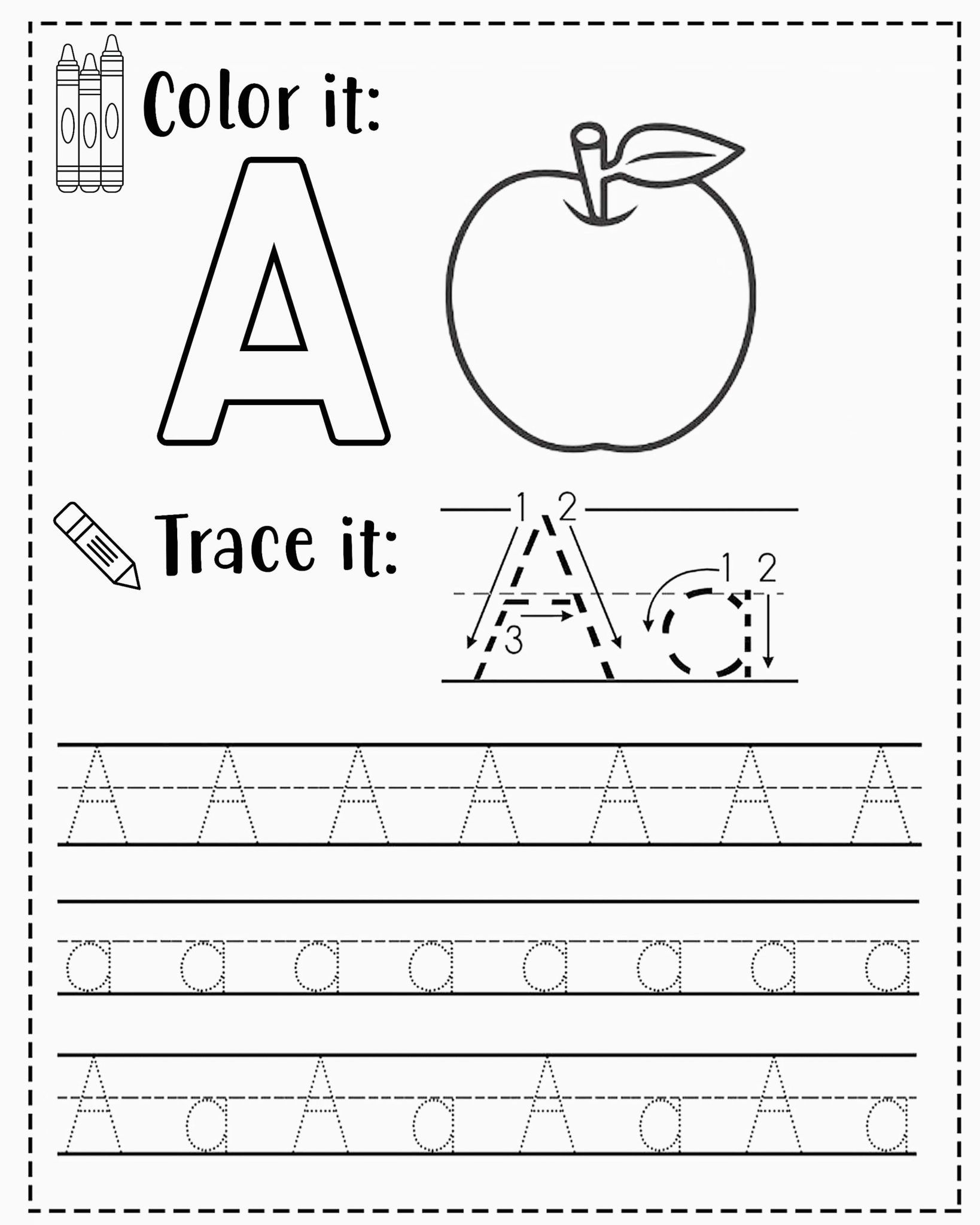
Tracing worksheets serve a dual purpose: they help children learn the shapes of letters while also developing their writing skills. For preschoolers, this is crucial as they begin to recognize letters and sounds. Tracing helps reinforce their understanding of letter formation and spacing.
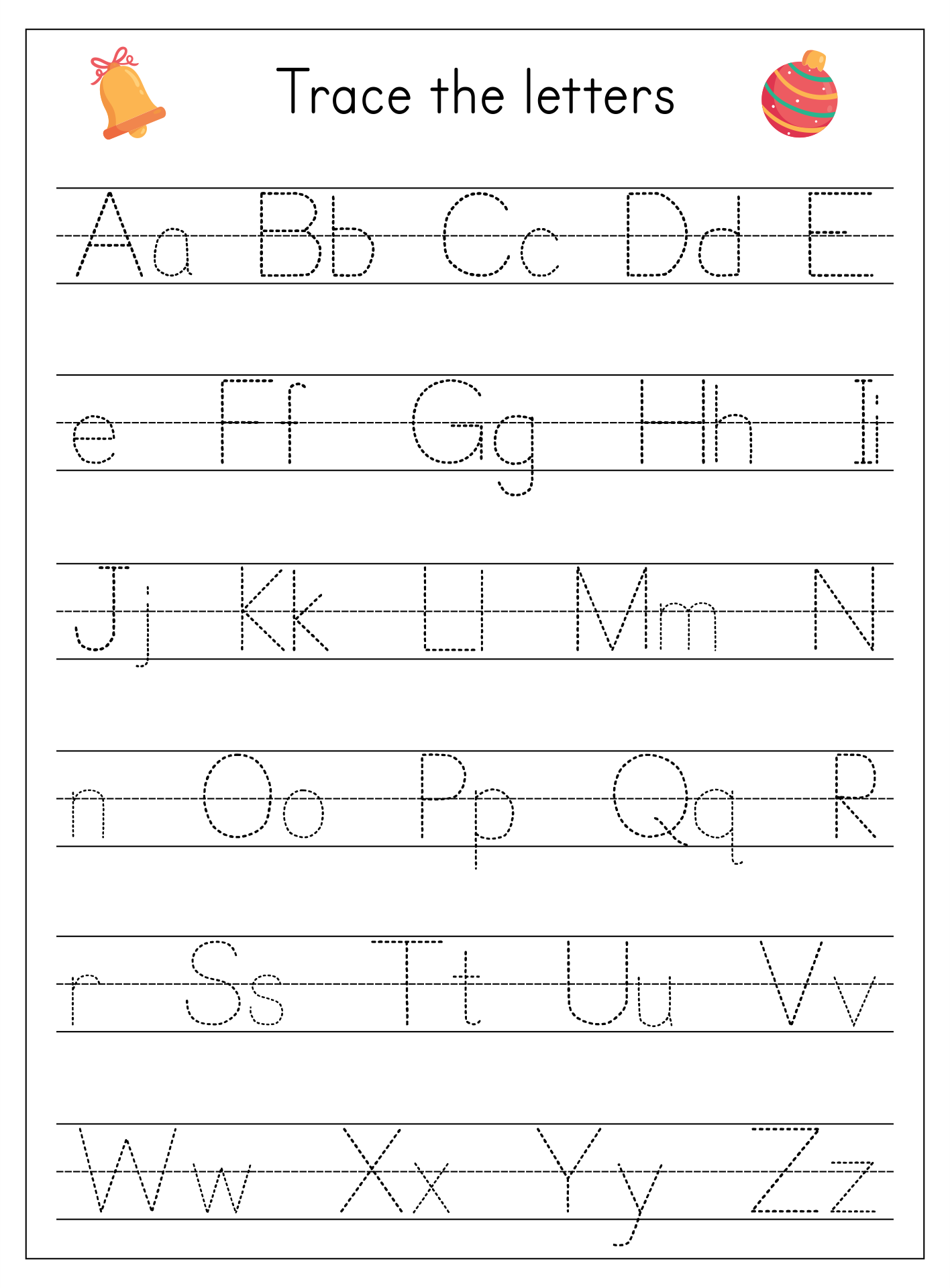
In particular, a Free Preschool Alphabet Tracing Worksheet allows children to practice both uppercase and lowercase letters, giving them the chance to familiarize themselves with the alphabet in a fun and engaging way. When children trace letters, they build muscle memory, making it easier for them to write independently later on.
How to Download and Print the Worksheet
Downloading and printing the Free Preschool Alphabet Tracing Worksheet is straightforward. Here’s a step-by-step guide to ensure you have everything set up correctly:
- Choose the Right Format: Most tracing worksheets are available in PDF format. This ensures that the layout remains consistent when printed, avoiding issues that can occur with image files.
- Download the Worksheet: Click on the download link provided on the website. Make sure to save the file in a location that you can easily access later.
- Select Your Printer Settings: Before printing, check your printer settings. For most worksheets, using standard letter-size paper (8.5” x 11”) works best. If you have the option, print in portrait mode, which is usually more suitable for worksheets.
- Print the Worksheet: Once your settings are adjusted, print the worksheet. Depending on how many children will use it, you may want to print multiple copies.
- Consider Using Cardstock: If you plan on using the worksheet multiple times, consider printing on cardstock. This thicker paper holds up better to repeated use, especially if laminated.
Setting Up a Tracing Session
Now that you have your worksheet ready, it’s time to set up a tracing session. Here’s how to create an effective learning environment:
- Gather Supplies: Ensure you have enough writing tools for each child. Crayons, colored pencils, or markers can make tracing more enjoyable. You can also use dry-erase markers if the worksheet is laminated.
- Create a Calm Environment: Find a quiet space with minimal distractions. Set up a table where children can sit comfortably and focus on their tracing.
- Introduce the Worksheet: Explain to the children what they will be doing. Show them how to trace the letters and talk about the sounds each letter makes. This can help reinforce letter recognition alongside the physical act of tracing.
- Demonstrate Tracing: It may be helpful to demonstrate how to trace a letter before letting children try it themselves. Show them how to hold their writing tool and guide them through the motions.
- Encourage Repetition: Repetition is key to learning. Allow children to trace each letter several times. You can set a timer for a few minutes to keep them focused.
Integrating Tracing Worksheets Into Lesson Plans
The Free Preschool Alphabet Tracing Worksheet can be seamlessly integrated into various lesson plans. Here are some ideas on how to do this effectively:
- Alphabet Days: Dedicate specific days to different letters. For example, on “A Day,” focus on the letter A, discussing words that start with A, and then have children trace the letter.
- Combine with Storytime: After reading a book that features a particular letter, provide the tracing worksheet related to that letter. This reinforces the connection between letters and sounds.
- Art Projects: Have children create art projects based on letters. For example, after tracing the letter B, they can create a collage of things that start with B (like a butterfly or ball).
- Interactive Learning: Pair tracing with hands-on activities. For instance, use sand or finger paint to let children practice letter formation through touch.
- Assessment: Use the worksheets as informal assessments. Observe how well children trace letters and provide feedback to help them improve.
Tips for Maximizing the Effectiveness of Tracing Worksheets
To ensure that you’re getting the most out of the Free Preschool Alphabet Tracing Worksheet, consider these practical tips:
- Vary the Activities: Don’t just rely on tracing. Incorporate activities like singing the alphabet song, playing letter recognition games, or using flashcards to keep the learning dynamic.
- Provide Positive Reinforcement: Celebrate their progress. Use stickers or stamps to acknowledge their efforts, which will motivate them to continue practicing.
- Encourage Independence: As children become more comfortable with tracing, encourage them to try writing letters without tracing. This transition helps solidify their skills.
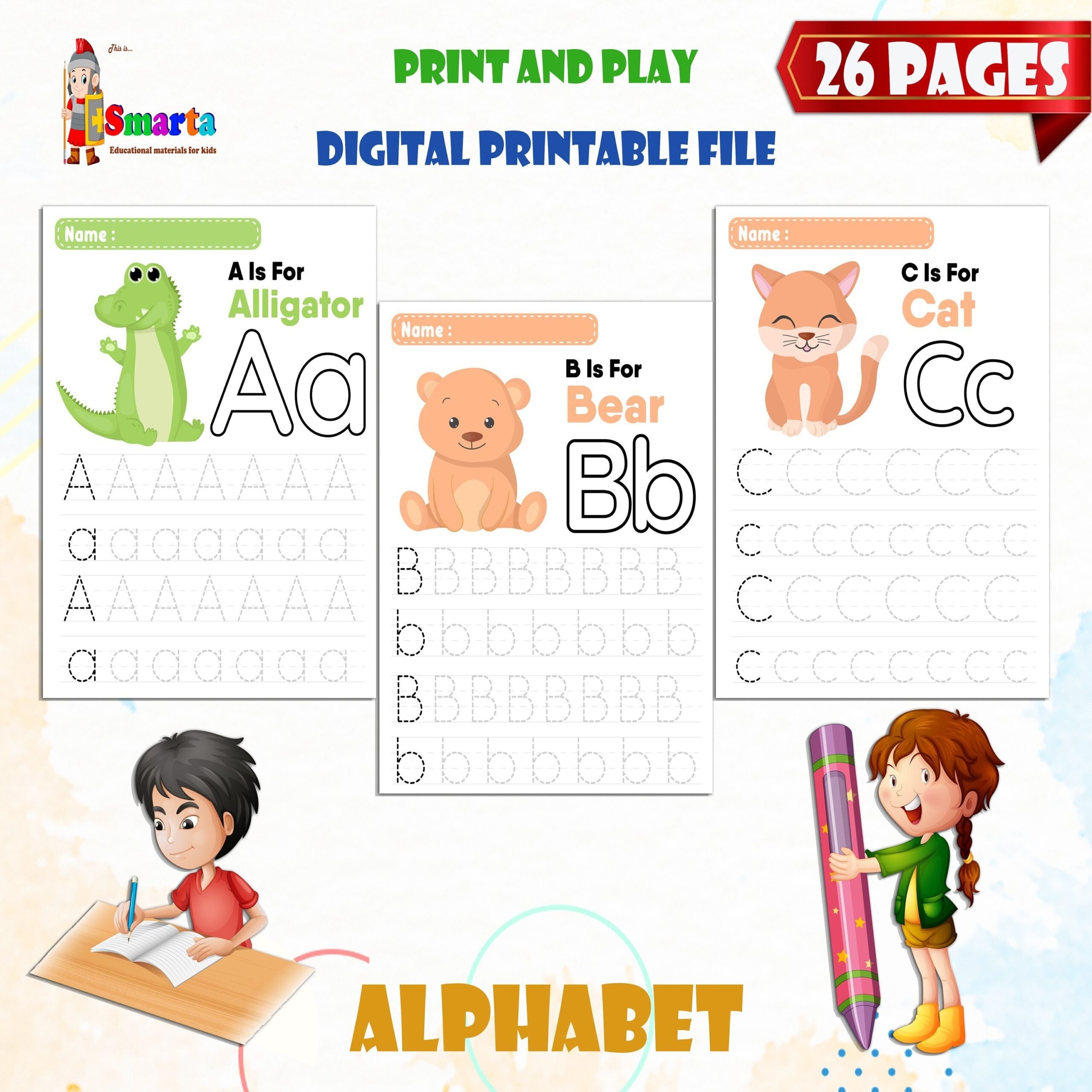
- Make it Fun: Incorporate themes or seasonal activities related to the letters they are tracing. This could involve holiday-themed worksheets or letters related to animals or colors.
- Use Technology: If appropriate, consider digital versions of tracing worksheets that can be completed on tablets. This can be especially engaging for tech-savvy kids.
The Free Preschool Alphabet Tracing Worksheet is a versatile tool that can be easily adapted to various teaching methods and styles. By following these steps and tips, you’ll create a rich learning experience that helps young children develop essential writing skills while keeping them engaged and excited about learning. Remember, making learning enjoyable is key to fostering a love for education in preschoolers.