
Using Kbteachers Alphabet Worksheets Handwriting Coloring can significantly boost children’s writing and artistic skills. These worksheets are designed to engage young learners, typically in preschool and kindergarten, by combining handwriting practice with coloring activities. This dual approach not only makes learning fun but also reinforces letter recognition and fine motor skills.
Understanding the Resource
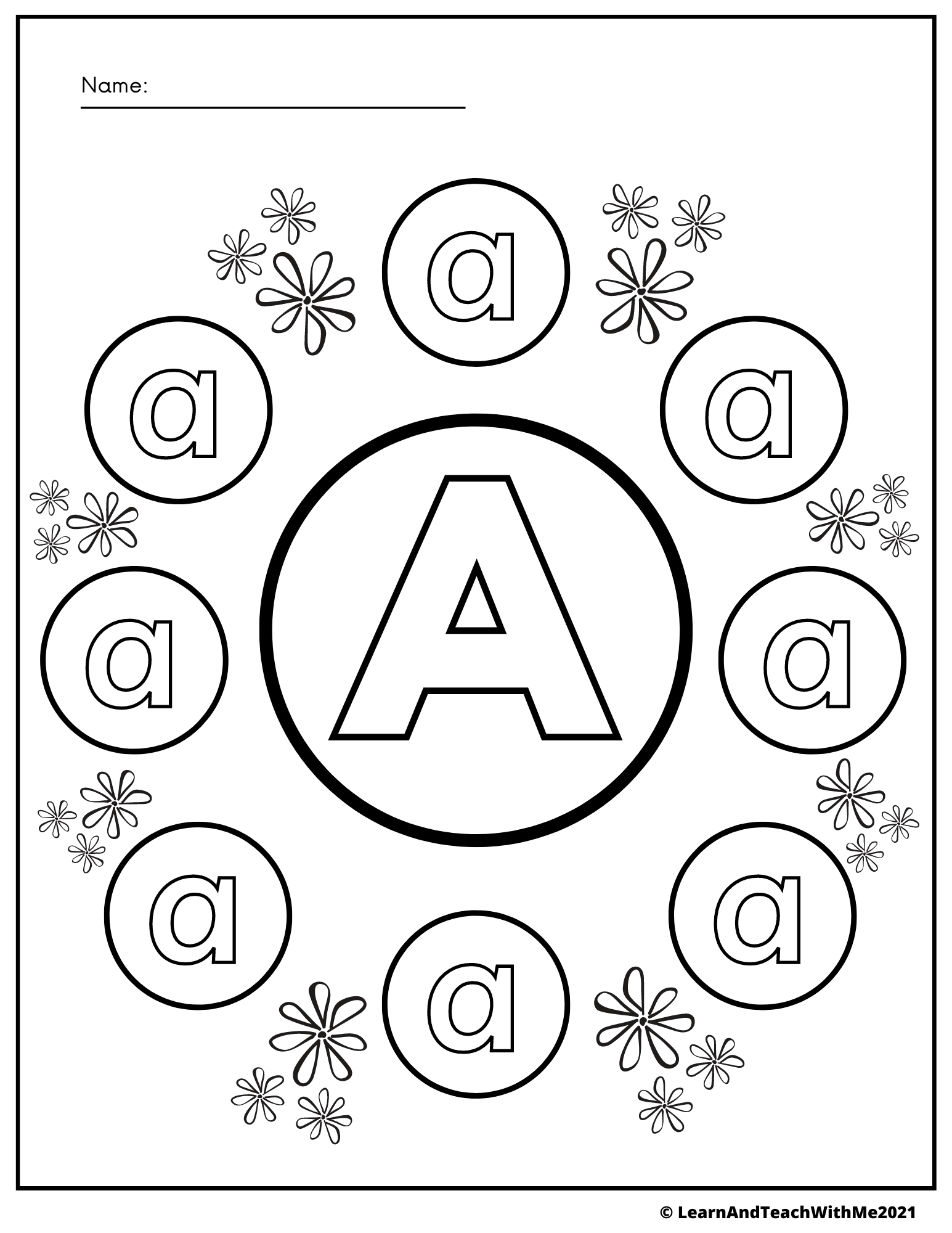
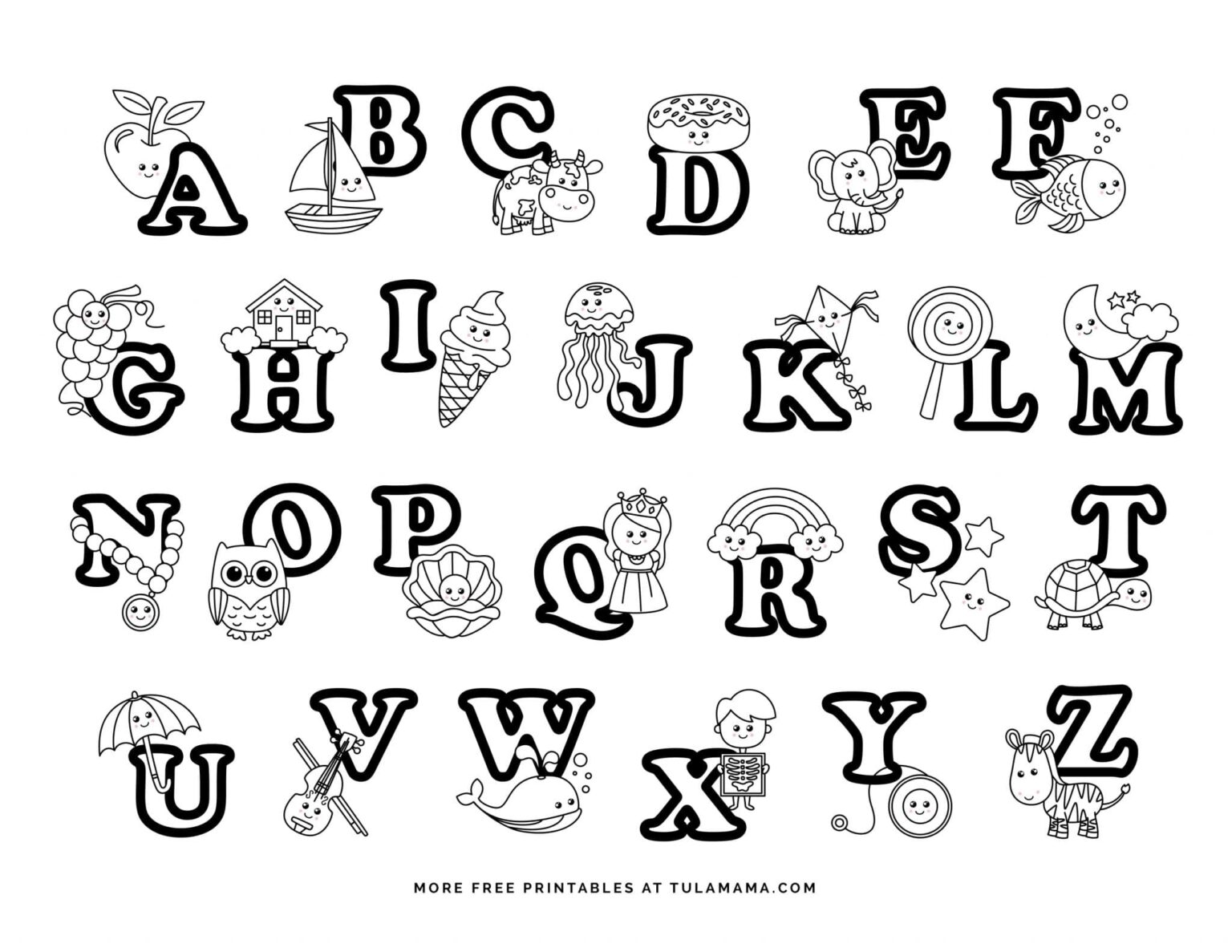
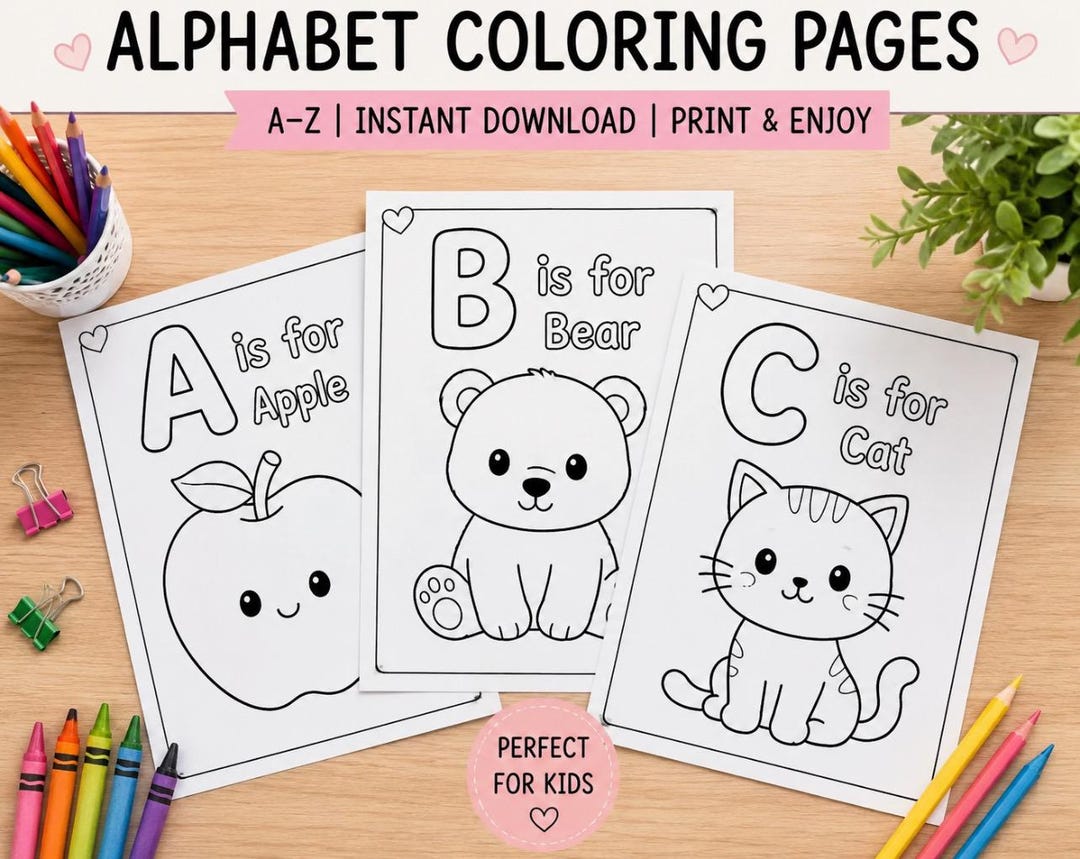
Kbteachers Alphabet Worksheets Handwriting Coloring includes a variety of worksheets that feature the entire alphabet, allowing children to practice both uppercase and lowercase letters. Each page typically displays a letter alongside an image that starts with that letter, providing a visual cue that helps children connect letters with sounds. This resource is ideal for children aged 4 to 6 years, making it a perfect fit for early childhood education settings or homeschooling environments.
These worksheets can be downloaded in PDF format, ensuring easy access and printing. The user-friendly design means that teachers and parents can quickly print out the pages they need without any complicated setup.
How to Use the Worksheets Effectively
To maximize the benefits of Kbteachers Alphabet Worksheets Handwriting Coloring, consider the following practical strategies:
- Daily Practice: Integrate these worksheets into your daily routine. Set aside a specific time for handwriting practice, allowing children to become familiar with the letters and their corresponding sounds.
- Coloring as a Reward: After completing the handwriting portion, encourage children to color the accompanying pictures. This not only rewards them for their hard work but also enhances their creativity.
- Group Activities: If you’re teaching multiple children, consider using these worksheets for group activities. Children can work together to complete the worksheets, fostering teamwork and collaborative learning.
- Use in Themed Lessons: Incorporate the worksheets into thematic lessons. For example, if you’re teaching about animals, focus on letters associated with animal names, such as ‘B’ for bear or ‘C’ for cat.
- Encourage Multi-Sensory Learning: Pair the worksheets with hands-on activities, such as forming letters with playdough or tracing letters in sand or rice. This multi-sensory approach can help reinforce learning.
Printing Tips for Optimal Results
When downloading and printing Kbteachers Alphabet Worksheets Handwriting Coloring, keep these tips in mind for the best results:
- Paper Type: Use standard printer paper for everyday practice. However, if you plan to laminate the worksheets for repeated use, consider using cardstock. Cardstock holds up better over time and can withstand more wear and tear.
- Color Settings: For the best visual outcome, print in color. This not only makes the worksheets more engaging but also helps children differentiate between letters and images clearly.
- Print Preview: Always check the print preview before printing. This ensures that the worksheets will fit correctly on the paper and that no part of the worksheet gets cut off.
- Portrait vs. Landscape: Most alphabet worksheets are designed to be printed in portrait layout. Ensure your printer settings reflect this for optimal printing.
Adapting Worksheets for Different Learners
Every child learns differently, and Kbteachers Alphabet Worksheets Handwriting Coloring can be adapted to meet varied needs:
- For Struggling Writers: Provide tracing worksheets where children can trace letters before attempting to write them independently. This builds confidence and helps develop muscle memory.
- For Advanced Learners: Challenge advanced learners by having them write sentences using words that start with the letters they are practicing. This encourages them to think critically about language and enhances their writing skills.
- Incorporating Technology: If you have access to tablets or computers, consider using digital versions of similar resources. This can engage tech-savvy children and offer a different learning medium.
- Visual Supports: For children who benefit from visual aids, consider adding pictures or flashcards that correspond with the worksheets. This can solidify their understanding of letter sounds and improve memory retention.
Additional Activities to Supplement Learning
To further enrich the learning experience, consider integrating supplementary activities alongside the Kbteachers Alphabet Worksheets Handwriting Coloring:
- Alphabet Songs: Incorporate songs that focus on the alphabet, as music can aid memory and make learning enjoyable.
- Story Time: Read books that focus on the alphabet. Choose stories that highlight letters and their sounds, which reinforces the concepts taught in the worksheets.
- Outdoor Learning: Take the learning outside. Use sidewalk chalk to practice writing letters or create a scavenger hunt where children find objects that start with specific letters.
- Craft Projects: Have children create their own alphabet books using the worksheets as a base. They can add drawings or pictures of items that correspond to each letter, promoting creativity and personalization.
By utilizing Kbteachers Alphabet Worksheets Handwriting Coloring effectively, you can create a rich, engaging, and interactive learning environment for young learners. Remember, the key is to keep the activities varied and enjoyable, ensuring that children remain motivated and excited about learning their letters.
For immediate use, print out a few worksheets today and integrate them into your daily learning routine. This simple step can make a big difference in your child’s literacy journey.