
In teaching phonetics, having the right resources is essential. International Phonetic Alphabet Test Worksheets are a powerful tool for educators to help students grasp the nuances of pronunciation and phonetic transcription. These worksheets not only streamline the learning process but also provide a structured way for students to practice their skills effectively.
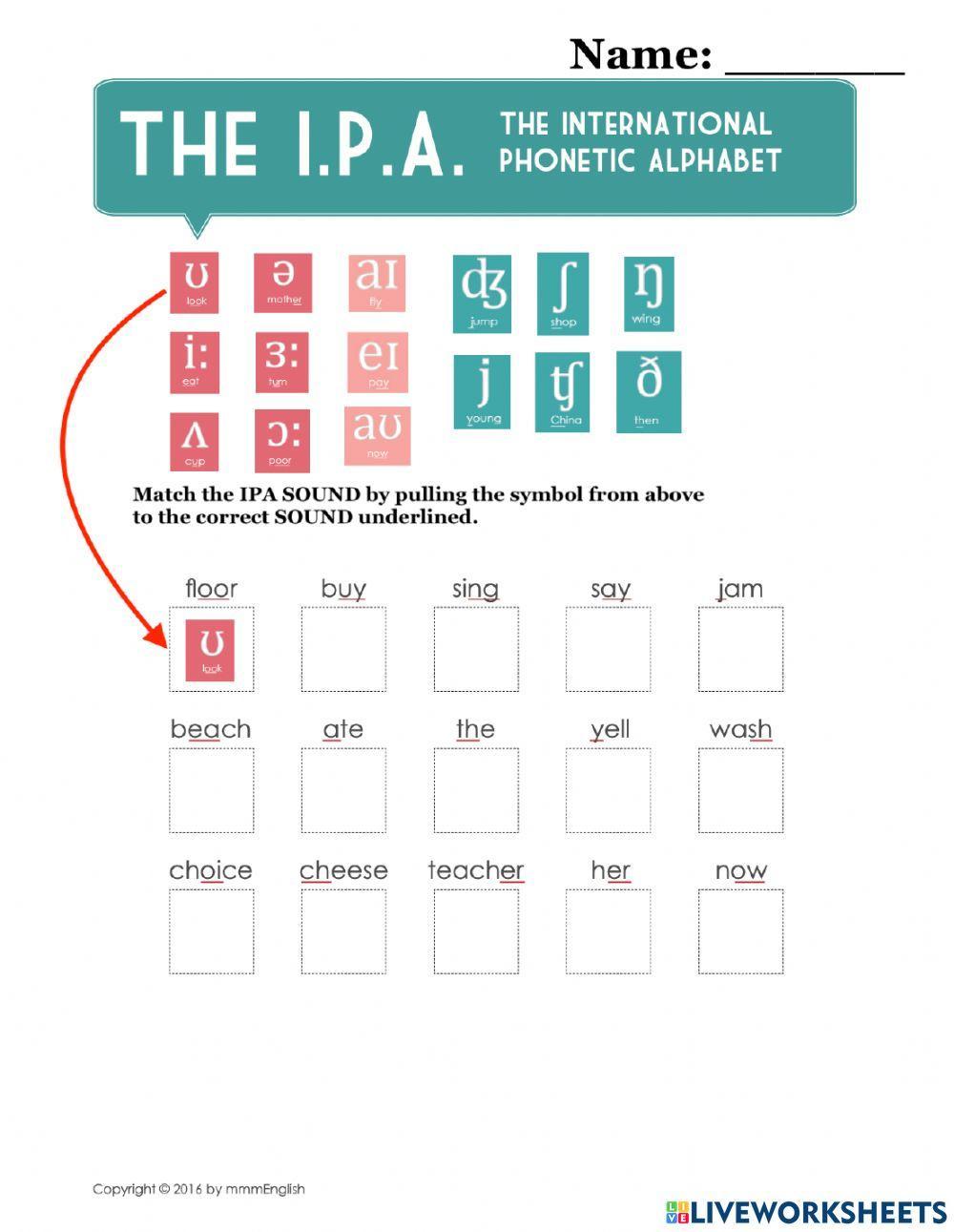
Understanding the Importance of Phonetic Awareness
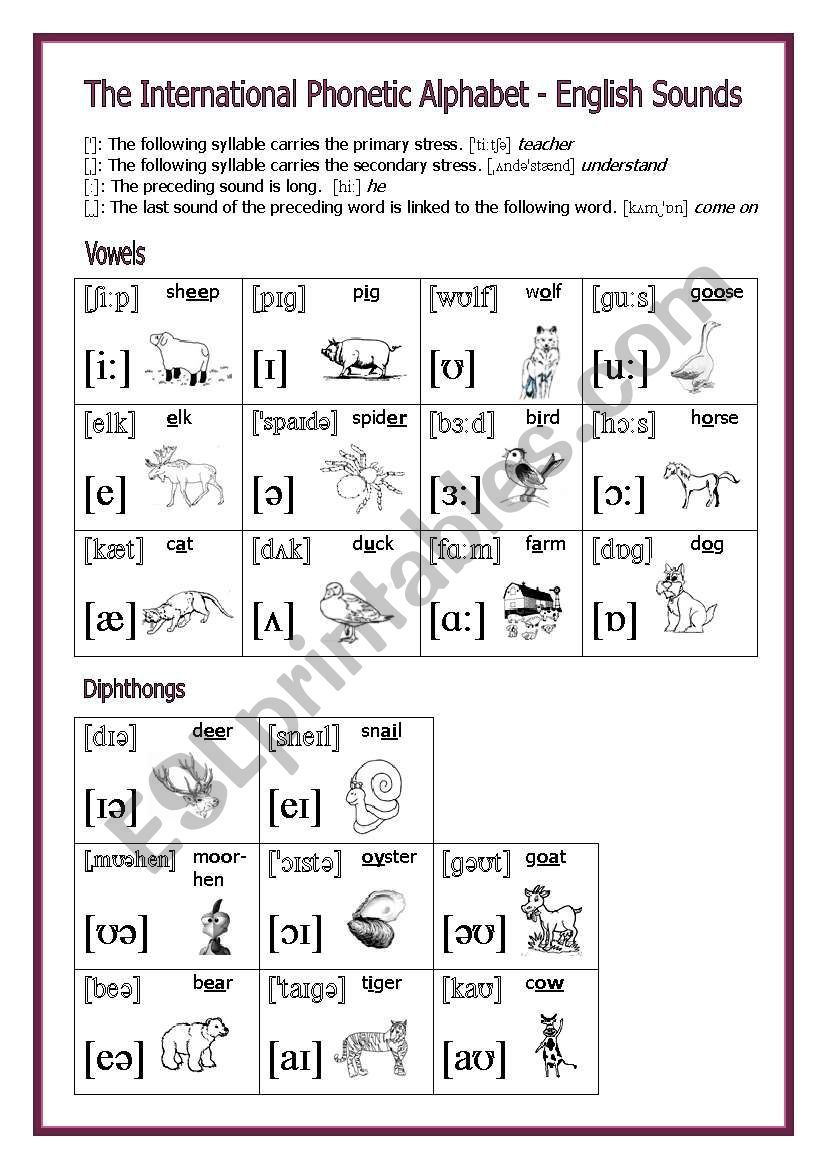
Phonetic awareness is crucial for students, especially those learning new languages or refining their speaking skills. The International Phonetic Alphabet (IPA) serves as a standardized representation of sounds in spoken language, which helps students understand how to pronounce words correctly. By utilizing International Phonetic Alphabet Test Worksheets, teachers can facilitate a deeper understanding of these concepts.
These worksheets typically include various exercises that require students to identify, transcribe, and practice phonetic sounds. They cater to different learning levels, from beginners familiarizing themselves with phonetic symbols to advanced learners refining their skills.
Types of Worksheets Available
When searching for International Phonetic Alphabet Test Worksheets, you’ll find several types tailored to different student needs:
- Transcription Exercises: These worksheets ask students to convert written words into IPA symbols. This practice is essential for developing their transcription skills.
- Sound Identification: Worksheets that focus on identifying sounds corresponding to IPA symbols help reinforce students’ auditory skills.
- Matching Activities: These often require students to match IPA symbols to corresponding words or sounds, enhancing their recognition skills.
- Fill-in-the-Blank Exercises: These worksheets provide sentences with missing phonetic transcriptions that students need to complete.
Each of these formats targets specific aspects of phonetic learning and helps engage students in various ways.
How to Use International Phonetic Alphabet Test Worksheets in the Classroom
Implementing these worksheets in your classroom requires thoughtful planning. Here are some practical steps you can follow:
- Assess Student Levels: Before distributing worksheets, evaluate your students’ current understanding of phonetics. This will help you choose the right level of difficulty for the worksheets.
- Print in Bulk: Consider printing multiple copies of the worksheets for class use. Using standard paper sizes such as A4 or letter size is best for most classroom printers. If you plan to laminate them for repeated use, cardstock is a more durable option.
- Integrate with Lessons: Use the worksheets as part of your phonetics lessons. For instance, after introducing new phonetic sounds, assign the relevant worksheets as practice. This approach reinforces what students have learned and provides immediate application.
- Review and Feedback: After students complete the worksheets, hold a review session. Go through the answers as a class, allowing students to ask questions and clarify doubts. Offering constructive feedback is key to their learning process.
- Use Answer Keys Wisely: If the worksheets come with answer keys, use them to streamline grading. However, consider discussing answers with the class instead of just giving scores, as this encourages learning through discussion.
Downloading and Printing Worksheets
Finding and downloading International Phonetic Alphabet Test Worksheets is straightforward. Many educational websites offer these resources in PDF format, which is the most accessible option for printing. When downloading:
- Check for Quality: Ensure that the worksheets are well-designed and clear. Look for high-resolution PDFs that maintain their quality when printed.
- Consider Accessibility: Some worksheets may be editable, allowing you to customize them according to your class needs. However, PDFs are typically more reliable for printing, preventing formatting issues.
When printing, select portrait layout for most worksheets, as this format tends to be more user-friendly for students. If you opt for color printing, consider using a printer that handles color well to ensure that the worksheets are visually engaging.
Follow-Up Activities to Reinforce Learning
After using International Phonetic Alphabet Test Worksheets, you can further reinforce learning with additional activities:
- Group Exercises: Have students work in pairs or small groups to create their own IPA transcriptions of familiar words. This collaborative effort can enhance their understanding.
- Interactive Games: Use games where students can practice phonetics in a fun, engaging way. For example, a pronunciation relay race or a phonetic spelling bee can motivate students to apply what they’ve learned.
- Real-World Application: Encourage students to observe and note phonetic sounds in real life, such as in media or conversations. Assign them to transcribe dialogue from a video or audio clip using IPA symbols.
These activities not only reinforce the material but also promote a deeper engagement with phonetics.
Where to Find Quality Worksheets
You can find International Phonetic Alphabet Test Worksheets on various educational resource websites. Look for platforms that specialize in printable materials for teachers. Popular sites often provide user reviews and ratings, helping you choose high-quality worksheets.
When selecting resources, consider the following:
- Reputation of the Source: Choose sites that are well-known and trusted in the education community.
- Variety of Resources: Look for sites that offer a range of worksheets, ensuring you have multiple options for different learning levels and needs.
- Free vs. Paid Resources: While many sites offer free worksheets, some may provide premium materials that offer more depth or specialized content.
By carefully selecting your resources, you can ensure that your students get the best possible learning experience.
Using International Phonetic Alphabet Test Worksheets effectively can significantly enhance your teaching of phonetics. By incorporating these resources thoughtfully into your lessons, you’ll provide students with valuable skills they can use in their language learning and communication.