
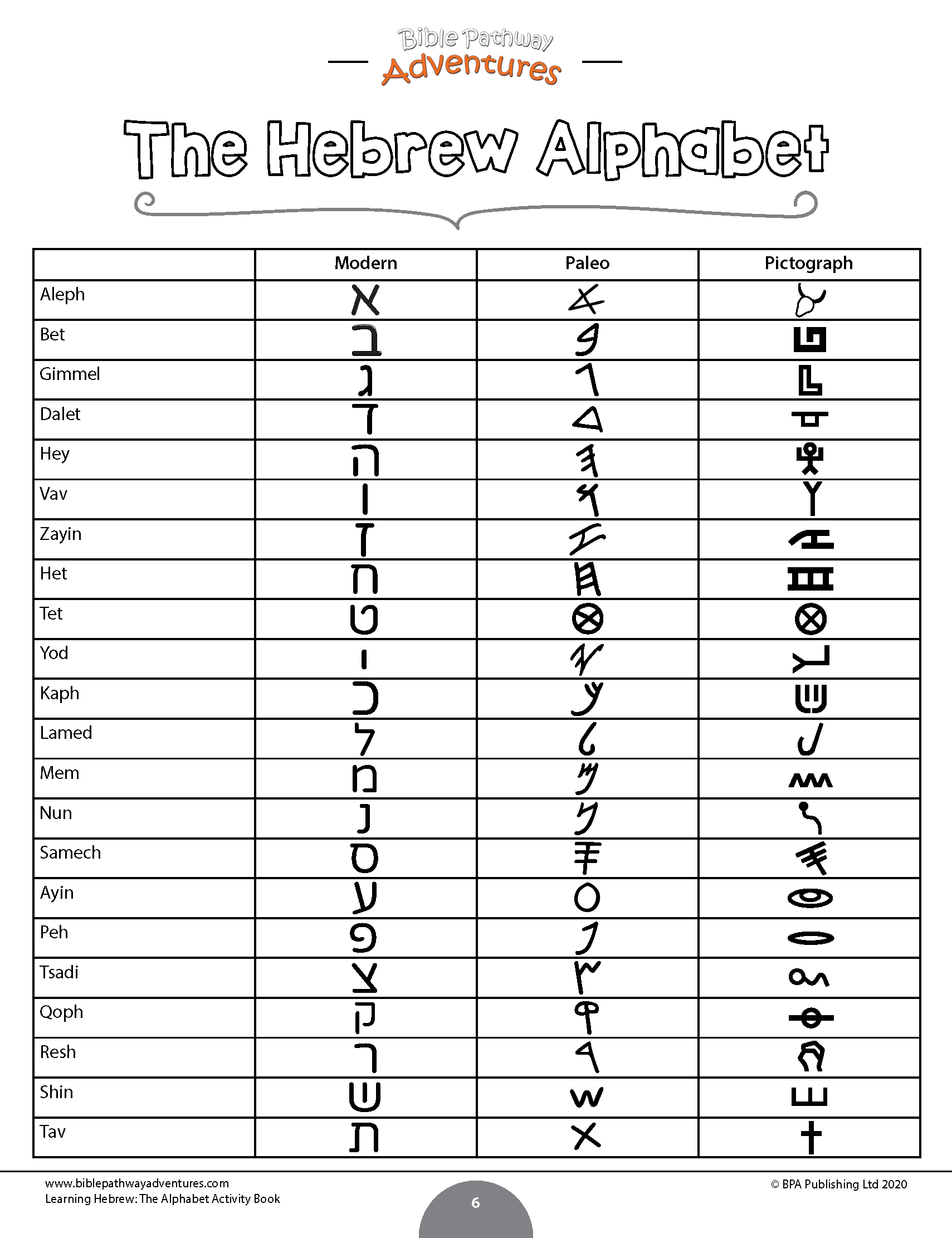
The Hebrew alphabet consists of 22 letters, each with its unique shape and sound. Hebrew Alphabet Worksheets For Kids offer a wonderful way to introduce these characters to young learners. These worksheets typically come in standard letter size (8.5 x 11 inches), making them easy to print and use in various settings, whether at home or in a homeschool environment.
Engaging Activities to Enhance Learning
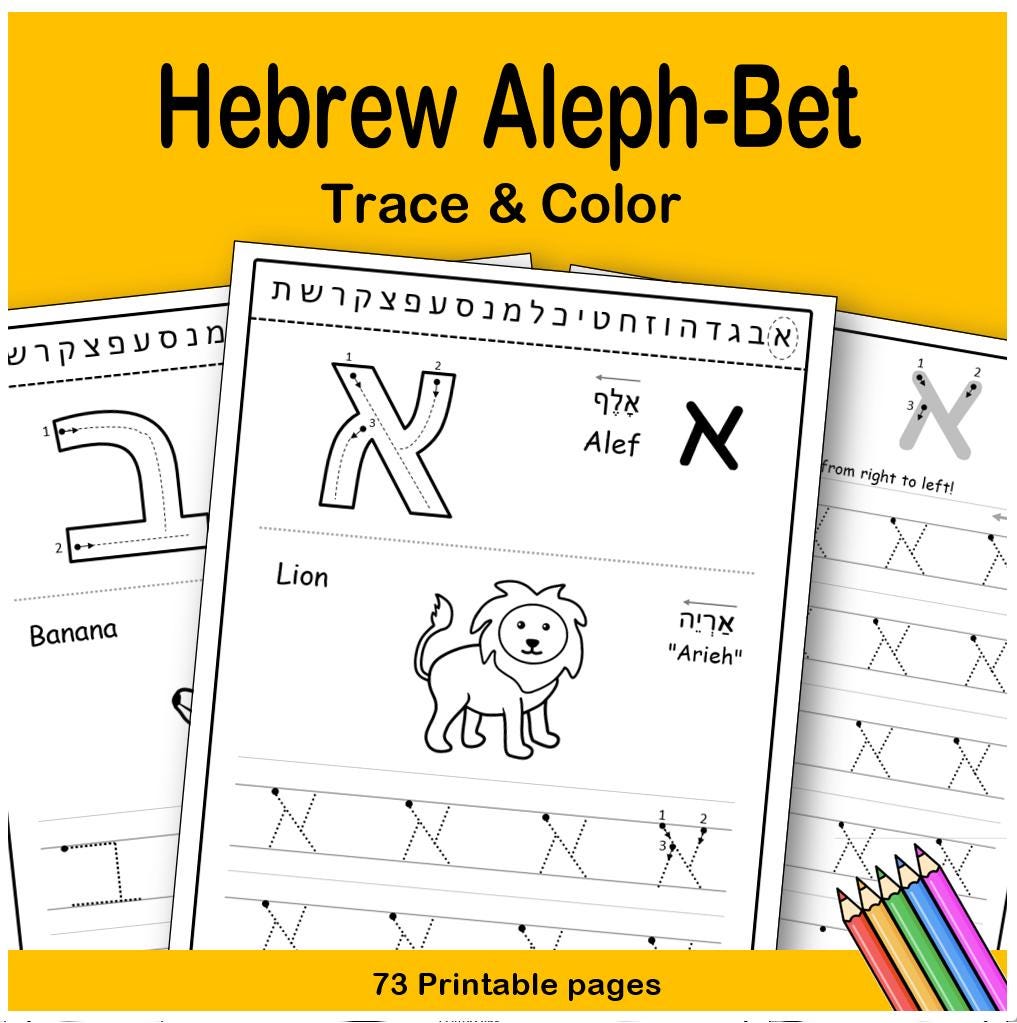
When selecting Hebrew alphabet worksheets, look for those that include a variety of activities. These can range from tracing letters to matching games and coloring pages. An engaging worksheet might feature a large letter on top, allowing children to trace over it, followed by smaller versions for independent practice. This layered approach helps reinforce letter recognition and writing skills.
Worksheets that incorporate visual elements, such as pictures associated with each letter (for example, an apple for the letter Aleph), can further enhance learning. These associations help children make connections between the letters and their sounds, a technique especially useful for auditory and visual learners.
Age Appropriateness and Skill Levels
Hebrew alphabet worksheets are generally suitable for preschool and early elementary-aged children, typically ages 4-7. The activities should cater to various skill levels, offering basic tracing for beginners while providing more complex tasks, such as filling in the blanks or creating words for advanced learners.
For instance, a worksheet designed for younger children might focus solely on tracing and coloring, while one for older kids might include short vocabulary exercises using simple Hebrew words. This differentiation allows parents and teachers to select resources that match the child’s current abilities, ensuring an appropriate challenge without causing frustration.
Layout and Design Features
The layout of Hebrew alphabet worksheets plays a crucial role in their effectiveness. Look for worksheets that are visually appealing, with clear, bold fonts and ample space for children to write. A clean design helps minimize distractions, allowing students to focus on the task at hand.
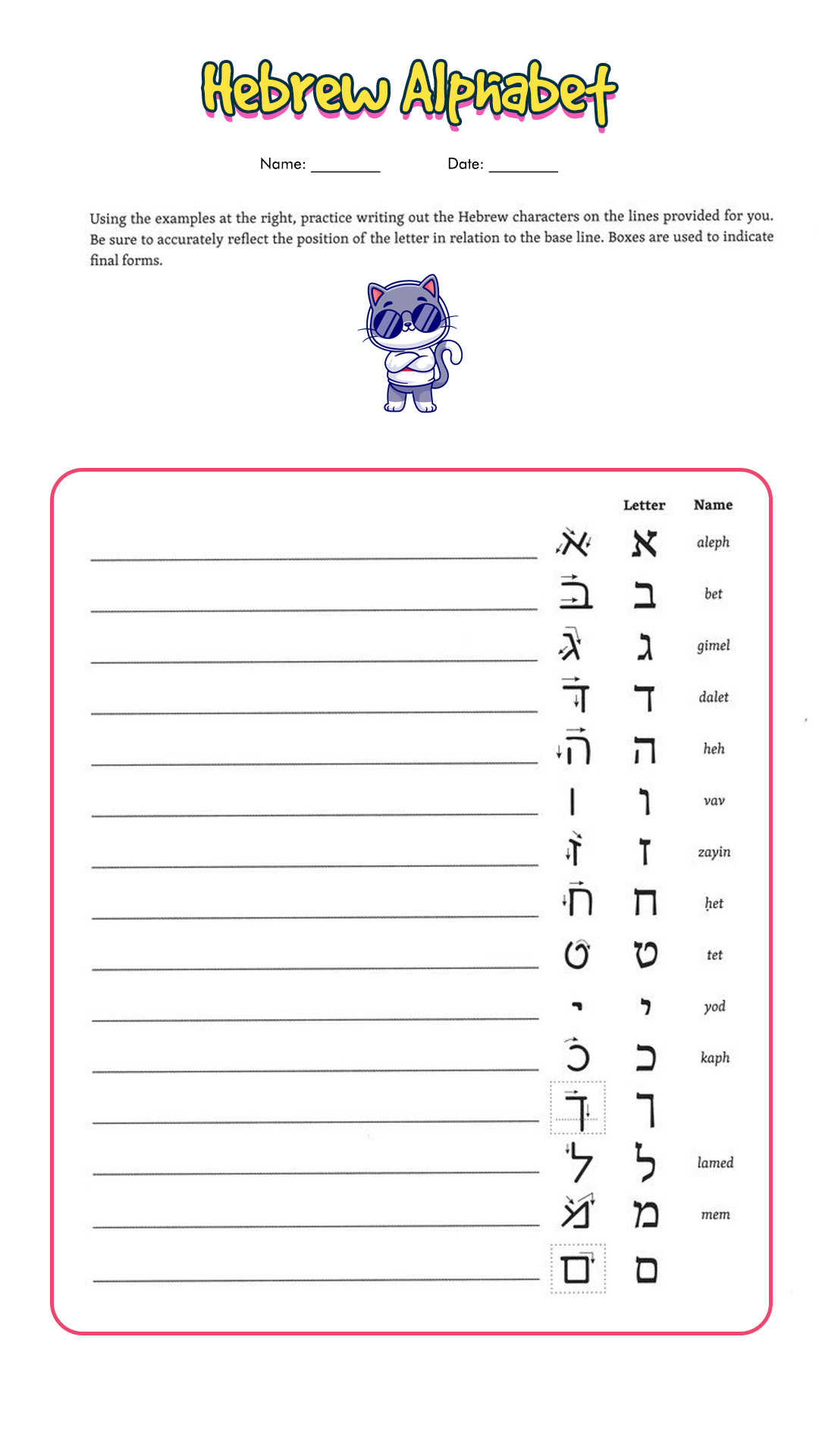
Portrait orientation is often preferred for worksheets, as it fits well on home printers and is easier for young children to manipulate. Additionally, designs that include sections for both tracing and writing provide a comprehensive learning experience. For example, a worksheet might have a section for tracing the letter Aleph, followed by a line where the child can practice writing it independently.
Printable Formats and Accessibility
Most Hebrew alphabet worksheets are available in PDF format, which is ideal for printing. This format ensures that the worksheets maintain their layout and design regardless of the device used for viewing. PDF files are also easy to download and print multiple copies, making them a practical choice for parents and educators alike.
When printing, use standard printer settings for best results. High-quality settings may be necessary for worksheets with detailed images or designs to ensure clarity. Cardstock is a good option for more durable worksheets, especially if they will be used repeatedly or laminated for long-term use.
Incorporating Worksheets Into Daily Routines
Integrating Hebrew alphabet worksheets into daily routines can be seamless and enjoyable. Set aside a specific time each day for focused learning, such as during morning activities or after lunch. This regularity helps children anticipate and look forward to their learning time.
Combine worksheets with other activities to keep learning dynamic. For example, after completing a worksheet, children can engage in a related hands-on activity, such as crafting letter shapes with playdough or creating a poster with Hebrew letters. This multisensory approach reinforces learning and keeps children engaged.
Moreover, parents can use worksheets to facilitate conversations about Hebrew culture and language. Discussing the significance of certain letters or words can enrich the learning experience and create a deeper connection to the material.