
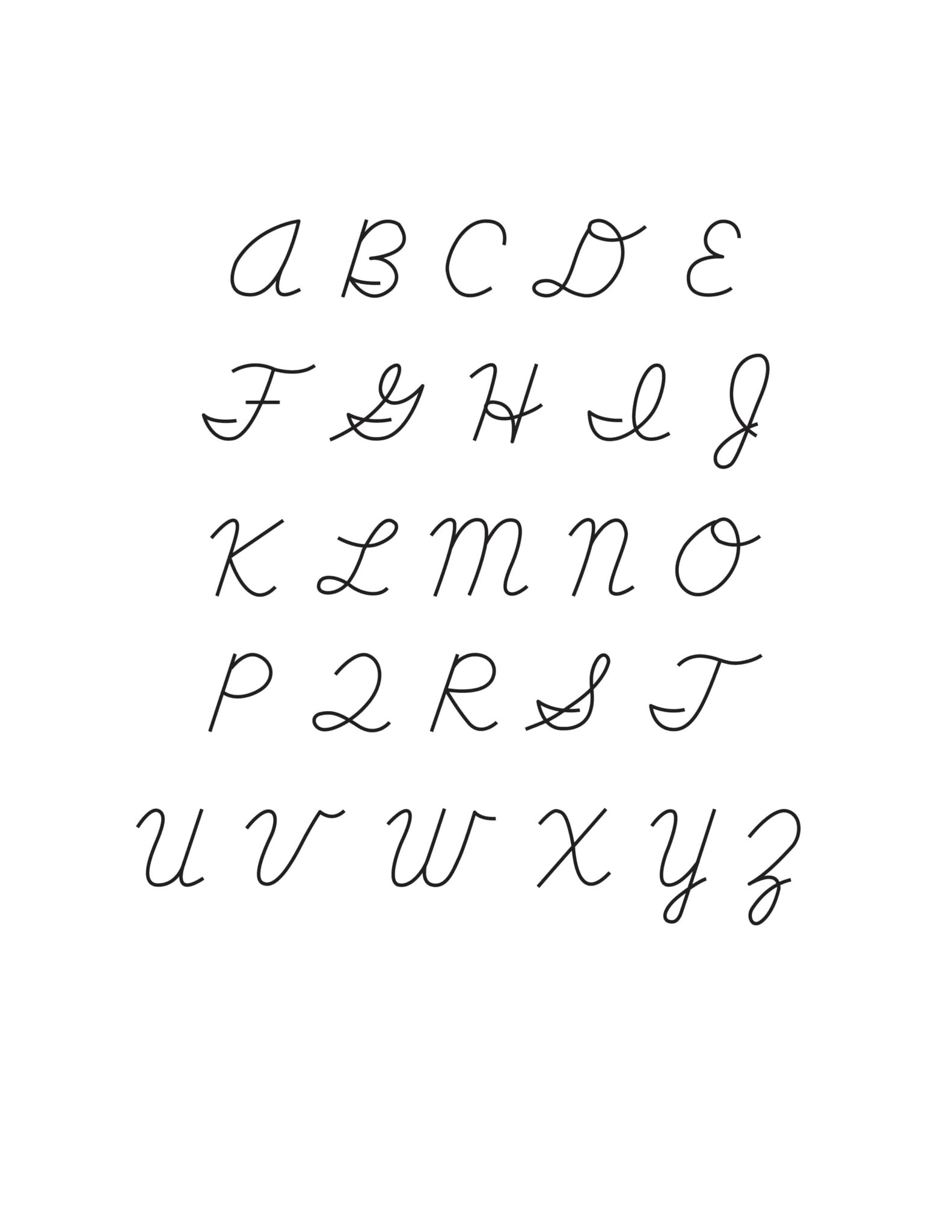
Handwriting Worksheets For Letters Of The Alphabet are essential tools for educators and parents looking to support young learners in developing their writing skills. These worksheets provide structured practice for each letter, allowing children to reinforce their understanding of letter formation and improve their handwriting. In this guide, I’ll walk you through how to effectively use these resources in both classroom and home settings, ensuring that students not only master the alphabet but also enjoy the process of learning.
Understanding the Importance of Handwriting Practice
Handwriting is a fundamental skill that lays the groundwork for effective communication. For young children, learning to write letters correctly can boost their confidence and academic performance. When using Handwriting Worksheets For Letters Of The Alphabet, it’s important to recognize the developmental milestones typical for preschool and early elementary students, usually around ages 4 to 7.
You might notice that children at this age are still developing fine motor skills. Their ability to control a pencil, form letters, and maintain proper spacing will vary. With the right worksheets, you can help them practice these skills in a supportive environment.
Selecting the Right Handwriting Worksheets
When choosing handwriting worksheets, look for features that cater to different learning styles and needs. Here are some key aspects to consider:
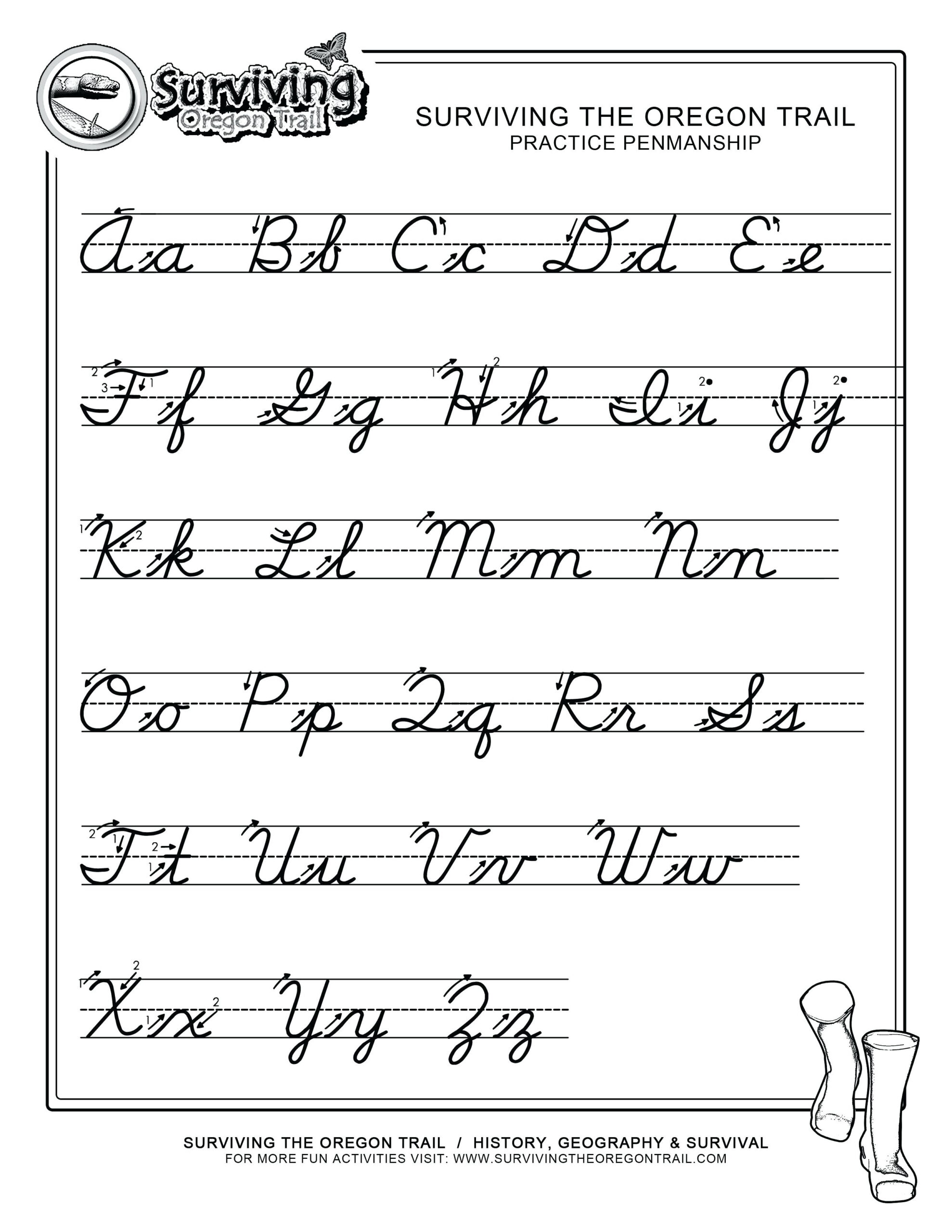
- Letter Formation: Ensure worksheets include proper stroke order and directional arrows. This will guide children in how to form each letter correctly.
- Variety of Activities: Worksheets that mix tracing, free writing, and letter recognition games can keep children engaged. Variety helps reinforce learning through different methods.
- Visuals: Colorful illustrations can make worksheets more appealing. Consider options that include images of objects starting with the letters being practiced.
- Progressive Difficulty: Start with uppercase letters before moving to lowercase. Look for worksheets that gradually increase in complexity, allowing children to build confidence as they progress.
Effective Ways to Use Handwriting Worksheets
Once you’ve selected suitable Handwriting Worksheets For Letters Of The Alphabet, it’s time to incorporate them into your teaching routine. Here are some practical strategies for using these resources effectively:
In the Classroom
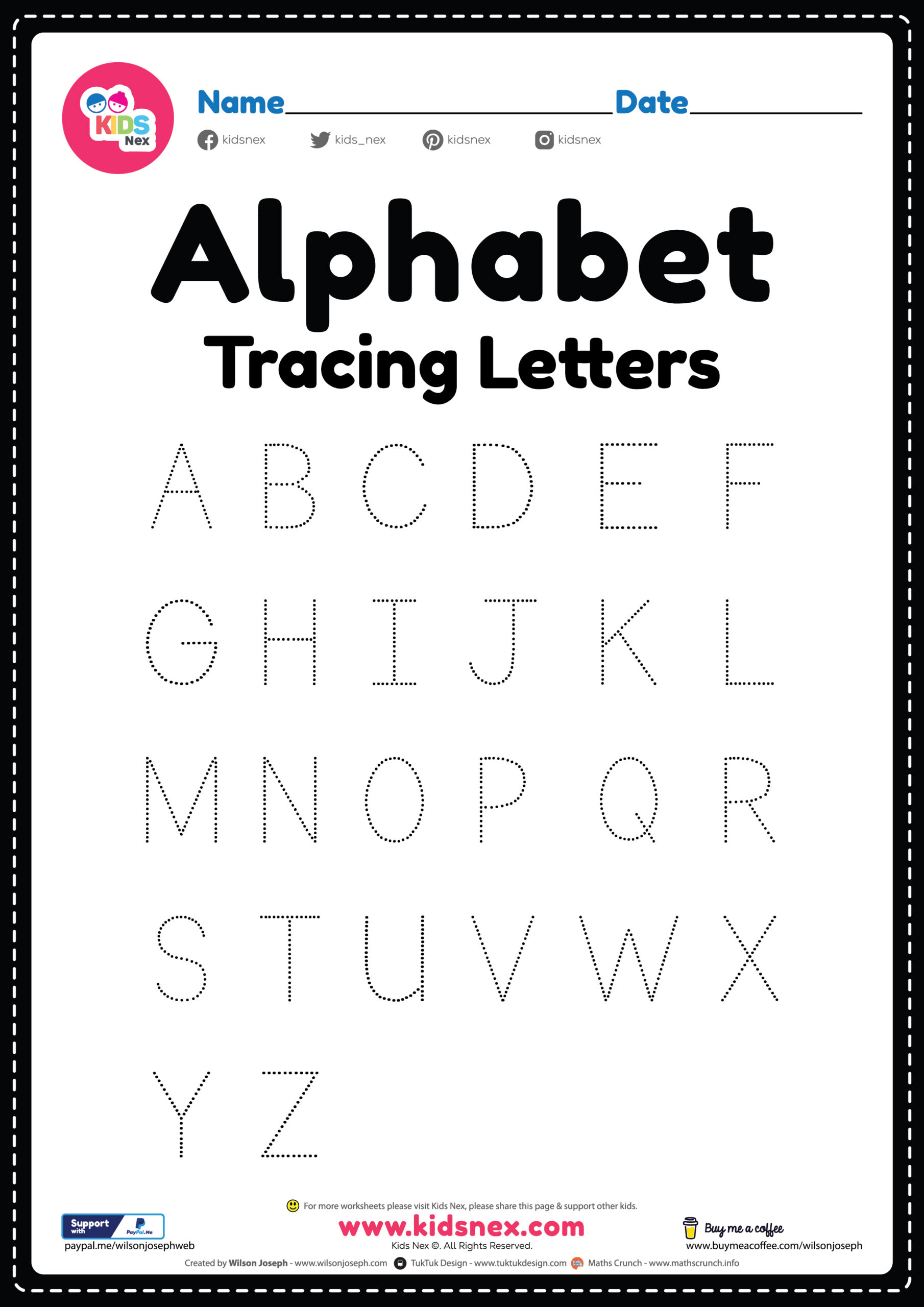
- Daily Practice: Dedicate a few minutes each day for handwriting practice. Consistency is key in helping students develop muscle memory for letter formation.
- Group Activities: Turn handwriting practice into a fun group activity. Use large paper or whiteboards where students can practice letters together. This encourages collaboration and peer learning.
- Incorporate Technology: If available, use tablets or interactive whiteboards. Some apps allow children to trace letters digitally, which can be a fun complement to traditional worksheets.
At Home
- Create a Routine: Establish a regular time for handwriting practice at home. This could be part of the homework routine or a dedicated “writing time” each day.
- Make it Fun: Use creative prompts. For example, ask children to write letters while describing their favorite animal or toy. This can make the practice feel less like a chore.
- Monitor Progress: Keep a folder for each child’s completed worksheets. This not only shows their growth over time but provides an opportunity to discuss their progress together.
Assessing Mastery of Handwriting Skills
As children work through Handwriting Worksheets For Letters Of The Alphabet, it’s important to assess their mastery of the skills being taught. Here’s how to effectively check for understanding:
- Observation: Watch how children grip their pencils and form letters. Are they using the correct stroke order? Are their letters consistently sized?
- Feedback: Provide immediate feedback on their work. Highlight both what they did well and areas for improvement. This will help them feel encouraged and motivated to keep practicing.
- Progress Tracking: Use a simple checklist or chart to track which letters students have mastered and which ones need more practice. This can guide your future lessons and help tailor your approach to individual needs.
Additional Resources for Enhancing Handwriting Skills
Beyond the standard worksheets, consider incorporating additional resources to enrich the handwriting experience:
- Letter Formation Apps: Many educational apps focus on handwriting skills. These can be a great supplement, especially for tech-savvy kids.
- Sensory Activities: Engage students with activities that develop fine motor skills, such as letter formation in sand, using playdough to shape letters, or finger painting.
- Story Writing: Encourage children to write simple stories or sentences using the letters they’ve practiced. This helps reinforce their skills in a meaningful context.
For immediate impact, remember to print a set of worksheets that correspond to the current letter being studied. Prepare them in advance so that you can seamlessly integrate handwriting practice into your daily routine, whether at school or home.