
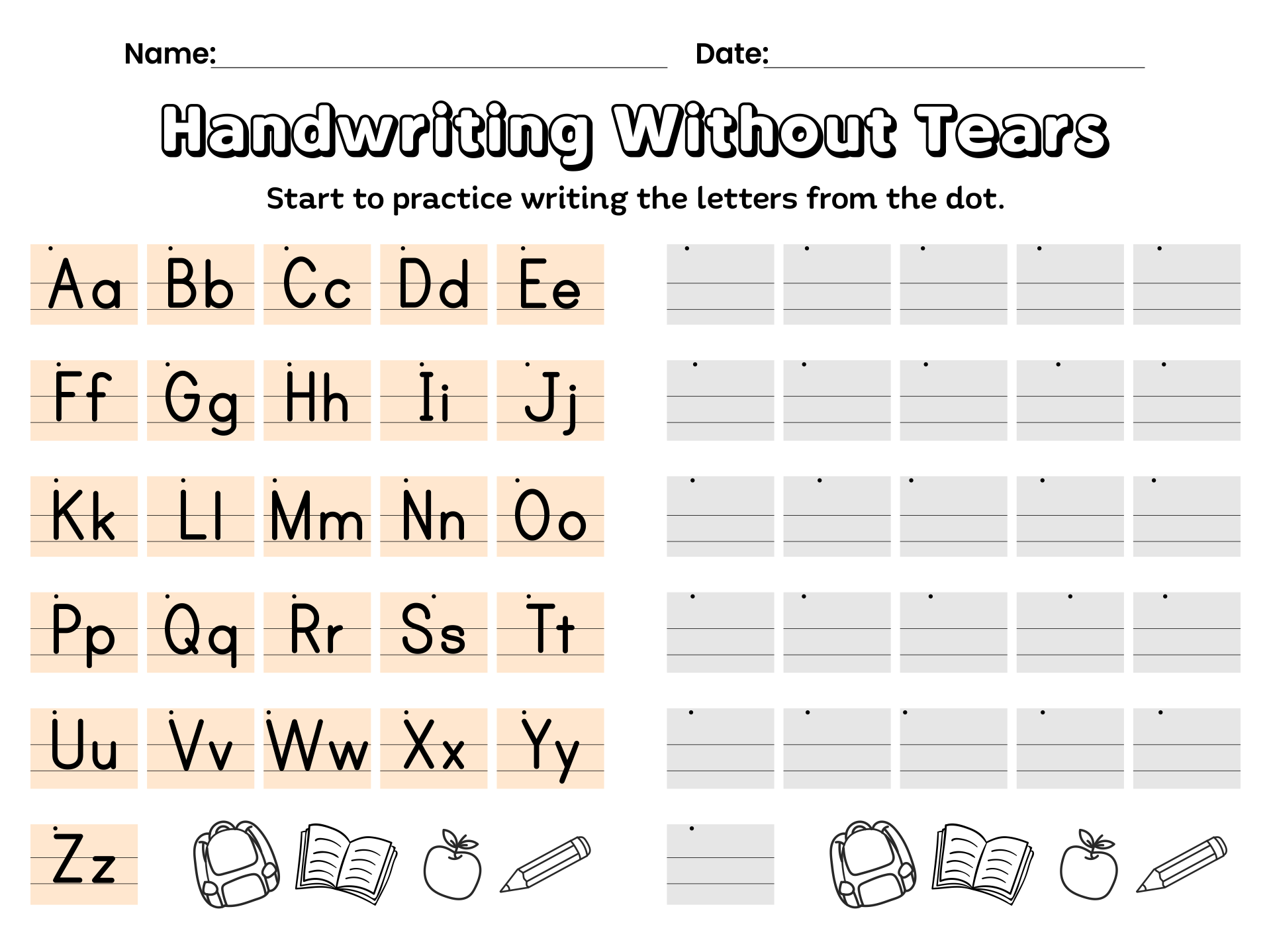
Handwriting Without Tears Alphabet Worksheets are an excellent resource for teaching young children the foundations of handwriting. These worksheets are specifically designed to reinforce letter formation and improve fine motor skills. By integrating these materials into your lessons, you can create a structured learning environment that helps students master their handwriting at an early age.
Understanding the Purpose of Handwriting Without Tears Alphabet Worksheets
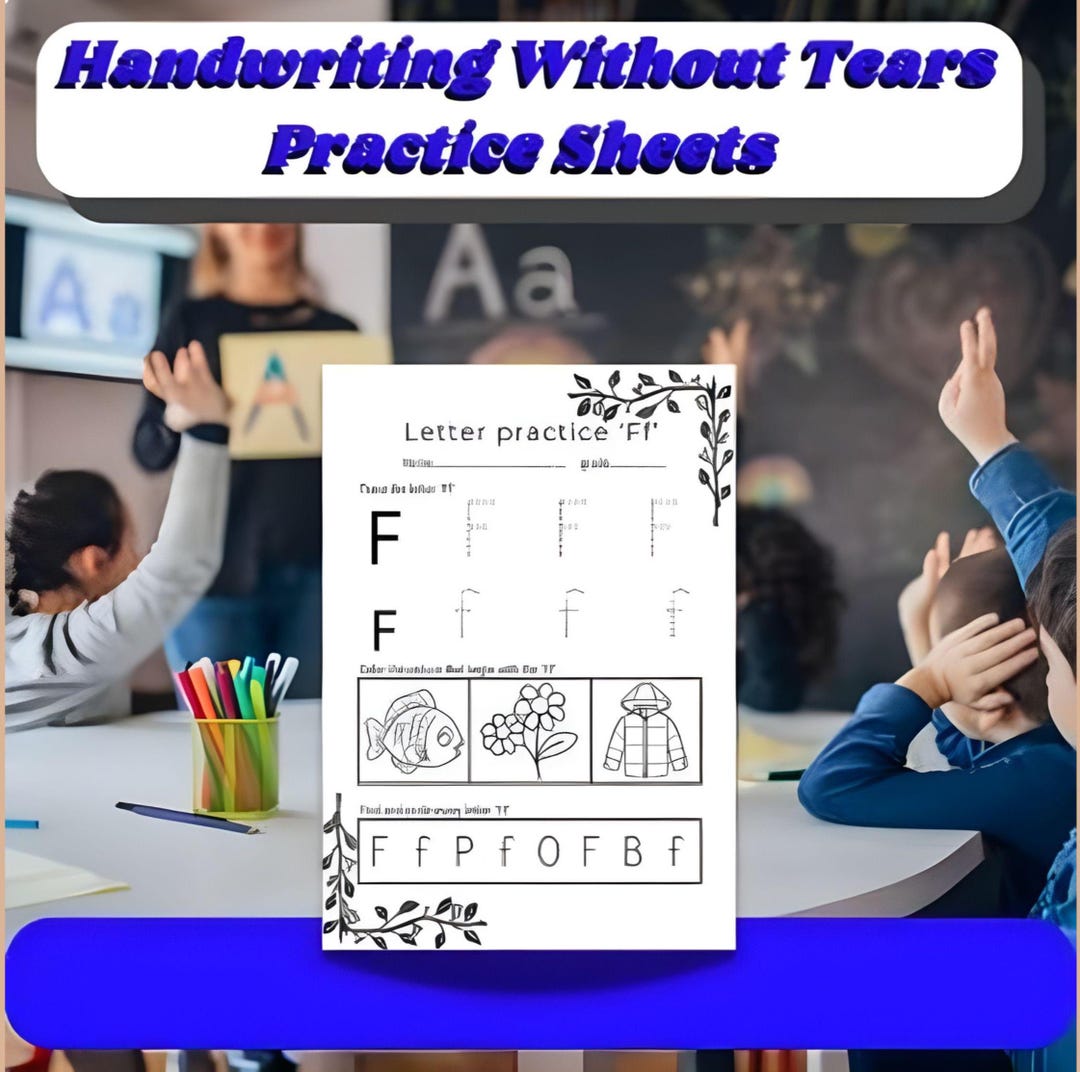
The primary goal of Handwriting Without Tears Alphabet Worksheets is to provide children with a fun and engaging way to practice writing letters. Designed for preschool and kindergarten students, these worksheets focus on both uppercase and lowercase letters, allowing for comprehensive skill development. The program emphasizes a multi-sensory approach, which means students learn through various methods, including visual, auditory, and kinesthetic activities.
Using these worksheets helps students learn proper letter formation, spacing, and alignment. This is crucial for developing legible handwriting that will benefit them in their future academic endeavors. Additionally, practicing handwriting can significantly enhance a child’s cognitive skills, such as memory and concentration.
Key Features of the Worksheets
When selecting Handwriting Without Tears Alphabet Worksheets, you’ll find several features that make them effective teaching tools:
- Clear Letter Guides: Each worksheet typically includes visual aids and guides that show children how to form each letter correctly.
- Variety of Activities: Worksheets often include a mix of tracing, writing, and coloring activities, keeping students engaged and motivated.
- Structured Progression: The worksheets are organized to gradually increase in difficulty, allowing students to build confidence as they master each letter.
- Age Appropriateness: Tailored for preschool and kindergarten students, the content is designed to meet their developmental needs.
How to Implement These Worksheets in Your Teaching
Integrating Handwriting Without Tears Alphabet Worksheets into your lesson plans can be seamless with a few practical strategies:
- Daily Practice: Set aside a specific time each day for handwriting practice. Consistent practice helps reinforce skills.
- Incorporate Multi-Sensory Approaches: Use tactile materials like sand, playdough, or finger paints along with the worksheets to enhance learning. This engages different senses and reinforces letter formation.
- Pair with Other Activities: Combine handwriting practice with letter recognition games or phonics activities. This not only makes learning fun but also reinforces the connection between letters and sounds.
- Assess Progress: Use the worksheets to track student progress over time. Regular assessments help identify areas where individual students may need additional support.
Choosing the Right Format for Printing
When it comes to printing Handwriting Without Tears Alphabet Worksheets, consider the following tips to ensure the best results:
- Paper Size: Standard letter size (8.5 x 11 inches) is typically used, making it easy to print at home or in a classroom setting.
- Use Cardstock: If you plan to laminate the worksheets for repeated use, cardstock is a durable option that holds up well.
- Landscape vs. Portrait: Most worksheets are designed for portrait layout, which is suitable for handwriting practice. However, check the specific layout of your chosen worksheets to ensure they print correctly.
- Print Settings: Ensure your printer settings are adjusted to print in high quality, especially when printing visuals that accompany the worksheets.
Tips for Parents and Educators
Both parents and educators can effectively use Handwriting Without Tears Alphabet Worksheets to support children’s learning. Here are some practical tips:
- Create a Calm Environment: Ensure that the workspace is quiet and free of distractions. A focused environment helps children concentrate better on their handwriting practice.
- Encourage Positive Reinforcement: Celebrate small successes. Acknowledge the effort students put into their handwriting to boost their confidence.
- Use Consistent Language: Teach children the correct terminology when discussing letters and handwriting. This helps them understand the concepts better and develop their vocabulary.
- Adapt for Individual Needs: Be flexible. Some students may need additional time with certain letters or concepts. Adjust the pacing of lessons based on each child’s progress.
Where to Find Handwriting Without Tears Alphabet Worksheets
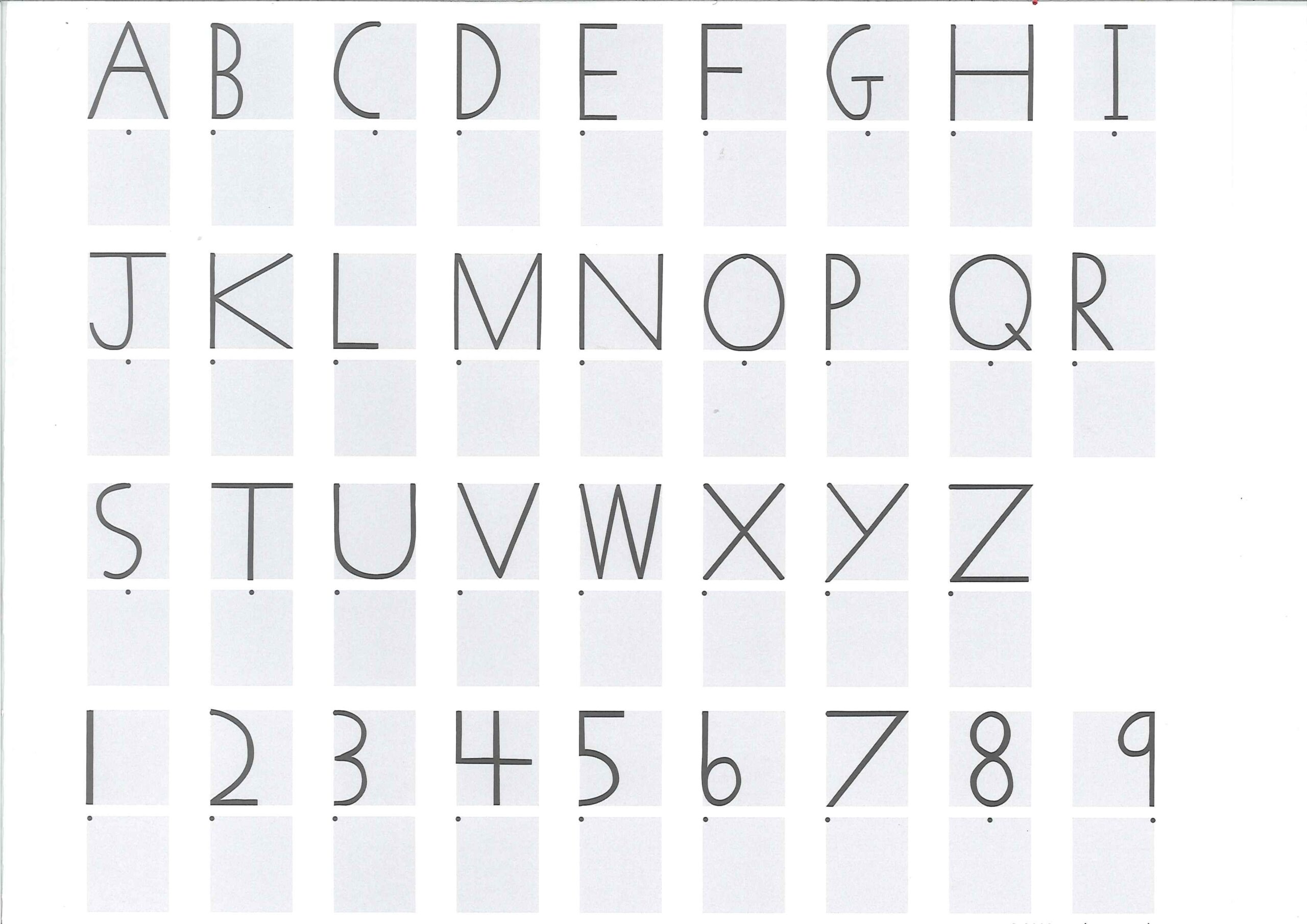
You can find Handwriting Without Tears Alphabet Worksheets through various educational resources online. Many websites offer free downloads or paid options that provide high-quality materials suitable for classroom and home use. Look for resources that include a variety of activities, as this will cater to different learning styles and preferences.
Additionally, consider joining online teacher communities or forums. These platforms can provide recommendations for reliable sources and may even offer shared resources from fellow educators.
By using these worksheets effectively, you can help your students develop strong handwriting skills that will serve them well throughout their education. With the right approach and resources, teaching handwriting can be both rewarding and enjoyable for both you and your students.