
Teaching young children the alphabet can be a rewarding experience, especially with the right tools. Grade Beginner Kindergarten Alphabet Worksheets offer a structured way to engage students in learning letter recognition, phonetics, and handwriting. These worksheets are designed to cater to young learners, making it easier for teachers or parents to introduce the alphabet in a fun and interactive manner.
Benefits of Using Alphabet Worksheets
Alphabet worksheets provide several benefits that can enhance the learning experience for kindergarten students.
- Structured Learning: Each worksheet typically focuses on one letter at a time, allowing students to concentrate on mastering the recognition and sound of each letter before moving on.
- Variety of Activities: These worksheets often include a mix of activities such as tracing letters, matching letters to pictures, and coloring tasks. This variety keeps students engaged and helps reinforce their learning.
- Easy Assessment: Teachers can quickly assess a child’s understanding of the alphabet by reviewing completed worksheets. This immediate feedback can guide future instruction and identify areas that need additional focus.
Types of Grade Beginner Kindergarten Alphabet Worksheets
When searching for Grade Beginner Kindergarten Alphabet Worksheets, you’ll find a range of formats and activities. Here are some common types:
Tracing Worksheets
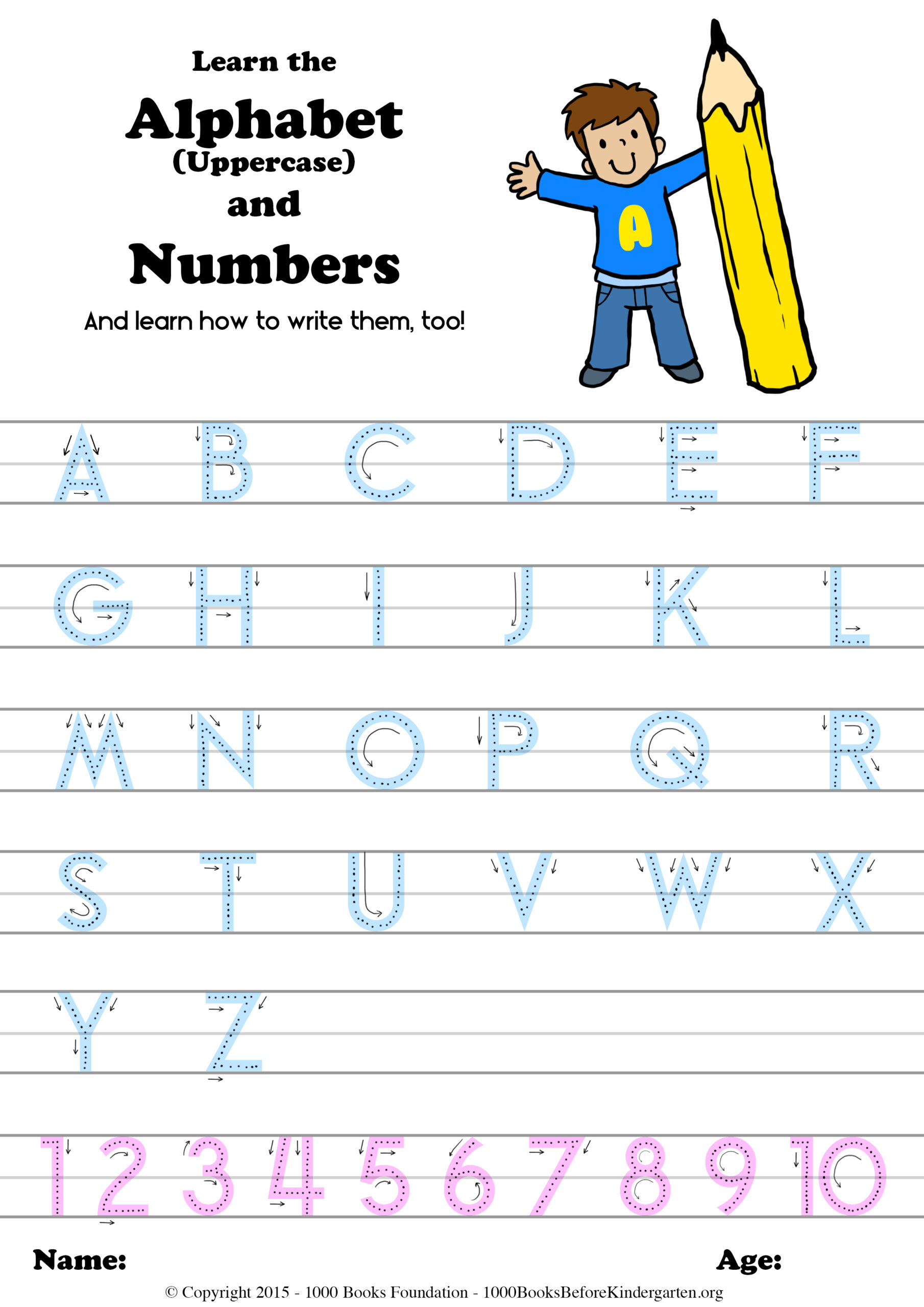
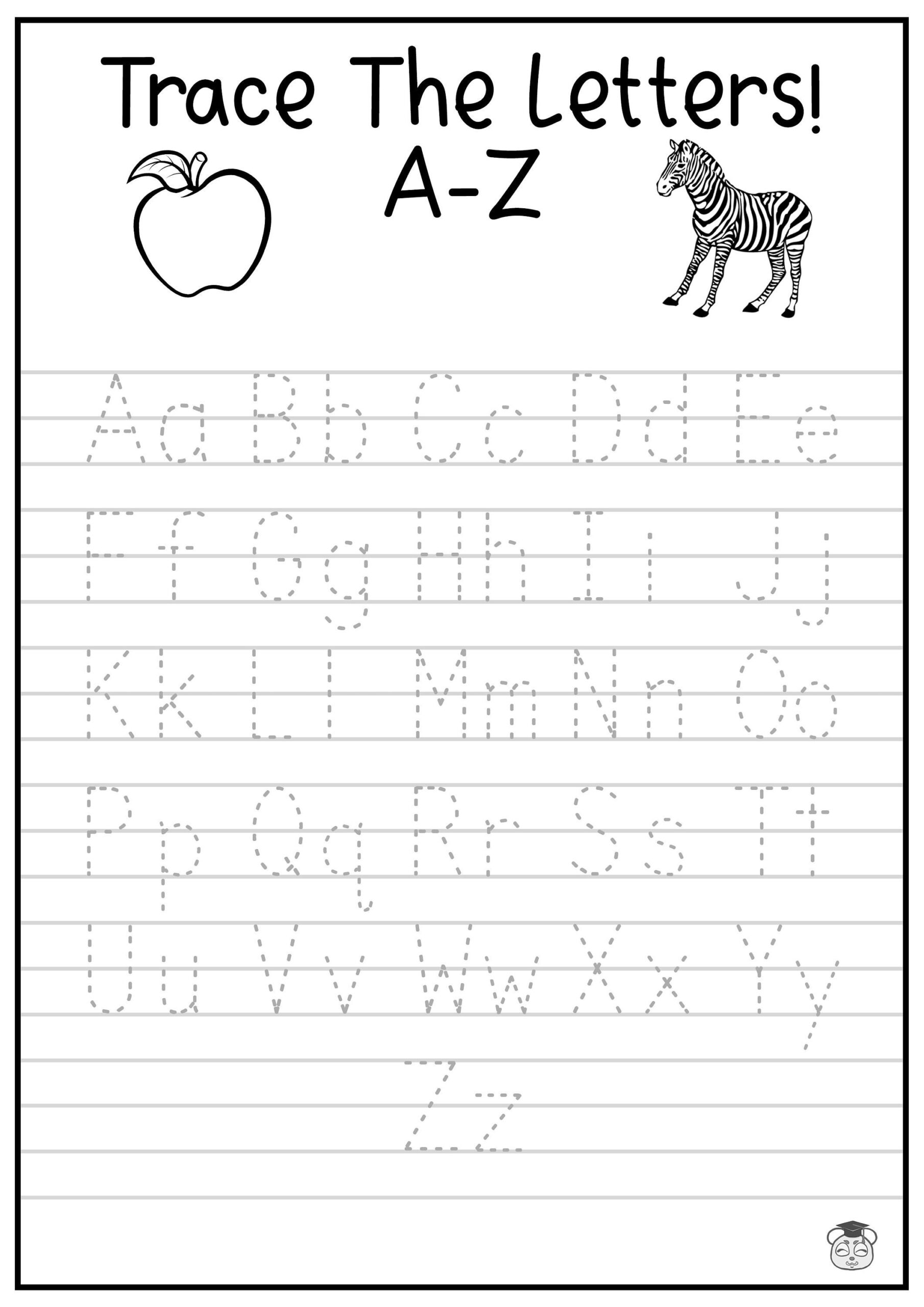
Tracing worksheets are excellent for developing fine motor skills. These worksheets typically feature dotted outlines of letters that children can trace over with a pencil or crayon.
- Paper Type: Use standard A4 paper for easy printing.
- Recommended Tools: Pencils or crayons are ideal for tracing; consider using colored pencils to make the activity more engaging.
Coloring Pages
Coloring pages that feature letters can help reinforce letter recognition while allowing children to express their creativity.
- Features: These pages might include illustrations of items that start with the letter being learned, enhancing vocabulary as well.
- Printing Tip: Choose a lighter paper to allow for easy coloring without bleed-through, especially if using markers.
Matching Worksheets
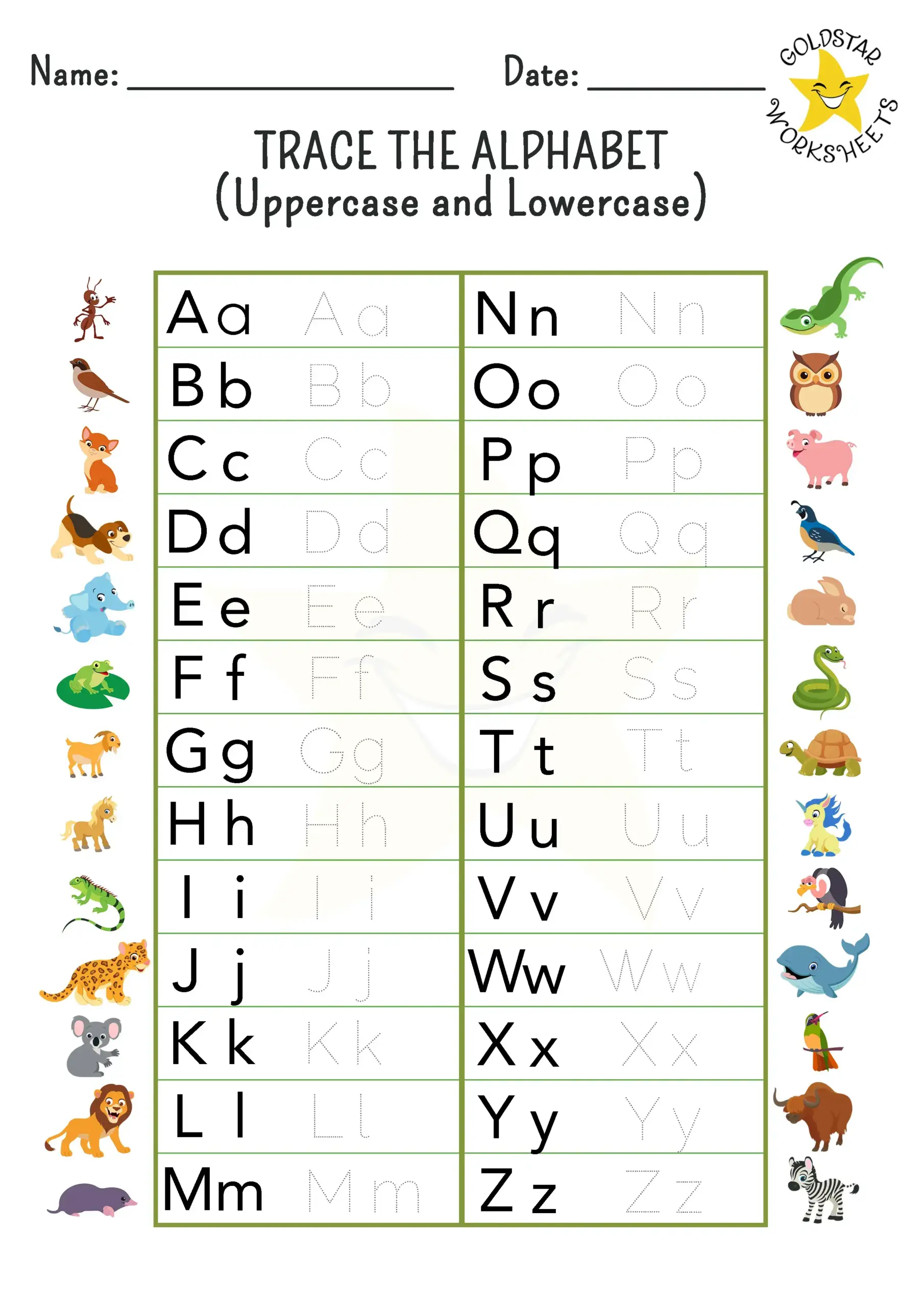
Matching worksheets require students to draw lines connecting letters to corresponding images or to match uppercase and lowercase letters.
- Activity Setup: These can be printed on A4 paper and used in pairs or small groups for collaborative learning.
- Classroom Use: These worksheets are great for centers, where children can work independently or with peers to complete the activity.
How to Implement Alphabet Worksheets in Your Teaching
Incorporating Grade Beginner Kindergarten Alphabet Worksheets into your teaching routine can help streamline lesson planning. Here’s how to effectively use these resources:
- Daily Practice: Dedicate a few minutes each day for students to work on alphabet worksheets. This consistency helps reinforce their learning.
- Group Activities: Use the worksheets for group activities where children can share their work and help each other. This promotes social interaction and reinforces learning through peer support.
- Homework Assignments: Assign worksheets as homework to allow parents to participate in their child’s learning. This not only reinforces skills at home but also keeps parents informed of what their children are learning.
Tracking Progress With Worksheets
Keeping track of students’ progress is crucial in any educational setting. Here are effective ways to monitor their development using alphabet worksheets:
- Create a Portfolio: Collect completed worksheets in a folder or binder to review student progress over time. This portfolio can be shared with parents during conferences.
- Use Checklists: Develop a simple checklist that highlights specific skills associated with each letter. As students complete worksheets, you can mark off their progress on the checklist.
- Feedback Sessions: Schedule regular one-on-one sessions with students to discuss their completed worksheets. This not only provides insight into their understanding but also encourages them to reflect on their learning.
Downloading and Printing Tips
When downloading and printing Grade Beginner Kindergarten Alphabet Worksheets, consider the following to ensure quality and usability:
- File Format: PDF files are preferable for printing as they maintain formatting across different devices.
- Printer Settings: Use a standard quality setting for most worksheets to save ink while still providing clear prints. If your printer allows, choose portrait orientation for most worksheets.
- Paper Size: Standard A4 paper works well, but if you have access to larger paper sizes, consider printing on 11×17 for more spacious worksheets.
Final Tips for Engaging Young Learners
To make the learning process more enjoyable for kindergarteners, consider integrating games and hands-on activities alongside the worksheets.
- Incorporate Movement: Use physical activities that involve letters, like letter scavenger hunts or jumping to the letter called out loud.
- Story Time: Pair worksheets with story time that emphasizes the letters being learned. This can help children make connections between letters and sounds in a fun, engaging way.
By utilizing Grade Beginner Kindergarten Alphabet Worksheets effectively, you can create a rich and interactive learning environment that fosters a love for letters and prepares children for their future academic endeavors.