
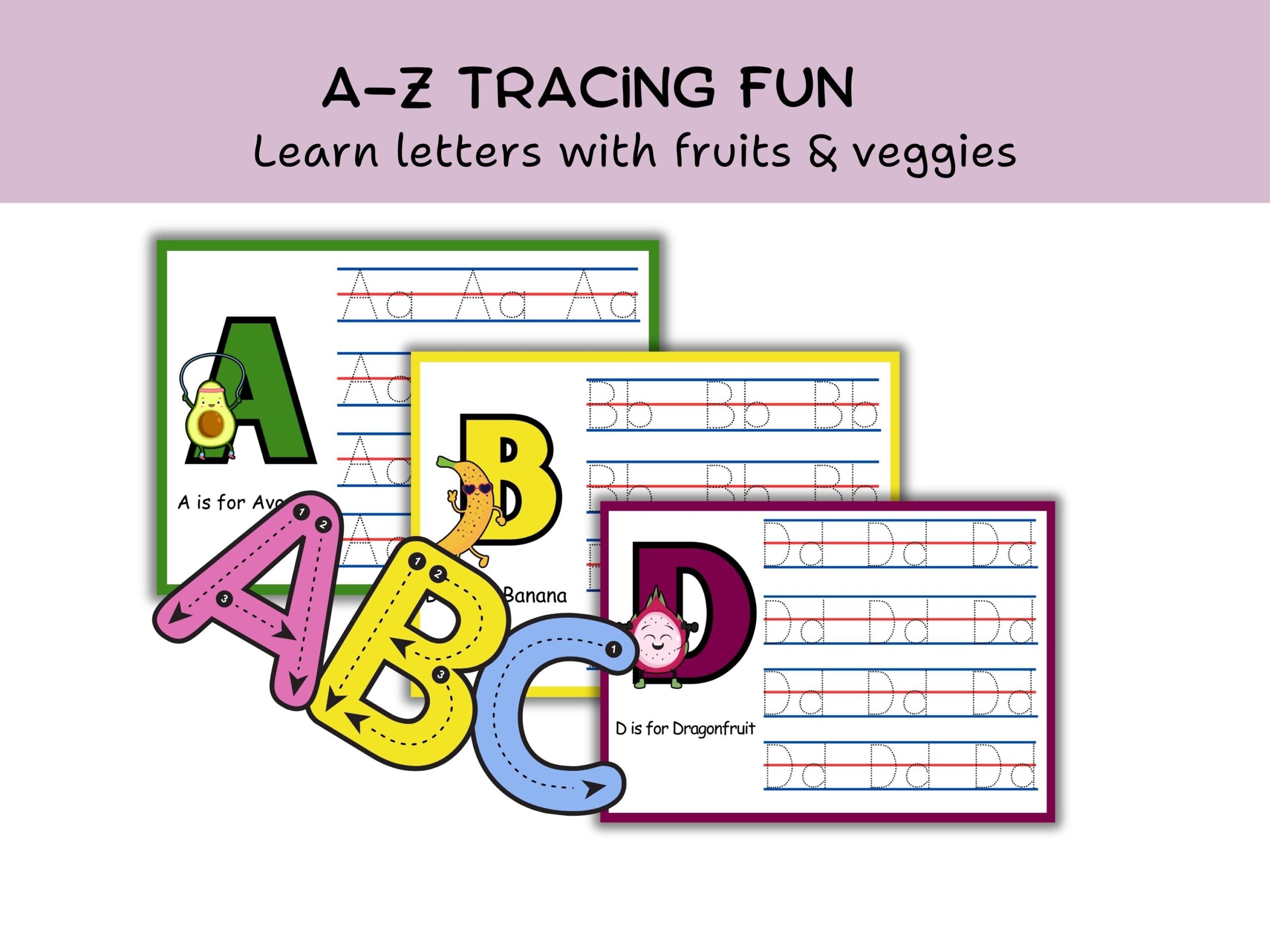
The Free Uppercase Alphabet Tracing Worksheets Vegetable Theme provides a delightful way for young learners to practice their writing skills. This resource features vegetable-themed illustrations alongside the uppercase letters, making the learning process engaging and visually appealing. These worksheets are perfect for preschool and early elementary students, typically ranging from ages 4 to 7. They can be easily downloaded and printed, ready for immediate classroom or home use.
Understanding the Importance of Tracing Worksheets
Tracing worksheets are effective tools for developing fine motor skills and letter recognition. They help children learn the shape and structure of each letter while improving their handwriting. The vegetable theme adds an element of fun, encouraging children to connect letters with familiar foods, enhancing their interest in both literacy and nutrition. This dual focus makes these worksheets not just tools for writing but also gateways to broader learning experiences.
Why Choose a Vegetable Theme?
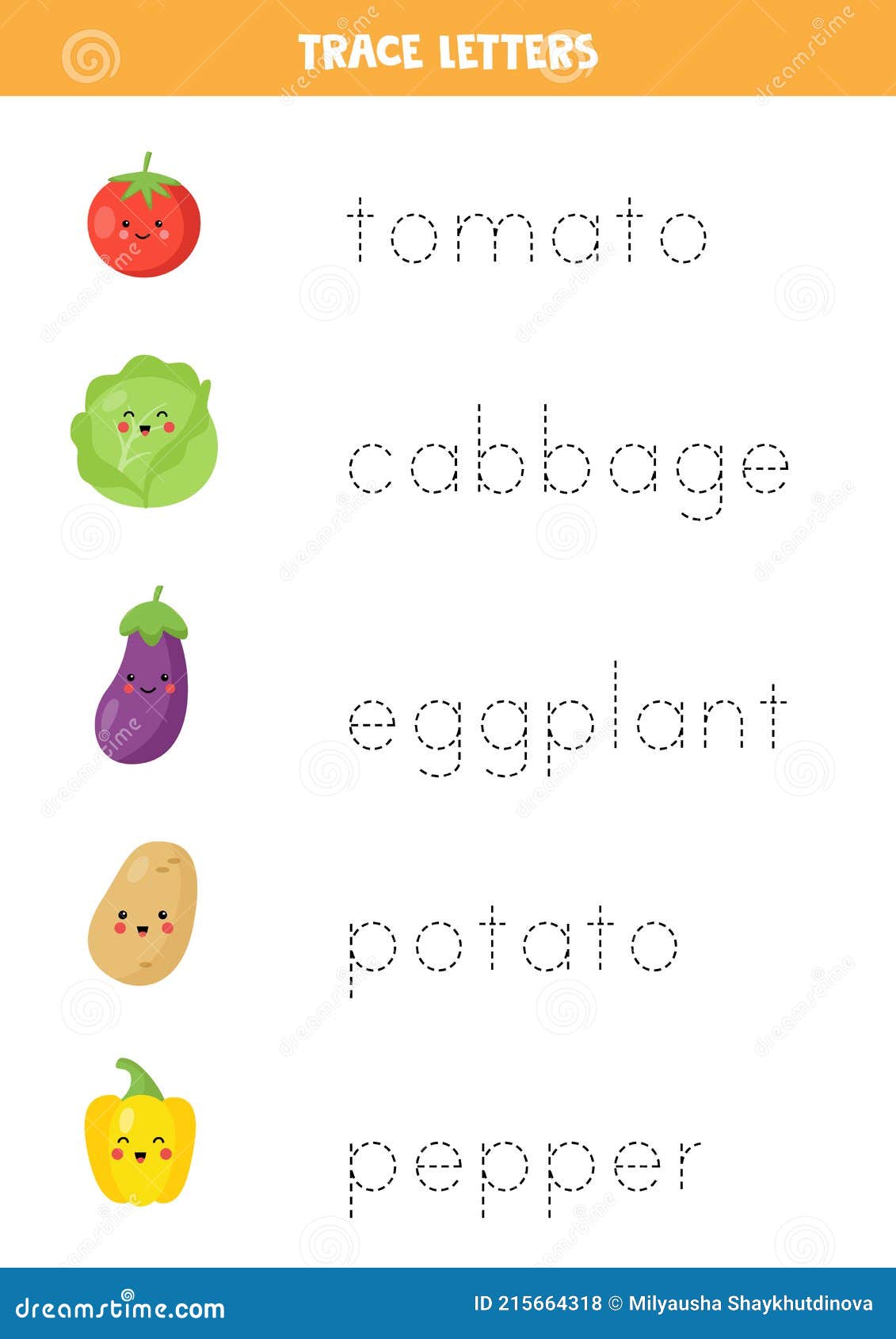
Incorporating a vegetable theme into your tracing worksheets offers several benefits:
- Engagement: Kids often relate better to themes that include colorful and recognizable images. Vegetables are not only healthy but also visually appealing.
- Educational Opportunities: You can discuss the importance of vegetables in a healthy diet while practicing letters, making it a cross-curricular activity.
- Visual Stimuli: Bright illustrations can capture a child’s attention, making the learning experience more enjoyable.
How to Use the Worksheets Effectively
Using the Free Uppercase Alphabet Tracing Worksheets Vegetable Theme is straightforward. Here’s a step-by-step guide to ensure your students or children benefit fully from these resources.
Step 1: Download and Print
Start by downloading the worksheets from the provided link. They are usually available in PDF format, which is ideal for printing. When preparing to print:
- Use standard letter size (8.5 x 11 inches) for easy handling.
- Consider printing on cardstock for durability, especially if the worksheets will be used multiple times.
- Adjust your printer settings to ensure high-quality prints; a portrait layout typically works best for worksheets.
Step 2: Prepare the Learning Environment
Set up a clean, distraction-free area where kids can focus on their writing. Have the necessary supplies ready, such as:
- Pencils or crayons for tracing.
- Erasers for correcting mistakes.
- A clipboard or hard surface for comfortable writing if using loose sheets.
Step 3: Introduce the Worksheets
Begin by introducing the alphabet and the vegetable theme. You might say something like, “Today, we’re going to trace letters while learning about some yummy vegetables!” Show them a few examples of the vegetables illustrated on the worksheets to spark interest.
Step 4: Guide the Tracing Process
As children begin tracing, offer guidance on proper pencil grip and the right amount of pressure to apply. Encourage them to say the letter name and sound aloud as they trace. For example, while tracing the letter “C,” they can say, “C is for carrot!” This reinforces letter recognition and phonics skills.
Step 5: Review and Reinforce
After completing the worksheets, take time to review what they learned. Ask questions like:
- “What letter did we trace today?”
- “Can you name a vegetable that starts with that letter?”
This review solidifies their understanding and encourages them to relate the letters to real-world concepts.
Managing Worksheets in a Classroom Setting
If you’re using these worksheets in a classroom with multiple students, consider these strategies for effective management:
- Bulk Printing: Print several copies of the worksheets ahead of time, so each student has their own. This will save time during your lesson.
- Organized Distribution: Use folders or bins to keep the worksheets organized by letter or theme. This makes it easy to find the right resource when needed.
- Answer Keys: While tracing worksheets do not typically require grading, consider creating a simple answer key for your reference. This can help you quickly check if students are tracing correctly.
Extending the Learning Experience
These worksheets can be the starting point for further activities. Here are some ideas to extend the learning experience:
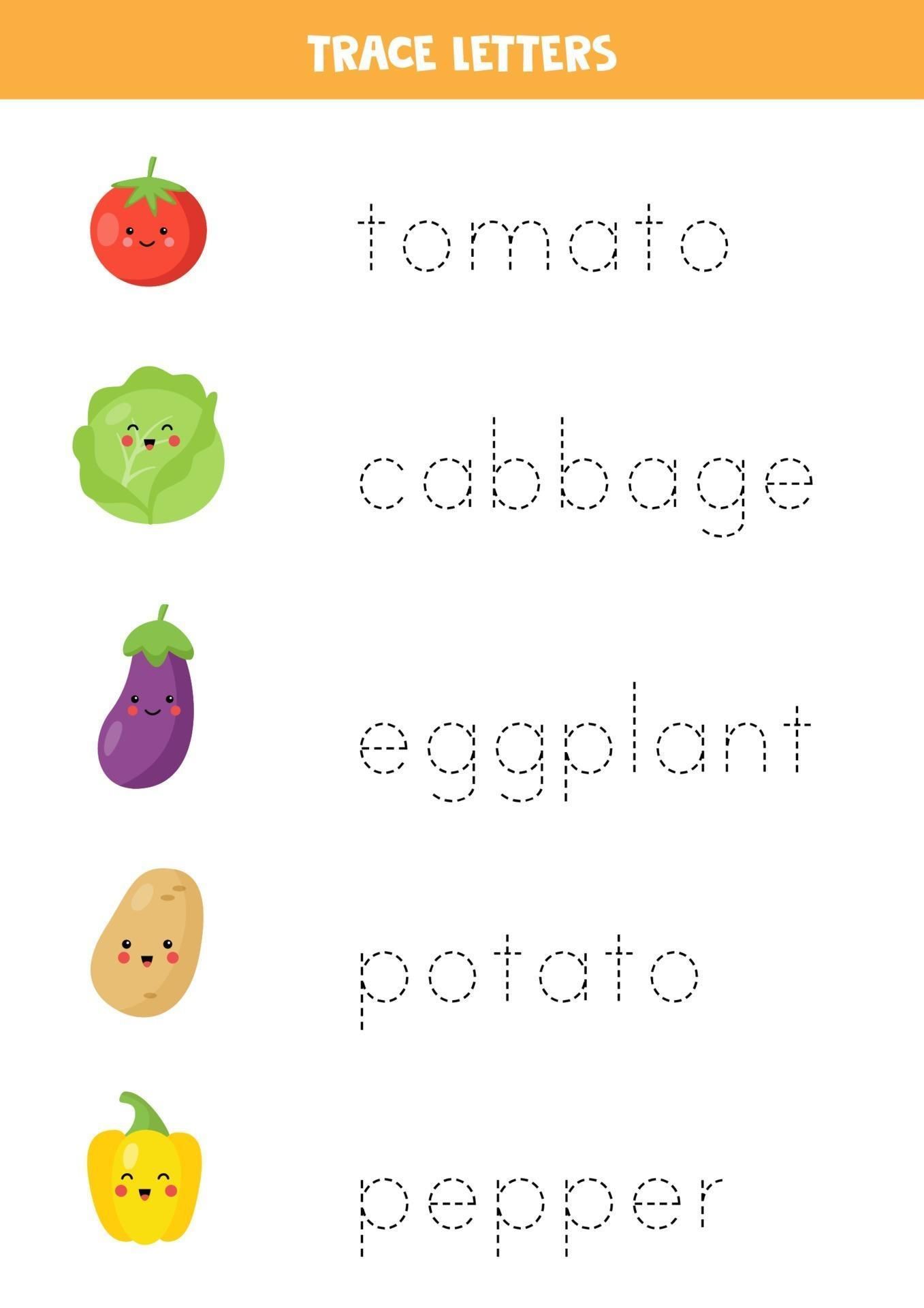
- Coloring: After tracing, allow students to color the vegetable illustrations. This reinforces their learning while adding a creative element.
- Cooking Activity: If feasible, consider a cooking activity where students can create a simple dish using the vegetables they learned about. This could be a salad or vegetable sticks, promoting healthy eating habits.
- Story Time: Read a story that features vegetables or letters to tie in literacy with the theme. This can stimulate discussion and reinforce what they have learned through the worksheets.
The Free Uppercase Alphabet Tracing Worksheets Vegetable Theme not only assists children in developing their writing skills but also enriches their learning experience with engaging visuals and relevant themes. By following these steps and tips, you can create an effective and enjoyable learning environment that fosters a love for letters and healthy eating habits.
One detail worth emphasizing is the flexibility of these worksheets; they can be used not only for tracing but also as a basis for a variety of creative activities that link literacy and nutrition in meaningful ways.