
In a cozy classroom corner, Ms. Thompson watches as her kindergarten students eagerly gather around their tables, ready to practice their letters. Today, she’s excited to introduce Free Uppercase Alphabet Tracing Worksheets, a resource that will engage her young learners while helping them develop essential handwriting skills. These worksheets are not only educational but also fun, making them perfect for a variety of learning environments, including classrooms and homes.
Understanding the Importance of Tracing Worksheets
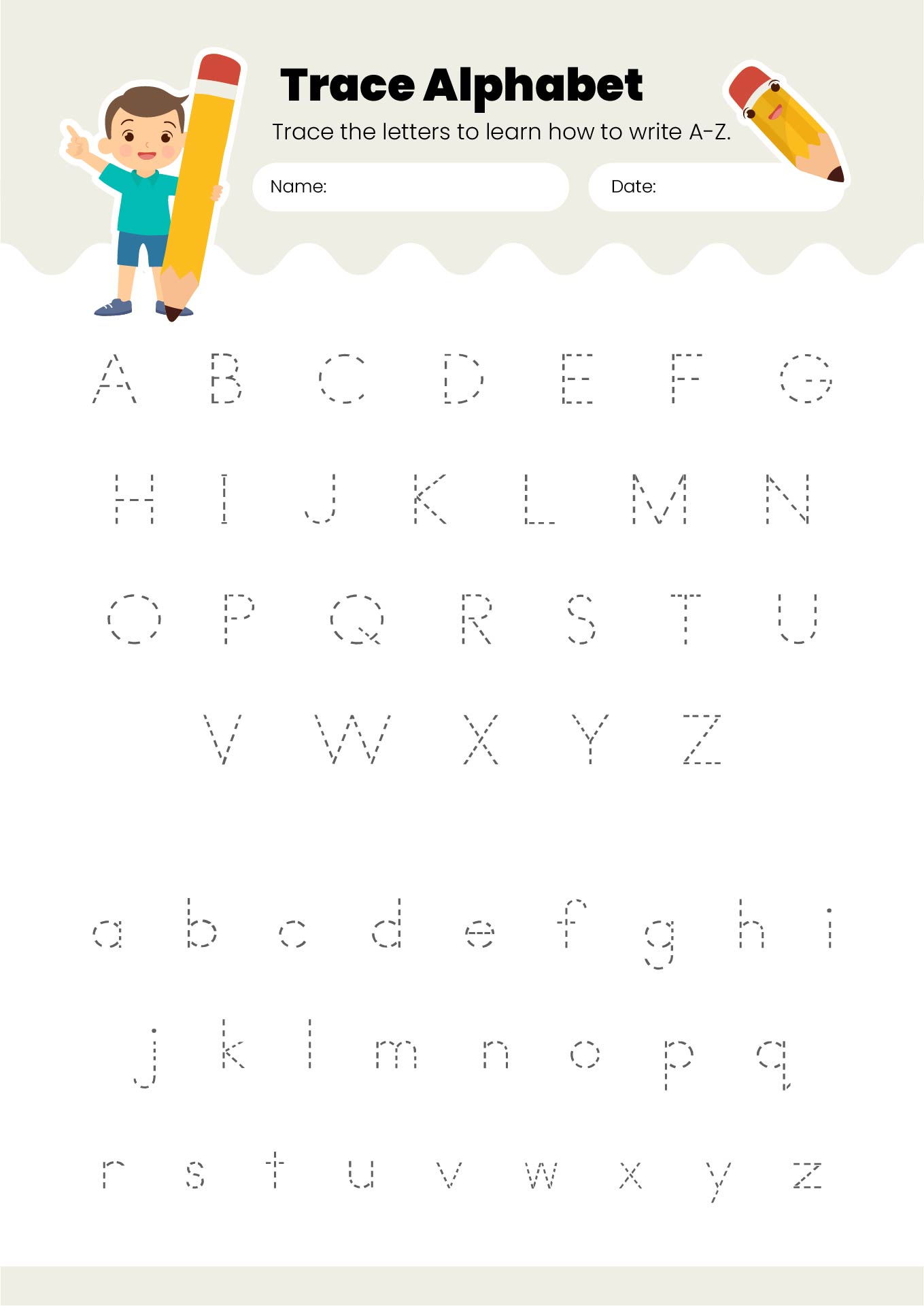
Tracing worksheets play a crucial role in early literacy development. For young children, mastering uppercase letters is a fundamental step in learning to read and write. These worksheets allow kids to practice letter formation in a structured way, reinforcing muscle memory and improving handwriting. Additionally, tracing can boost a child’s confidence as they see their progress with each completed worksheet.
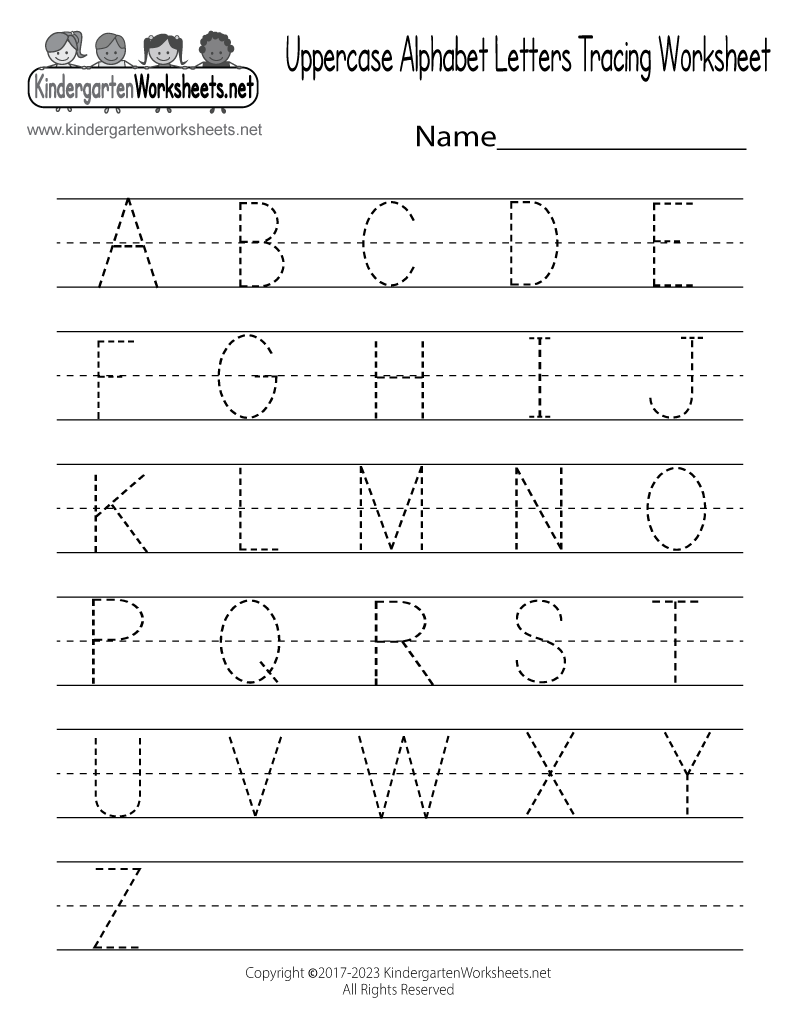
When using Free Uppercase Alphabet Tracing Worksheets, students are encouraged to follow the dotted lines of each letter, which helps them learn the correct formation, size, and spacing of letters. This method of learning engages both visual and tactile senses, making it more effective for young learners.
How to Use the Free Uppercase Alphabet Tracing Worksheets
You can easily incorporate these worksheets into your teaching routine, whether you’re in a classroom setting or at home. Here’s a step-by-step guide on how to effectively use these resources:
- Download and Print: Begin by downloading the Free Uppercase Alphabet Tracing Worksheets from a reliable printable-resource website. Use standard A4 or letter-sized paper for printing, as these sizes are most compatible with home and classroom printers. If you want the worksheets to last longer, consider printing them on cardstock.
- Gather Supplies: You’ll need a few basic supplies. Provide your students with pencils or crayons for tracing. If you plan to reuse the worksheets, laminating them and using dry-erase markers can be a great option. This allows for repeated practice without wasting paper.
- Introduce the Worksheets: Sit with your students and explain the purpose of the worksheets. Show them how to hold their writing tools correctly and how to trace the letters. Emphasize the importance of starting at the designated starting point and following the dotted lines carefully.
- Independent Practice: After your demonstration, let the students work independently. Encourage them to take their time and focus on each letter. If they make a mistake, remind them that practice makes perfect, and they can simply try again.
- Review and Feedback: Once the students have completed the worksheets, gather them for a review session. Go over the letters together, praising their efforts and offering constructive feedback. This reinforces learning and motivates them to keep practicing.
Tips for Maximizing Learning With Tracing Worksheets
To ensure that you are getting the most out of the Free Uppercase Alphabet Tracing Worksheets, consider these helpful tips:
- Incorporate Other Activities: Use the tracing worksheets in conjunction with other literacy activities. For example, after tracing, have students practice writing the letters on blank paper or using letter blocks to form words.
- Create a Learning Routine: Establish a consistent routine for using the worksheets. Set aside a specific time each day or week dedicated to letter practice. This structure helps students anticipate their learning and builds a habit.
- Use in Small Groups: If you’re in a classroom, consider working with students in small groups. This allows for more personalized attention and the opportunity for peer learning. Students can share tips and encourage each other as they practice.
- Incorporate Art: To make the learning experience even more engaging, encourage students to decorate their completed worksheets. They can color the letters or draw pictures that start with each letter, reinforcing the connection between letters and sounds.
Adapting Worksheets for Different Learning Styles
Every child learns differently, and it’s essential to adapt your teaching methods to accommodate various learning styles. Here are some ideas on how to modify the Free Uppercase Alphabet Tracing Worksheets for diverse learners:
- Visual Learners: For students who are visual learners, consider using colored pencils or markers to trace the letters. This can help them remember the shapes better. You can also incorporate visual aids, such as alphabet charts, to provide additional context.
- Kinesthetic Learners: For those who learn best through movement, incorporate activities that involve physical engagement. Have students trace letters in sand, with finger paint, or using their bodies (e.g., making letter shapes with their arms).
- Auditory Learners: Engage auditory learners by incorporating songs or chants about the alphabet. As they trace each letter, they can sing the corresponding letter sound, reinforcing their learning through auditory means.
Encouraging Consistent Practice
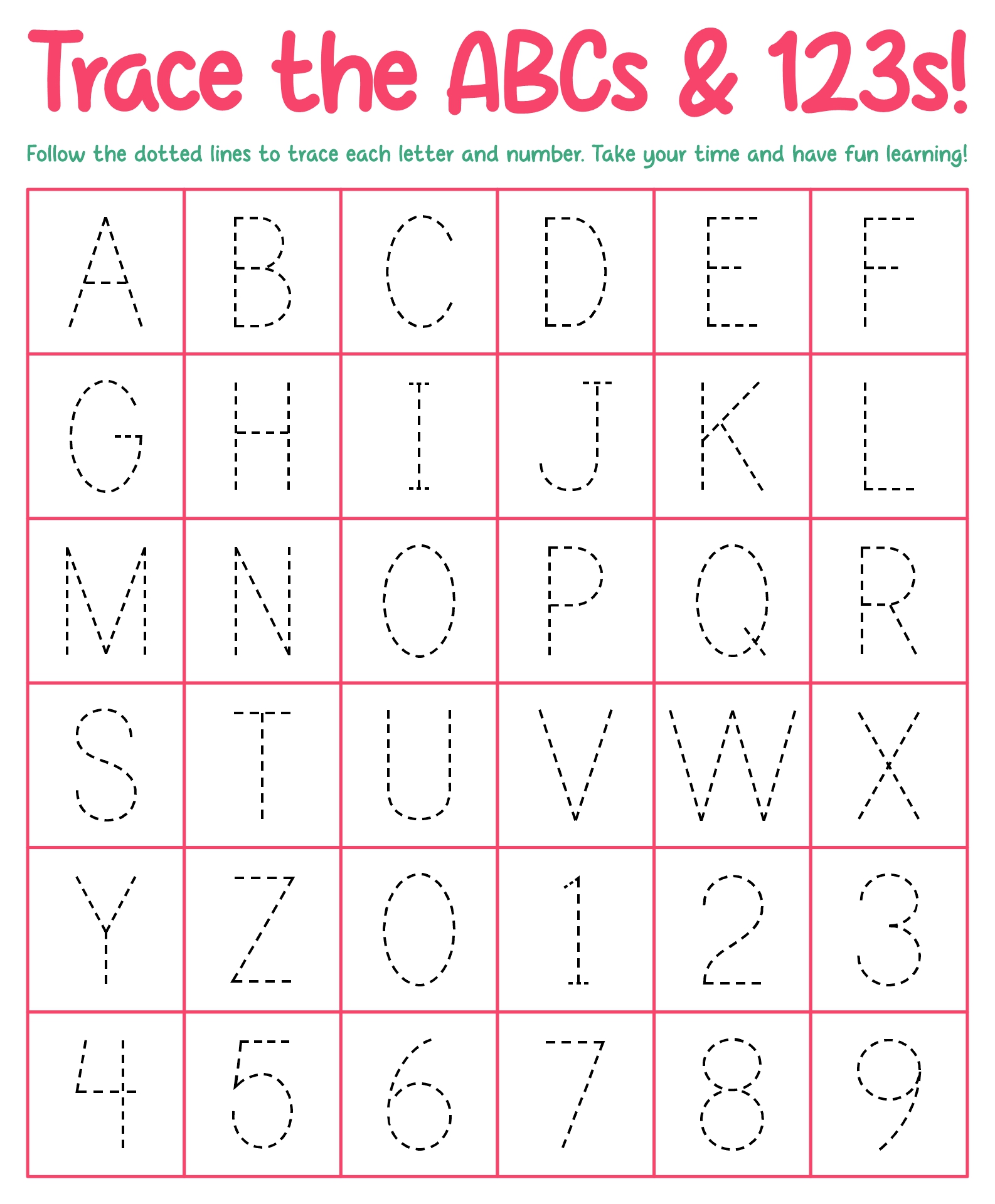
To help young learners develop strong handwriting skills, consistent practice is key. Here are two effective strategies to encourage regular use of the Free Uppercase Alphabet Tracing Worksheets:
- Homework Assignments: Send worksheets home as part of a homework assignment. This not only reinforces what they’ve learned in class but also involves parents in their child’s education. Provide instructions for parents on how to assist their children effectively.
- Progress Tracking: Create a simple tracking system where students can see their improvement over time. For example, you can create a chart where they can mark off each letter they’ve mastered. This visual representation of progress can motivate students to keep practicing.
By integrating these worksheets into your teaching routine and adapting them to meet the needs of your students, you’ll create a fun and effective learning environment. The Free Uppercase Alphabet Tracing Worksheets are an excellent resource for enhancing letter recognition and handwriting skills. With a little creativity and consistency, you’ll help your students build a solid foundation for their literacy journey.