
Free Alphabet Practice A-Z Letter Worksheets offer a unique and hands-on approach to teaching children the alphabet. Unlike many generic printables, these worksheets are structured to facilitate not only letter recognition but also the development of writing skills. They are perfect for preschool and early elementary students, helping them transition from merely recognizing letters to forming them confidently.
Understanding the Layout of the Worksheets
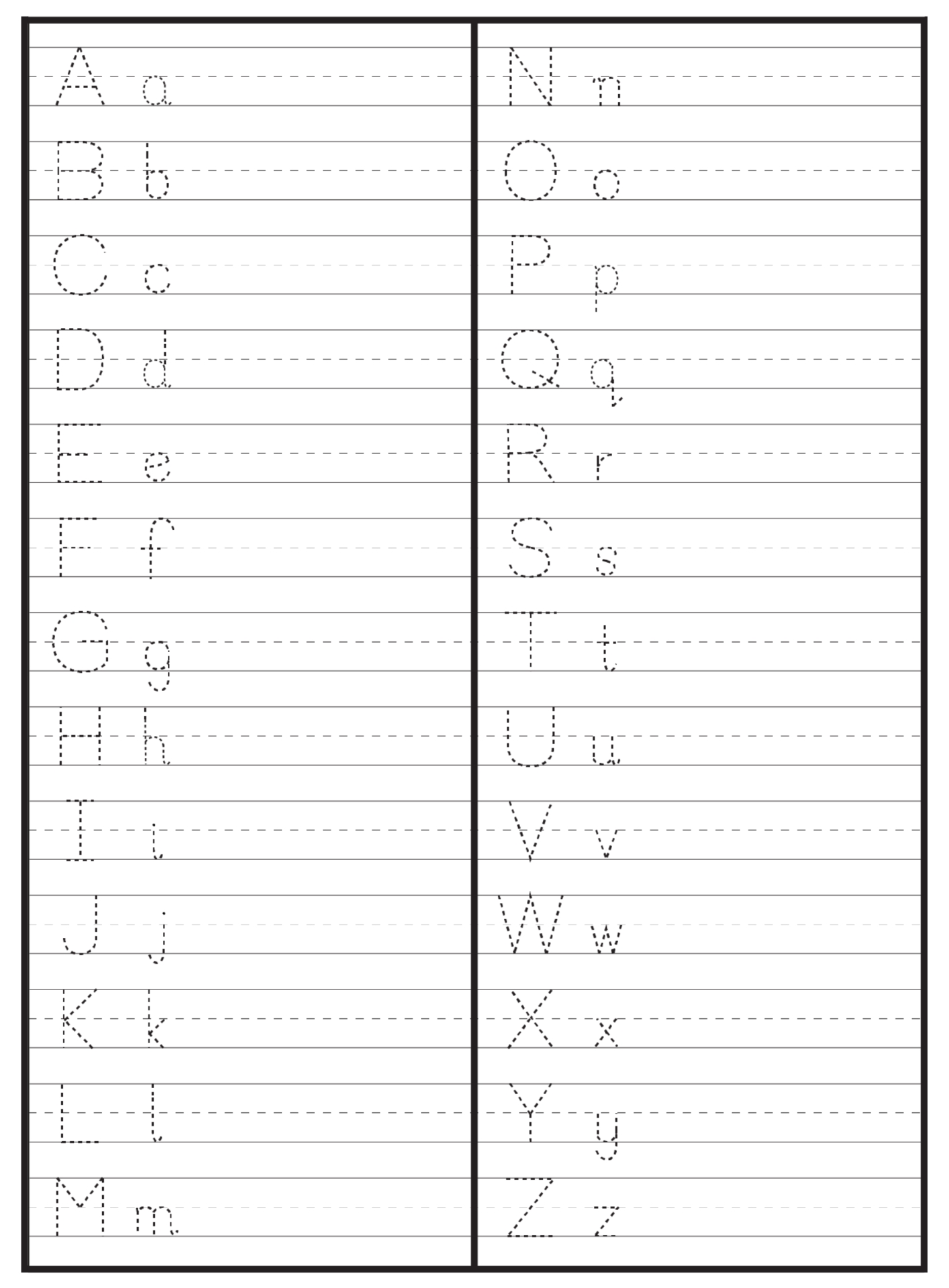
These worksheets are designed with clarity and usability in mind. Each page typically features a large letter at the top, both in uppercase and lowercase, accompanied by images of objects that start with that letter. This visual aid is crucial; it helps children make connections between the letter and its phonetic sound.
The layout often includes several lines for practice. These lines are spaced appropriately to allow young learners enough room to write without feeling cramped. You’ll find that the design encourages proper letter formation, making these worksheets suitable for children aged 3 to 7, or those just starting their literacy journey.
Features of the Free Alphabet Practice A-Z Letter Worksheets
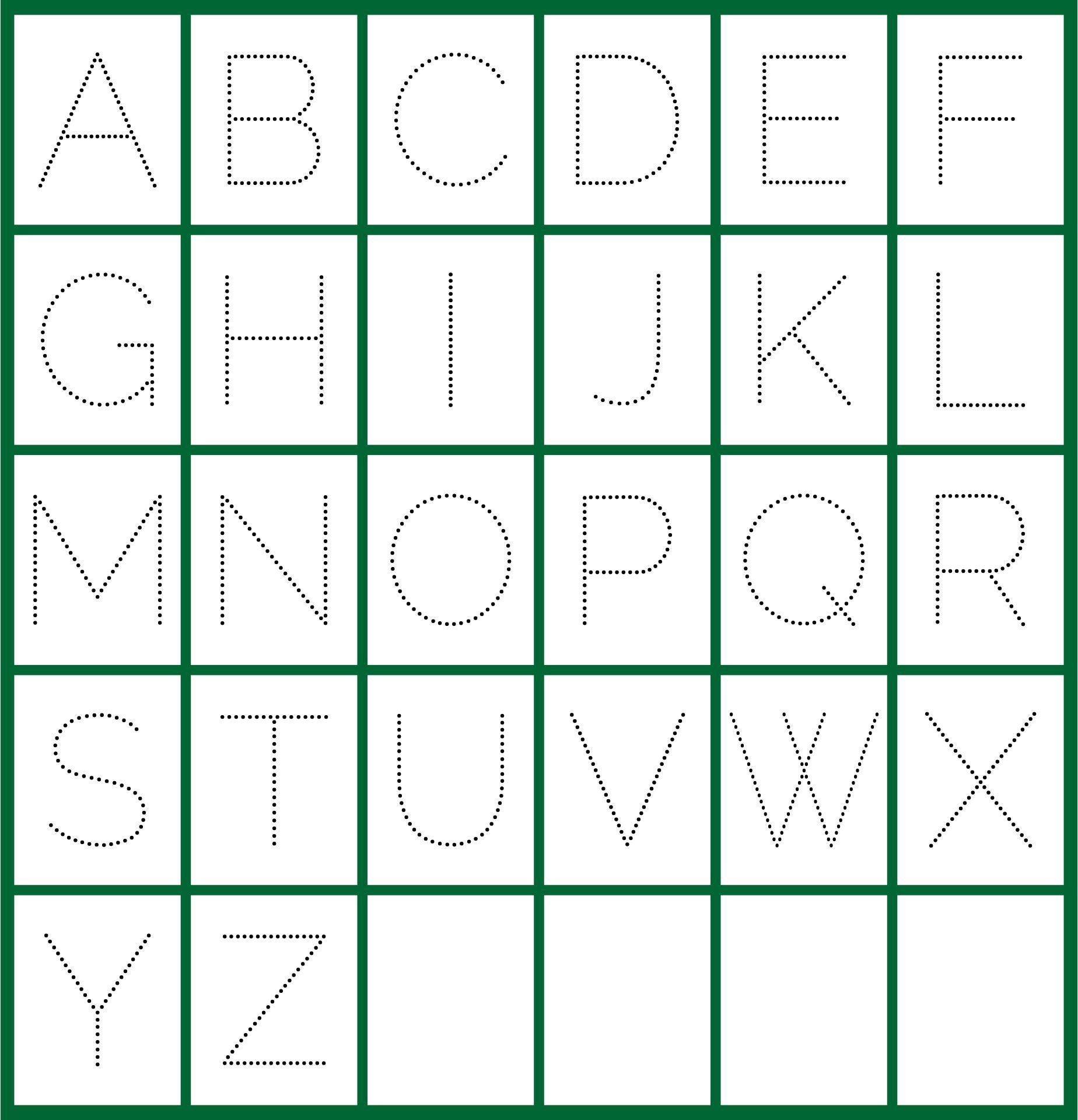
One of the key features of these worksheets is their interactive nature. Each worksheet typically prompts children to trace the letter, write it independently, and then associate it with a relevant image. For example, the letter ‘A’ might be paired with an apple, encouraging not just writing but also vocabulary development.
Interactive Elements
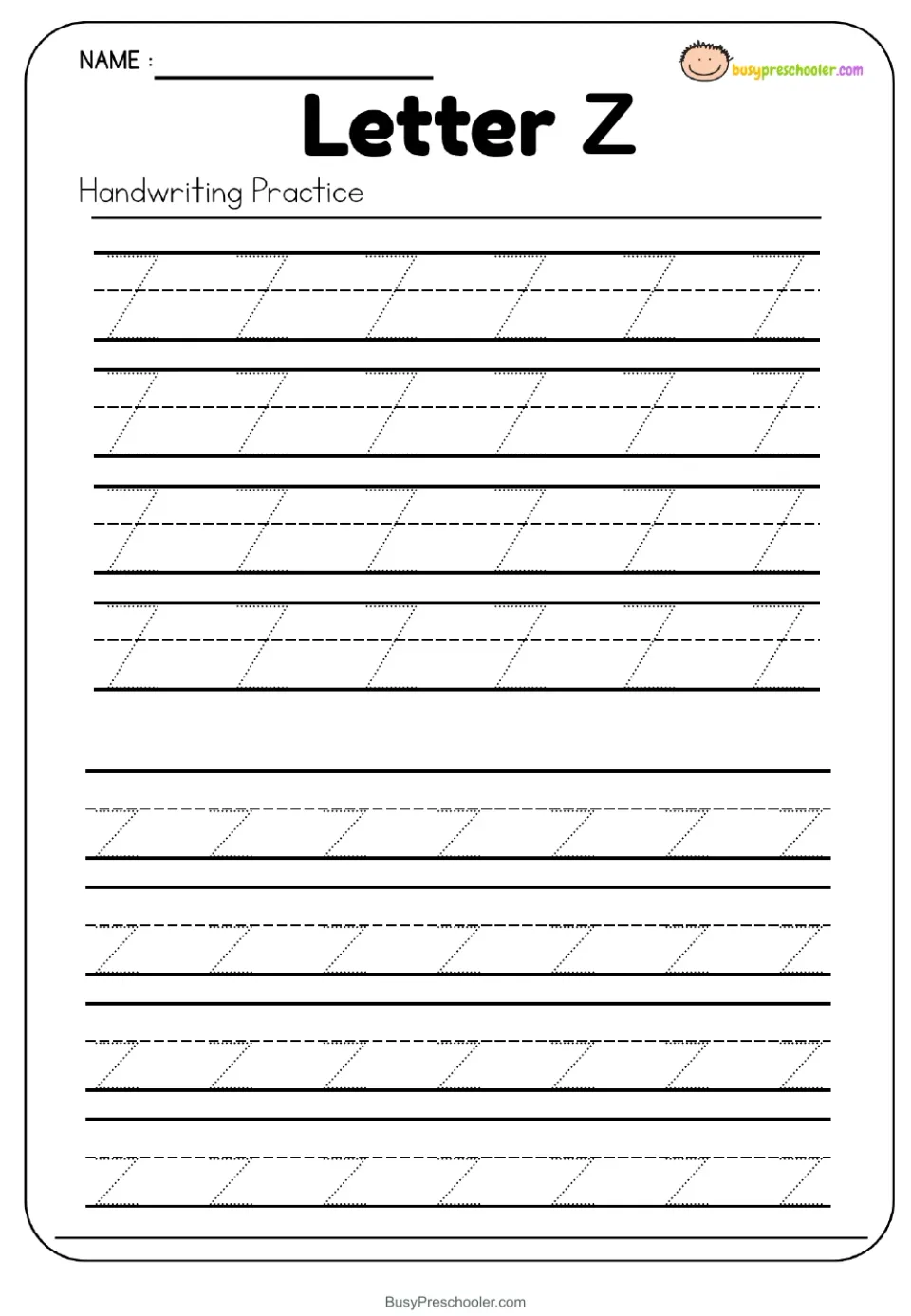
- Tracing: Children trace the letter to build muscle memory.
- Independent Writing: After tracing, they write the letter on their own, reinforcing their learning.
- Visual Association: Each worksheet includes images that begin with the letter, aiding in phonetic awareness.
This interactive approach helps assess a child’s understanding of the letter’s sound and shape. You can easily identify if a child is struggling with a specific letter based on their tracing and writing quality.
Practical Uses in the Classroom and at Home
These worksheets are versatile. In the classroom, they can be used during literacy centers, incorporated into lesson plans, or sent home for extra practice. For parents, they provide a structured way to engage children in learning at home, reinforcing what they learn in school.
When using these worksheets, consider these practical tips:
- Print Quality: Use a good quality printer to ensure that the letters are clear and easy to read.
- Paper Type: Cardstock is a great choice for durability, especially if you plan to laminate them for repeated use.
- Age Appropriateness: Tailor the worksheets to suit the child’s developmental level. For younger children, focus on tracing; for older ones, encourage independent writing.
Monitoring Progress and Mastery
As you use these Free Alphabet Practice A-Z Letter Worksheets, monitoring progress is crucial. Look for several indicators of mastery:
- Correct Formation: Are the letters formed correctly? This indicates that the child is developing fine motor skills.
- Consistency: Check if the child can write the letter without tracing over time. Consistency shows understanding.
- Speed: Notice how quickly they can write the letters. Increased speed often signifies confidence and familiarity.
These indicators will help you gauge whether a child needs more practice with specific letters or if they are ready to move on to the next stage of literacy.
Additional Resources and Variations
To complement these worksheets, consider incorporating various activities that reinforce alphabet learning. Here are a few ideas:
- Alphabet Games: Use letter flashcards or online games to make learning more engaging.
- Craft Activities: Create crafts that incorporate the letters. For instance, making an “A” out of construction paper and decorating it with apples reinforces letter recognition through creativity.
- Story Time: Reading books that focus on the alphabet can enhance understanding and phonetic awareness.
These additional resources further enrich the learning experience, making it more enjoyable for children.
By utilizing the Free Alphabet Practice A-Z Letter Worksheets alongside these strategies, you’re setting your students or children up for successful literacy development. The combination of structured practice and engaging activities creates a well-rounded approach to mastering the alphabet.
The most useful detail to remember is that integrating visual aids with writing practice can significantly enhance a child’s understanding of letters. This visual connection is essential for their phonetic learning journey.