
First Grade Alphabet Worksheets For Grade 1 are essential tools for helping young learners master the alphabet. These worksheets offer a variety of engaging activities designed to reinforce letter recognition, phonics, and writing skills. By utilizing structured practice, teachers can effectively support their students’ literacy development in a fun and interactive way.
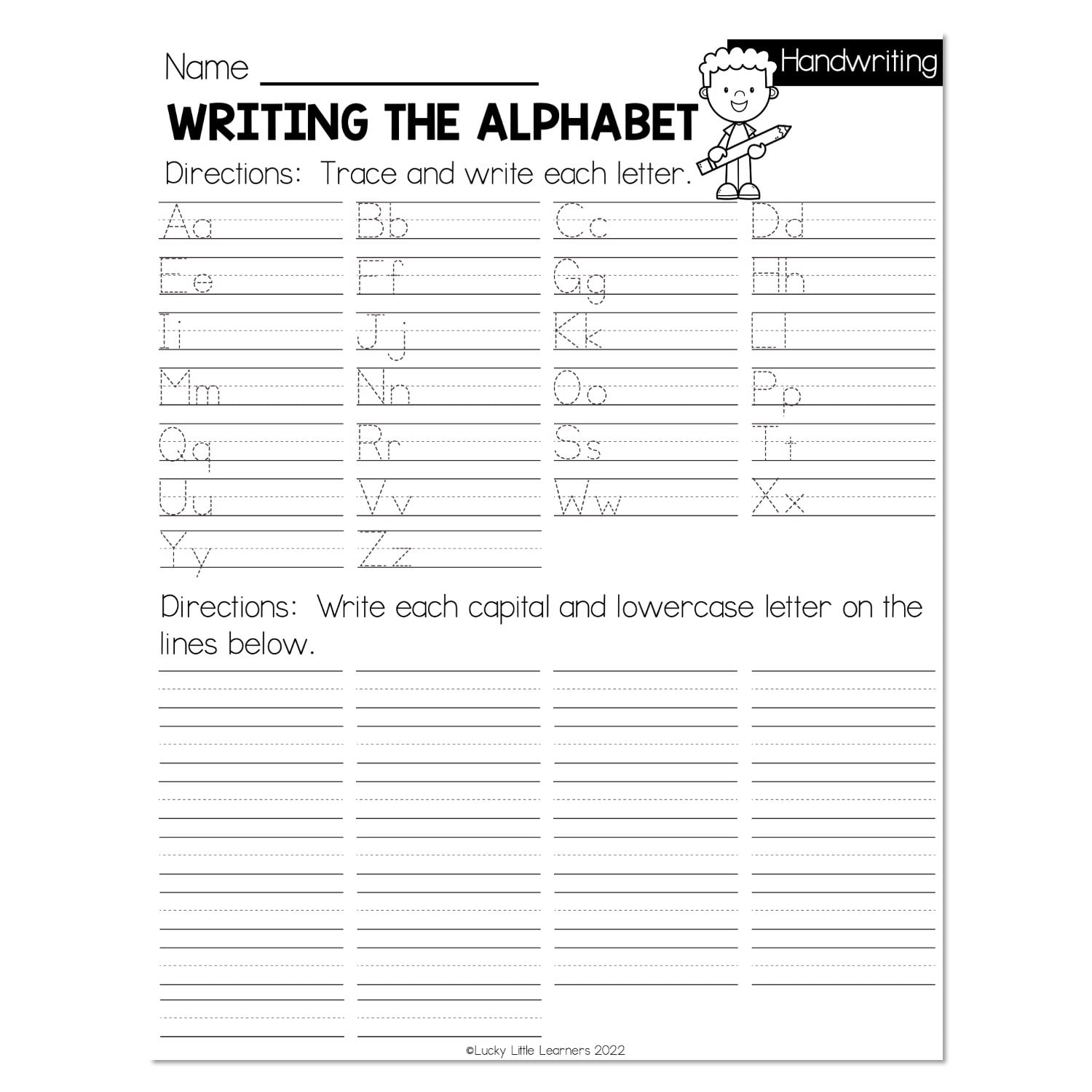
Understanding the Structure of Alphabet Worksheets
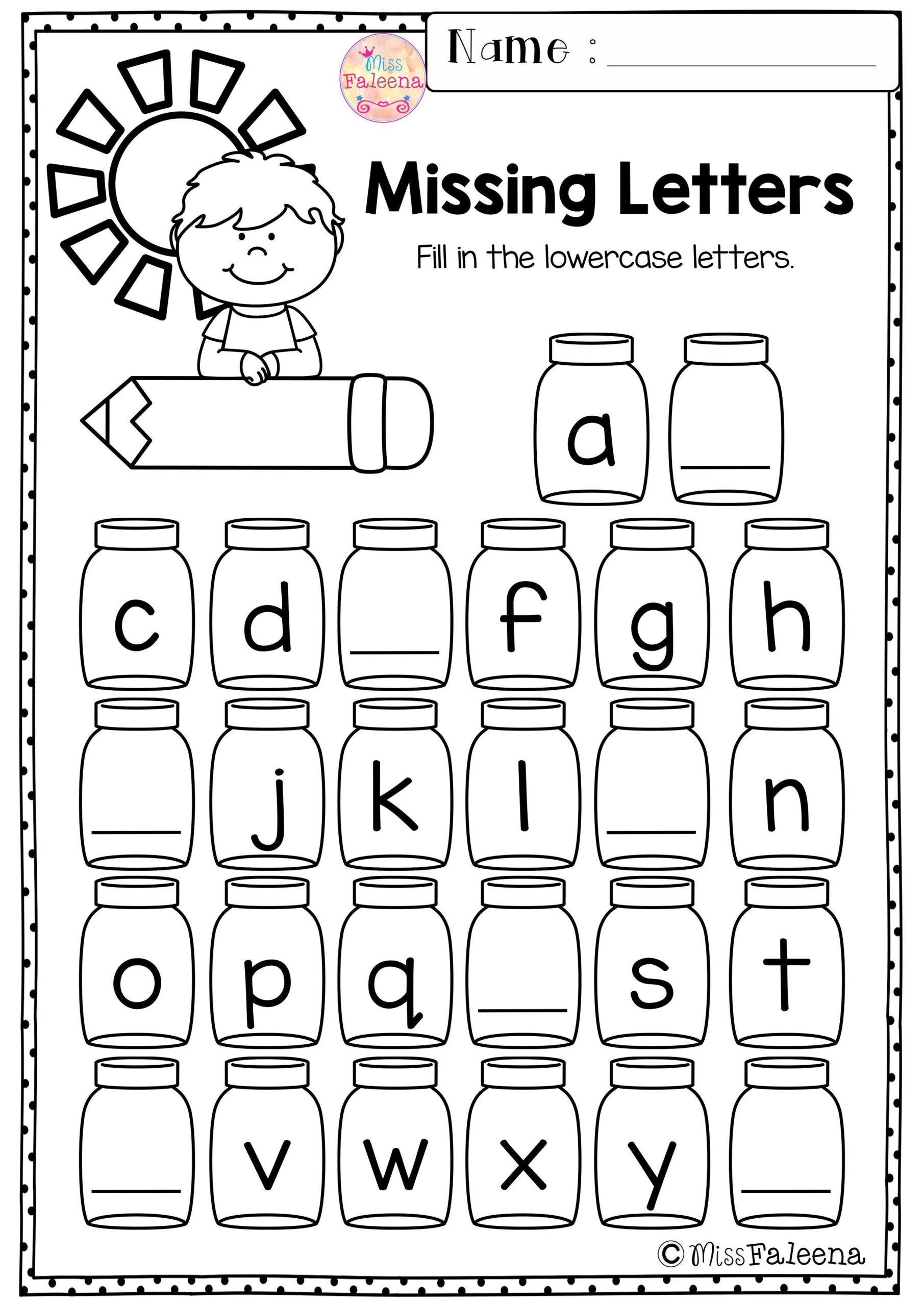
The layout of First Grade Alphabet Worksheets For Grade 1 typically consists of several key sections that facilitate learning. Most worksheets include the following components:
- Letter Identification: Worksheets often feature both uppercase and lowercase letters, allowing students to practice recognizing different forms of each letter.
- Tracing Activities: These sections provide dotted letters for children to trace, aiding in the development of fine motor skills and handwriting.
- Coloring Sections: Incorporating fun illustrations related to each letter encourages creativity while reinforcing letter sounds.
- Matching Exercises: Students might be asked to match letters with corresponding images or words, which helps in associating letters with sounds.
These components work together to create a comprehensive learning experience. By breaking down the activities, teachers can assign specific tasks focused on different aspects of letter recognition throughout the week.
Daily Practice and Repetition
One of the most effective strategies for teaching letters is through repetition. First Grade Alphabet Worksheets allow for spaced practice, which is crucial for retention. Here’s how you can structure a week of learning:
- Day 1: Focus on letter recognition. Use worksheets that highlight a specific letter, asking students to identify it in various contexts.
- Day 2: Tracing. Provide worksheets with tracing exercises for the same letter, reinforcing proper letter formation.
- Day 3: Coloring. Introduce a worksheet that requires students to color pictures that start with the target letter, helping them connect visual recognition with phonetics.
- Day 4: Review. Use a mix of previous worksheets to assess understanding and retention.
- Day 5: Application. Encourage students to create their own sentences or stories using words that start with the letter of the week.
This structured approach not only aids in mastery but also keeps students engaged throughout the week.
Printable Formats for Easy Use
When it comes to First Grade Alphabet Worksheets For Grade 1, printable formats are widely available and can be adapted for various classroom settings. PDFs are the most common format, as they preserve the layout and design, ensuring that printed worksheets look as intended. Here are some practical tips for using printable worksheets effectively:
- Paper Size: Standard letter size (8.5 x 11 inches) is best for most home printers. Portrait orientation typically works better for worksheets, allowing for more vertical space for activities.
- Print Settings: Ensure your printer is set to print in high quality to maintain clarity, especially for tracing and coloring sections.
- Use of Cardstock: If you plan to laminate worksheets for durability, consider using cardstock. It holds up better over time and withstands frequent handling.
By preparing these resources in advance, you can easily integrate them into your lesson plans without additional stress.
Engaging Activities Beyond Worksheets
While worksheets are a great way to practice alphabet skills, integrating other activities can enhance the learning experience. Here are some ideas:
- Alphabet Games: Incorporate games like “I Spy” where students identify objects that start with a specific letter.
- Story Time: Read books that focus on the alphabet, encouraging children to listen for the letters they are learning about.
- Hands-On Activities: Use letter blocks or magnetic letters to allow children to build words and practice letter sounds in a tactile manner.
These activities complement the structured practice found in worksheets, creating a holistic approach to literacy education.
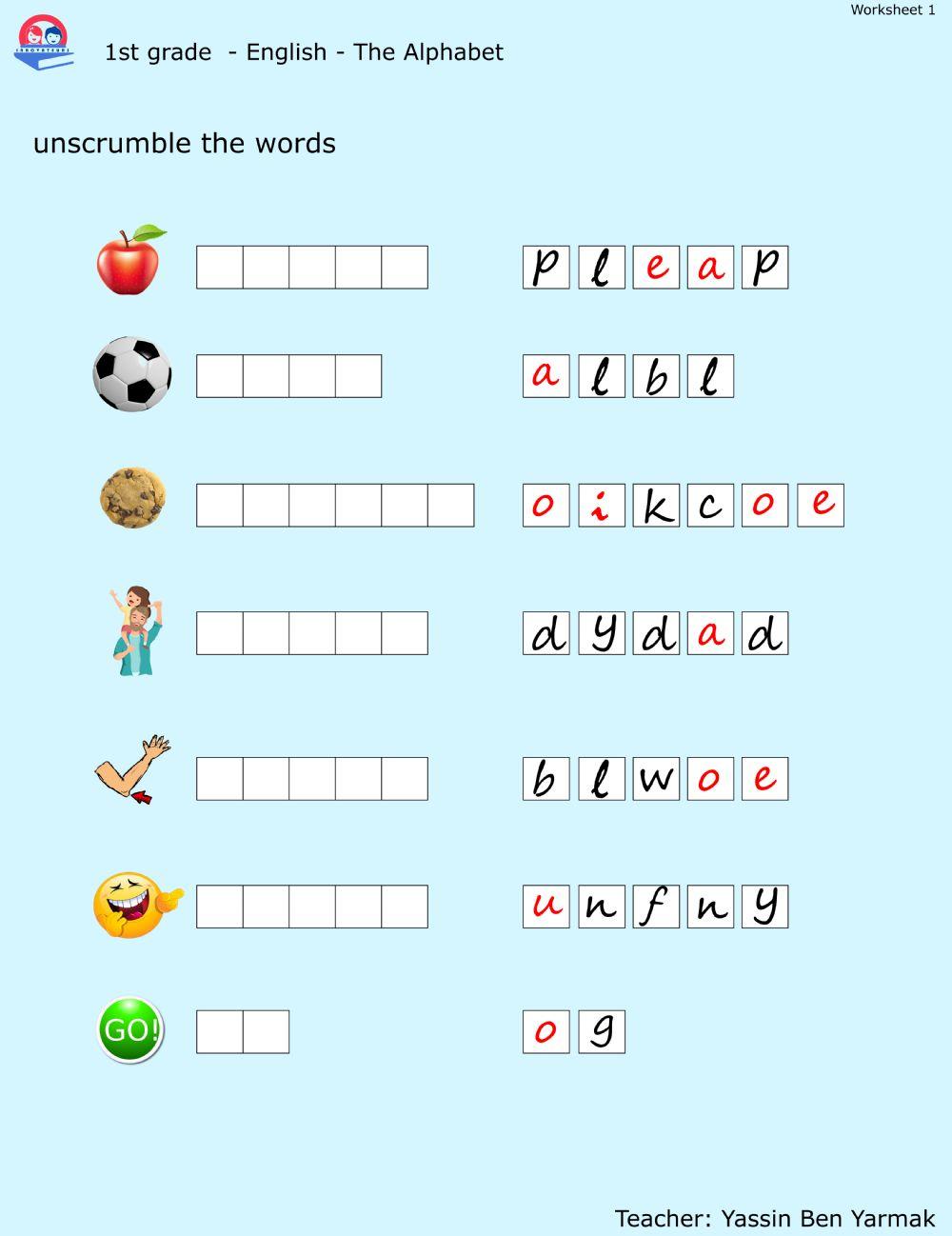
Tracking Progress and Assessment
To measure the effectiveness of First Grade Alphabet Worksheets For Grade 1, consider implementing simple assessment techniques. Regularly reviewing completed worksheets can help you gauge each student’s understanding and retention of letter recognition and writing skills. Here’s how to effectively track progress:
- Create a Checklist: Maintain a checklist of letters covered and the corresponding activities completed by each student.
- Use Anecdotal Notes: Keep notes on students’ performance during activities, highlighting areas where they excel or may need additional support.
- Feedback Sessions: Conduct brief one-on-one sessions with students to discuss their worksheets, providing personalized feedback and encouragement.
These strategies not only help in understanding each child’s progress but also allow you to tailor further instruction based on their needs.
By using First Grade Alphabet Worksheets For Grade 1 effectively within a structured plan, you can create a dynamic learning environment that fosters literacy skills in young learners. Whether in a classroom or at home, these resources serve as a foundation for developing strong reading and writing abilities. You’ll find that combining worksheets with engaging activities leads to a well-rounded approach that keeps kids motivated and eager to learn.