
Understanding the nuances of teaching the alphabet is crucial for young learners. The Fill In Missing Alphabet Letters Worksheet Free stands out as an effective resource for reinforcing letter recognition and phonemic awareness. This worksheet not only provides practice but also engages children in a fun way that supports their literacy development.
What Is the Fill In Missing Alphabet Letters Worksheet?
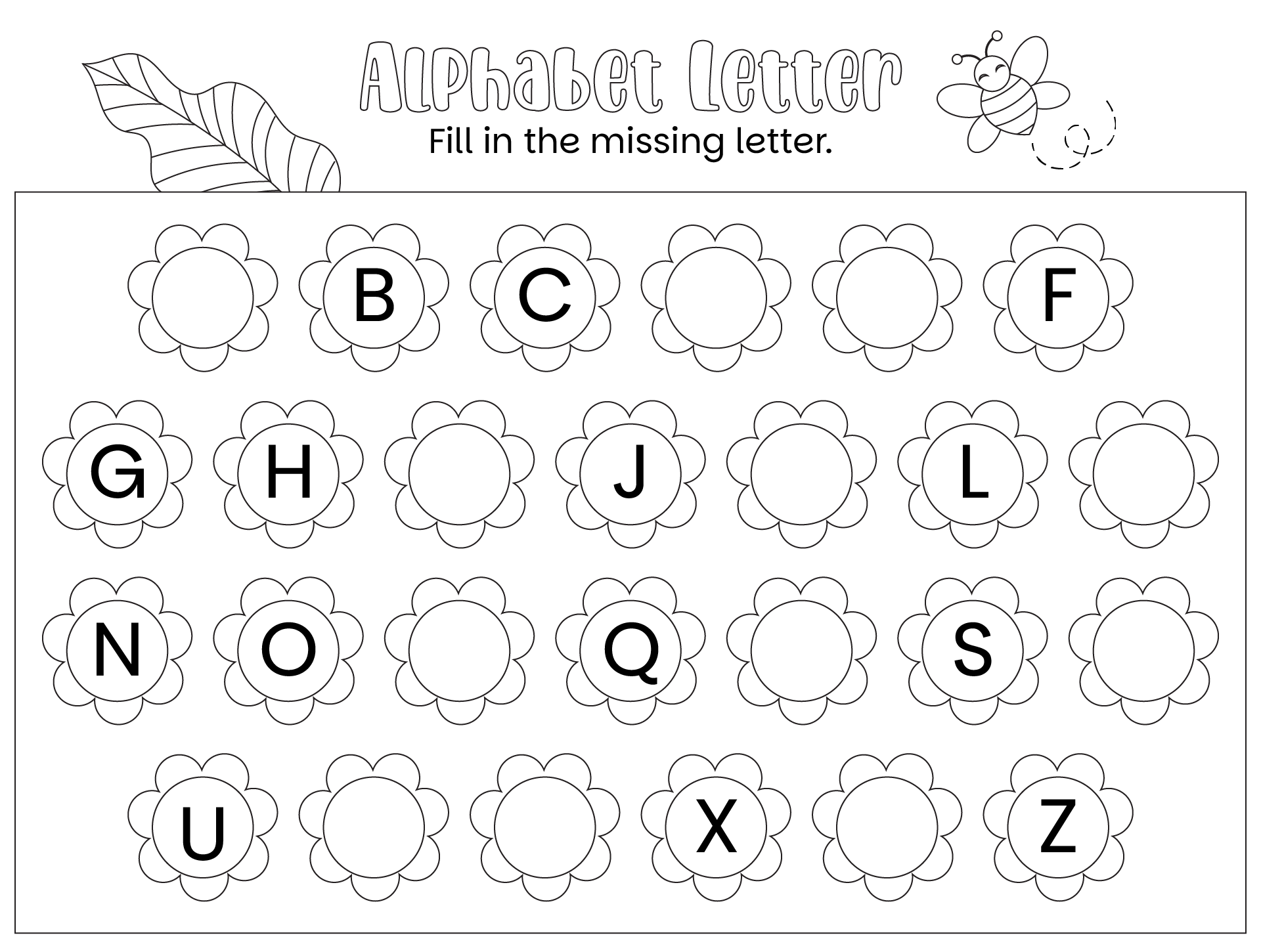
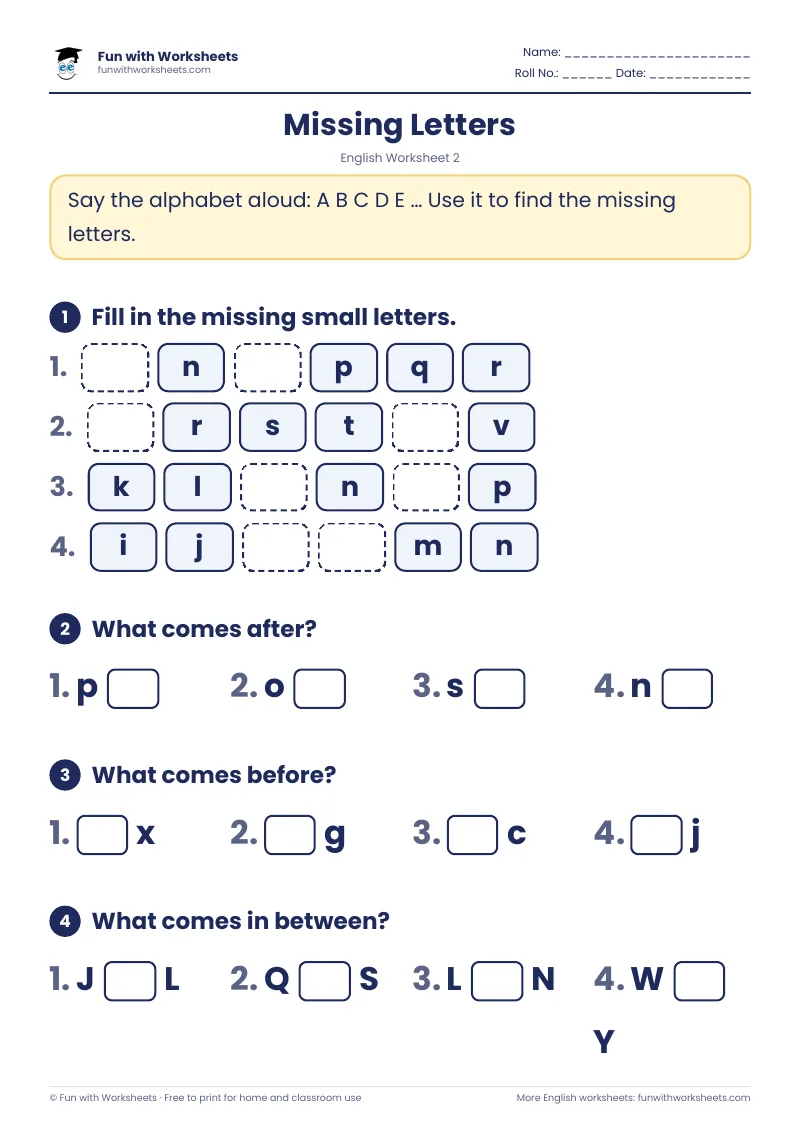
This worksheet is a straightforward, interactive tool designed to help children practice identifying and writing letters of the alphabet. It typically features a series of letters with some intentionally left blank for students to fill in. This approach encourages critical thinking and helps reinforce their understanding of letter sequences.
The layout usually includes both uppercase and lowercase letters, making it versatile for different learning phases. You might see sections divided by rows or columns, each with a few letters missing, prompting students to complete the sequence. This format allows for easy identification of which letters are missing and provides a clear visual structure that is beneficial, especially for young learners.
How to Use This Worksheet in Your Classroom
Incorporating the Fill In Missing Alphabet Letters Worksheet into your lesson plan can be seamless. Here are a few practical suggestions for using it effectively:
- Warm-Up Activity: Start your lesson with this worksheet as a warm-up. Distribute it at the beginning of class to gauge students’ current understanding of the alphabet. This can set the tone for the day’s learning objectives.
- Small Group Work: Divide students into small groups and assign them different sections of the worksheet. This encourages collaboration and discussion among peers, which can enhance their learning experience.
- Homework Assignment: If you’re looking for a way to reinforce learning at home, consider sending this worksheet home. Parents can help their children complete it, thus involving them in the learning process.
- Assessment Tool: Use the worksheet as a formative assessment tool. By reviewing how well students filled in the missing letters, you can identify areas that may require further instruction.
Age Group and Skill Level Suitability
The Fill In Missing Alphabet Letters Worksheet is ideal for preschool and early elementary students, typically ages 4 to 7. At this stage, children are usually beginning to recognize letters and sounds, making this resource perfectly aligned with their developmental needs.
You can adjust the difficulty by varying the number of blank spaces or including different letters based on the students’ skill levels. For instance, beginners might work with only a few missing letters, while more advanced learners can tackle a worksheet with more blanks.
Layout and Design Choices
The design of the Fill In Missing Alphabet Letters Worksheet plays a significant role in its effectiveness. Here are some features to look for:
- Clear Fonts: The letters should be clearly printed in a large, easy-to-read font. This ensures that young learners can easily identify both uppercase and lowercase letters.
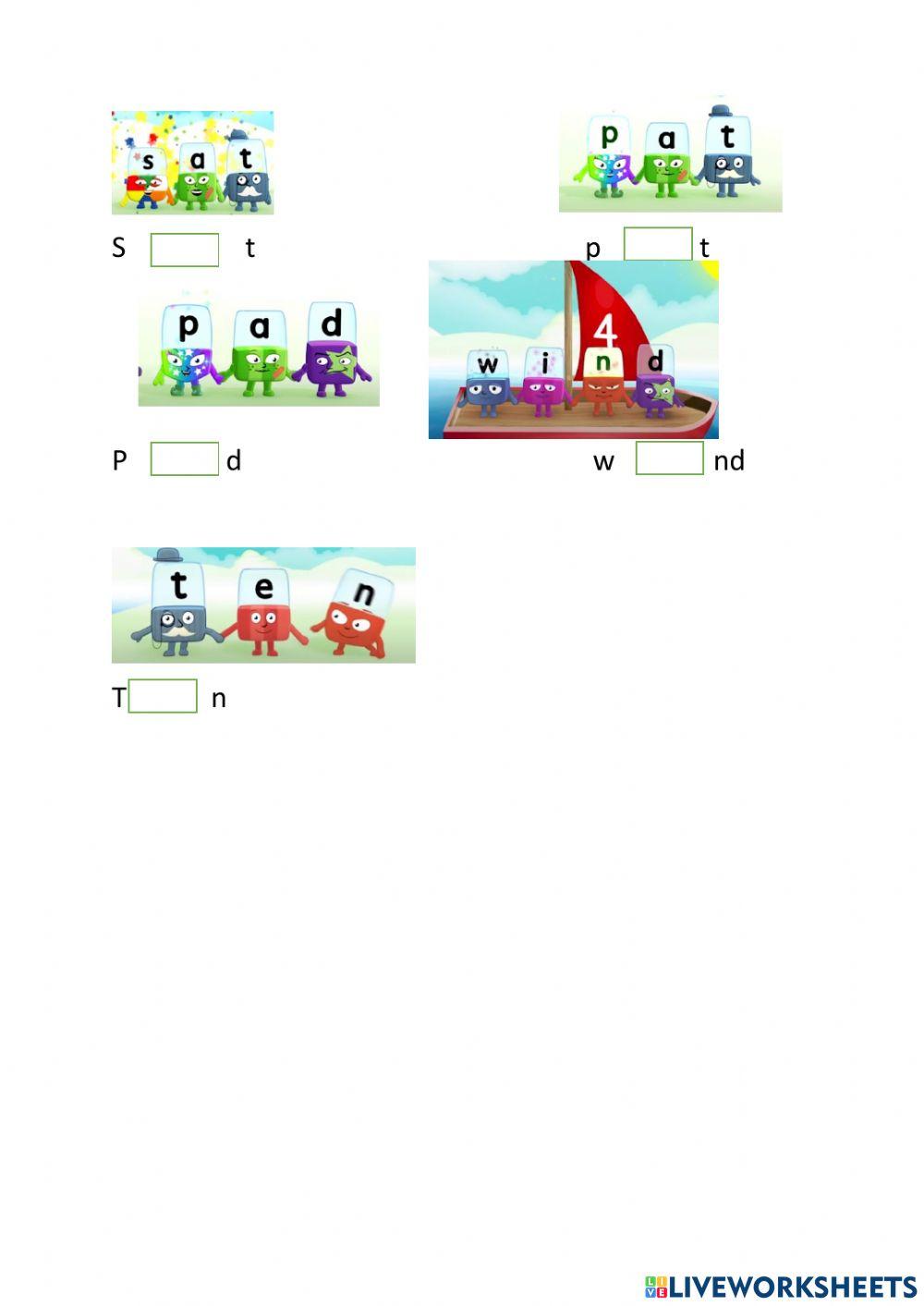
- Visual Cues: Including images or icons next to the letters can help contextualize the letters. For example, an image of an apple next to the letter “A” can reinforce letter-sound correspondence.
- Space for Writing: Ensure that there is ample space for students to write the missing letters. This not only aids in practice but also gives them a sense of accomplishment when they see their work clearly displayed.
- Colorful and Engaging: A colorful design can make the worksheet more appealing to young learners. Bright colors and playful designs can capture their attention and motivate them to engage with the material.
Additional Resources and Variations
To complement the Fill In Missing Alphabet Letters Worksheet, consider providing additional resources. Here are a few ideas:
- Alphabet Coloring Pages: These can be a fun way for children to engage with letters while practicing fine motor skills.
- Flashcards: Create flashcards of the alphabet that students can use for letter recognition games.
- Interactive Activities: Incorporate digital tools or apps that focus on alphabet practice, providing a multimedia approach to learning.
- Themed Worksheets: Create variations of the worksheet based on themes, such as animals or foods, to keep the practice fresh and interesting.
By diversifying your approach with these additional resources, you can cater to different learning styles and keep students engaged.
Best Practices for Printing and Usage
When preparing to print the Fill In Missing Alphabet Letters Worksheet, consider these best practices:
- Paper Type: Use standard printer paper for everyday use. However, if you plan to laminate the worksheets for repeated use, cardstock will hold up better.
- Print Settings: Make sure to adjust your printer settings to accommodate the layout of the worksheet. Portrait orientation usually works best for worksheets.
- Lamination: If you’re looking for durability, laminate the worksheets so they can be reused. Students can use dry-erase markers to fill in the letters, making it a cost-effective solution for ongoing practice.
- File Format: Ensure the worksheet is available in PDF format to avoid any reformatting issues that can occur with image files.
The Fill In Missing Alphabet Letters Worksheet Free is a valuable resource that teachers and parents can integrate into their educational activities. By focusing on its layout, practical usage, and additional resources, you can enhance your teaching strategy and support children’s literacy development effectively.