
Fdr Alphabet Soup Worksheet Answers are valuable tools for educators looking to enhance their students’ understanding of the New Deal and its impact during Franklin D. Roosevelt’s presidency. This engaging worksheet not only aids in reinforcing historical knowledge but also encourages critical thinking and comprehension skills among students.
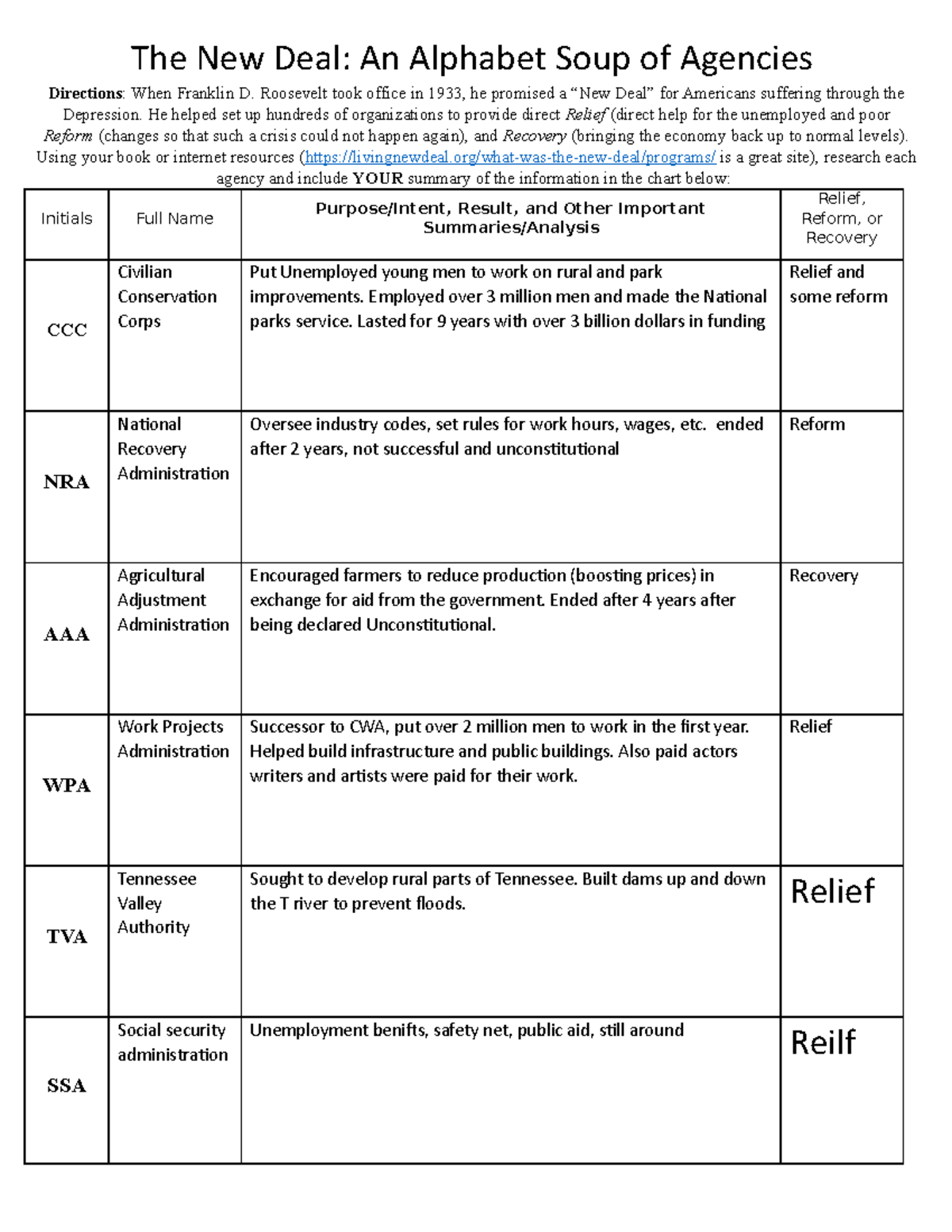
Understanding the Fdr Alphabet Soup Worksheet
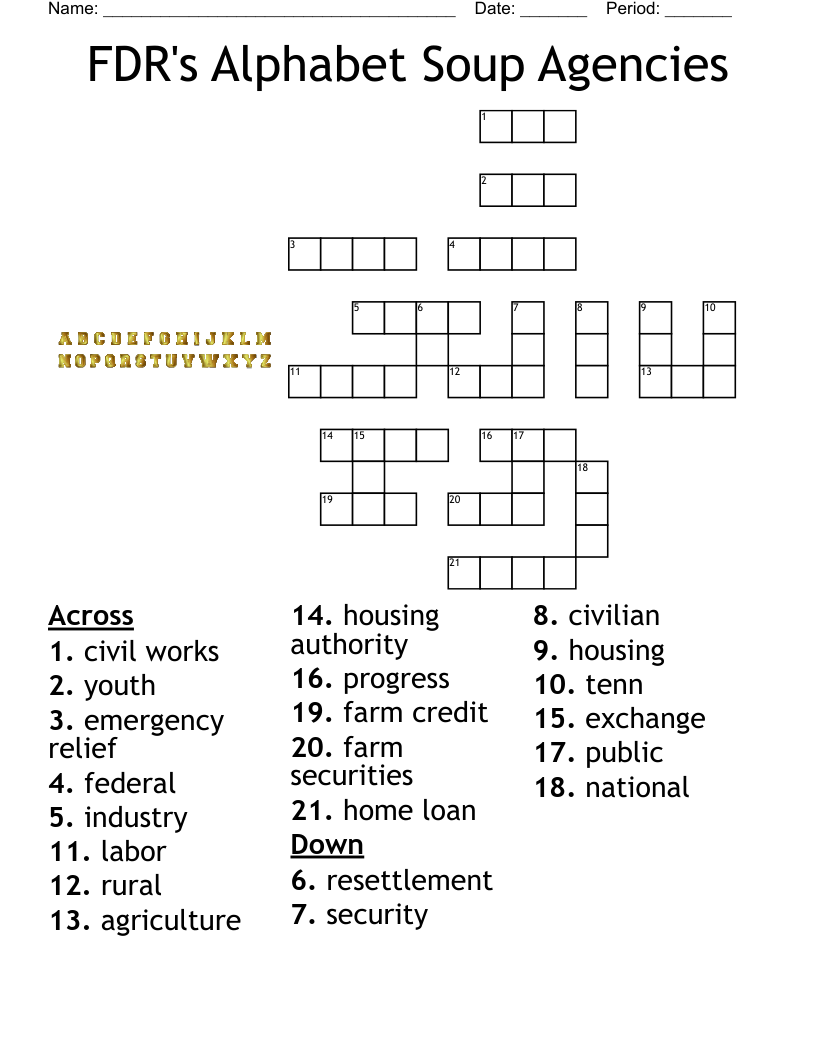
The Fdr Alphabet Soup Worksheet typically includes various programs and policies from the New Deal era, often represented by their acronyms, such as CCC (Civilian Conservation Corps), WPA (Works Progress Administration), and TVA (Tennessee Valley Authority). These worksheets are designed for students in upper elementary through middle school, generally ages 10-14, making them ideal for social studies classes or homeschooling environments.
When using this worksheet, teachers should guide students to research each program, understand its purpose, and articulate its significance in addressing the economic challenges of the Great Depression. The answers can help educators assess not only the students’ knowledge of historical facts but also their ability to connect these programs to broader themes, like government intervention and economic recovery.
Effective Use of the Worksheet in Classrooms
Using the Fdr Alphabet Soup Worksheet in a classroom setting can be straightforward and effective. Here’s how educators can implement it:
- Introduction to the New Deal: Begin with a lesson on the Great Depression and Franklin D. Roosevelt’s response through the New Deal. Use multimedia resources like documentaries or articles to set the context.
- Worksheet Distribution: Hand out the Fdr Alphabet Soup Worksheet, ensuring each student has access to the necessary resources, such as textbooks or online articles.
- Group Work: Encourage students to work in small groups to research different programs. This approach fosters collaboration and discussion, allowing students to share insights and deepen their understanding.
- Class Discussion: After completing the worksheet, facilitate a class discussion. Ask students to present their findings and explain the significance of their assigned programs. This reinforces learning and allows for peer teaching.
- Assessment of Understanding: Review the completed worksheets to gauge student comprehension. Look for clear explanations of each program’s purpose and impact, which will indicate mastery of the material.
Checking Progress: What Mastery Looks Like
When evaluating the Fdr Alphabet Soup Worksheet Answers, it’s important to consider specific indicators of mastery. Educators should look for:
- Accurate Definitions: Students should be able to define each program accurately, demonstrating their understanding of its goals and functions.
- Historical Significance: Mastery includes the ability to articulate why each program was created and its impact on American society during the 1930s. Students should connect their answers to the broader context of the New Deal.
- Critical Thinking: Encourage students to analyze how effective each program was in addressing the issues of the Great Depression. Their answers should reflect thoughtful consideration of historical outcomes.
- Connection to Current Events: For advanced learners, prompt them to relate the New Deal programs to modern government initiatives or economic policies, fostering a deeper understanding of the role of government in economic crises.
Resources for Teachers and Parents
To complement the Fdr Alphabet Soup Worksheet, teachers and parents can utilize additional resources to enhance the learning experience:
- Primary Source Documents: Provide students with access to primary source documents from the New Deal era. This could include speeches by FDR or photographs of the programs in action.
- Interactive Activities: Incorporate interactive activities such as role-playing or debates about the effectiveness of different New Deal programs. This engages students and reinforces their understanding through active participation.
- Supplementary Worksheets: Offer worksheets that delve deeper into specific programs or themes within the New Deal, such as economic recovery vs. social reform, to foster critical analysis.
- Online Resources: Utilize online educational platforms that offer interactive lessons and quizzes related to the New Deal, providing varied approaches to learning that can cater to different student needs.