
ESL Worksheets for Numbers and Alphabet are essential tools for teaching young learners basic language skills. These worksheets offer structured activities that enhance understanding and retention of numbers and letters, making them ideal for both classroom and home settings. In this guide, you’ll find practical advice on how to effectively use these resources in your teaching or homeschooling routine.
Understanding the Importance of ESL Worksheets for Numbers and Alphabet
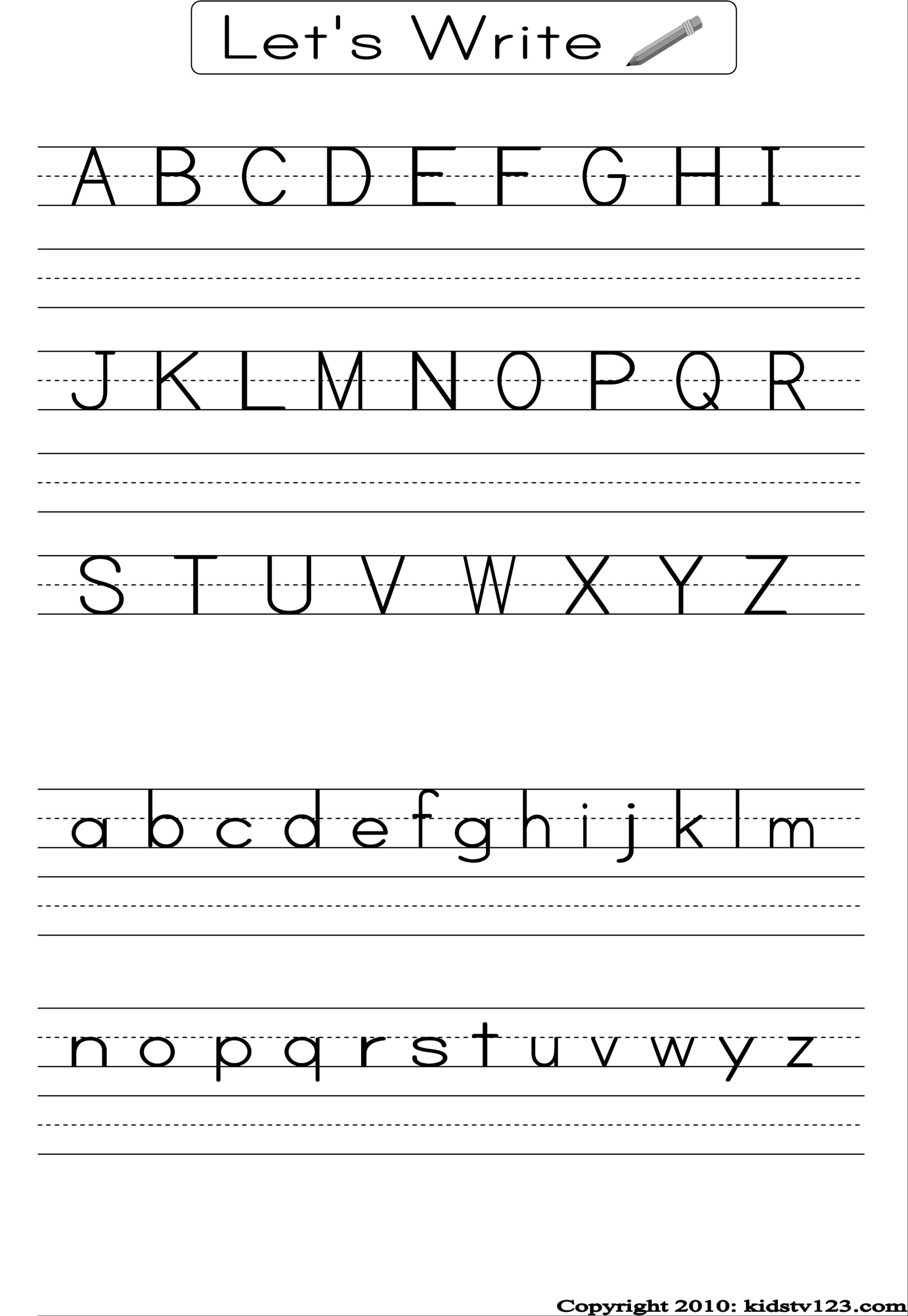
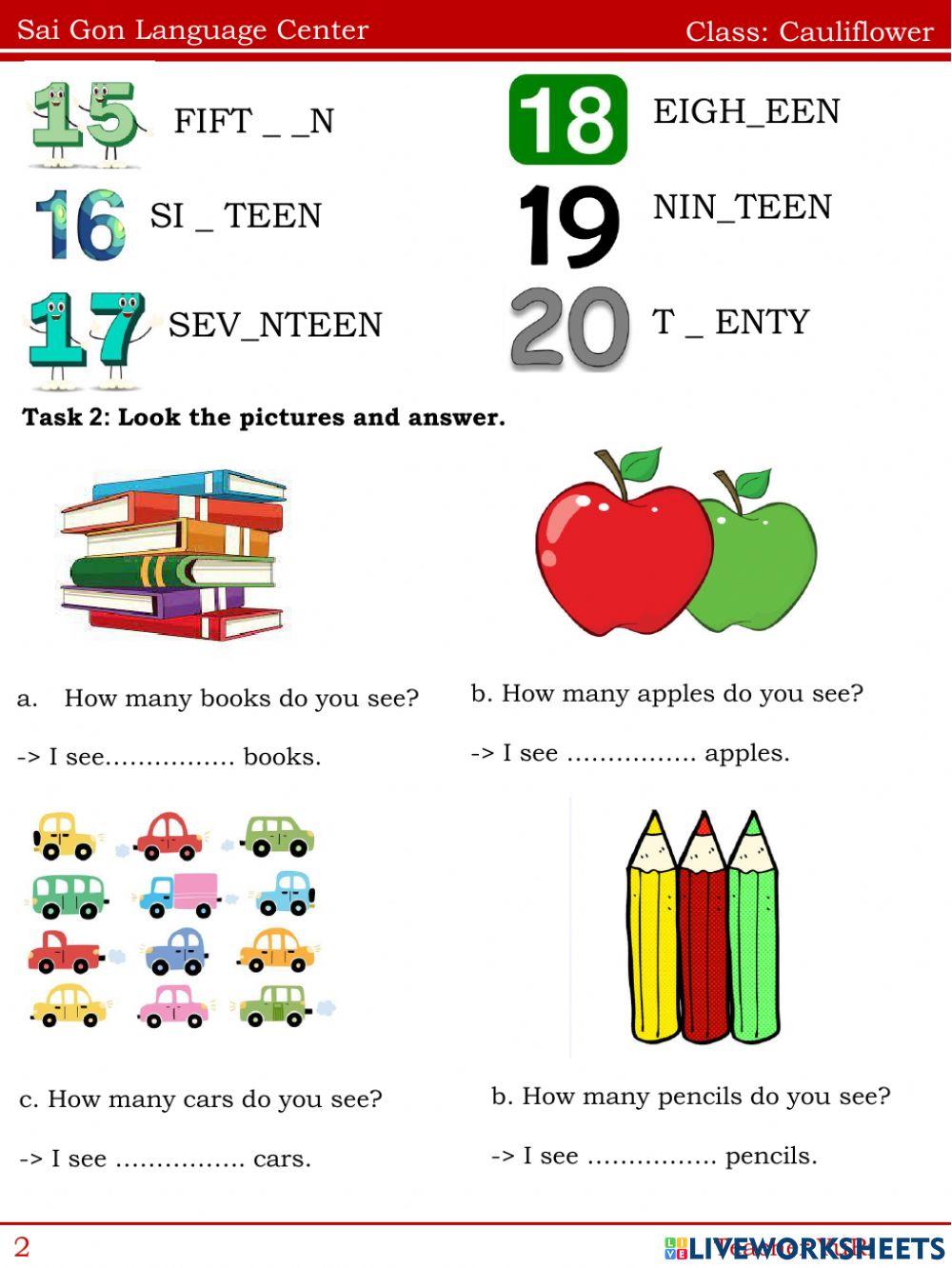
Teaching numbers and the alphabet forms the foundation of language learning. ESL worksheets for numbers and alphabet cater to early learners, typically aged 4 to 8, who are just beginning to grasp these concepts. These resources help students recognize, write, and use numbers and letters in everyday contexts. Worksheets often include a variety of activities such as matching, tracing, and filling in the blanks, which not only reinforce learning but also keep students engaged.
Types of Activities in ESL Worksheets for Numbers and Alphabet
When selecting ESL worksheets for numbers and alphabet, it’s useful to consider the types of activities included. Here are some common features:
- Tracing: Worksheets that allow students to trace numbers and letters help develop fine motor skills and improve handwriting.
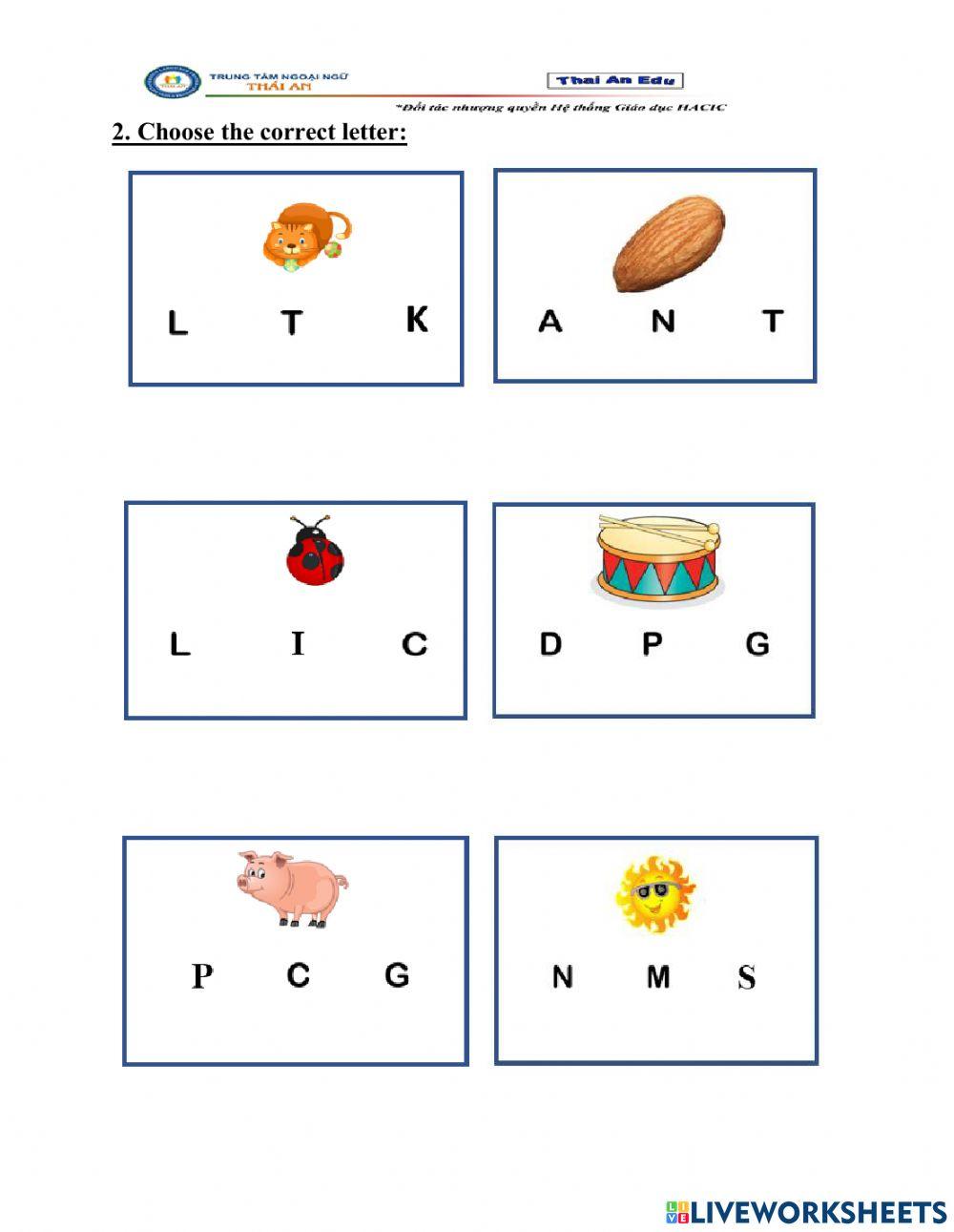
- Matching Exercises: Activities that require students to match numbers or letters to corresponding images or words enhance associative learning.
- Fill-in-the-Blanks: These worksheets prompt students to complete sentences or patterns with the correct numbers or letters, fostering critical thinking.
- Coloring Pages: Combining art with learning, coloring pages often feature numbers and letters, making the learning process enjoyable.
Each activity type serves a specific purpose, so choose worksheets that align with your teaching goals.
How to Incorporate ESL Worksheets Into Your Routine
Integrating ESL worksheets for numbers and alphabet into your daily routine can be straightforward and effective. Here are some practical tips:
- Set a Schedule: Designate specific times during the week for worksheet activities. Consistency helps reinforce learning.
- Mix and Match: Combine various types of worksheets to cater to different learning styles. For instance, pair tracing worksheets with matching exercises to keep sessions dynamic.
- Review Progress: Spend a few minutes each week reviewing completed worksheets. This not only reinforces learning but also helps identify areas where students may need additional support.
- Encourage Independence: Allow students to work on worksheets independently, fostering confidence in their abilities. Provide guidance as needed, but encourage self-reliance.
By establishing a routine that incorporates these worksheets, you’ll create a structured yet flexible learning environment.
Selecting the Right ESL Worksheets for Your Needs
With so many ESL worksheets for numbers and alphabet available, choosing the right ones can be challenging. Here are key factors to consider:
- Age Appropriateness: Ensure that the worksheets are suitable for your child’s age and skill level. Worksheets designed for preschoolers may not be challenging enough for older children, while those aimed at advanced learners might be too difficult.
- Variety: Look for a diverse selection of worksheets that cover various aspects of numbers and the alphabet. This variety ensures that learners remain engaged and can explore different learning modalities.
- Print Quality: Opt for worksheets that are clear and easy to read. High-quality PDF downloads often provide the best results, minimizing any formatting issues that can occur with image files.
- User Reviews: If available, check reviews or ratings from other educators or parents. Feedback can provide insight into the effectiveness and appeal of specific worksheets.
Taking the time to select the right resources will ensure that your teaching is both effective and enjoyable for your students.
Practical Tips for Printing and Using ESL Worksheets
Once you have selected your ESL worksheets for numbers and alphabet, here are some practical tips for printing and utilizing them effectively:
- Paper Type: Use thicker paper or cardstock for worksheets that will be reused. This helps the sheets withstand repeated use, especially for tracing activities.
- Printable Format: PDFs are often the best format for printing. They maintain formatting and layout across different devices and printers, reducing the risk of issues when printing.
- Layout Considerations: Portrait layout generally works best for worksheets, as it fits standard printer settings and is easier for children to handle.
- Laminating: For worksheets intended for repeated use, consider laminating them. This allows students to use dry-erase markers for tracing and can be wiped clean for future lessons.
By following these tips, you can ensure that your worksheets are functional, durable, and easy to use.
Engaging Students With ESL Worksheets for Numbers and Alphabet
To maximize the effectiveness of ESL worksheets for numbers and alphabet, consider integrating them into fun and engaging activities. Here are some ideas:
- Games: Turn worksheet activities into games. For example, have a timed race to see who can complete a matching exercise the fastest.
- Group Activities: Encourage collaboration by having students work in pairs or small groups to complete worksheets. This fosters teamwork and allows for peer learning.
- Interactive Learning: Use worksheets as a springboard for interactive activities. After completing a worksheet, have students act out scenarios that involve the numbers or letters they learned.
These strategies not only make learning more enjoyable but also reinforce the concepts taught through the worksheets.
By utilizing ESL worksheets for numbers and alphabet effectively, you can create a rich learning environment that fosters language development. Remember to select age-appropriate materials, incorporate a variety of activities, and engage students in creative ways. With these resources, teaching young learners will become a rewarding experience. Consider starting with a simple tracing worksheet today to add some fun to your learning routine!