
In a bright classroom filled with colorful posters and eager students, Ms. Rodriguez hands out a simple yet effective resource: the English To Spanish Alphabet Worksheet. This tool is not just another piece of paper; it serves as a bridge for young learners to connect two languages. With the right approach, this worksheet can transform how children grasp the alphabet in both English and Spanish, making it an essential addition to any language curriculum.
Understanding the Importance of Alphabet Worksheets
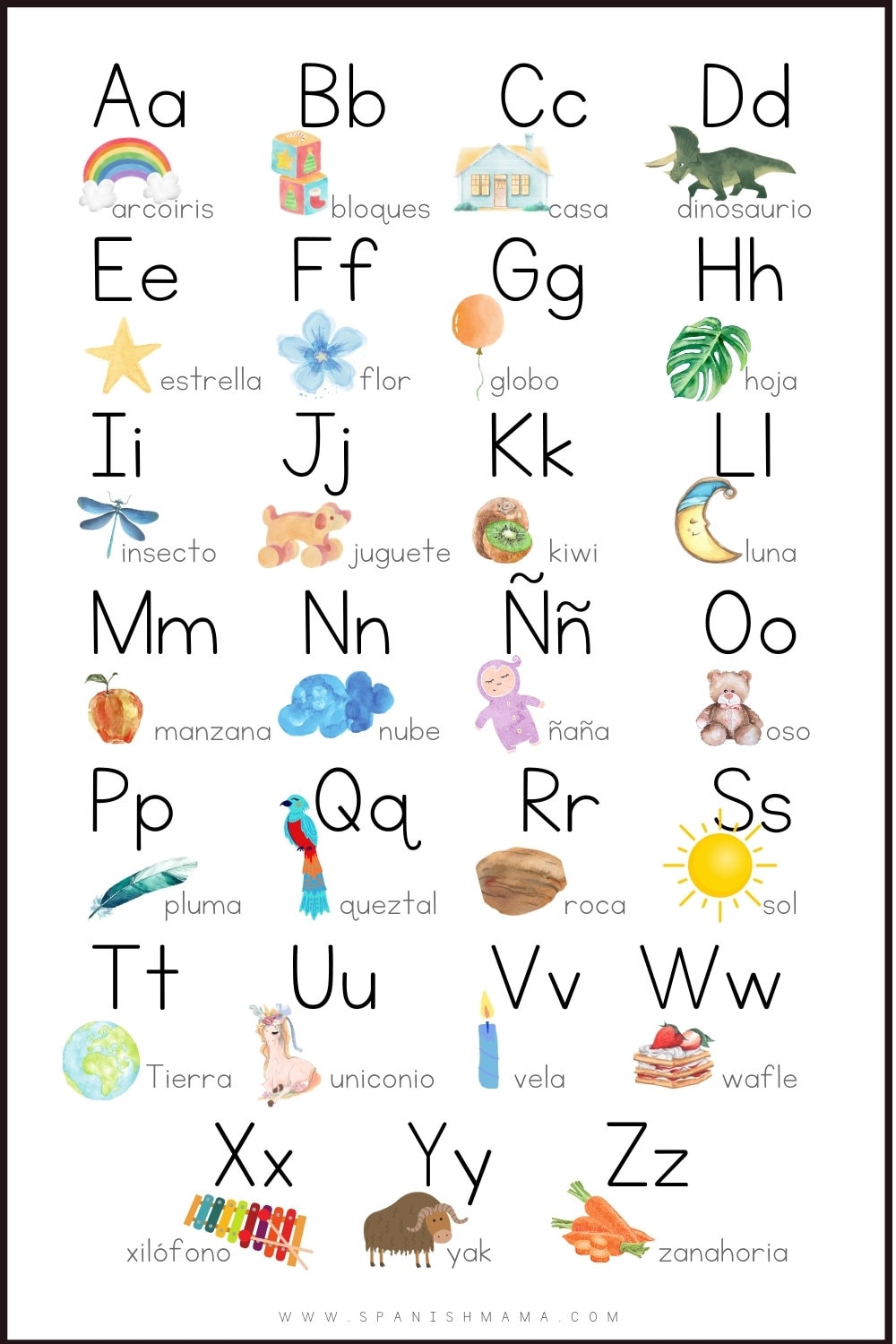
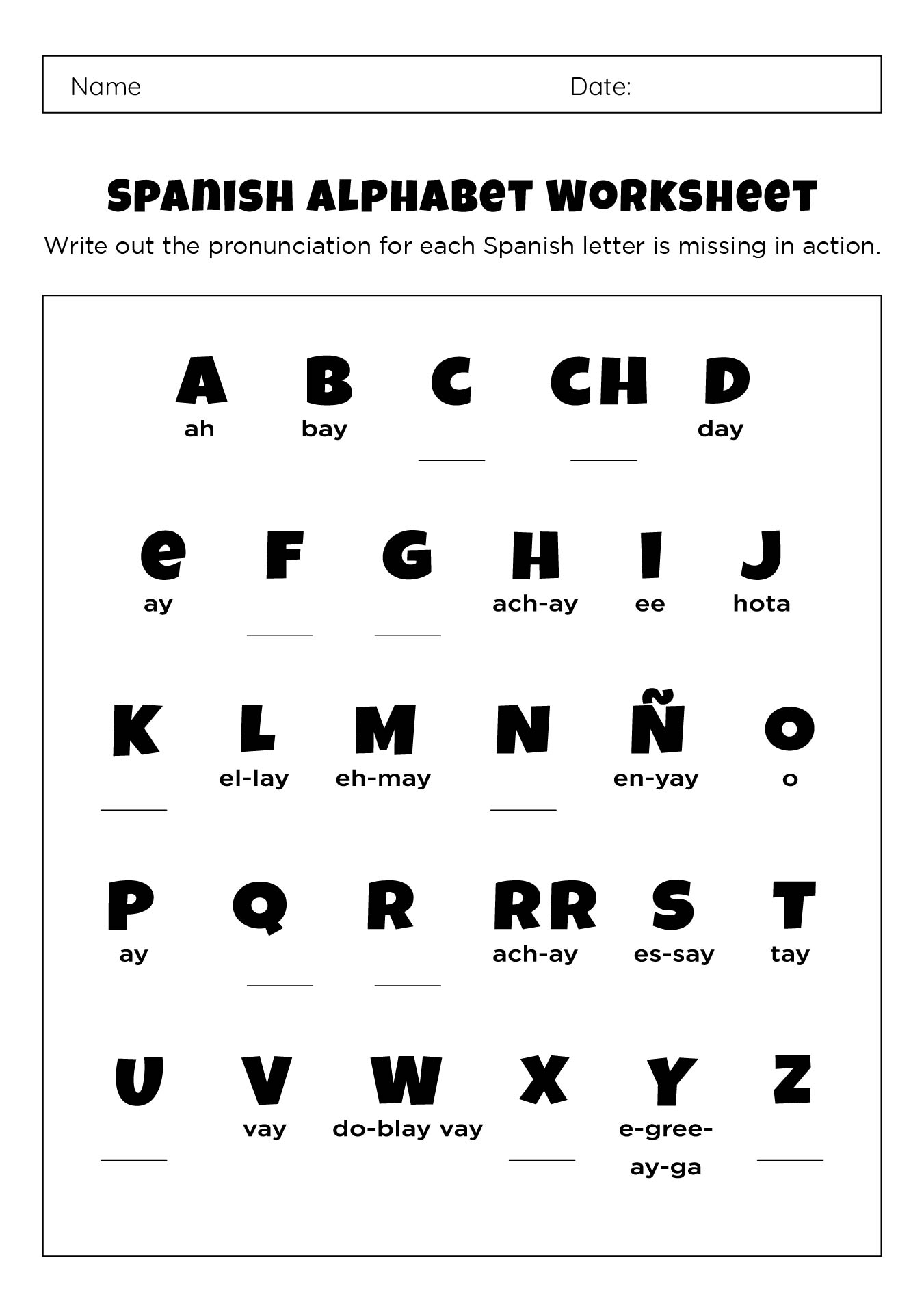
The English To Spanish Alphabet Worksheet is designed to help children aged 5-8 learn the alphabet in both languages. At this age, kids are naturally curious and eager to explore new concepts. By using worksheets, you can create a structured approach to learning that reinforces their understanding through repetition and practice.
Worksheets are particularly beneficial because they provide a visual and tactile way for children to engage with letters. Each letter can be associated with words and images in both languages, allowing for a multi-sensory learning experience. For instance, the letter “A” can be linked to “apple” in English and “manzana” in Spanish, making it easier for children to remember.
How to Use the English To Spanish Alphabet Worksheet Effectively
To maximize the effectiveness of the English To Spanish Alphabet Worksheet, consider spreading the learning over a week rather than cramming it into one session. This spaced repetition is crucial for retention. Here’s a suggested plan for a week-long activity:
- Day 1: Introduce the letters A to E. Use the worksheet to trace and color each letter while discussing its pronunciation in both languages.
- Day 2: Review letters A to E with fun games or flashcards. Move on to letters F to J, repeating the same tracing and coloring activities.
- Day 3: Continue with letters K to O, ensuring students pronounce each letter aloud. Incorporate simple words that start with these letters.
- Day 4: Review all letters learned so far through engaging activities such as matching letters with pictures.
- Day 5: Focus on letters P to T, using the worksheet for tracing and reinforcing pronunciation.
- Day 6: Conclude with letters U to Z, ensuring students can say and write each letter confidently.
- Day 7: A review day where students can showcase their knowledge through games, songs, or even a mini-presentation in pairs.
This gradual approach not only helps in memorization but also makes learning enjoyable and less overwhelming.
Incorporating Creative Activities With the Worksheet
Using the English To Spanish Alphabet Worksheet doesn’t have to be limited to tracing and coloring. You can integrate other creative activities that support language learning:
- Interactive Games: Create a bingo game using vocabulary words from the worksheet. This encourages recognition and recall in a fun way.
- Story Time: Read bilingual books that emphasize the letters being learned. Ask children to point out words that start with the corresponding letters.
- Art Integration: Have students create a collage of pictures that represent each letter. This adds a visual element that reinforces their learning.
- Music and Movement: Sing songs that include the alphabet in both languages. Incorporate movements for each letter to engage kinesthetic learners.
These activities not only reinforce the letters but also make the learning process dynamic and enjoyable.
Tips for Parents and Teachers Using the Worksheet
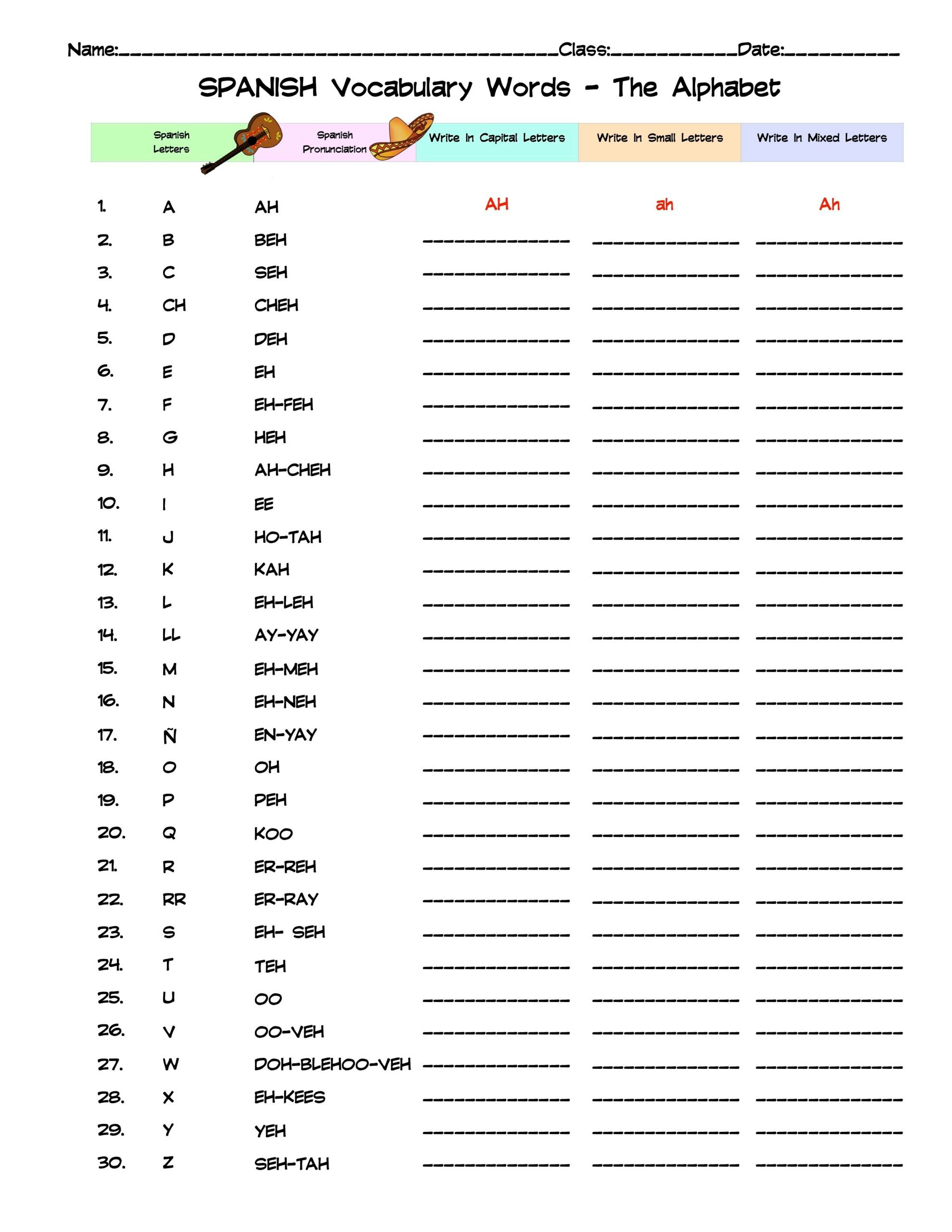
As a teacher or a parent, you play a vital role in your child’s language learning journey. Here are some tips to make the most of the English To Spanish Alphabet Worksheet:
- Provide a Quiet Space: Ensure that children have a clean and distraction-free area to focus on their worksheets. This helps them concentrate better on their tasks.
- Use Quality Materials: Print the worksheet on good-quality paper. Cardstock is preferable if you plan to laminate it for durability, as it can withstand repeated use.
- Encourage Collaboration: Pair students for activities. This not only builds social skills but also allows for peer teaching, which can enhance understanding.
- Be Patient: Language learning takes time. Celebrate small victories and encourage children to practice without pressure.
By creating a supportive environment, you can foster a love for learning languages that will last a lifetime.