
The English Alphabet Worksheet For Class 1 is an invaluable tool for early literacy development. Designed specifically for young learners, this resource typically comes in a PDF format, making it easy to download and print at home or in a homeschool setting. With a standard size of 8.5 x 11 inches, it fits perfectly on any regular printer paper, allowing for straightforward printing without any need for adjustments.
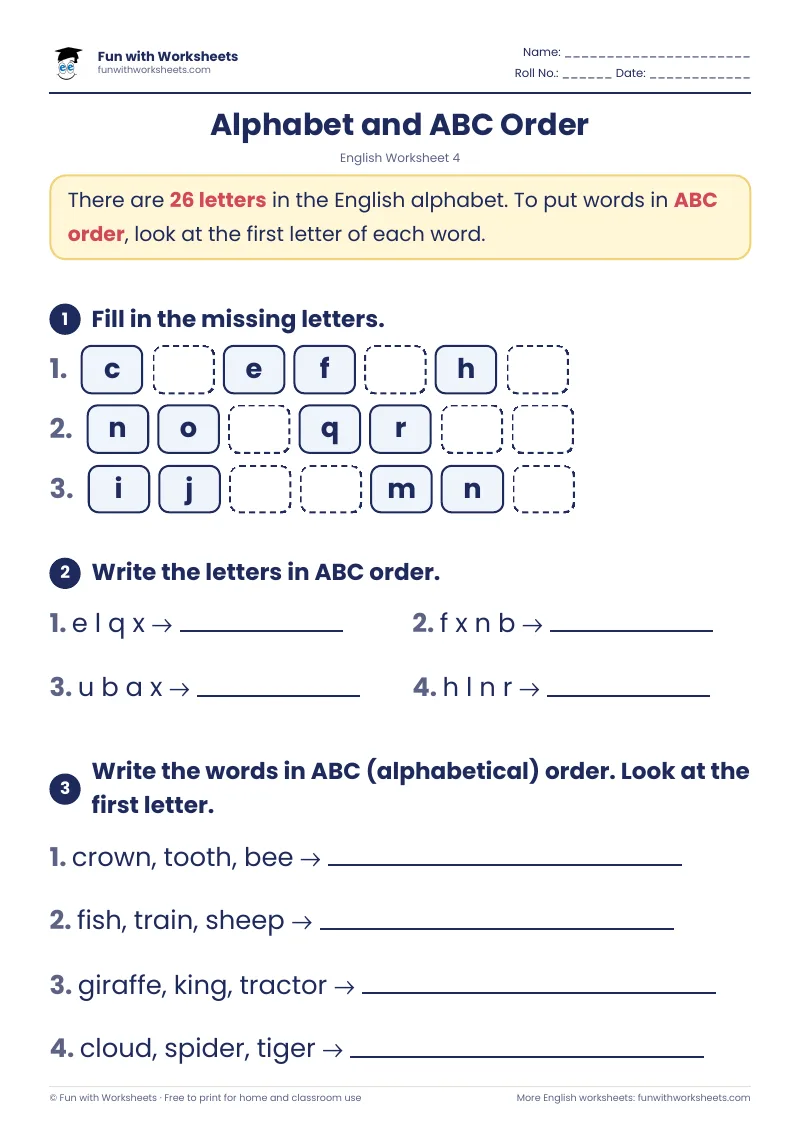
Features of the English Alphabet Worksheet
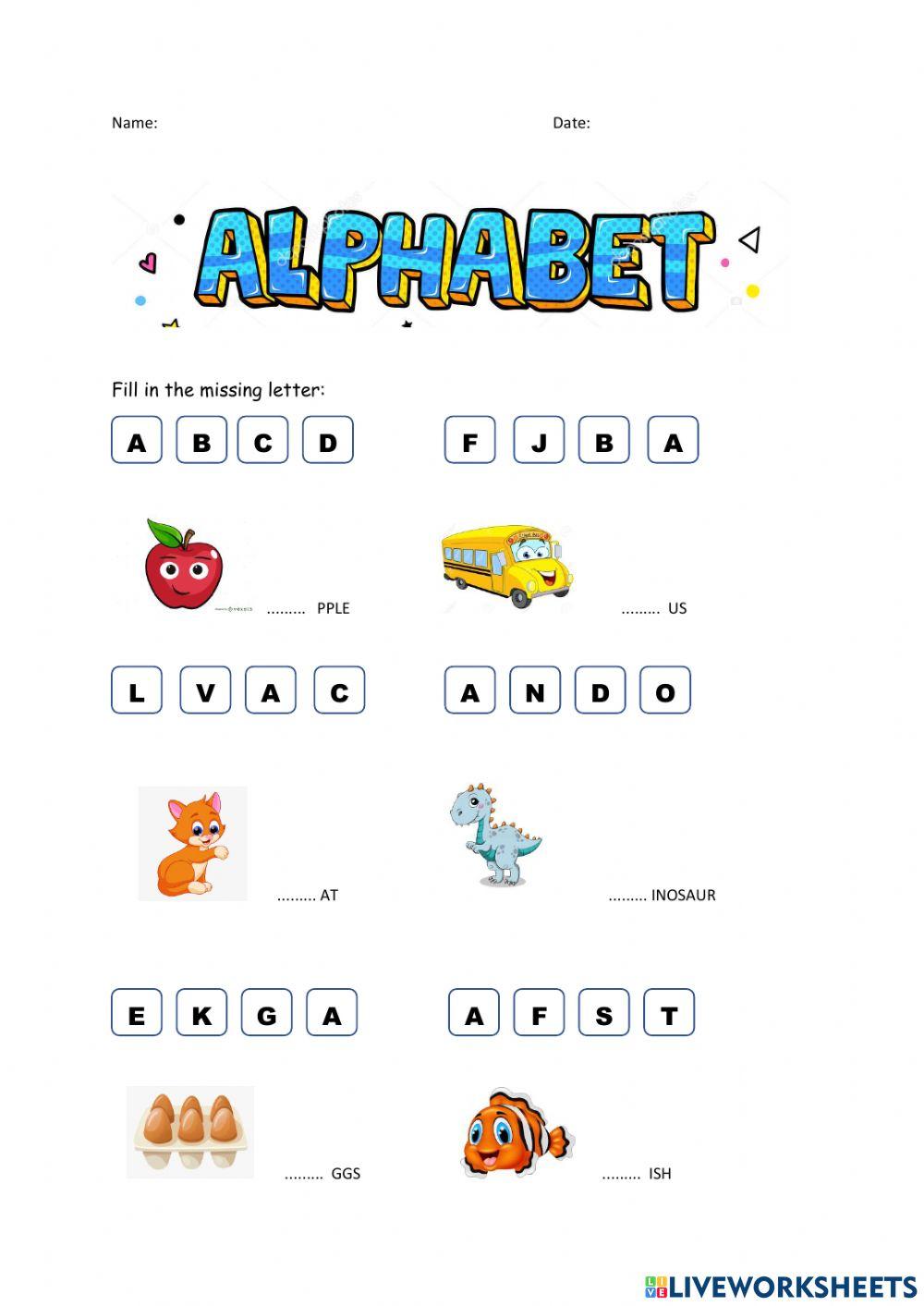
The layout of the English Alphabet Worksheet For Class 1 is thoughtfully designed to engage young learners. It usually features a combination of letters, images, and interactive activities that facilitate learning in a fun and effective manner. Each worksheet typically includes:
- Uppercase and lowercase letters for visual comparison.
- Fun illustrations or images that correspond to each letter, aiding in word association.
- Tracing sections that encourage fine motor skills development.
- Activity prompts that require students to identify or color items that start with each letter.
This structured format not only captures attention but also promotes an interactive learning experience, making it suitable for use during home study sessions.
Benefits of Using Alphabet Worksheets
Incorporating the English Alphabet Worksheet For Class 1 into your teaching routine provides numerous benefits. For parents and teachers alike, these worksheets serve as a versatile resource in the following ways:
- Reinforcement of Letter Recognition: Repeated exposure to both uppercase and lowercase letters helps solidify recognition skills.
- Development of Writing Skills: Tracing letters enhances fine motor skills, crucial for young children as they learn to write.
- Encouragement of Phonemic Awareness: Associating letters with images aids in building phonemic awareness, a key component of literacy.
- Flexibility in Learning: These worksheets can be used as part of a structured lesson or as a supplementary activity during free time.
Using these worksheets regularly can greatly enhance a child’s readiness for reading and writing, setting a solid foundation for future academic success.
How to Use the Worksheet Effectively
To maximize the utility of the English Alphabet Worksheet For Class 1, consider the following practical tips for parents and teachers:
- Daily Practice: Integrating short, daily practice sessions can significantly improve retention. Spend 10-15 minutes each day focusing on a few letters, gradually working through the entire alphabet.
- Interactive Learning: Pair the worksheet activities with interactive games or songs that reinforce letter sounds and recognition. This can make learning more engaging.
- Use of Visual Aids: Supplement the worksheets with flashcards or alphabet posters. Visual aids can enhance memory retention and provide additional context for each letter.
- Incorporate Arts and Crafts: Consider turning the letters into a craft project. For example, creating a collage of items that start with a specific letter can reinforce learning in a fun way.
These strategies can help make the learning process more dynamic and enjoyable for young students, encouraging a love for reading and writing from an early age.
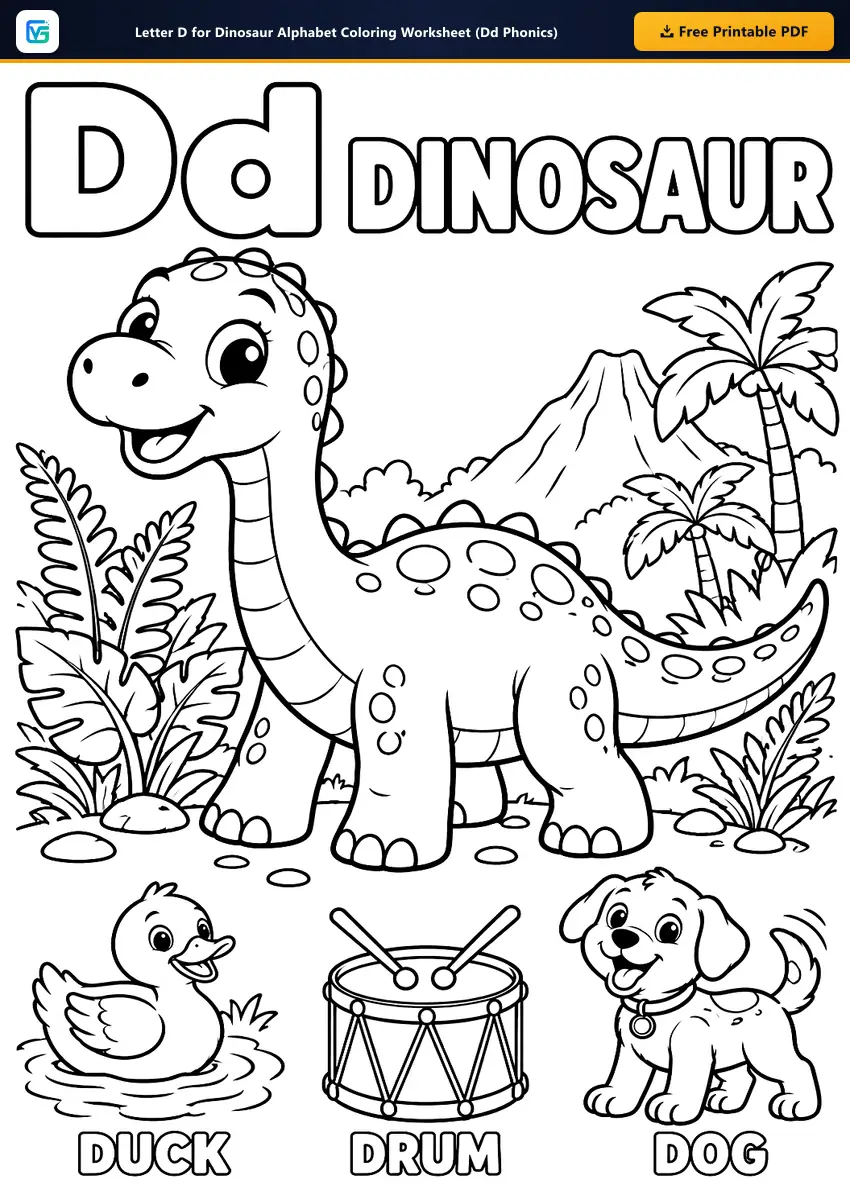
Choosing the Right Printable Resource
When selecting an English Alphabet Worksheet For Class 1, it’s essential to consider the specific needs of the learners. Here are some factors to keep in mind:
- Age Appropriateness: Ensure the worksheet matches the developmental level of the child. Worksheets should challenge them without causing frustration.
- Visual Appeal: Look for worksheets that are colorful and engaging. A visually appealing design can motivate children to participate actively.
- Variety of Activities: Opt for worksheets that include a mix of tracing, coloring, and matching activities. This variety keeps the learning experience fresh and exciting.
- Ease of Access: Choose resources that are easy to download and print. PDFs are preferable as they maintain formatting across different devices.
Selecting the right worksheet not only enhances the learning experience but also ensures that students remain engaged and interested in their alphabet studies.