
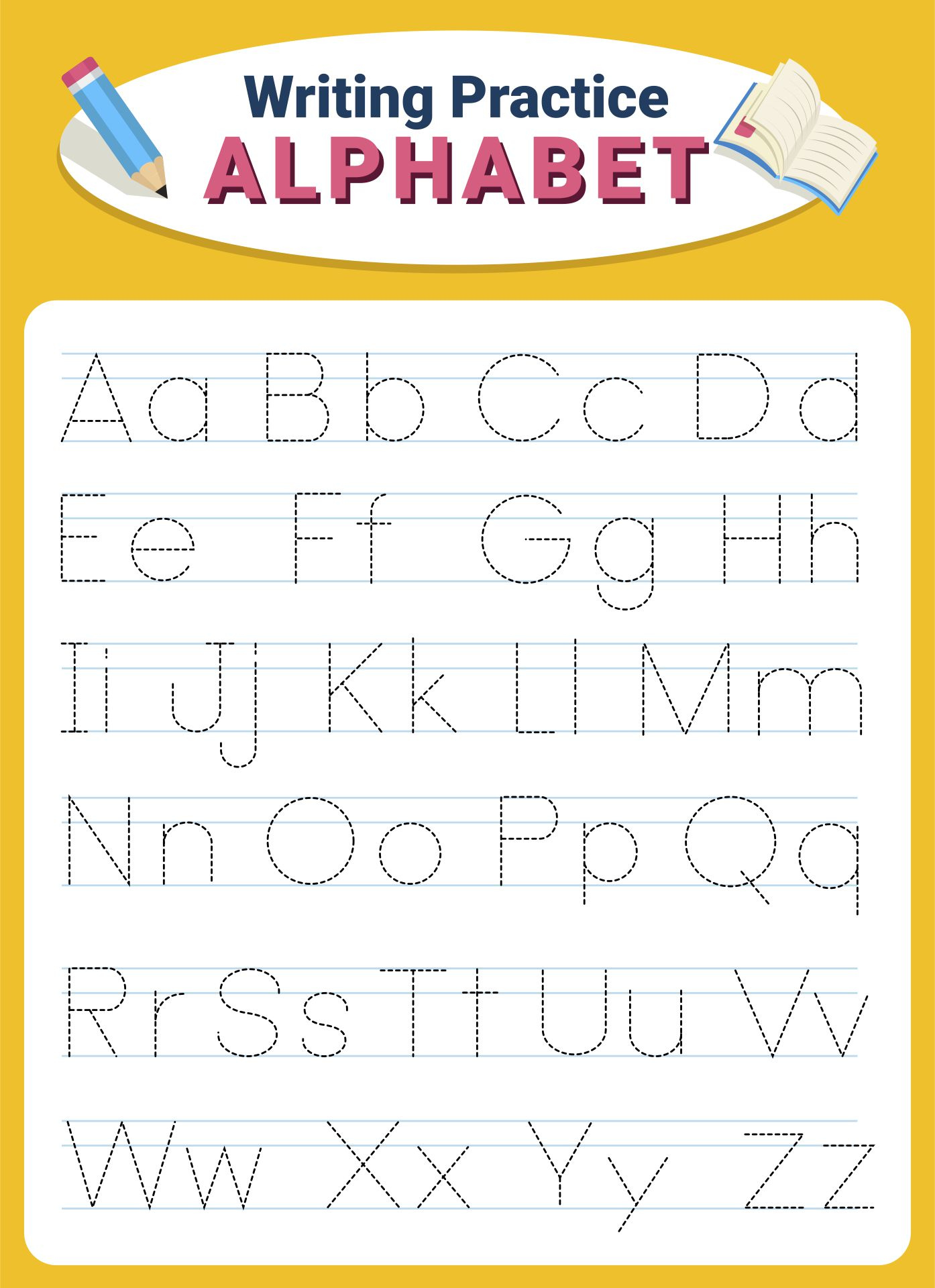
Teaching children the English alphabet can be a rewarding yet challenging experience. Many teachers and parents seek effective tools to support this learning process. English Alphabet And Letters Writing Practice Worksheets are a fantastic resource that can help children develop their letter writing skills in a structured and enjoyable way. These worksheets not only provide practice but also allow for easy tracking of progress over time.
Understanding the Importance of Writing Practice
Writing is a fundamental skill that lays the groundwork for effective communication. For young learners, mastering letter formation is crucial. It helps them develop fine motor skills, enhances their ability to recognize letters, and builds a strong foundation for future writing tasks.
Using writing practice worksheets encourages repetition, which is essential for retention. When children practice writing letters multiple times, they reinforce their learning and become more confident in their abilities. This is where English Alphabet And Letters Writing Practice Worksheets can make a significant difference.
Choosing the Right Worksheets
When selecting worksheets, consider the age and skill level of your students. Most worksheets are designed for preschool and early elementary students, typically ages 4 to 7. Look for worksheets that include:
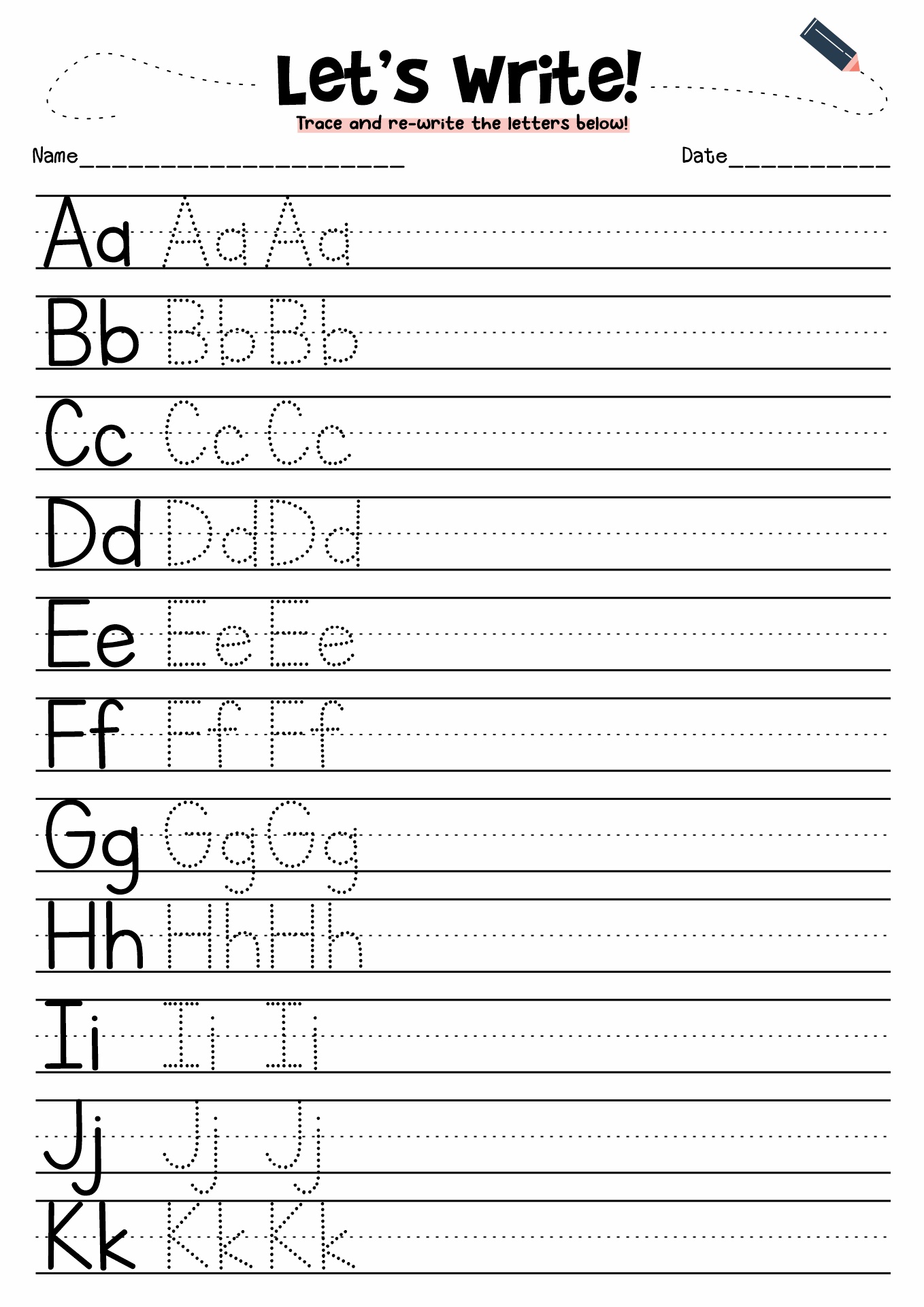
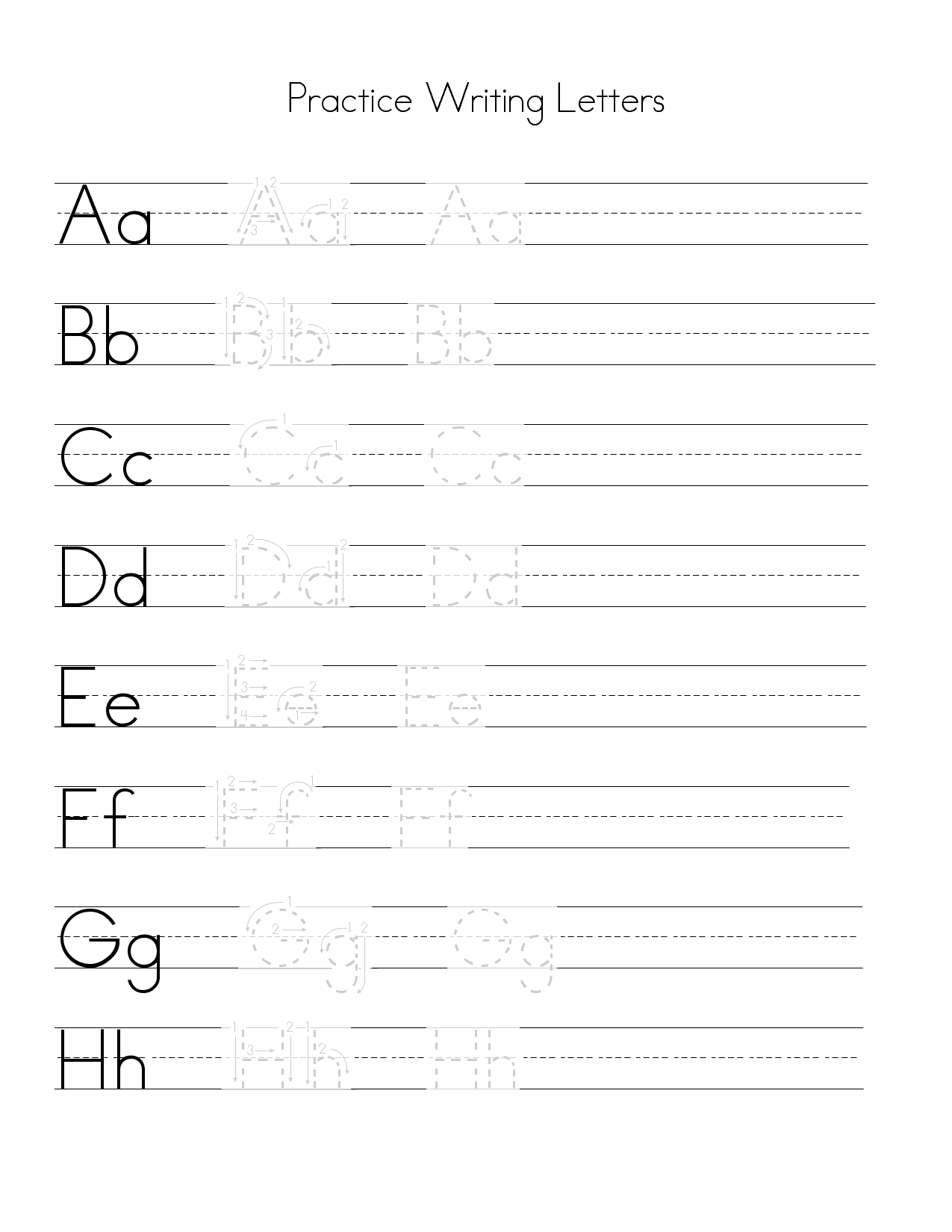
- Clear letter outlines: These help children understand the proper way to form each letter.
- Guidelines: Lines or dotted lines can guide children in maintaining size and spacing.
- Variety of activities: Worksheets that include tracing, copying, and free writing can cater to different learning styles.
You can find a variety of English Alphabet And Letters Writing Practice Worksheets online, many of which are free or available for download. Make sure to choose worksheets that are visually appealing and age-appropriate to keep children engaged.
Setting Up a Writing Practice Routine
Creating a consistent writing practice routine can significantly enhance the effectiveness of the worksheets. Here’s a simple step-by-step guide to help you set up a routine:
- Schedule Regular Practice Sessions: Aim for short, focused writing sessions, ideally 10-15 minutes each day. Consistency is key, so pick a time that works best for your students or children.
- Create a Comfortable Workspace: Ensure that the writing area is well-lit and free from distractions. Provide a comfortable chair and a suitable writing surface.
- Use a Variety of Worksheets: Rotate between different worksheets to keep practice fresh and engaging. Include tracing, writing from memory, and even creative activities like drawing letters in sand or with finger paint.
- Track Progress: Consider keeping a progress chart. You can use stickers or stamps to reward children for completing worksheets. This visual representation of their progress can motivate them to continue improving.
- Encourage Positive Feedback: Always provide encouragement and constructive feedback. Celebrate their successes, no matter how small, to build their confidence.
Incorporating Worksheets Into Daily Learning
Integrating English Alphabet And Letters Writing Practice Worksheets into daily lessons can be seamless. Here’s how you can do it:
- Combine with Phonics Lessons: Use the worksheets alongside phonics instruction to reinforce letter sounds and shapes. For example, after practicing the letter “A,” you might discuss words that start with “A” and have students practice writing those words.
- Integrate with Arts and Crafts: Incorporate fun activities where children can create art projects using letters. For instance, they can cut out letters from colored paper and glue them onto a poster.
- Use in Group Settings: If you’re teaching a class, consider having students work in pairs or small groups. They can help each other with letter formation and share their completed worksheets.
- Include Home Practice: Encourage parents to engage with their children at home using the same worksheets. This consistency can reinforce learning and create a supportive learning environment.
Evaluating Progress and Adjusting Techniques
As children practice their writing, it’s essential to periodically evaluate their progress. Here are a few tips on how to assess their skills effectively:
- Review Completed Worksheets: Look for consistent errors in letter formation or spacing. This will guide you on which letters need more focus.
- Conduct Informal Assessments: Occasionally, ask students to write letters from memory without the worksheet. This will help you gauge their retention of the skills they’ve practiced.
- Solicit Feedback from Students: Ask children how they feel about their writing and which letters they find challenging. This can inform your teaching strategies.
- Adjust Worksheets as Needed: If a child is struggling with a particular letter, consider providing additional practice worksheets focused solely on that letter.
Immediate Practical Tip for Success
To effectively implement English Alphabet And Letters Writing Practice Worksheets in your teaching, start by downloading a set of worksheets that appeal to you and your students. Print them on cardstock for durability, and use a three-ring binder to keep them organized. This will make it easy to track which letters have been practiced and allow for quick access during your scheduled writing sessions.