
Helping preschoolers learn the alphabet can be a rewarding experience, but it often comes with its challenges. Finding engaging and effective resources is crucial. Educational Worksheets For Preschoolers Alphabet are specifically designed to make this learning process enjoyable and straightforward for young learners. These worksheets can easily fit into your daily activities, transforming learning into a fun routine at home.
Why Use Worksheets for Alphabet Learning?
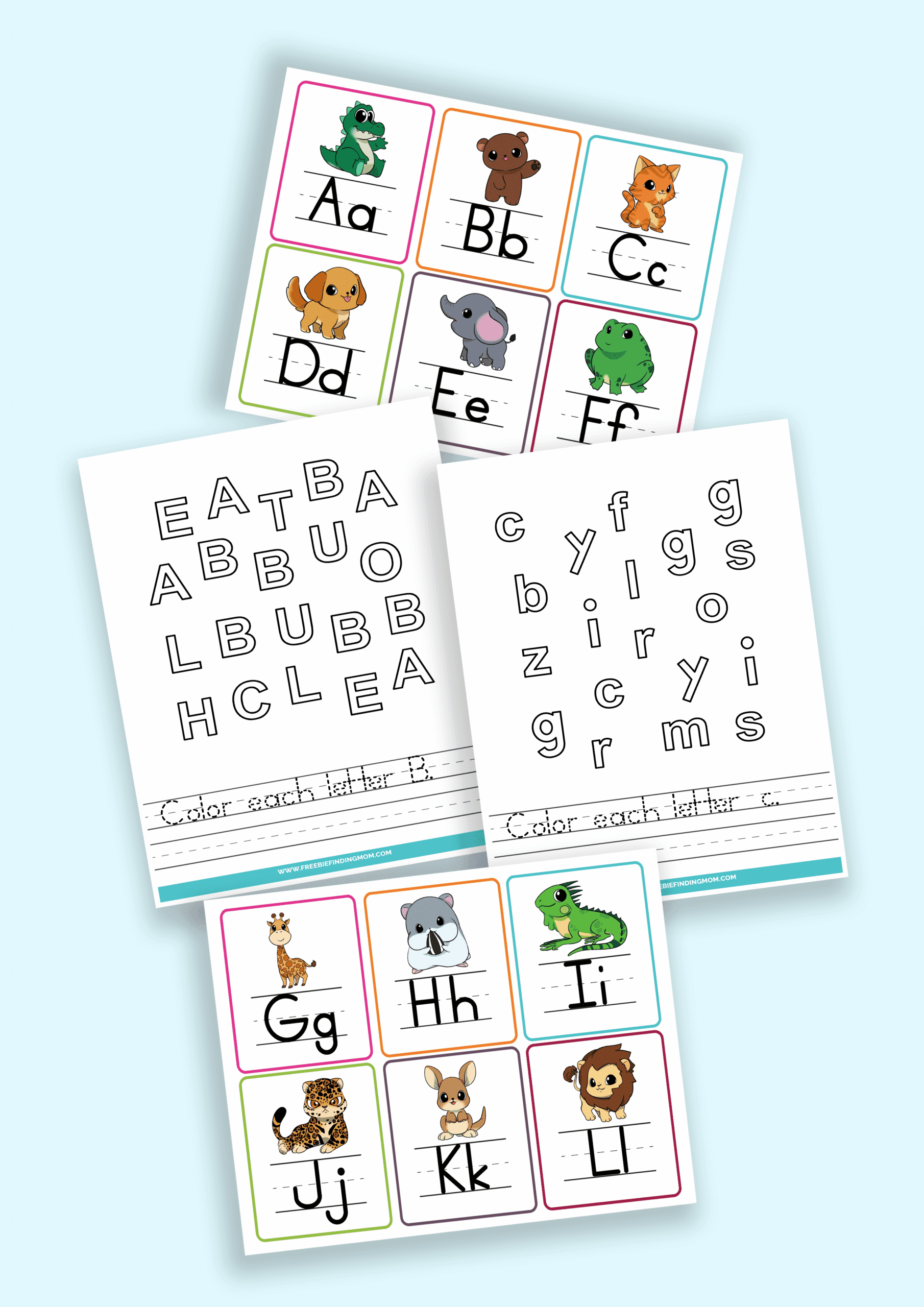
Worksheets serve as an excellent tool for reinforcing alphabet recognition. They provide structured activities that can engage children while helping them develop essential skills. From tracing letters to matching them with corresponding images, these worksheets allow preschoolers to practice in a focused way. They are not just busy work; they’re a means to solidify understanding and encourage independent learning.
Choosing the Right Worksheets
When selecting educational worksheets for preschoolers, consider the following factors:
- Skill Level: Ensure the worksheets match your child’s current abilities. Look for materials that provide a mix of tracing, coloring, and identifying letters.
- Variety: Worksheets that incorporate different activities keep children engaged. Look for options that include games, puzzles, and creative tasks.
- Clarity: The design should be visually appealing but not overwhelming. Simple layouts help children focus on the task without distractions.
Downloading and Printing the Worksheets
Once you’ve chosen the right worksheets, the next step is downloading and printing them. Here’s how to do it effectively:
- Select Worksheets: Browse through a collection of worksheets and pick the ones that fit your child’s learning style.
- Download: Most resources will be available in PDF format. This ensures that the formatting remains intact when printing.
- Print Settings: Portrait orientation typically works best for worksheets. Set your printer to use standard letter size (8.5 x 11 inches) for easy handling.
- Paper Choice: For durability, consider using cardstock or a thicker paper. If you plan to laminate the worksheets for repeated use, this choice is even more critical.
Setting Up a Learning Environment
Creating an inviting learning space can significantly impact your child’s engagement. Here are some tips:
- Dedicated Area: Set up a small table or desk where your child can work on their worksheets comfortably.
- Supplies: Stock the area with colored pencils, markers, and erasers. Having everything ready enhances the experience.
- Routine: Incorporate worksheet time into your daily schedule. Consistency helps build a habit and reinforces learning.
Using Worksheets Effectively
Now that you have everything set up, here’s how to maximize the impact of the worksheets:
- Interactive Learning: Engage with your child while they work. Ask questions about the letters or sounds they’re tracing or coloring. This interaction enhances comprehension.
- Positive Reinforcement: Celebrate small achievements. Whether your child successfully traces a letter or identifies it in a word, positive feedback encourages them to keep going.
- Mix It Up: Occasionally, introduce games that complement the worksheets. For example, letter scavenger hunts around the house can reinforce their learning in a fun way.
Types of Worksheets to Look For
When exploring educational worksheets for preschoolers, consider a variety of formats to keep your child engaged:
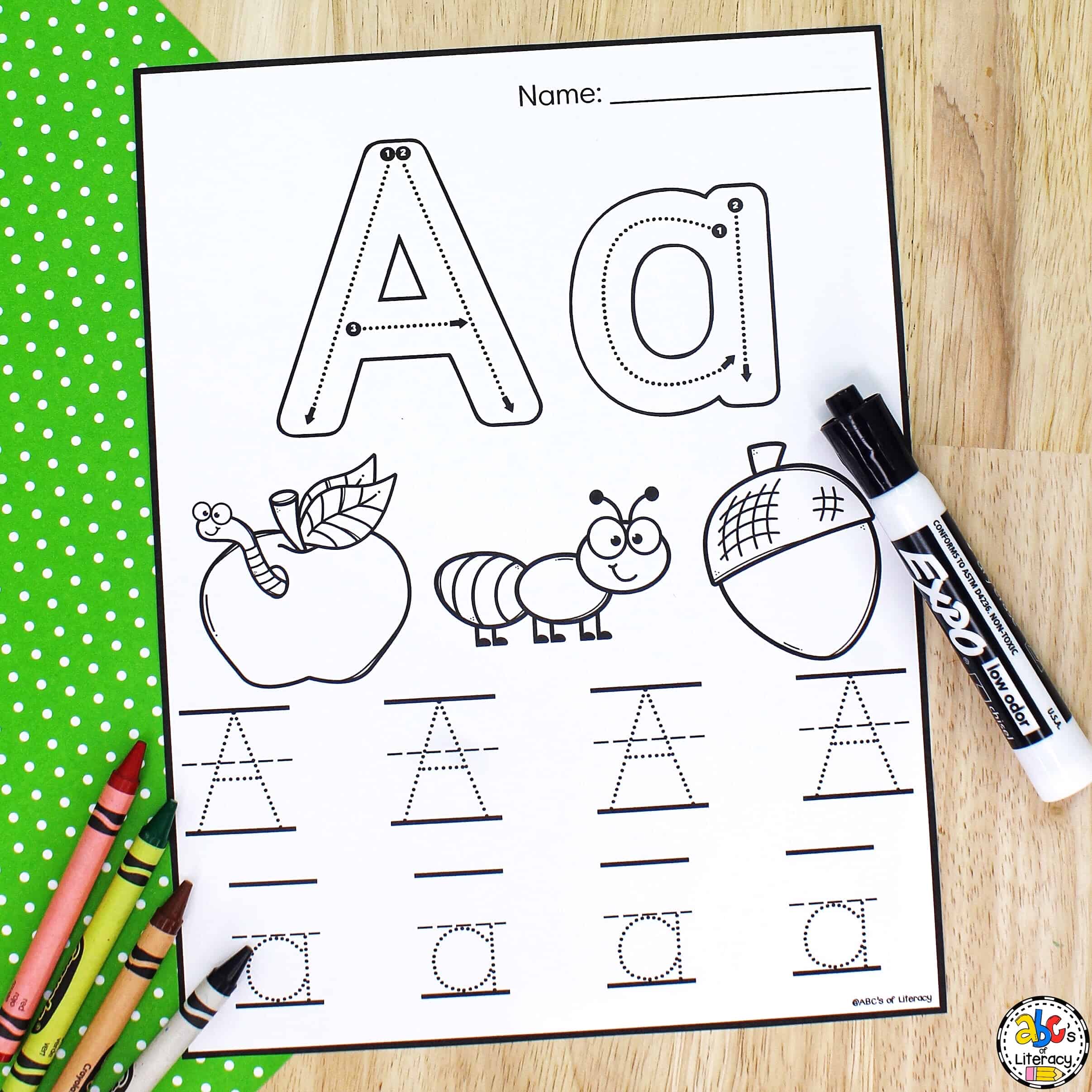
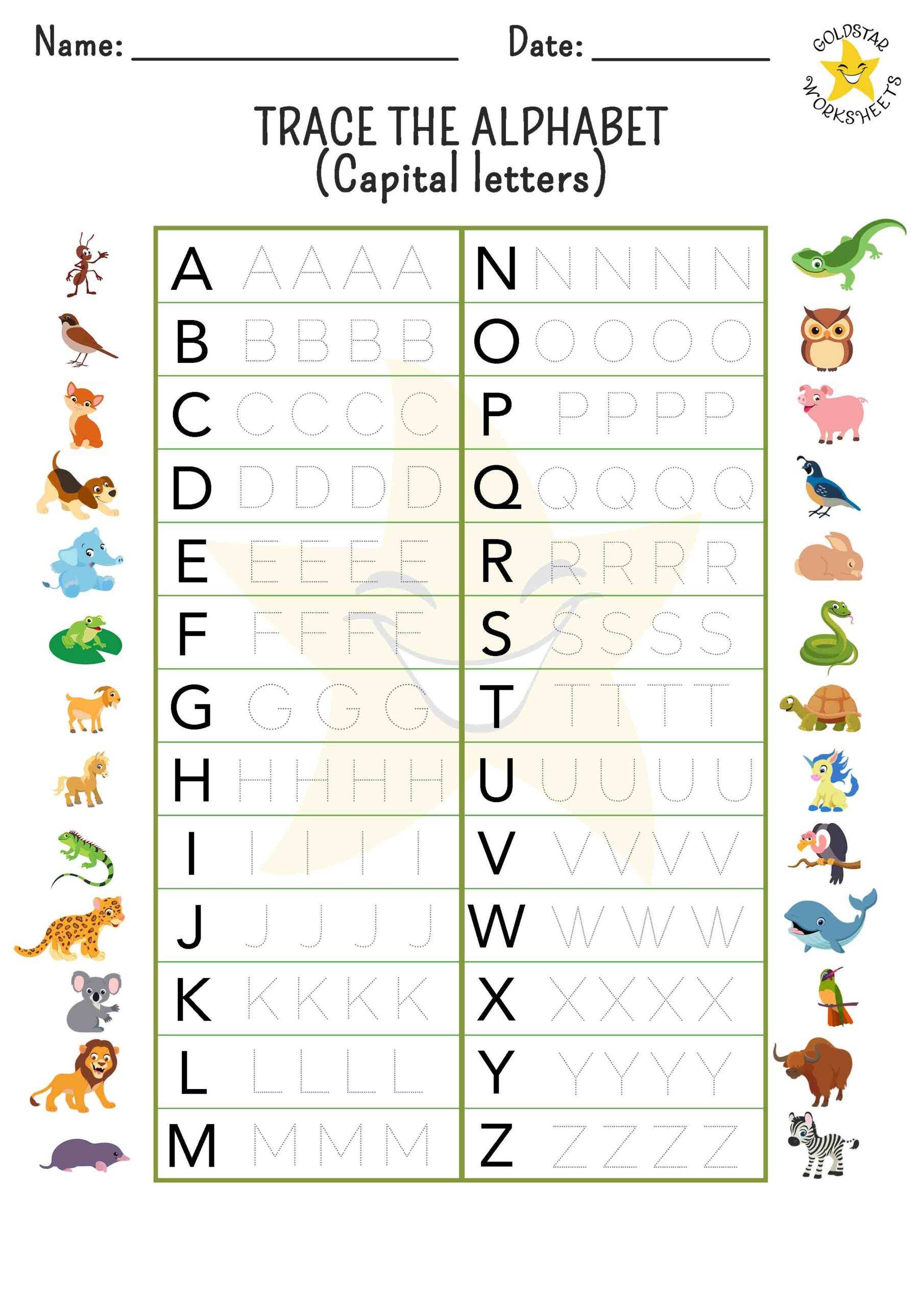
- Tracing Worksheets: These help children practice their fine motor skills while learning to write letters.
- Coloring Pages: Associating letters with images (like “A is for Apple”) makes learning more relatable and enjoyable.
- Matching Activities: Worksheets that require matching letters with corresponding pictures reinforce recognition and recall.
- Cut and Paste Activities: These worksheets develop fine motor skills and provide a hands-on way to learn.
Incorporating Worksheets Into Daily Life
Integrating educational worksheets into everyday activities can help reinforce learning. Here are a few practical ideas:
- During Meal Times: Discuss the letters on food packaging or label items around the house. This contextual learning solidifies their understanding.
- Story Time: Choose books that emphasize the alphabet and encourage your child to point out letters they recognize. After reading, you can follow up with a related worksheet.
- Play-Based Learning: Use toys or games that feature letters. For example, alphabet blocks can be combined with worksheet activities for a tactile experience.
Final Tips for Success
To ensure your child gets the most out of their educational worksheets, remember these key points:
- Keep sessions short and focused. Young children have limited attention spans, so aim for 15-20 minutes of worksheet time.
- Encourage creativity. Let your child decorate their worksheets or create a story using the letters they’ve learned.
- Be patient. Some children may take longer to grasp certain concepts. Celebrate progress, no matter how small.
By incorporating Educational Worksheets For Preschoolers Alphabet into your daily routine, you’ll make learning fun and effective. Start with a few worksheets, and soon you’ll see your child’s confidence grow as they master the alphabet.