
When it comes to teaching cursive writing, having the right resources can make all the difference. Cursive-Writing-Worksheets Cursive-Alphabet provide a structured and effective way to help students learn and practice their cursive letters. These worksheets are specifically designed to guide young learners through the nuances of cursive handwriting, making them ideal for classrooms or homeschooling environments.
Understanding Cursive Writing Worksheets
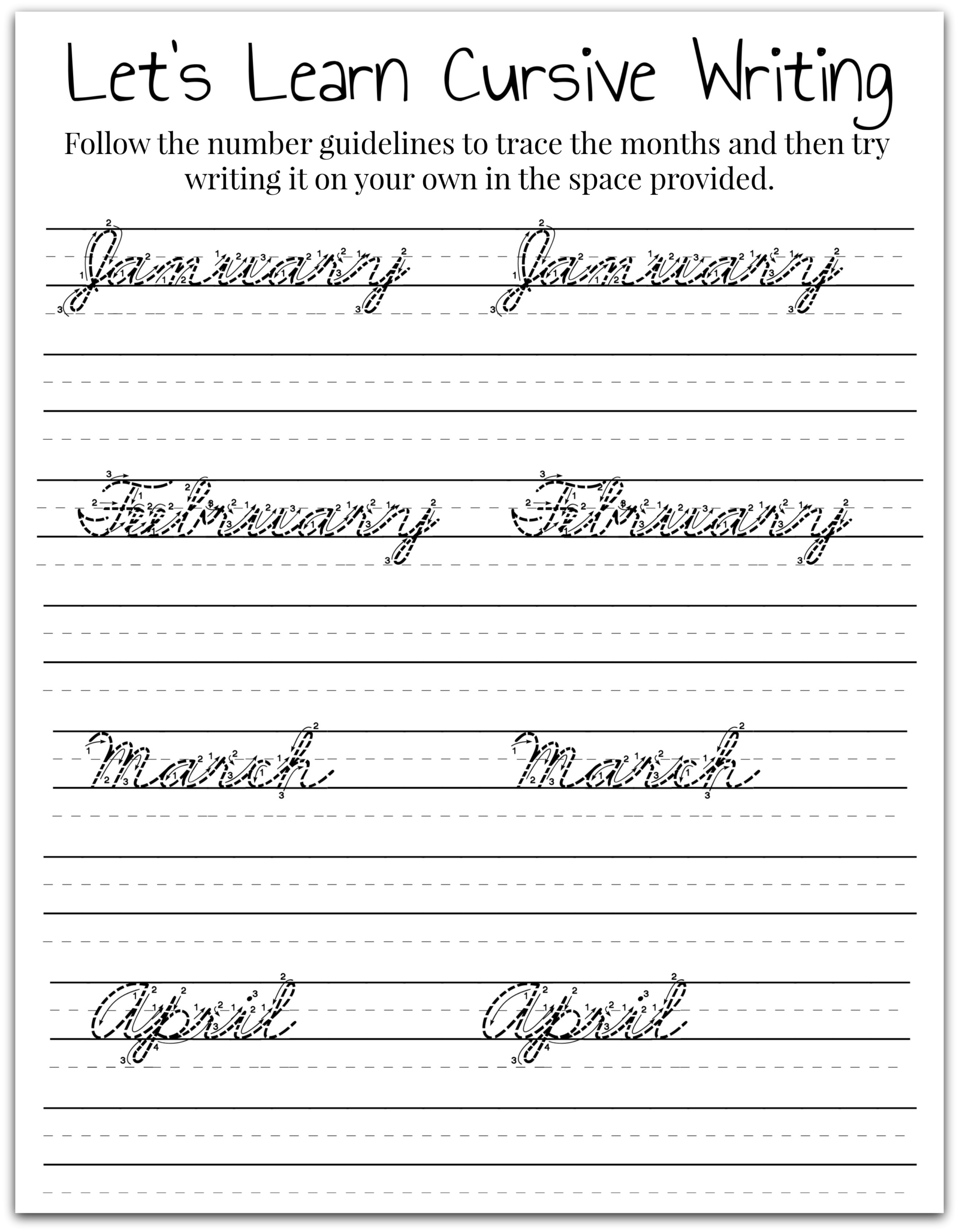
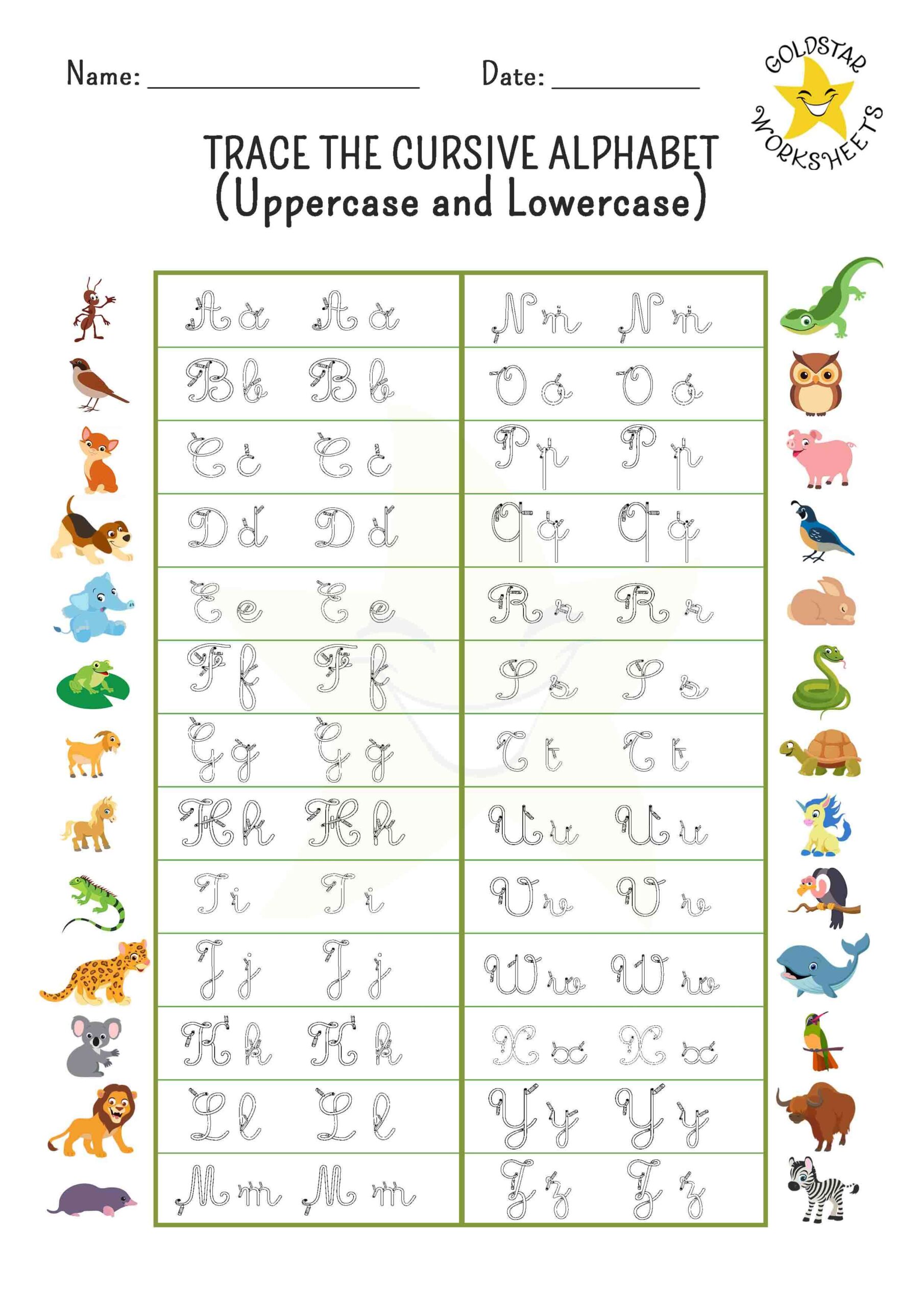
Cursive writing is more than just a method of writing; it’s an art form that encourages fluidity and expression. These worksheets typically feature both uppercase and lowercase letters, allowing students to see the differences in formation. The layout often includes dashed lines for tracing, which helps students learn the correct strokes while also developing muscle memory.
For students in grades 2 to 4, these worksheets can be particularly beneficial as they transition from print to cursive. The cursive alphabet worksheets often start with simple single letters before progressing to more complex combinations and entire words. This gradual buildup is essential for maintaining student confidence and engagement.
Layout and Design Features
The layout of Cursive-Writing-Worksheets Cursive-Alphabet is key to their effectiveness. Each page typically includes:
- Traceable Letters: Each letter is presented in a dashed format, making it easy for students to follow along. This tracing aspect is crucial, especially for younger students who are just starting to develop their writing skills.
- Blank Spaces: After tracing, students are often provided with blank lines to practice writing the letters independently. This allows for immediate application of what they’ve learned.
- Visual Examples: Many worksheets include visual guides that demonstrate how to form each letter correctly. This can help students who are visual learners significantly.
- Engaging Themes: Some worksheets incorporate fun themes or images related to the letters, which can make the practice more enjoyable and relatable for students.
When printing these worksheets, consider using a standard letter size (8.5 x 11 inches) for easy handling and storage. Portrait layout often works best for these sheets, ensuring that all elements are clearly visible and accessible.
Practical Classroom Use
Implementing Cursive-Writing-Worksheets Cursive-Alphabet in your classroom can be straightforward. Here are some practical tips:
- Bulk Printing: If you have a full class of students, print multiple copies of each worksheet in advance. This way, students can work at their own pace without waiting for additional materials.
- Answer Keys: While most worksheets are self-explanatory, having an answer key can be helpful for quick reference when grading or providing feedback.
- Review Sessions: Incorporate these worksheets into your review sessions, allowing students to practice during downtime or as part of their homework assignments.
- Group Activities: Consider using the worksheets for group activities where students can pair up and help each other with tracing and writing. This not only fosters collaboration but also reinforces learning through teaching.
Enhancing Engagement Through Creativity
To keep students engaged, consider integrating creative elements into the use of these worksheets. For example, you can have students create a cursive alphabet book where they write each letter and include an illustration that starts with that letter. This not only reinforces their writing skills but also encourages creativity and personal expression.
Additionally, you can introduce coloring pages that match the letters they are learning. For instance, if students are practicing the letter “A,” provide a coloring page of an apple to accompany the writing practice. This multi-faceted approach can make learning cursive writing more enjoyable and memorable.
Final Considerations for Teachers
When using Cursive-Writing-Worksheets Cursive-Alphabet, it’s essential to consider the diversity of your students’ learning styles. Some may thrive on the structured approach of tracing, while others might benefit from more freeform practice. Be flexible and ready to adapt the worksheets to suit different needs.
Lastly, encourage parents to get involved by sending home copies of the worksheets for additional practice. This not only extends learning beyond the classroom but also fosters a supportive learning environment at home.
As a final note, always ensure that the worksheets are printed on high-quality paper to withstand repeated use. Cardstock is a great option if you plan to laminate them for durability. Using high-quality resources will ultimately support your students’ learning journey in cursive writing.