
Cursive writing is an essential skill that helps children develop fluidity and speed in their handwriting. It’s not just about forming letters; it’s about nurturing a style that combines legibility with elegance. Cursive Alphabet Practice Worksheets Free provide an excellent resource for educators and parents looking to enhance their students’ or children’s handwriting skills. These worksheets are designed to be engaging and easy to use, making them perfect for classroom or home practice.
Understanding the Structure of Cursive Alphabet Practice Worksheets
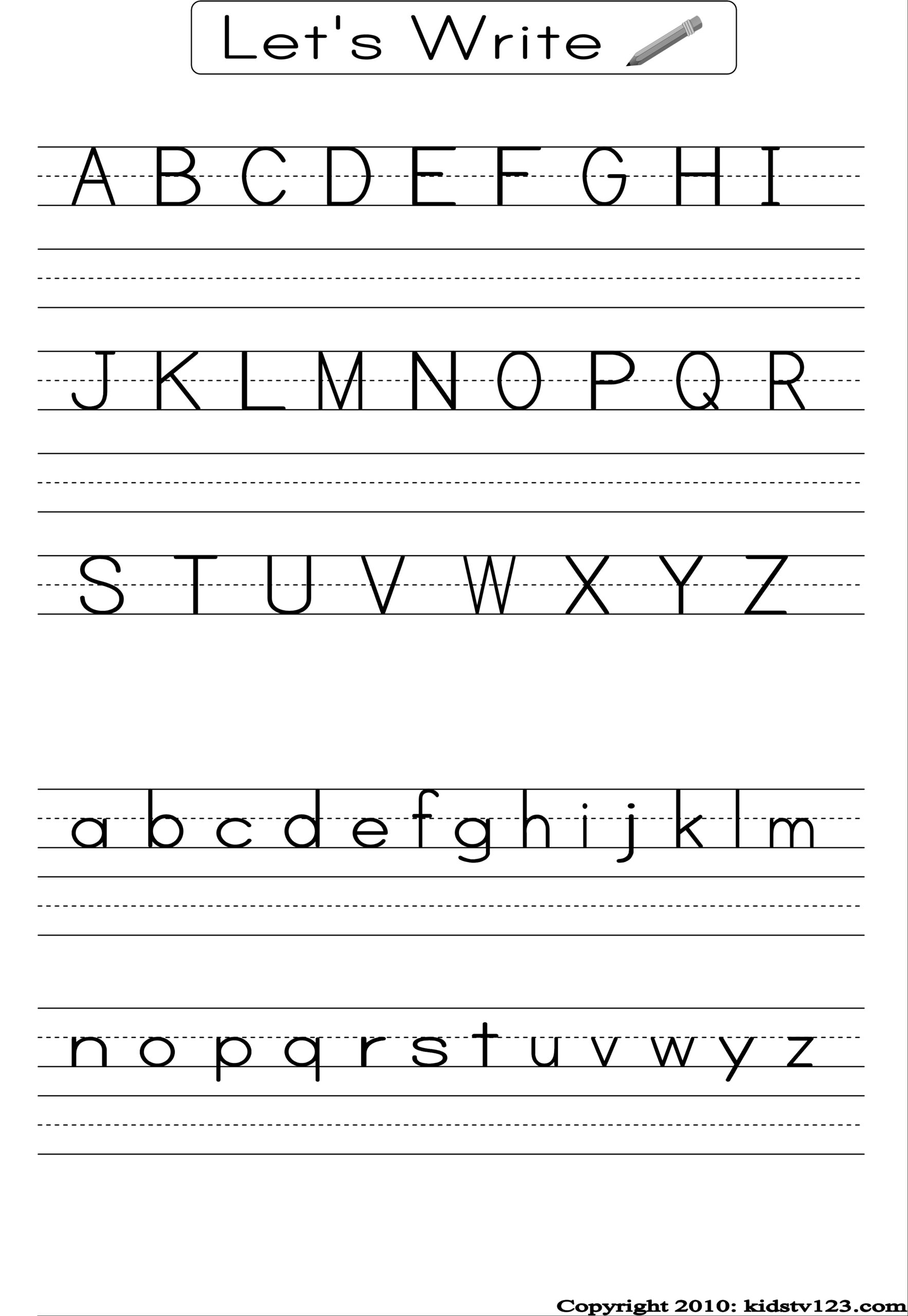
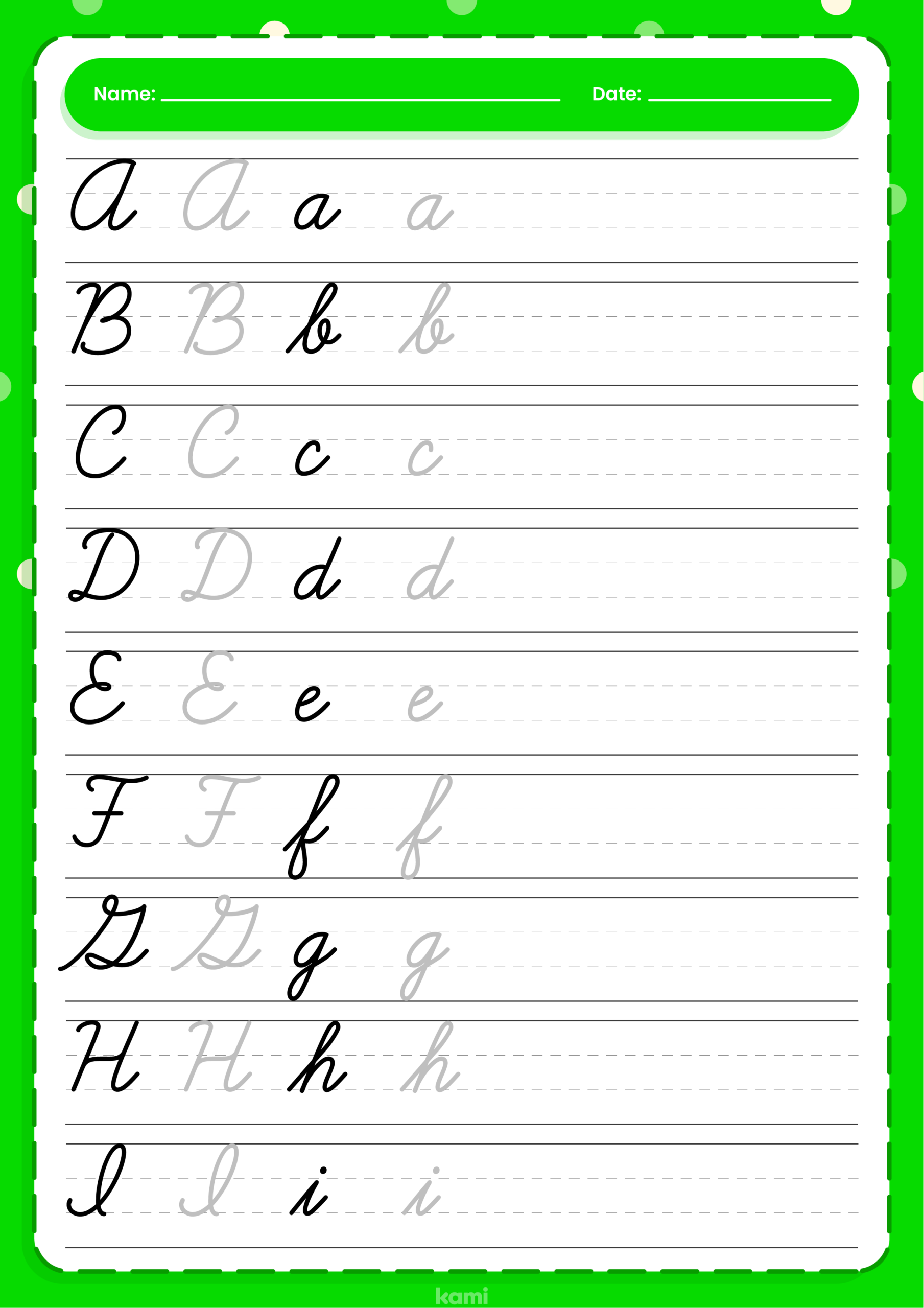
When you first look at the Cursive Alphabet Practice Worksheets Free, you’ll notice a clean and organized layout. Each worksheet typically features the entire alphabet, both uppercase and lowercase letters, presented in cursive font. The letters are often accompanied by guiding lines that help students understand the proper size and slant of each character.
Here are some key features you might observe:
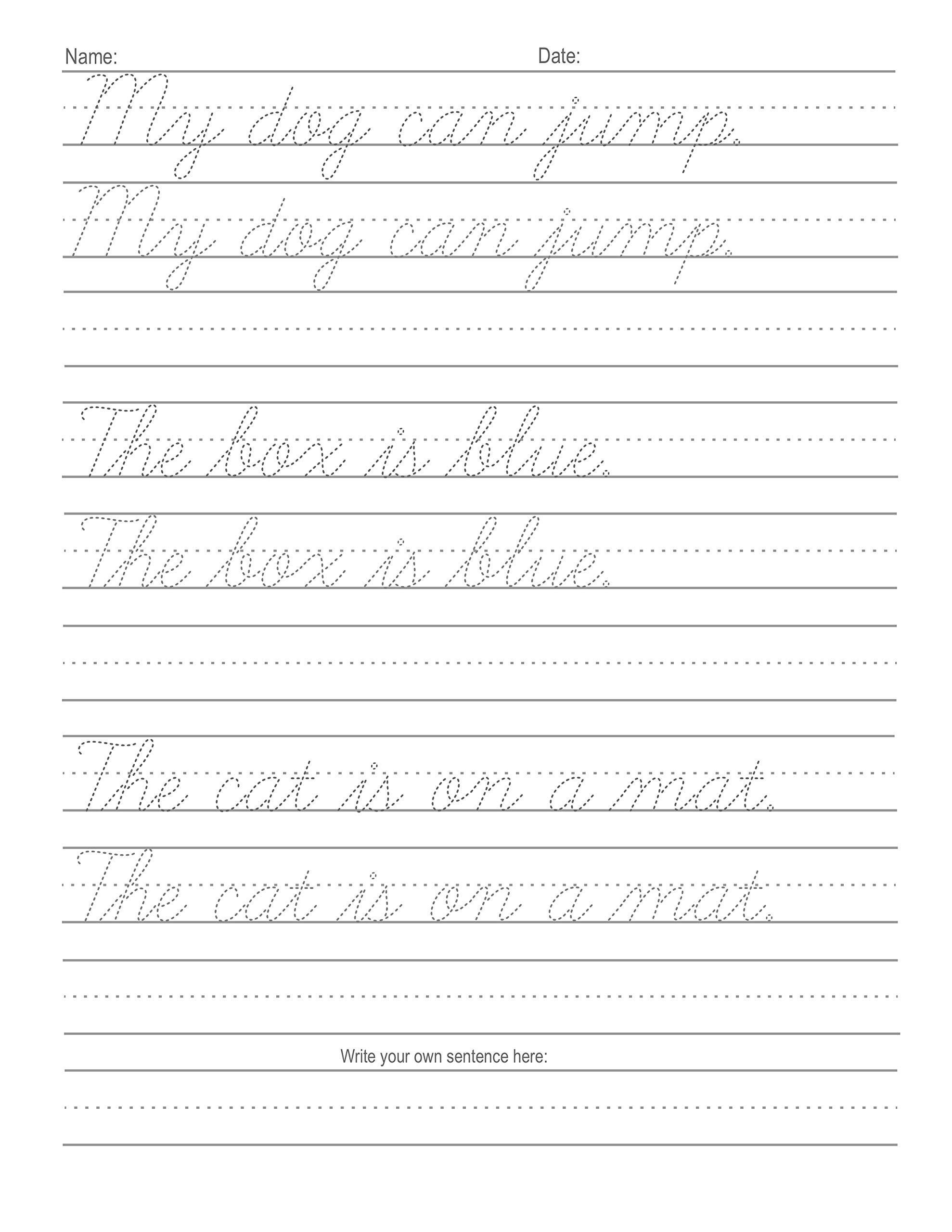
- Letter Formation Guides: Each letter usually includes arrows or dotted lines to guide students on how to write the letters correctly.
- Practice Lines: There are typically multiple lines beneath each letter for students to practice writing the letters repeatedly. This repetition helps reinforce muscle memory.
- Engagement Elements: Some worksheets may include fun graphics or themes related to letters, like animals or objects, making the practice more enjoyable for younger learners.
This layout not only helps in teaching cursive writing but also in keeping students engaged and motivated.
Choosing the Right Worksheets for Your Classroom
Selecting the appropriate Cursive Alphabet Practice Worksheets Free can significantly affect how well your students grasp cursive writing. Consider the following factors when making your choice:
- Grade Level Suitability: While some worksheets are designed for younger students, others might be more suitable for older kids who are refining their skills. Ensure the worksheets match the skill level of your learners.
- Instructional Support: Look for worksheets that provide clear instructions on how to form each letter. This can be particularly helpful for students who may struggle with cursive writing.
- Variety and Progression: Worksheets that offer a variety of exercises—such as connecting letters to form words—can help students transition from individual letter practice to full sentences.
- Printable Quality: Ensure the worksheets are available in high-quality PDF format for easy printing. This helps avoid any scaling issues that might arise with image files.
By carefully selecting worksheets that suit your classroom needs, you’ll create a more effective learning environment.
Incorporating Cursive Writing Into Daily Lessons
Integrating cursive writing practice into your daily lessons can be straightforward and beneficial for your students. Here’s how you can effectively incorporate these worksheets into your teaching routine:
- Daily Warm-Ups: Start each class with a few minutes dedicated to cursive practice. Distributing Cursive Alphabet Practice Worksheets Free at the beginning of each lesson can help warm up students’ hands and minds.
- Thematic Units: Tie in cursive writing practice with thematic units. For example, if you’re teaching about animals, use worksheets that feature animal names for students to practice writing.
- Peer Review: Encourage students to exchange their completed worksheets and give each other feedback. This not only builds community but also allows them to learn from one another.
- Parent Involvement: Send copies of the worksheets home for students to practice. This encourages parents to engage in their child’s learning and provides additional practice outside of school.
By embedding cursive practice into your lessons, you’ll reinforce the importance of handwriting while keeping it fun and relevant.
Tips for Effective Cursive Practice at Home
For parents looking to support their children in cursive writing, here are some practical tips to make practice sessions productive:
- Create a Dedicated Space: Set up a quiet and organized area for writing that’s free from distractions. A well-lit space can help children focus better.
- Use Quality Materials: Encourage the use of quality paper and writing tools. A smooth gel pen or pencil can make writing easier and more enjoyable.
- Establish a Routine: Consistency is key. Set aside specific times during the week for cursive practice to help children develop a habit.
- Celebrate Progress: Whether it’s a completed worksheet or a beautifully formed letter, celebrate your child’s achievements. Positive reinforcement can boost their confidence and motivation.
Cursive writing is a skill that benefits from regular practice, and parents can play a pivotal role in their child’s development.