
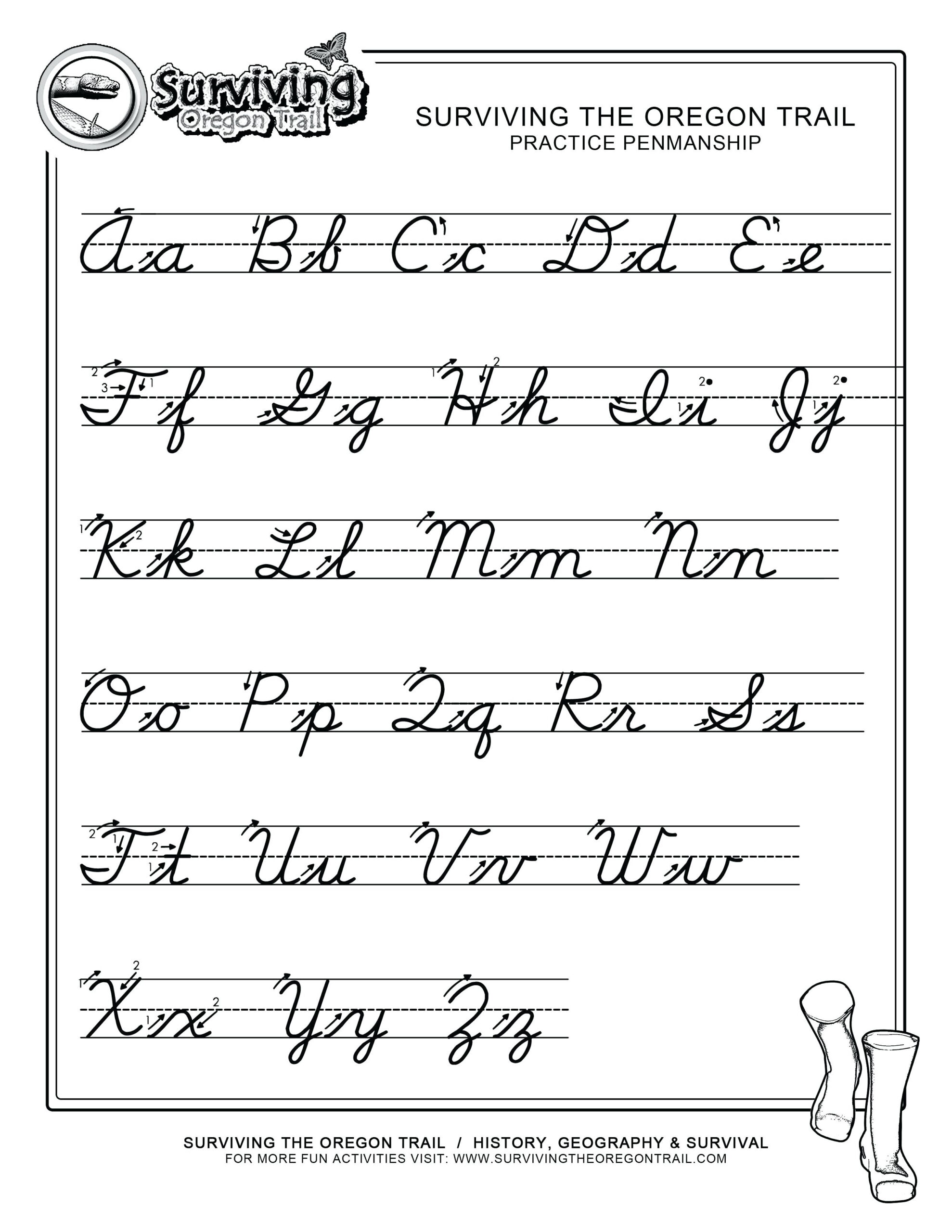
Cursive writing can be a challenging yet rewarding skill for young learners. The Cursive Alphabet Lower And Uppercase Worksheet is designed to assist teachers and parents in guiding children through the process of mastering cursive letters. This worksheet offers a structured approach to learning, making it ideal for classroom settings, homeschooling, or at-home practice.
Understanding Cursive Writing
Cursive writing combines letters in a flowing manner, which can help improve handwriting speed and fluidity. Children typically begin learning cursive in second or third grade, depending on their readiness and curriculum. This worksheet serves as an excellent resource for reinforcing that learning by providing ample practice opportunities for both lowercase and uppercase letters.
When introducing cursive writing, it’s crucial to explain the purpose and benefits to the children. Encouraging the use of cursive can enhance their writing skills and foster creativity in their written communication. You can start with a brief discussion about how cursive is often used in personal letters, invitations, and even in artistic writing styles.
How to Use the Cursive Alphabet Lower And Uppercase Worksheet
To make the most of the Cursive Alphabet Lower And Uppercase Worksheet, follow these practical steps:
Prepare Your Materials
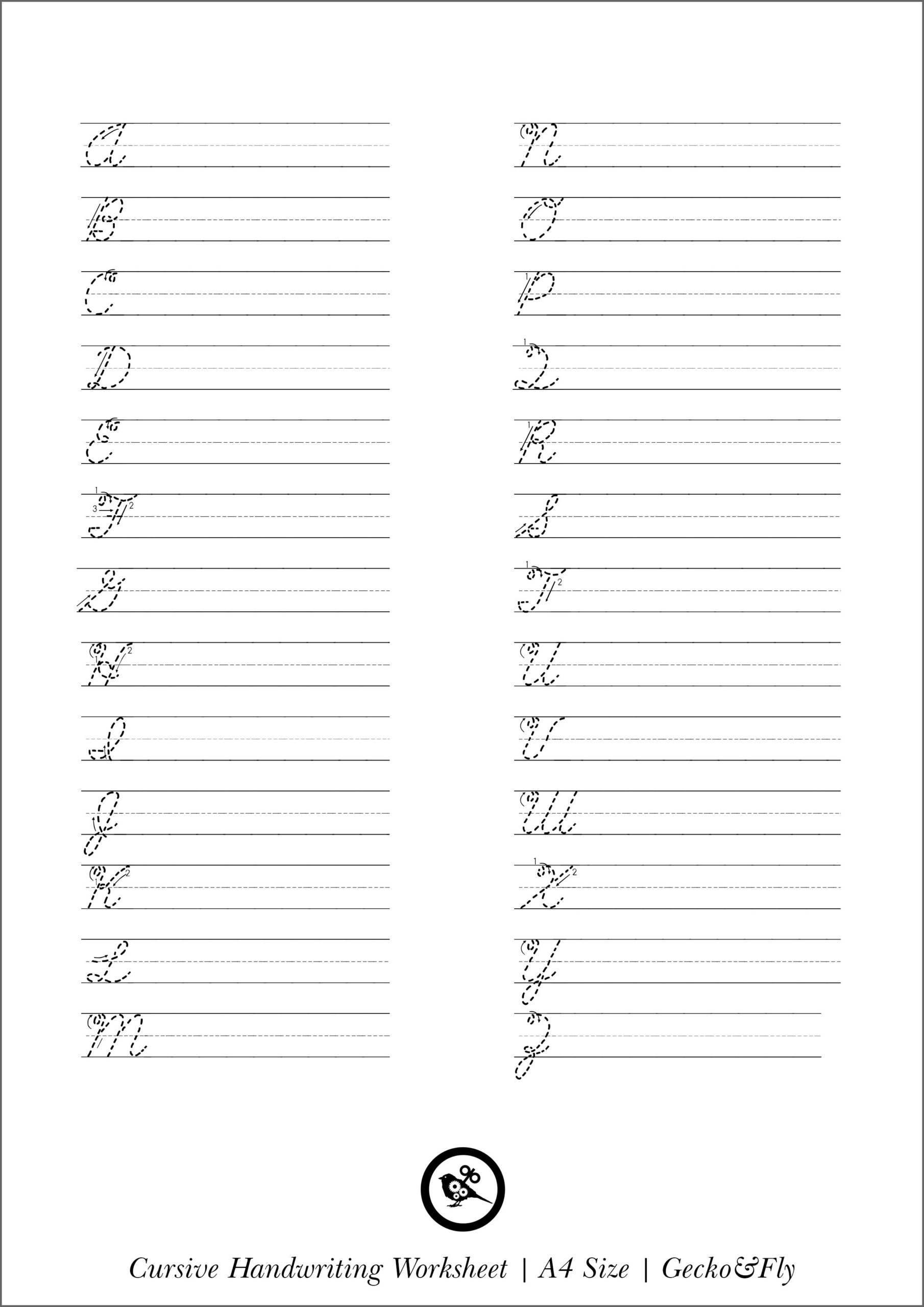
- Print the Worksheet: Use standard 8.5 x 11-inch paper for easy handling and printing. If you have access to a printer that uses cardstock, consider using it for increased durability, especially if you plan to reuse the worksheet.
- Writing Tools: Provide students with a variety of writing tools, such as pencils, gel pens, or markers. Experimenting with different tools can keep the practice engaging and enjoyable.
Introduce the Worksheet
Begin by explaining the layout of the worksheet. Typically, it will feature:
- Letter Examples: Each letter will usually have an example in both uppercase and lowercase, showing the correct strokes and connections.
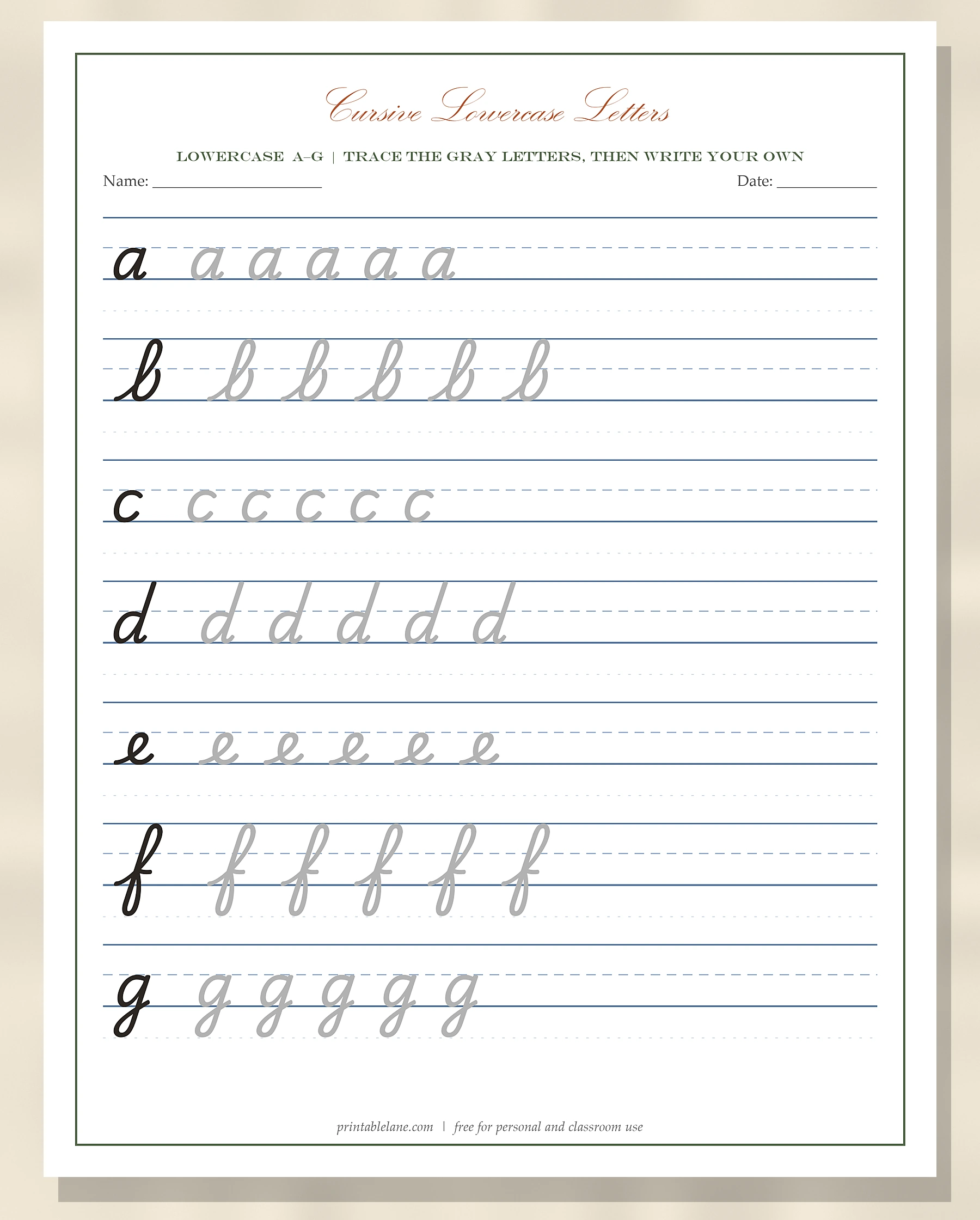
- Practice Lines: These lines allow students to trace and then write out the letters on their own.
Practice Sessions
Set aside dedicated time for cursive practice. Here’s how you can structure these sessions:
- Warm-Up: Start with simple strokes and curves to get students comfortable with the penmanship involved in cursive writing.
- Tracing: Have students trace the letters first. This helps them familiarize themselves with the shapes and flow of cursive letters.
- Independent Practice: After tracing, allow students to write the letters independently. Encourage them to focus on fluidity and connecting the letters as they write.
- Review and Feedback: After practice, review their work. Offer constructive feedback, focusing on areas where they excel and where they can improve.
Tracking Progress With the Cursive Worksheet
Monitoring progress is essential in any educational setting. The Cursive Alphabet Lower And Uppercase Worksheet can be a valuable tool for tracking improvements in students’ handwriting. Here are some strategies to effectively monitor their progress:
Regular Check-Ins
Schedule weekly check-ins to assess each student’s development. You can compare their initial attempts with their most recent work. Take note of improvements, such as:
- Consistency in Letter Formation: Are the letters more uniform in size and shape?
- Fluidity of Writing: Is there a noticeable improvement in how letters connect?
- Speed of Writing: Are they able to write more quickly while maintaining quality?
Create a Progress Chart
Consider creating a simple progress chart for each student. You can include columns for:
- Date of Practice
- Specific Letters Practiced
- Self-Assessment of Confidence Level
- Teacher Feedback
This chart can help both teachers and students visualize progress over time.
Incorporating Cursive Writing Into Daily Learning
To make cursive writing a regular part of your curriculum, integrate it into various subjects. Here’s how:
- Language Arts: Have students write cursive versions of vocabulary words, spelling tests, or book reports.
- Art Projects: Encourage students to create decorative pieces using cursive writing for quotes or poems.
- Journaling: Establish a daily journaling routine where students can express their thoughts in cursive.
By embedding cursive writing into different subjects, you reinforce the skill and make it more relevant to students’ daily experiences.