
The need for clear and legible handwriting is fundamental in education, especially in early learning environments. Cursive Alphabet Handwriting Practice Worksheets are an excellent resource for helping children master the flowing script that cursive writing requires. Through these worksheets, students can develop their fine motor skills, enhance their handwriting fluency, and gain confidence in their writing abilities.
Understanding Cursive Writing
Cursive writing is a style of penmanship where letters are connected to each other, making it faster and often more elegant than print writing. It is taught typically between the second and fourth grades, but many educators introduce it earlier, depending on the child’s readiness. Understanding cursive writing’s structure is essential for students as it lays the foundation for better writing skills.
Benefits of Cursive Writing
There are numerous benefits associated with teaching cursive writing. Research suggests that cursive writing may enhance brain development, improve fine motor skills, and foster creativity. Additionally, many students find that they can write faster in cursive than in print. This speed can be especially beneficial during timed writing assessments or tests.
How to Use Cursive Alphabet Handwriting Practice Worksheets
Cursive Alphabet Handwriting Practice Worksheets can be utilized effectively in various settings, such as classrooms, homeschools, or even during family study time. Here’s how you can make the most of these worksheets:
- Print a Variety: Start by printing multiple copies of the worksheets. Depending on your classroom size or family needs, printing in bulk can save time. Use standard letter size (8.5 x 11 inches) paper, as it fits most home and school printers.
- Set Up a Routine: Establish a daily or weekly routine where students practice cursive writing. Consistency is key in developing muscle memory. Aim for short, focused sessions of about 15-20 minutes to keep students engaged without overwhelming them.
- Use Different Writing Tools: Encourage students to experiment with different writing instruments. Pencils, gel pens, and even markers can provide varied feedback, helping students discover what feels best for them.
- Incorporate Feedback: As students complete their worksheets, provide constructive feedback. Highlight areas where they excel and gently point out areas for improvement. This can motivate students to refine their skills.
- Mix in Fun Activities: Combine the worksheets with fun activities such as cursive writing games or art projects. For example, students can create greeting cards or decorate their names in cursive. This approach fosters a love for writing while reinforcing skills learned.
Selecting the Right Worksheets
When looking for Cursive Alphabet Handwriting Practice Worksheets, consider the following features to ensure they meet your educational goals:
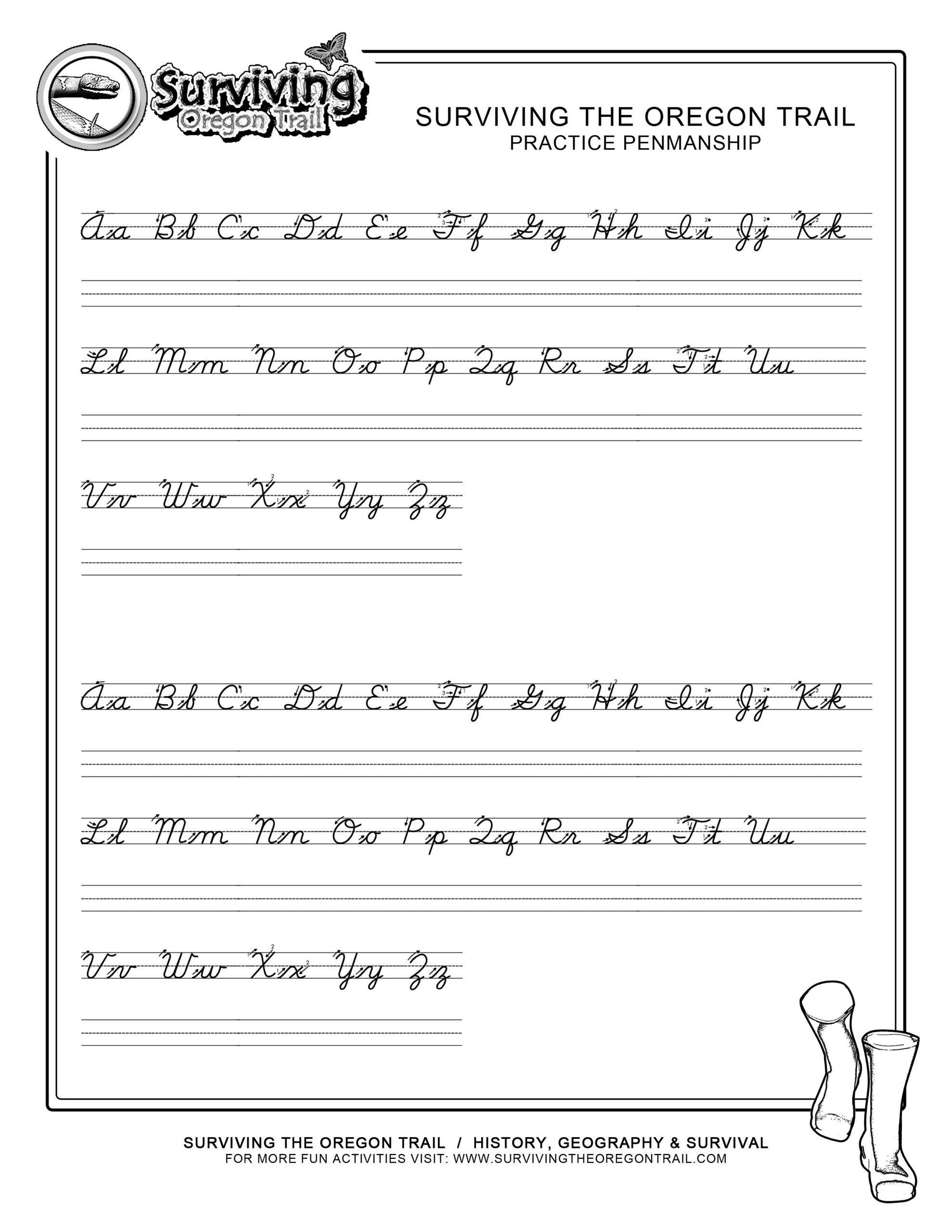
- Clear Instructions: Worksheets should provide clear guidance on how to form each letter. Look for those that include directional arrows or dots to help students visualize the correct movements.
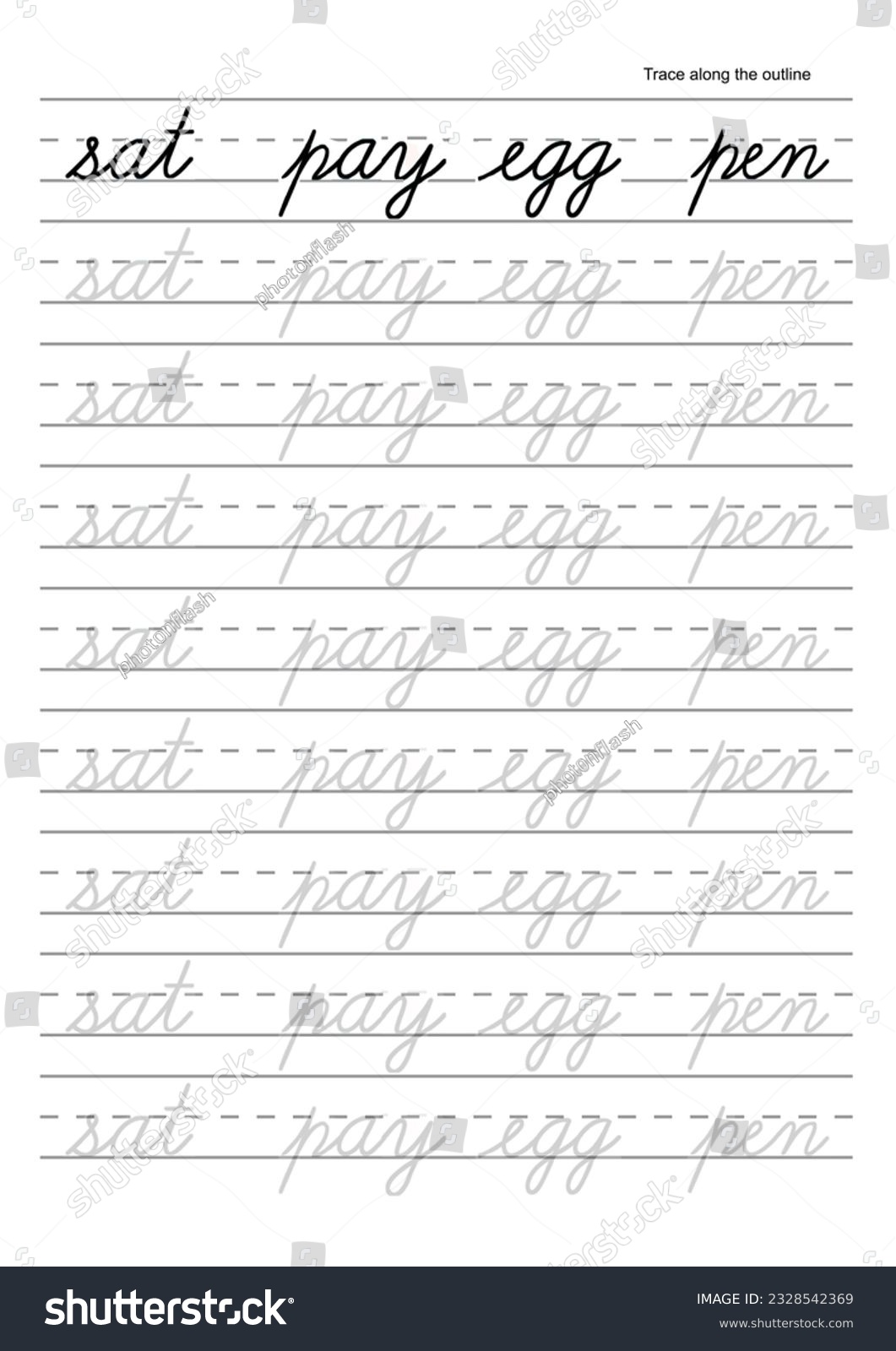
- Variety of Exercises: Effective worksheets will include a range of exercises, from single letter practice to full words and sentences. This variety keeps practice engaging and helps students see how letters connect in different contexts.
- Age Appropriateness: Ensure that the worksheets are suitable for your student’s age and skill level. For younger learners, worksheets with larger letters and more space for writing can be beneficial. Meanwhile, older students may benefit from more complex exercises that challenge their abilities.
Incorporating Technology
Today, integrating technology with traditional writing practices can be effective. Many educators and parents find that using tablets or computers for writing practice can appeal to tech-savvy students. Consider using apps that offer cursive writing practice, which can complement the worksheets you provide.
Additionally, some printable resources may include QR codes that link to instructional videos or interactive exercises. This multimedia approach can enhance learning and keep students engaged.
Enhancing the Learning Experience
To further enrich the learning experience, consider these tips:
- Create a Cursive Writing Wall: Dedicate a wall or bulletin board in your classroom or home to showcase students’ best cursive writing samples. This recognition can motivate them to improve further.
- Peer Review Sessions: Pair students together for peer review sessions. They can provide feedback to one another, which can be a great way for students to learn from each other.
- Celebrate Progress: Acknowledge milestones in cursive writing. Whether it’s completing a set of worksheets or mastering a challenging letter, celebrating these achievements fosters a positive learning environment.
Immediate Tips for Success
Here’s a quick tip for immediate implementation in your teaching or home practice:
Laminating Worksheets: Consider laminating your Cursive Alphabet Handwriting Practice Worksheets. This allows students to practice multiple times with dry-erase markers, making it a cost-effective solution that reduces paper waste.
By integrating Cursive Alphabet Handwriting Practice Worksheets into your educational routine, you can help students develop essential writing skills while making learning fun and engaging.