
Using Complete The Alphabet Series Worksheets can be an excellent way to reinforce letter recognition and writing skills among young learners. These worksheets are designed for preschool and early elementary students, typically ages 4 to 7. They help children build a solid foundation in literacy by engaging them in fun and interactive activities that reinforce their understanding of the alphabet.
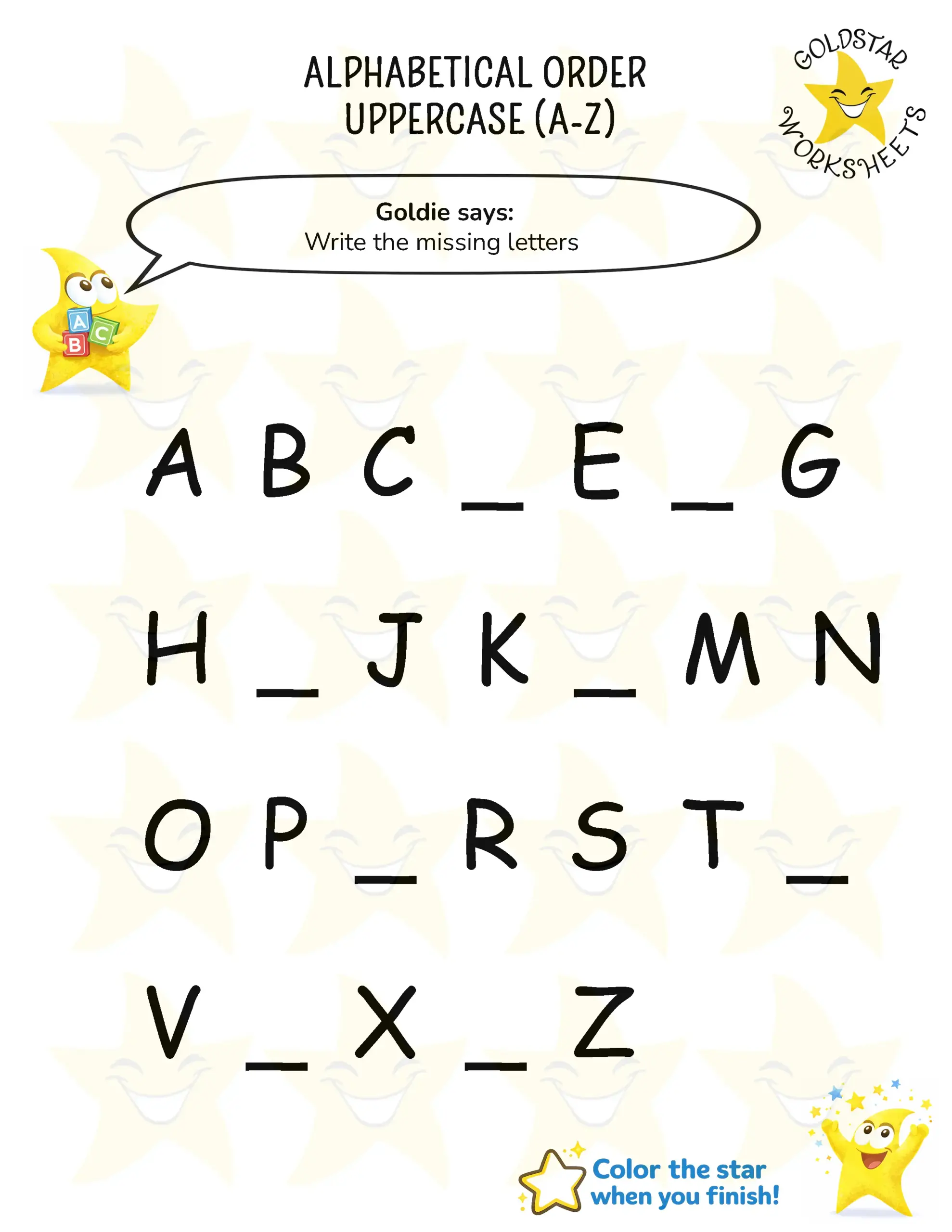
Understanding the Structure of the Worksheets
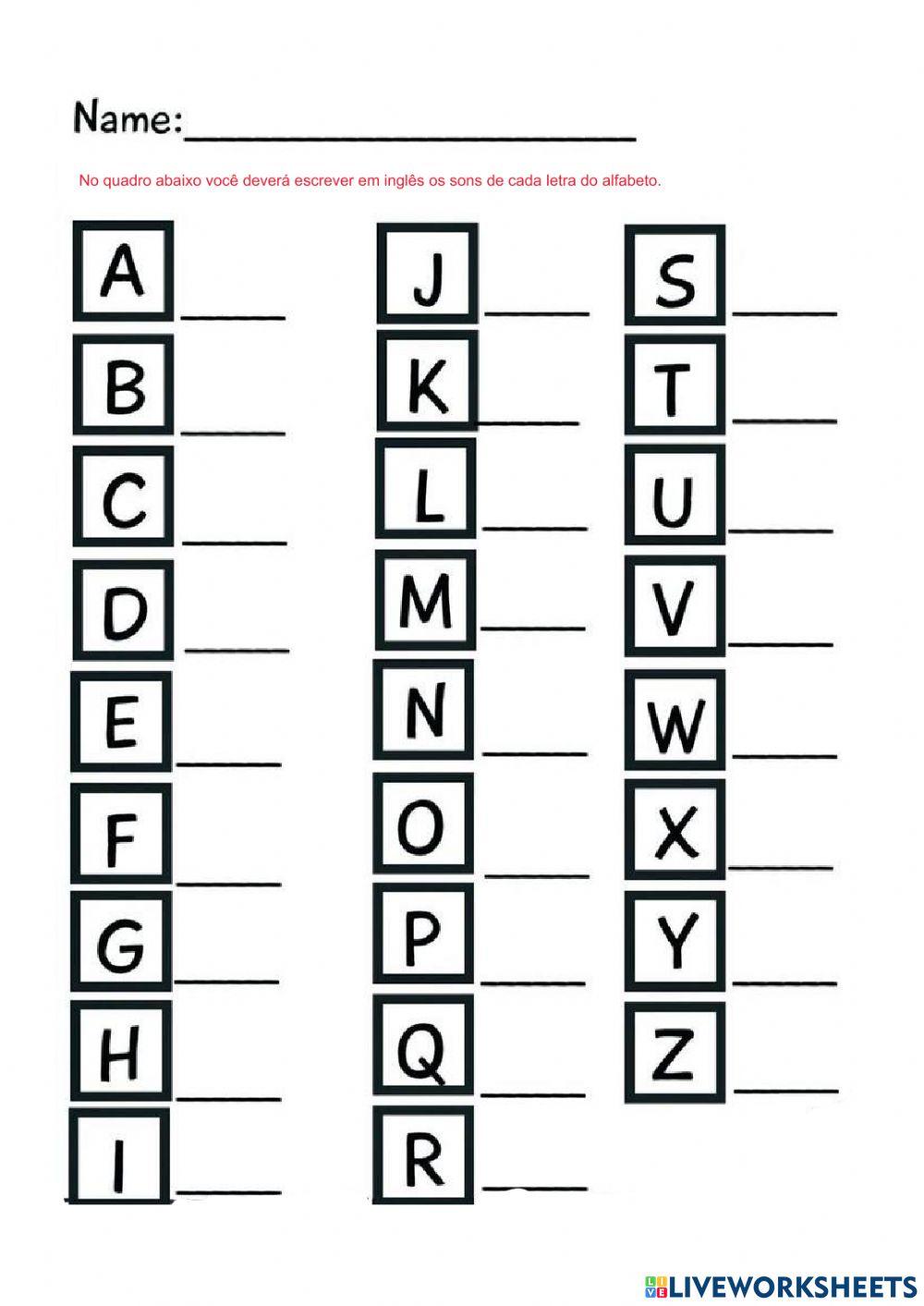
The Complete The Alphabet Series Worksheets usually consist of various activities related to each letter of the alphabet. Each worksheet may include:
- Letter tracing
- Coloring activities
- Matching exercises
- Simple words that begin with the letter
These activities are crafted to cater to different learning styles, allowing children to engage with letters through visual, auditory, and kinesthetic means. For example, tracing helps with fine motor skills, while coloring enhances creativity and keeps students engaged.
Planning Your Weekly Lessons
When utilizing these worksheets, consider spacing out the activities over a week rather than completing them all in one sitting. This approach allows for repetition, which is crucial for mastering letter recognition. Here’s a simple weekly plan:
- Day 1: Introduce the letter “A” with tracing and a coloring activity.
- Day 2: Move on to the letter “B,” including matching exercises.
- Day 3: Review letters “A” and “B” with a brief recap and fun games.
- Day 4: Introduce the letter “C” with tracing and related words.
- Day 5: Wrap up the week with a fun alphabet song or interactive game that includes all letters covered.
This method not only reinforces learning but also helps to keep students motivated and interested in the material. Repetition is key; revisiting letters throughout the week solidifies their understanding.
Effective Use of the Worksheets
When it comes to printing and using the worksheets, here are some practical tips:
- Paper Type: Use cardstock for durability, especially if children will be using markers or coloring pencils. Cardstock holds up better to wear and tear.
- Print Settings: Set your printer to portrait layout for standard worksheet size. Most worksheets are designed for 8.5” x 11” paper, which is the typical size for school printing.
- Lamination: If you want to reuse worksheets, consider laminating them. This allows for dry-erase markers to be used, making it easy for kids to practice multiple times.
Engaging Children With Additional Activities
To complement the Complete The Alphabet Series Worksheets, consider integrating additional activities that reinforce letter learning:
- Alphabet Songs: Singing songs that include the alphabet can help children memorize letter sounds and order.
- Story Time: Read books that focus on specific letters. For instance, read a book about animals that start with the letter “A” when introducing that letter.
- Craft Projects: Create crafts that represent each letter. For example, make an apple for “A” or a boat for “B.” This hands-on approach can make learning more memorable.
Assessing Progress and Encouragement
As you implement these worksheets and activities, it’s essential to assess your students’ progress. Keep an eye on how well they can recognize letters and their ability to write them. Regular assessments can be informal, such as observing their work during activities or through short quizzes.
Encouragement is vital in this process. Celebrate small victories when a child successfully identifies or writes a letter. Positive reinforcement can motivate them to continue engaging with the material.
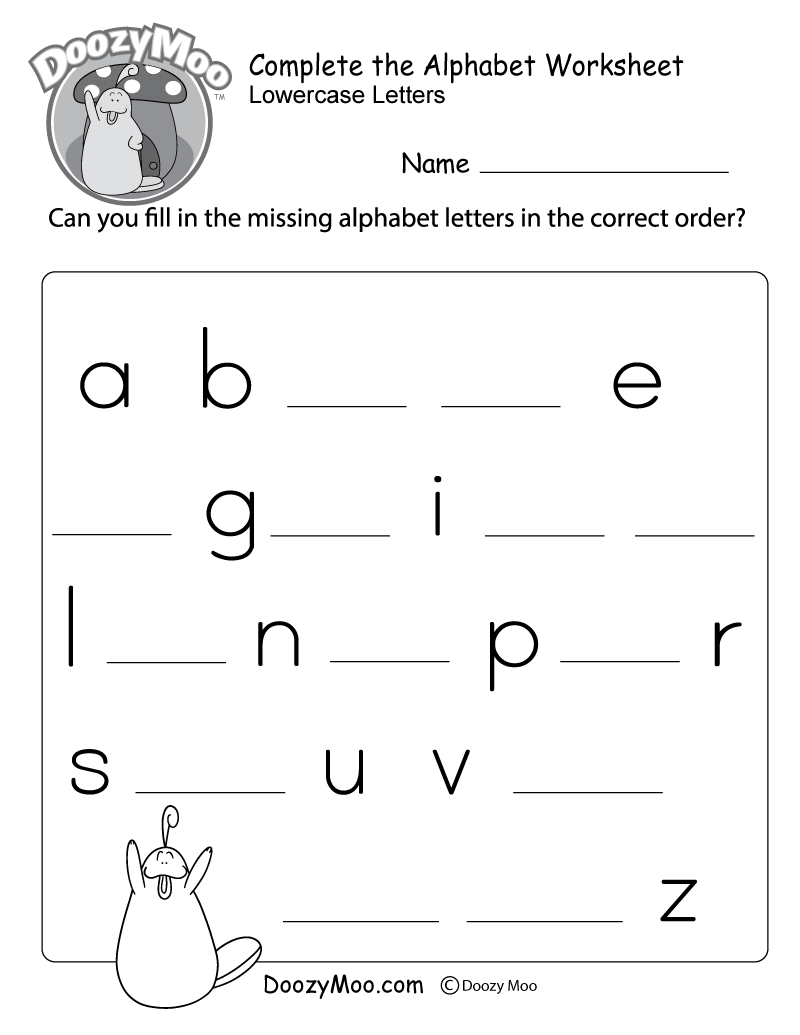
Final Tips for Success
To maximize the effectiveness of the Complete The Alphabet Series Worksheets, here’s a practical tip: create a visual alphabet chart in your classroom or home. This chart can serve as a reference for children as they work on their worksheets. It reinforces their learning and provides a visual cue that aids memory retention.
By organizing your lessons, effectively using the worksheets, and incorporating various engaging activities, you can significantly enhance your students’ literacy skills while keeping the learning experience enjoyable.