
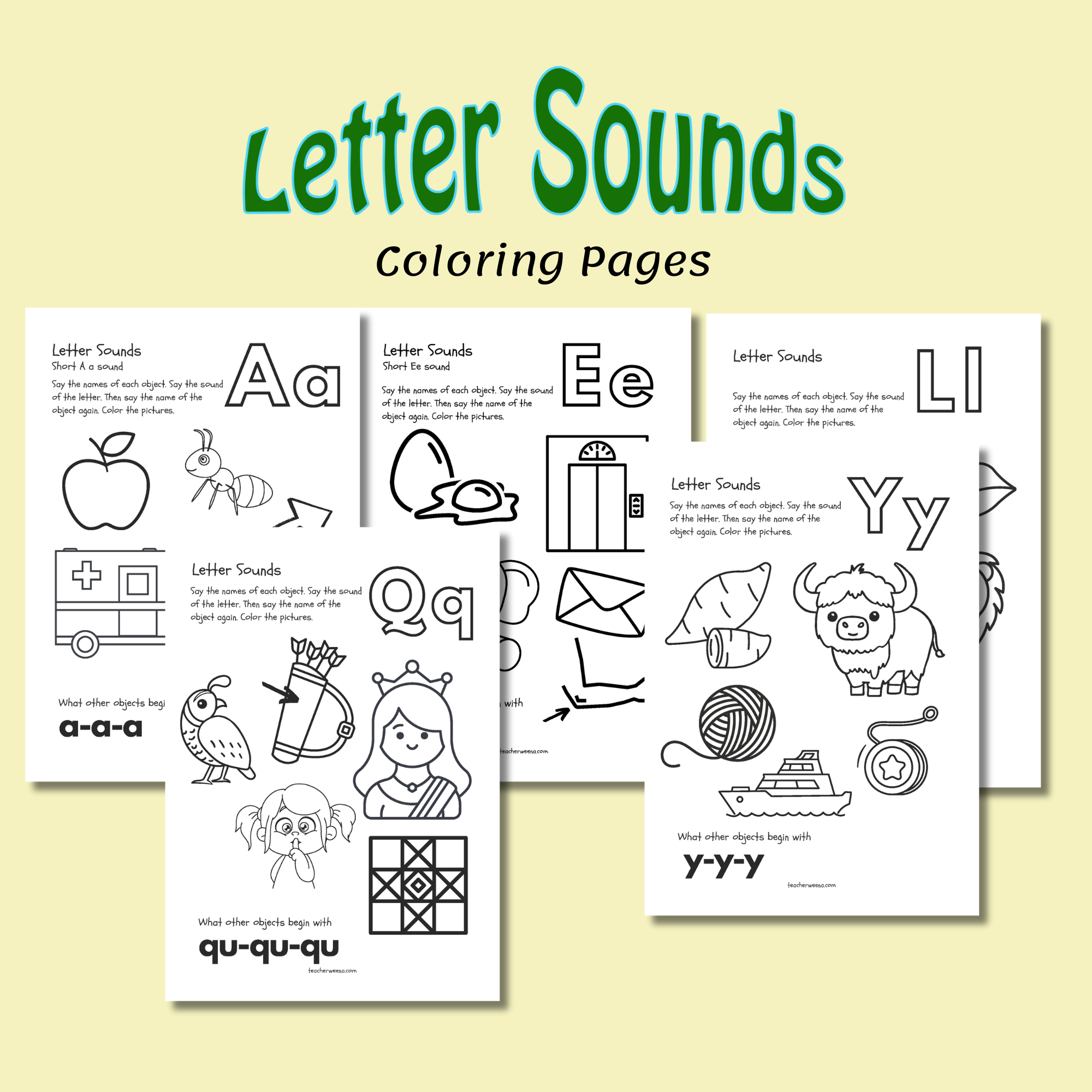
Using coloring worksheets is a fantastic way to engage young learners while teaching them about the sounds each letter makes. Our free resources for Coloring Worksheets For Each Alphabet Sound Free provide an interactive approach to phonics, allowing children to connect letters with their corresponding sounds in a colorful and enjoyable manner.
Understanding the Importance of Phonemic Awareness
Phonemic awareness is critical for early literacy development. It involves recognizing and manipulating sounds in spoken words, a skill that lays the foundation for reading success. Using coloring worksheets that focus on each alphabet sound allows children to practice these skills in a creative way. As they color images that correspond to different letters, they reinforce their understanding of the sounds those letters represent.
Age Appropriateness
These worksheets are ideally suited for preschool and kindergarten-aged children, typically ranging from 4 to 6 years old. At this stage, kids are beginning to learn the alphabet and its sounds, making these worksheets an ideal resource for both classroom and home learning environments.
Selecting Your Worksheets
When looking for Coloring Worksheets For Each Alphabet Sound Free, consider choosing a variety of worksheets that cover each letter of the alphabet. Look for options that include:
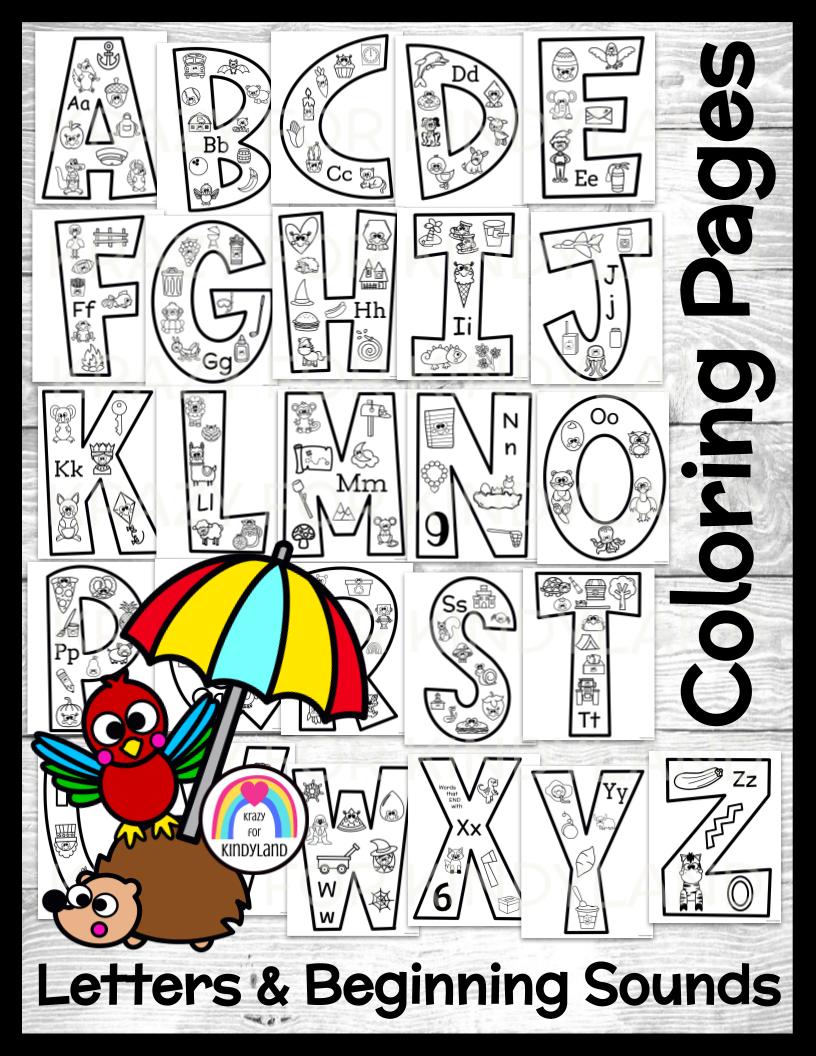
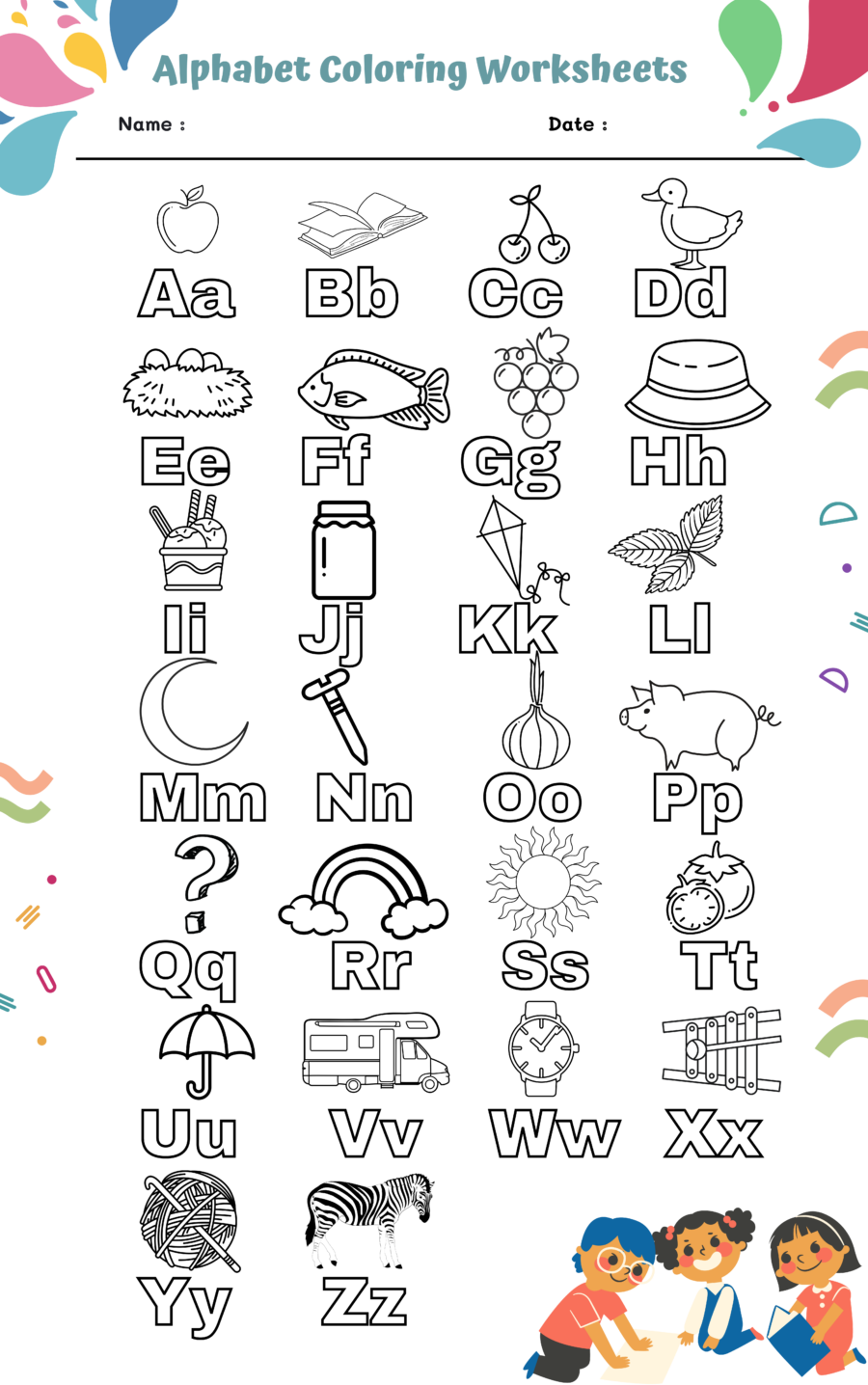
- Visuals: Each worksheet should feature images that start with the corresponding letter sound (e.g., an apple for ‘A’, a ball for ‘B’).
- Instructions: Clear guidelines for both teachers and parents on how to use the worksheets effectively.
- Coloring Areas: Ample space for children to color and express their creativity, which helps maintain their interest.
Downloading and Printing Your Worksheets
Once you’ve selected the worksheets that best suit your needs, the next step is downloading and printing them. Here’s a quick guide to ensure a smooth process:
- Download Format: Ensure that the worksheets are available in PDF format. PDFs maintain their formatting across different devices, preventing any layout issues that can occur with image files.
- Printer Settings: For the best results, set your printer to print in portrait orientation. Most coloring worksheets are designed with this layout in mind. If you’re printing multiple copies for a classroom, consider printing on cardstock for durability, especially if they will be used repeatedly.
- Paper Size: Standard letter size (8.5″ x 11″) works best for most home and classroom printers. If you have access to larger paper, you might consider printing on A4, but ensure that your settings reflect this choice.
- Bulk Printing: If you’re printing for an entire class, print a few copies of each worksheet to allow for individual learning speeds. This way, children can work at their own pace without feeling rushed.
Setting Up the Activity
After printing your worksheets, it’s time to set up the learning environment. Here are some tips on how to create a conducive atmosphere for using these coloring worksheets:
- Materials Needed: Gather crayons, colored pencils, or markers. Offering a variety of coloring utensils can make the activity more exciting for the children.
- Space Arrangement: Arrange tables for children to have enough room to spread out their worksheets and materials. Smaller groups can encourage collaboration and sharing of ideas about the sounds they’re learning.
- Guidance and Support: As children work on their worksheets, circulate around the room to offer support. Ask them questions about the sounds they associate with each letter, reinforcing their learning.
Reviewing and Reinforcing Learning
After the children have completed their coloring worksheets, it’s important to review their work. This can reinforce the sounds associated with each letter and provide an opportunity for positive feedback. Here’s how to approach this:
- Group Sharing: Have children share their favorite colored letter and the sound it represents with the class. This not only boosts their confidence but also encourages verbal skills.
- Answer Key: If available, use an answer key to check for understanding. This can guide your discussions and identify any areas where students might need additional support.
- Follow-Up Activities: Consider incorporating follow-up activities that align with the worksheets. For example, you could have them create their own drawings that start with the same sounds, further solidifying their understanding through different mediums.
Additional Considerations
When utilizing Coloring Worksheets For Each Alphabet Sound Free, remember to adapt your approach based on the needs of your students. Some children may require more time or additional resources, such as phonics games or interactive storytelling, to grasp the concepts fully. Flexibility in your teaching methods can help cater to diverse learning styles.
Moreover, consider integrating technology. Numerous educational apps and websites complement traditional worksheets, providing interactive phonics games that can reinforce the same skills in a digital format.
The most effective way to enhance phonemic awareness in young learners is through consistent practice and engagement. By using these worksheets as part of a broader literacy program, you can create a rich learning environment that fosters a love for reading and writing.
As you implement these coloring worksheets, keep in mind that the goal is to make learning a joyful experience. The combination of coloring and sound recognition not only makes the learning process fun but also helps to solidify foundational skills that will benefit children as they progress in their education.