
When Maya sat down at her kitchen table with her mom, she was excited to start her new homework assignment. The task was to create secret codes using letters of the alphabet, and her mom had printed out a Code Making Worksheet Alphabet Substitution for her to use. This resource not only sparked Maya’s creativity but also reinforced her understanding of letters and their positions in the alphabet. If you’re looking to engage students in a fun and educational way, this worksheet can be a great tool for both teachers and parents.
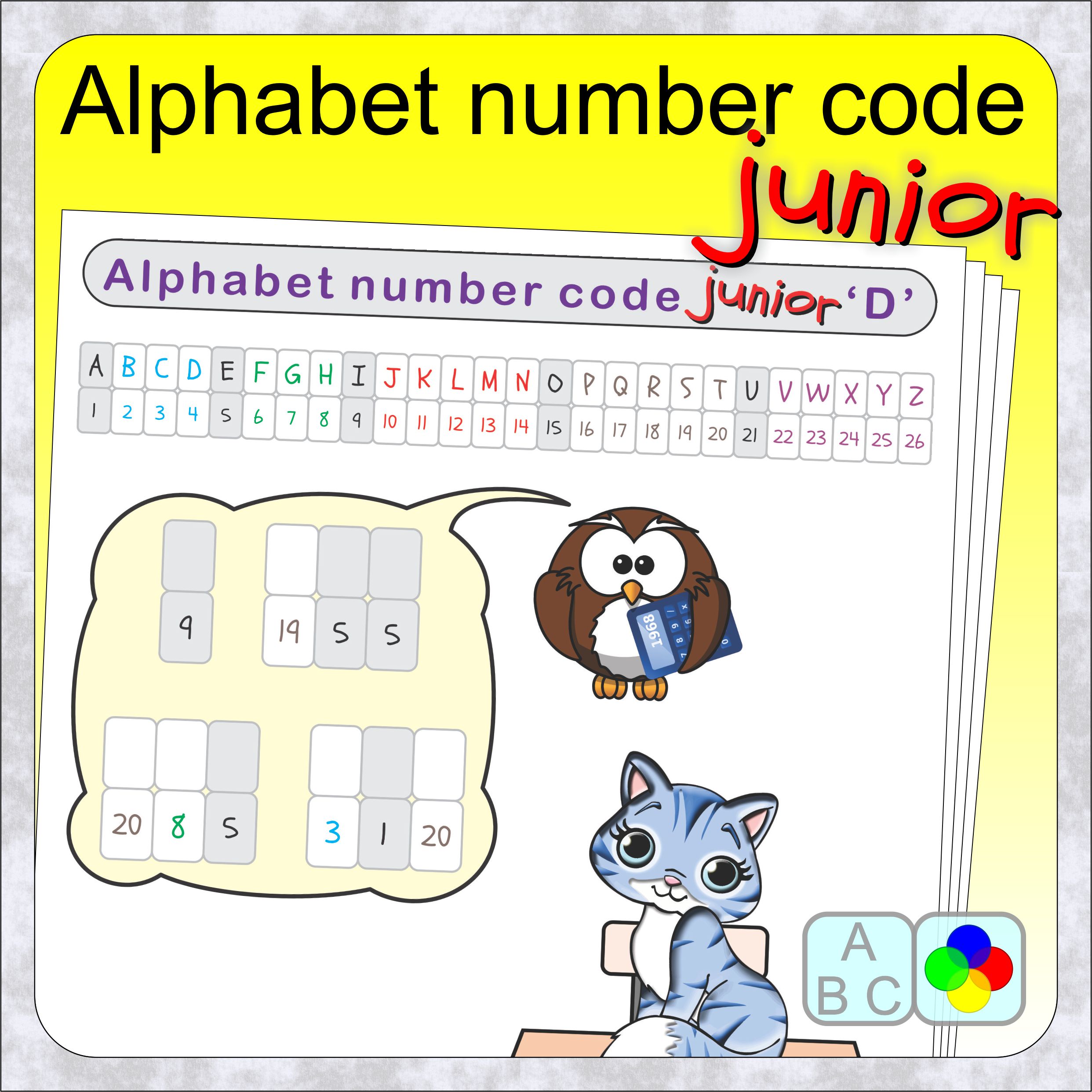
Understanding Alphabet Substitution
Alphabet substitution is a method where letters are replaced with other letters or symbols to create coded messages. This activity helps students develop critical thinking and problem-solving skills as they decipher and create codes. It’s suitable for a wide range of age groups, particularly elementary and middle school students, but can also be adapted for older learners.
Using a Code Making Worksheet Alphabet Substitution allows students to practice their literacy skills in an engaging format. As they work through the worksheet, they’ll learn to recognize patterns, enhance their vocabulary, and improve their spelling—all while having fun!
How to Use the Worksheet
Step-by-Step Instructions
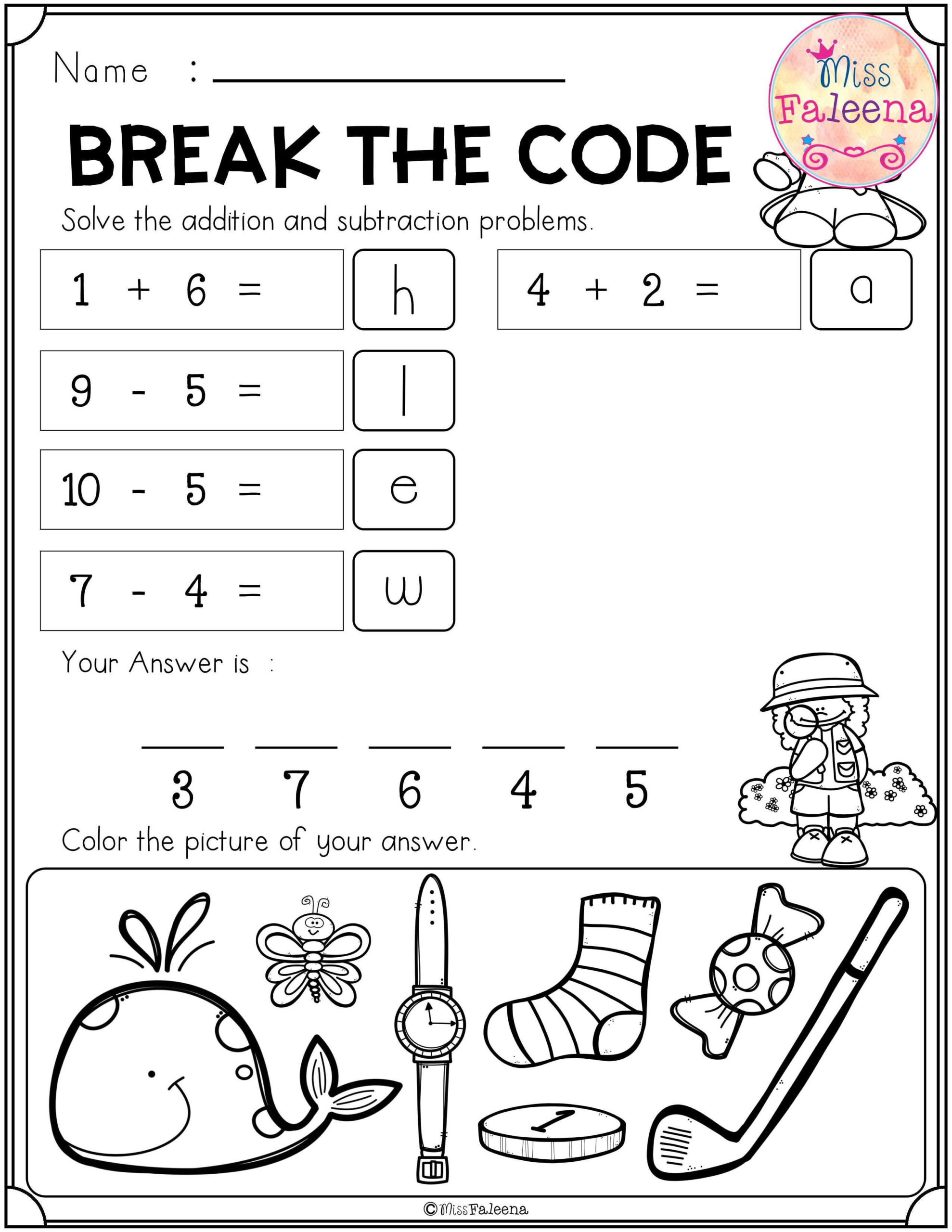
- Print the Worksheet: Start by downloading and printing the Code Making Worksheet Alphabet Substitution. Make sure to use a printer with good quality to ensure clarity, especially if your students will be writing on it.
- Introduce the Concept: Before diving into the worksheet, explain the concept of substitution codes. You can provide examples, such as how “A” might represent “D” or how numbers can be used in place of letters (1 for A, 2 for B, etc.).
- Demonstrate: Show students how to create their own code using the worksheet. They can choose their substitutions and write them down in the designated areas. For younger students, you might consider pre-filling some codes to guide them.
- Practice Decoding: Once they’ve created their codes, encourage students to swap worksheets with a partner. They can attempt to decode each other’s messages, fostering collaboration and peer learning.
- Wrap Up the Activity: Conclude with a discussion about what they learned. Ask questions like: What strategies did you use to decode the messages? How did you choose your substitutions?
Practical Tips for Implementation
- Materials Needed: In addition to the worksheet, have pencils, colored pens, or markers available for students to make their codes visually interesting. Using different colors can help them distinguish between various substitutions.
- Setting the Scene: You can enhance the experience by creating a “secret agent” theme. Set up a corner of the classroom or a designated area in your home where students can feel like spies, complete with props like sunglasses or magnifying glasses.
- Adjust for Age Levels: For younger children, keep the substitution simple, perhaps limiting it to a few letters. For older students, consider introducing more complex ciphers or even a historical context, such as the use of codes in World War II.
Benefits of Using the Worksheet
The Code Making Worksheet Alphabet Substitution offers numerous educational benefits:
- Enhances Literacy Skills: This activity encourages reading and writing, as students must think critically about letter relationships and spelling.
- Boosts Cognitive Development: Creating and decoding messages requires logical thinking and problem-solving, which are essential skills in all areas of learning.
- Fosters Creativity: Students can express themselves through their code creations, leading to a more engaging and personalized learning experience.
- Encourages Collaboration: By working with peers, students build social skills and learn to communicate effectively, discussing their codes and strategies.
Alternative Uses for the Worksheet
While the primary focus is on alphabet substitution, the worksheet can be adapted for various activities:
- Holiday Themes: Use the worksheet around holidays to create themed messages. For example, students can write secret messages to each other for Valentine’s Day or Halloween.
- Cross-Curricular Connections: Integrate the worksheet with subjects like history or science. For instance, students can create codes that include scientific terms or historical figures.
- Family Fun: Parents can use the worksheet at home for family game nights, creating a fun way to bond while enhancing their children’s learning.