
Mastering the art of writing begins with understanding the alphabet, and for young learners, Capital Alphabets Tracing Worksheets Printable can be a vital tool. These worksheets provide a structured and engaging way for children to practice writing uppercase letters. They are essential for preschool and kindergarten teachers, as well as parents who want to support their children’s literacy development at home.
Understanding the Importance of Tracing Worksheets
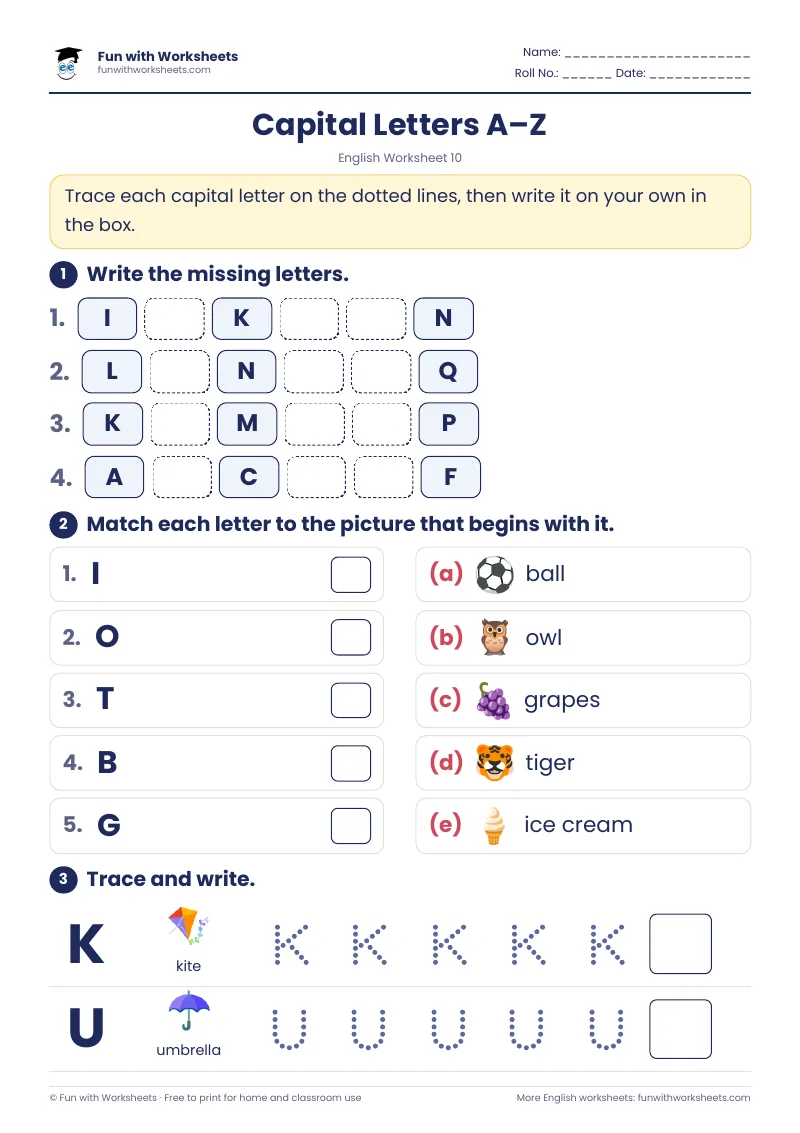
Tracing worksheets are designed to help children develop fine motor skills and hand-eye coordination. By tracing capital letters, children learn how to form each letter correctly. This process is not just about writing; it’s about building confidence and familiarity with the alphabet, which is foundational for reading and writing skills. Capital letters are typically introduced first in early childhood education, making these worksheets particularly relevant for ages three to five.
Parents and teachers can use these worksheets to observe how well children are mastering letter formation. If a child consistently struggles with a specific letter, it may indicate a need for more focused practice or different teaching strategies.
Choosing the Right Printable Worksheets
When selecting Capital Alphabets Tracing Worksheets Printable, consider the following factors:
Design and Layout
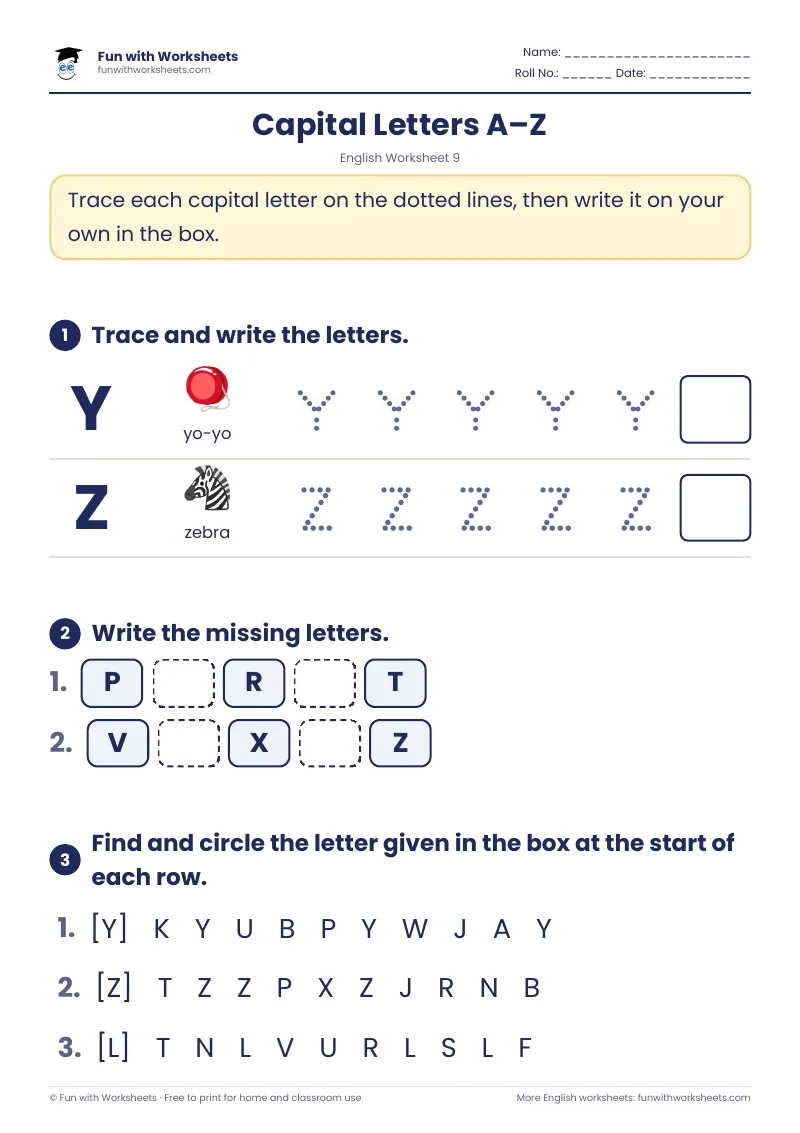
Look for worksheets that have clear, bold letters for tracing. A clean design helps children focus on the letters without distractions. Portrait orientation tends to work well for home printers, ensuring the worksheets fit standard paper sizes, such as 8.5 x 11 inches.
Variety of Activities
Some worksheets include additional activities like coloring or connecting dots, which can enhance engagement. Worksheets that incorporate fun themes or characters can motivate children to practice more frequently.
Progress Tracking
Worksheets that allow for repeated use are beneficial. Look for printable formats that include multiple pages or variations of each letter. This way, children can practice until they feel confident in their writing abilities.
How to Implement Tracing Worksheets in Learning
Integrating Capital Alphabets Tracing Worksheets Printable into daily learning routines can be easy and effective. Here are some practical tips for both teachers and parents:
Daily Practice Sessions
Setting aside a few minutes each day for tracing can yield significant improvements. Consistency is key. Make it part of the daily routine, perhaps right after breakfast or as a calming activity before bedtime.
Use of Writing Tools
Encourage children to use various writing instruments, such as colored pencils, markers, or crayons. This variety keeps the activity engaging and can help them develop different grip styles. For instance, thicker crayons might be easier for younger children to hold.
Supervision and Guidance
While children practice, provide gentle supervision. Offer encouragement and praise for their efforts. If a child struggles with a letter, demonstrate how to trace it correctly, emphasizing the starting point and direction of strokes.
Evaluating Progress and Mastery
After using the Capital Alphabets Tracing Worksheets Printable, it’s crucial to evaluate how well children are progressing. Here’s how to assess their mastery:
Observational Assessment
As children trace letters, take note of their grip, posture, and the pressure they apply. Are they forming letters correctly? Are they maintaining consistent size and spacing? These observations can help identify areas needing more attention.
Completed Worksheets Review
Review completed worksheets to see which letters are consistently well-formed and which ones require more practice. Keeping a portfolio of their work can also show their progress over time, providing both motivation and a sense of accomplishment.
Incorporating Feedback
After reviewing their work, provide constructive feedback. Instead of simply saying “good job,” highlight what they did well and offer tips for improvement. For example, “Your ‘A’ looks great! Try to make the bottom line a little longer next time.”
Additional Resources and Options
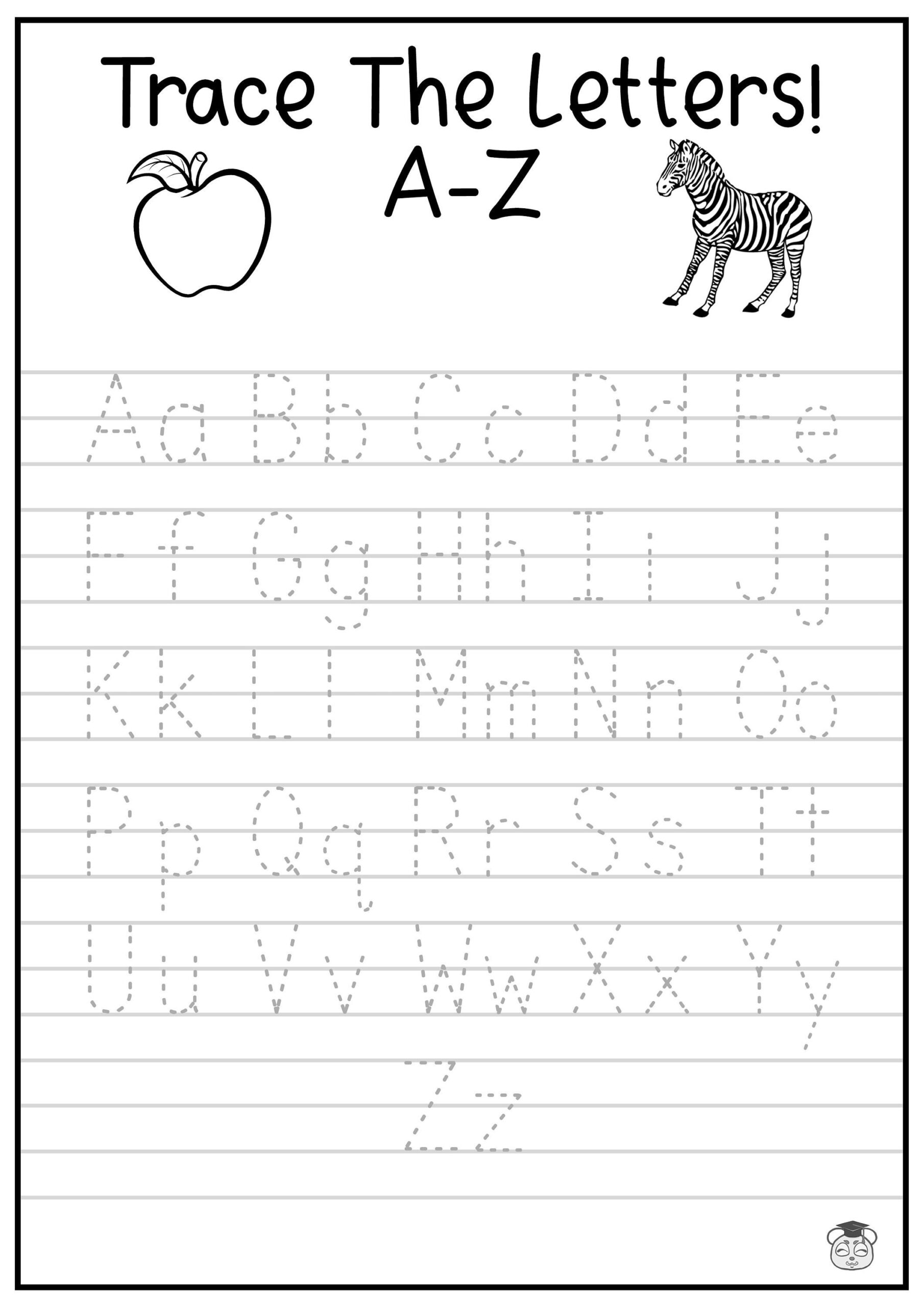
In addition to Capital Alphabets Tracing Worksheets Printable, consider using other related resources to enhance learning:
Interactive Apps
There are numerous educational apps designed to help children learn letter formation through interactive activities. These can complement traditional worksheets and provide a different learning medium.
Physical Activities
Incorporate physical activities that reinforce letter shapes, such as using playdough to mold letters or drawing letters in sand. These tactile experiences can deepen understanding and retention.
Group Activities
In a classroom setting, group tracing activities can foster collaboration and peer learning. Children can work together to form letters with their bodies or create large-scale tracing activities on a whiteboard.
By integrating various methods and resources, teachers and parents can create a rich learning environment that supports the development of writing skills through Capital Alphabets Tracing Worksheets Printable. A well-rounded approach not only reinforces letter formation but also builds a strong foundation for future literacy success.
To get started, download a variety of tracing worksheets that best fit the learning needs of your students or children. Ensure the materials you choose are engaging and allow for repeated practice, helping young learners become confident writers.