
In teaching cursive writing, having effective resources can make all the difference. The Calligraphy Alphabet Cursive Tracing Worksheets stand out as a practical tool designed to enhance students’ handwriting skills. These worksheets not only assist learners in mastering cursive letters but also instill a sense of artistry in their writing. If you are a teacher in a classroom or a parent homeschooling, these worksheets provide a structured approach to teaching cursive writing.
Understanding the Importance of Cursive Writing
Cursive writing is more than just a technique; it’s a skill that fosters fine motor development and enhances cognitive abilities. As students learn to write in cursive, they improve their hand-eye coordination and develop their own unique writing style. This is particularly important for young learners, typically in grades 2-4, who are transitioning from print to cursive.
These Calligraphy Alphabet Cursive Tracing Worksheets serve as an excellent starting point. They introduce children to the fluidity of cursive writing, helping them connect letters seamlessly. The aesthetic appeal of cursive also encourages creativity, making writing more enjoyable.
Layout and Design of the Worksheets
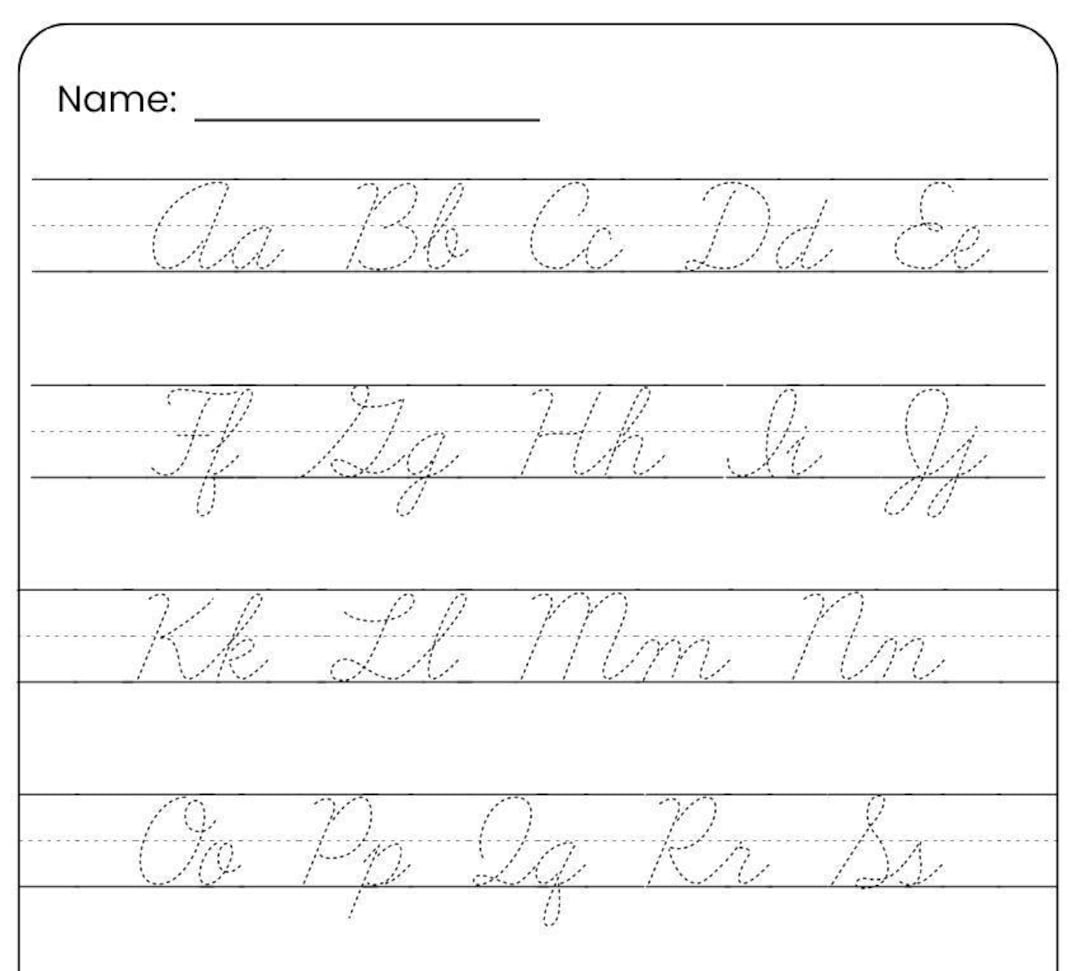
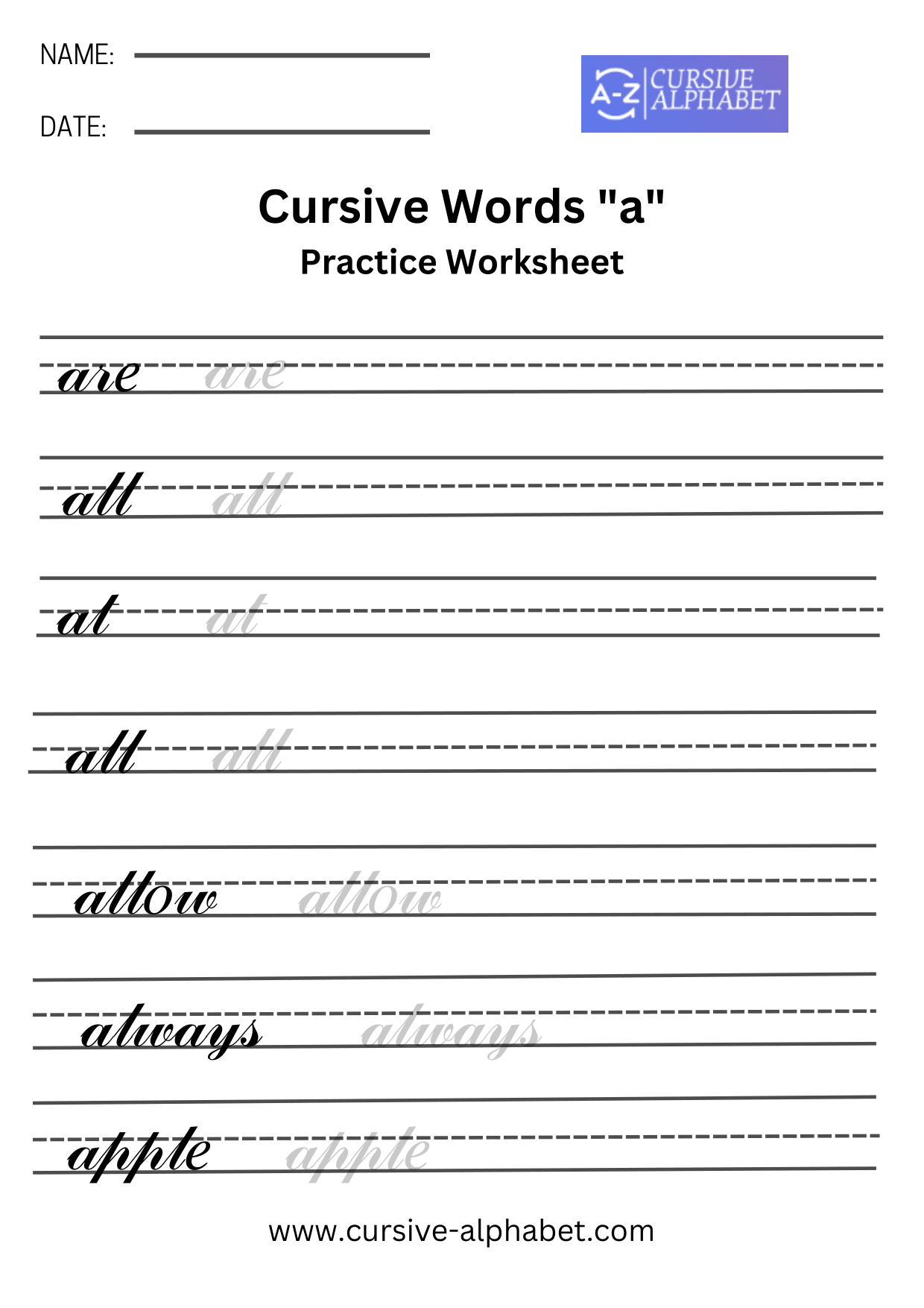
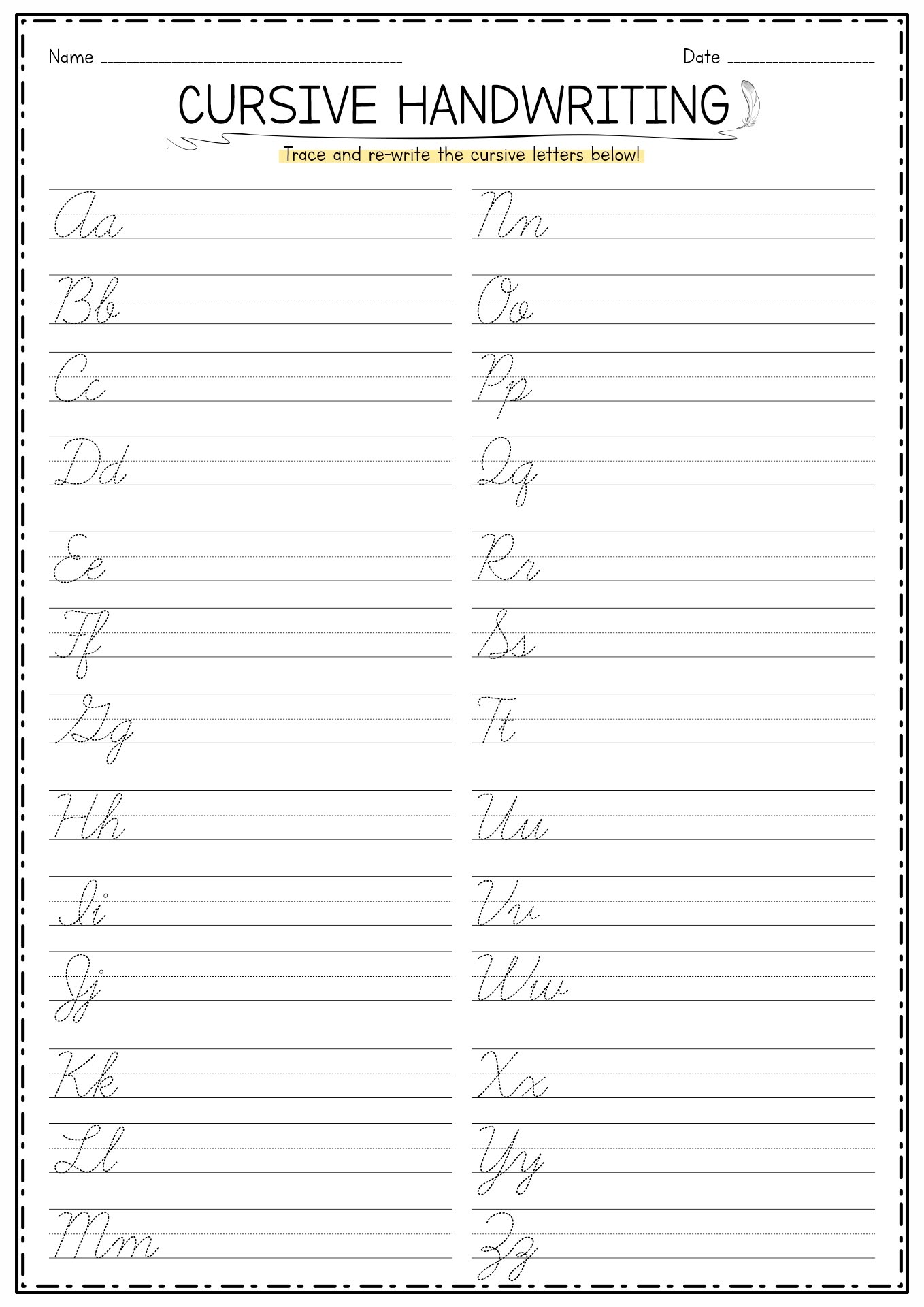
The layout of the Calligraphy Alphabet Cursive Tracing Worksheets is thoughtfully designed to facilitate learning. Each worksheet features:
- Clear Letter Guides: Each letter is presented in a large, bold, cursive font, allowing students to see the proper formation.
- Tracing Lines: Beneath each letter, students find dotted lines that guide their writing, reinforcing the correct strokes.
- Practice Space: Ample blank space is provided for students to practice independently, fostering confidence in their cursive skills.
This design not only aids in visual learning but also helps in reducing frustration. The worksheets are typically formatted for standard letter size (8.5 x 11 inches), making them easy to print and manageable for young hands.
How to Integrate Worksheets Into Lessons
Using Calligraphy Alphabet Cursive Tracing Worksheets effectively requires a bit of planning. Here are some suggestions to integrate these worksheets into your lessons:
- Warm-Up Exercises: Begin each session with a warm-up. Have students practice writing individual letters in the air or on their desks before moving to the worksheets. This physical engagement helps reinforce muscle memory.
- Daily Practice Routine: Set aside a specific time each day for cursive practice. Consistency is key, and the worksheets can be used daily to build familiarity and confidence.
- Incorporate Art: Encourage students to decorate their worksheets after completing their tracing. This can include adding illustrations or colorful designs around the letters, promoting creativity.
- Peer Review: Allow students to share their completed worksheets with classmates. This not only builds community but also gives them a chance to learn from each other.
- Progress Tracking: Keep a portfolio of each student’s worksheets to track their progress over time. This can help identify areas that may need more focus.
Suggested Activities Using the Worksheets
To make learning cursive writing even more engaging, consider adding some activities alongside the Calligraphy Alphabet Cursive Tracing Worksheets:
- Cursive Writing Challenges: Create a friendly competition where students can showcase their best cursive writing. This could be a fun way to motivate them to improve.
- Personalized Letters: Have students write letters to friends or family using cursive. This real-world application helps them see the value of their new skills.
- Cursive Journals: Encourage students to keep a cursive journal where they can practice writing sentences or short paragraphs. This can help them transition from tracing to free writing.
Tips for Effective Use of the Worksheets
To maximize the benefits of the Calligraphy Alphabet Cursive Tracing Worksheets, here are some practical tips:
- Use Quality Paper: For best results, print the worksheets on heavier paper or cardstock. This can withstand repeated tracing and help maintain the structure of the letters.
- Consider Lamination: If you plan on reusing the worksheets, laminating them allows students to practice with dry-erase markers. This makes the worksheets durable and environmentally friendly.
- Monitor Progress: Regularly check in with students to provide feedback on their cursive writing. Positive reinforcement can boost their confidence and encourage continued practice.
By implementing these strategies, the Calligraphy Alphabet Cursive Tracing Worksheets can become a cornerstone in your curriculum, enhancing both the learning experience and the students’ writing skills.