
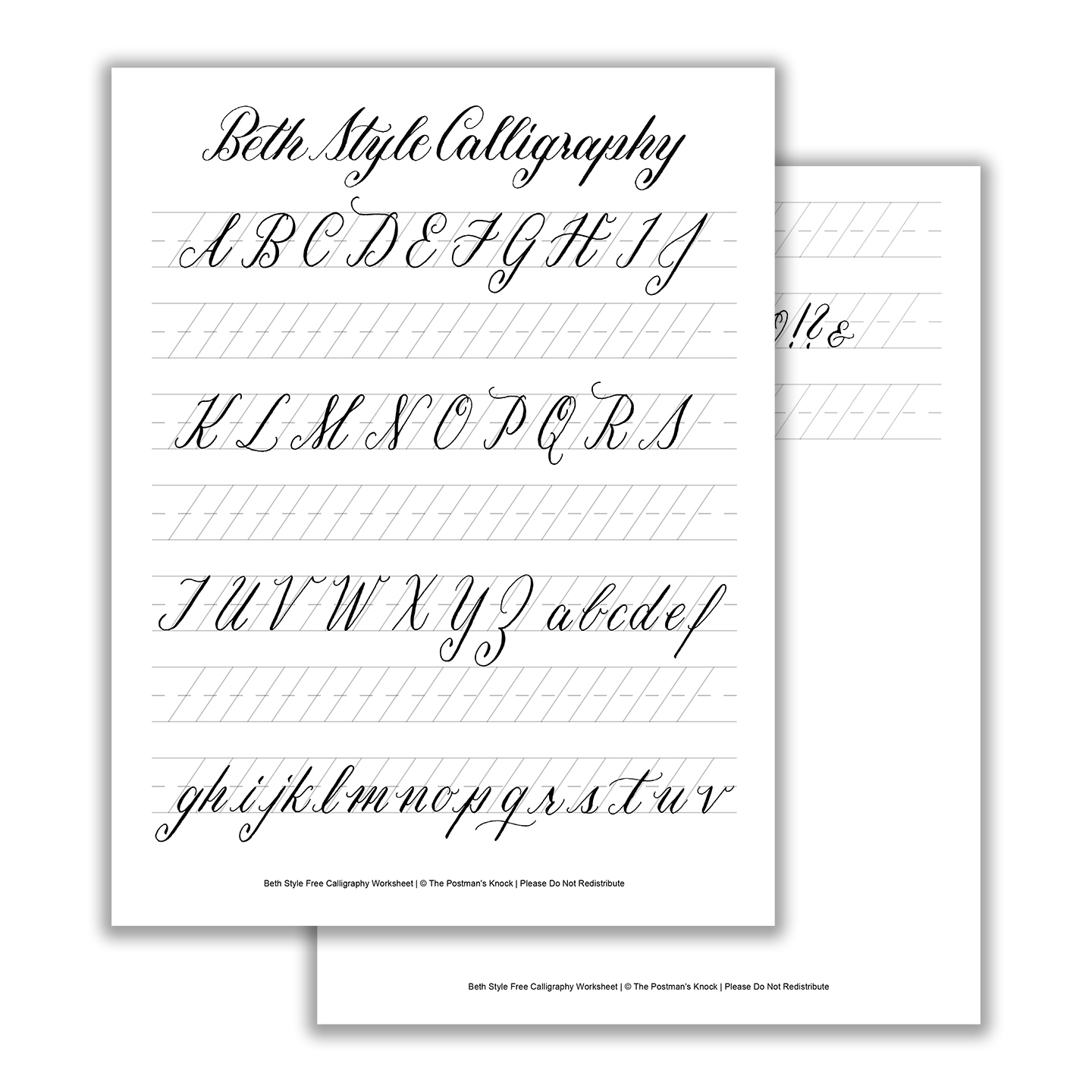
When it comes to teaching the art of calligraphy, having the right resources can make all the difference. The Calligraphy Alphabet 10 Different Ways Worksheets provide an excellent foundation for students to explore various calligraphy styles. These worksheets are perfect for teachers looking to introduce students to different calligraphic techniques. With a focus on engaging activities, these resources are suitable for both classroom and home use.
Understanding Calligraphy and Its Importance
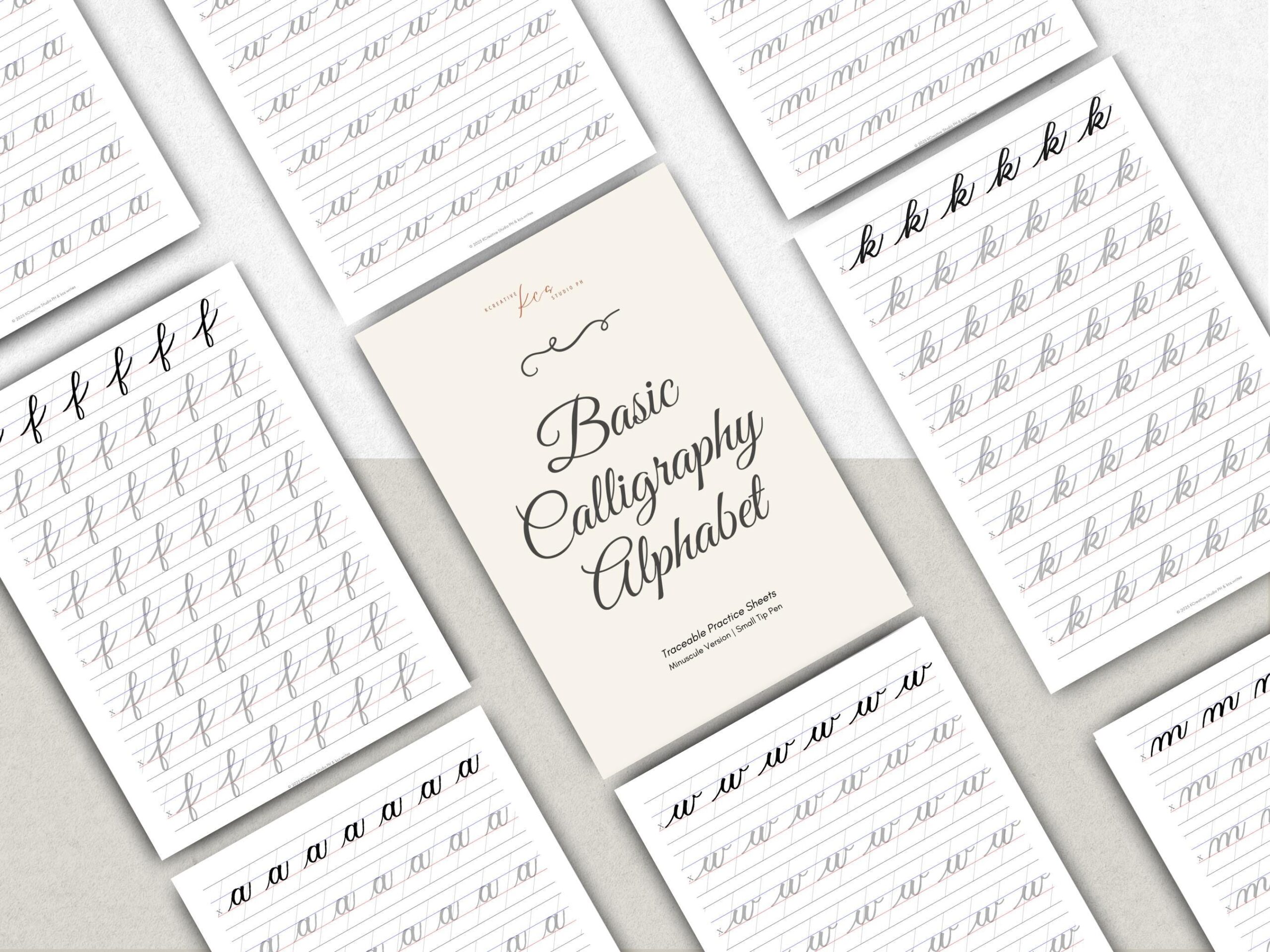
Calligraphy isn’t just about pretty letters; it’s a skill that combines art and writing. Teaching students calligraphy can enhance their fine motor skills, improve their handwriting, and foster creativity. By using the Calligraphy Alphabet 10 Different Ways Worksheets, you’re giving students the chance to practice and develop their own unique styles.
This resource is particularly beneficial for grades 4 and up, but younger students can certainly join in with some guidance. Whether you’re a teacher in a traditional classroom or a parent homeschooling your child, these worksheets can serve as a fun introduction to the world of calligraphy.
How to Use the Worksheets Effectively
Getting started with the Calligraphy Alphabet 10 Different Ways Worksheets is simple. Here’s a step-by-step guide to make the most of this resource:
- Download the Worksheets: First, locate the worksheets on the printable-resource website. Make sure you have a reliable printer ready, preferably one that can handle heavier paper like cardstock.
- Print the Worksheets: Choose a high-quality print setting to ensure that the details are crisp and clear. Portrait layout typically works best for these worksheets. You might want to use a heavier paper to prevent any bleed-through from markers or ink.
- Set Up a Workspace: Create a comfortable and organized workspace for your students. Provide a flat surface, good lighting, and all necessary materials such as calligraphy pens, markers, or brushes.
- Begin with Basic Strokes: Before diving into the alphabet, encourage students to practice basic strokes. This foundational skill is crucial for mastering more complex letters.
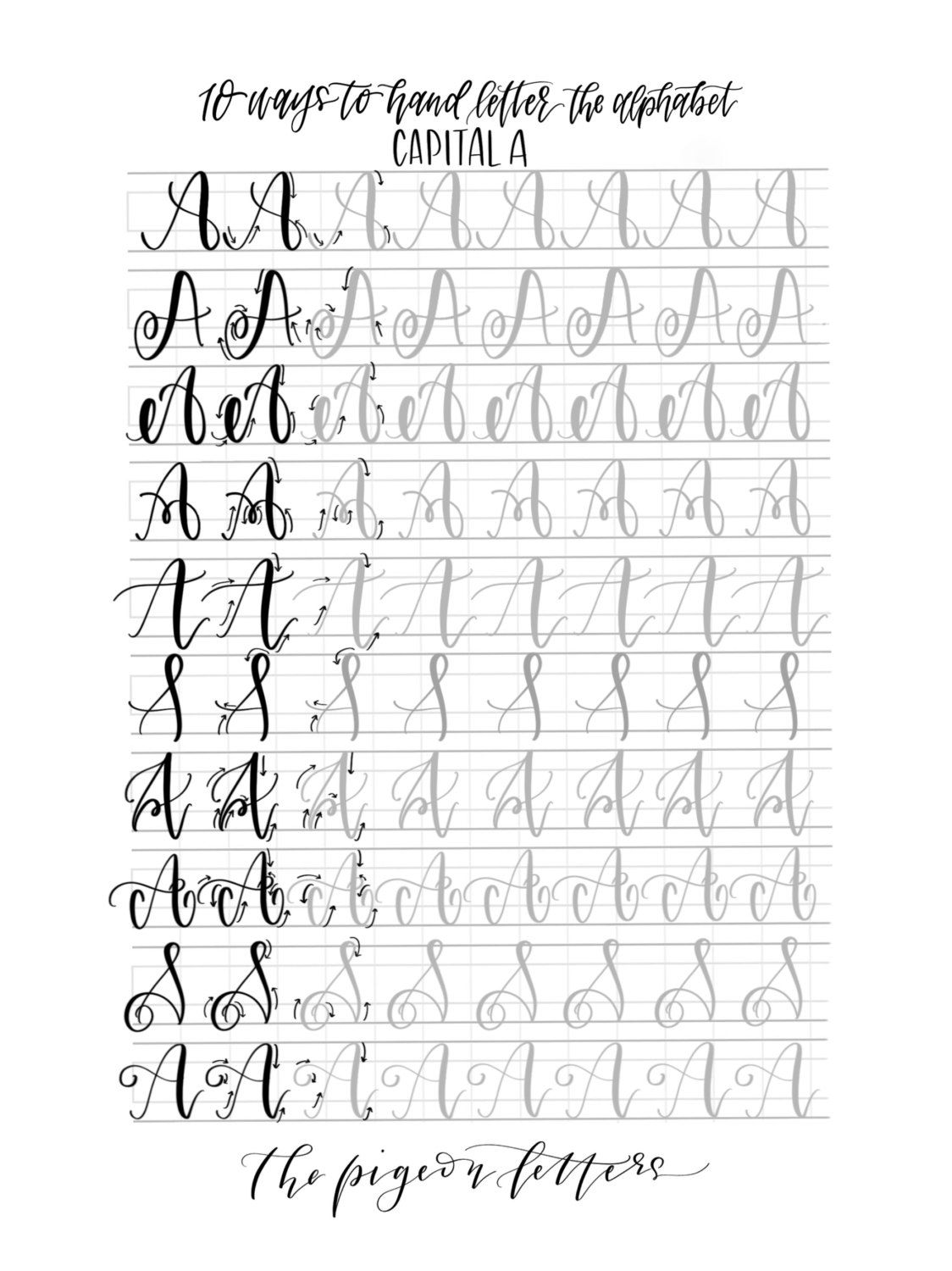
- Explore Different Styles: Each worksheet presents the alphabet in ten different styles. Allow students to choose which styles they want to focus on. This choice can significantly enhance their engagement and creativity.
- Practice, Practice, Practice: Encourage students to practice each letter multiple times. You can use lined paper or additional blank sheets for further practice.
- Incorporate Creative Elements: Once students feel comfortable with the letters, challenge them to create their own calligraphy pieces. This could be as simple as writing their names in different styles or creating a decorative quote.
- Provide Feedback: As students practice, offer constructive feedback. Highlight what they are doing well and where they can improve. This encourages growth and confidence in their skills.
Assessing Progress and Mastery
Monitoring progress is key to ensuring that students are mastering calligraphy skills. Here are some indicators to look out for:
- Consistency in Letter Formation: Are the letters being formed consistently? Look for uniformity in size and shape.
- Fluidity of Motion: Pay attention to how smoothly students transition from one letter to another. Fluid movements indicate developing muscle memory.
- Style Adaptation: Is the student able to adapt and use different styles effectively? Encourage them to experiment and find what feels right for them.
To help assess these skills, consider creating a simple rubric that focuses on these areas. This can guide your feedback and help students understand their progress.
Encouraging Creativity Beyond the Worksheets
While the Calligraphy Alphabet 10 Different Ways Worksheets are a fantastic starting point, the world of calligraphy is vast. Encourage students to explore beyond the worksheets by:
- Creating Personalized Projects: Have students design their own greeting cards, posters, or bookmarks. This personal touch can make the practice feel more meaningful.
- Incorporating Technology: If students are interested, you can introduce them to digital calligraphy. There are several apps and programs that simulate calligraphy tools and techniques.
- Participating in Calligraphy Challenges: Look for online calligraphy challenges or social media groups. This can provide students with inspiration and a sense of community.