
One of the most essential tools for teaching early literacy is the Basic Alphabet Worksheet For Kindergarten. This resource helps children learn the basics of the alphabet, an important foundation for reading and writing. Using this worksheet effectively can create engaging learning experiences that promote literacy skills in a fun and interactive way.
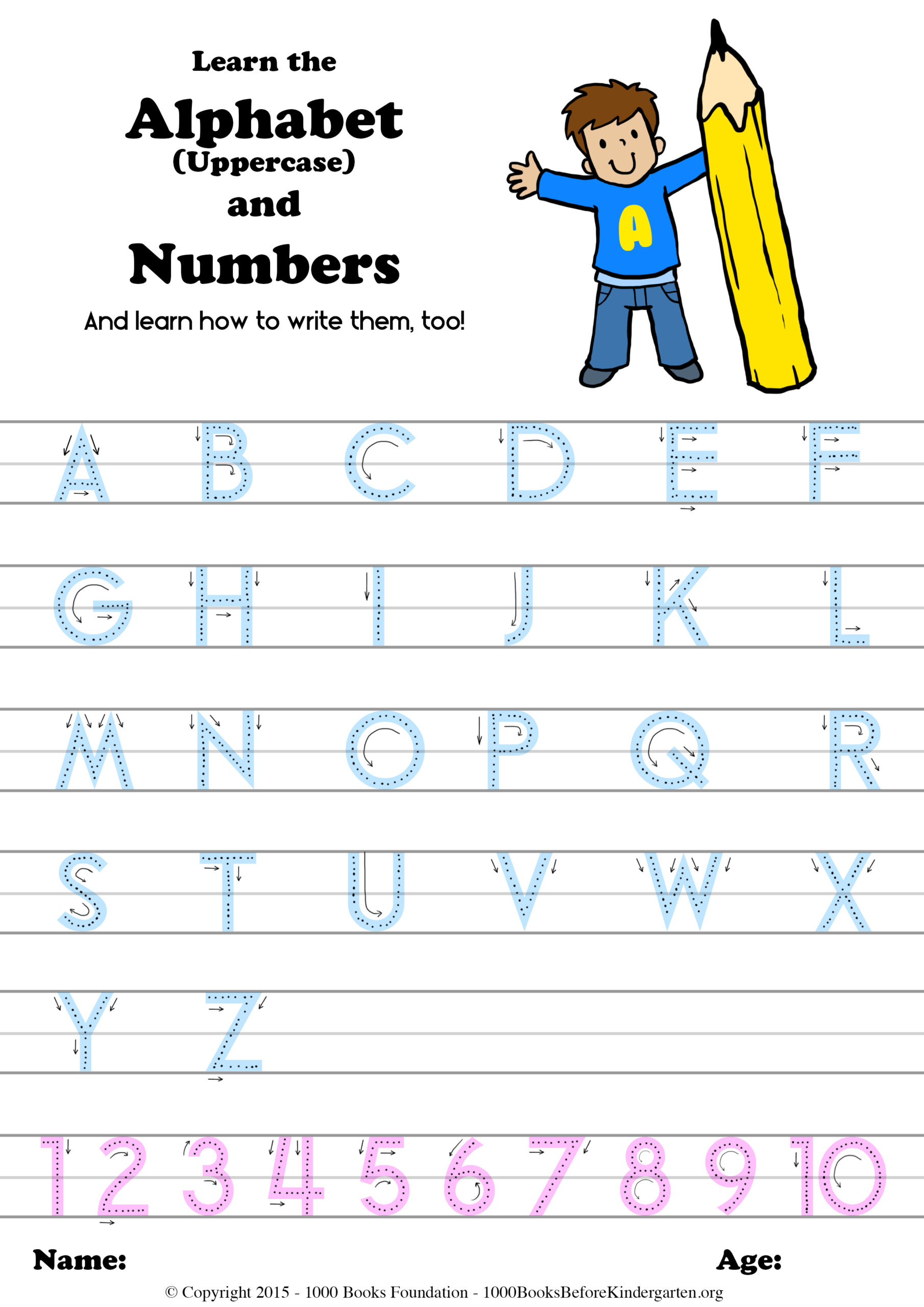
Understanding the Structure of the Basic Alphabet Worksheet
Typically, a Basic Alphabet Worksheet For Kindergarten includes various activities that focus on different aspects of letter recognition and phonetic awareness. Most worksheets will cover:
- Letter tracing: Children practice writing each letter, which reinforces their muscle memory and helps improve motor skills.
- Letter identification: Activities may include identifying uppercase and lowercase letters, often with accompanying images to enhance understanding.
- Phonics practice: Some worksheets incorporate simple words or sounds that begin with the letters being studied, helping kids connect letters with sounds.
By integrating these elements, the worksheet not only teaches children how to recognize letters but also how to use them in context.
Effective Use in the Classroom
In a classroom setting, the Basic Alphabet Worksheet For Kindergarten can be a versatile resource. Here are some practical tips on how to implement it effectively:
Printing and Preparation
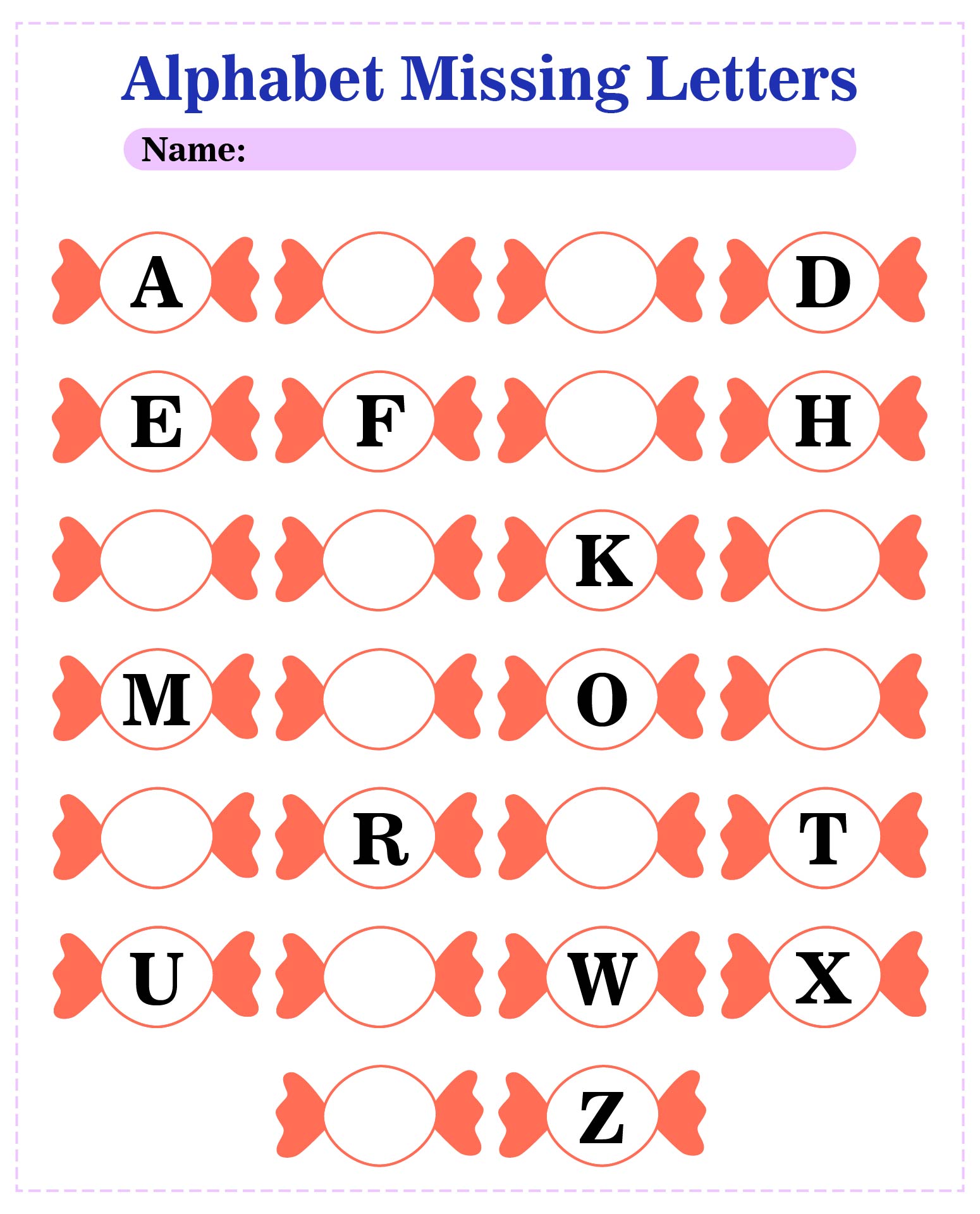
When preparing to use the worksheet, consider the following:
- Paper Type: Use standard 8.5” x 11” paper for easy printing. If you plan to laminate the worksheets for repeated use, consider using cardstock for durability.
- Bulk Printing: If you’re teaching a larger class, print multiple copies ahead of time. This way, each student can have their own worksheet during activities.
- Color Options: Colorful worksheets can engage students better. If printing in color, ensure your printer settings are optimized for vivid results.
Classroom Activities
You can use the Basic Alphabet Worksheet in various activities:
- Independent Practice: Allow students to work on the worksheets independently. This promotes self-paced learning.
- Group Work: Pair students together to complete the worksheets. This encourages discussion and peer learning.
- Incorporation into Lessons: Use the worksheets as part of a broader lesson plan. For example, integrate a phonics game where students can match letters from the worksheet to words or objects in the classroom.
Incorporating the Worksheet Into Homeschooling
For parents and caregivers, the Basic Alphabet Worksheet For Kindergarten is an invaluable resource for homeschooling. Here’s how you can make the most of it at home:
Structured Learning
Set a specific time each day dedicated to alphabet practice. Consistency helps children develop a routine, making learning feel more like a natural part of their day rather than a chore.
Interactive Learning
Consider turning worksheet activities into games. For instance, after completing the tracing section, you can ask your child to find items around the house that start with each letter. This not only reinforces letter recognition but also makes learning interactive and enjoyable.
Track Progress
Keep a portfolio of your child’s completed worksheets. This allows you to track their progress over time. You can note which letters they grasp quickly and which ones may need additional practice.
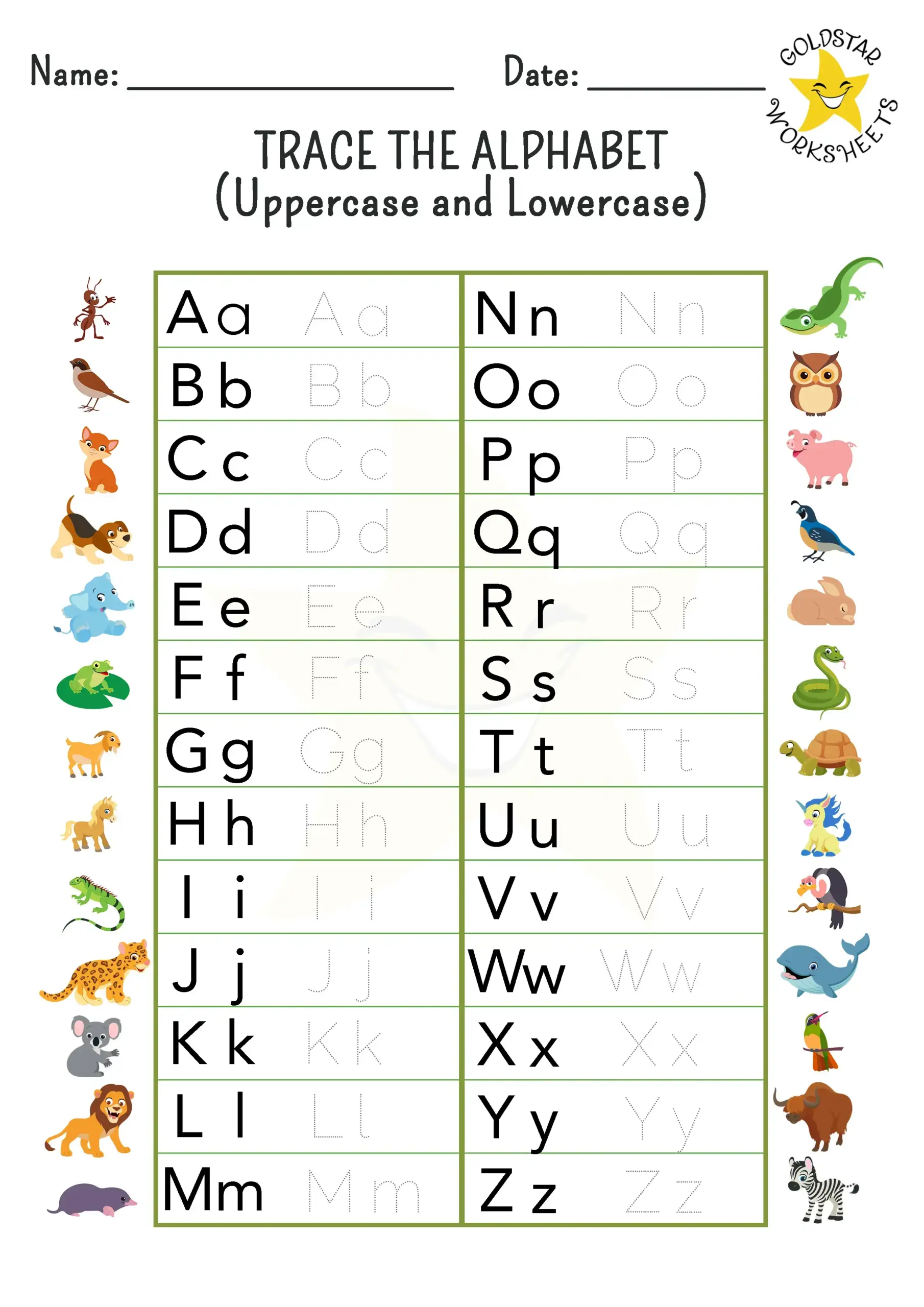
Enhancing Learning With Additional Resources
While the Basic Alphabet Worksheet For Kindergarten is a fantastic starting point, enhancing your child’s learning experience can be beneficial. Here are a few ideas:
Supplement With Coloring Pages
Coloring pages that feature the alphabet can help reinforce learning. Children can color the letters while simultaneously practicing their writing skills, giving them a multi-sensory learning experience.
Use Flashcards
Flashcards featuring each letter can be a great way to reinforce learning. You can create a matching game where children match the flashcard letters to the letters on the worksheet.
Incorporate Technology
Consider using educational apps or websites that focus on alphabet learning. Many of these resources include interactive games that can make learning letters more engaging.