
The Ancient Greek Alphabet KS2 Worksheet is a fantastic resource designed specifically for Key Stage 2 students, allowing them to explore the ancient Greek alphabet in a fun and interactive way. This worksheet stands out among other educational materials by providing a clear, structured layout that makes learning engaging and straightforward. It’s perfect for teachers looking to incorporate a bit of history into their language lessons or for parents aiming to enrich their children’s learning at home.
Understanding the Ancient Greek Alphabet
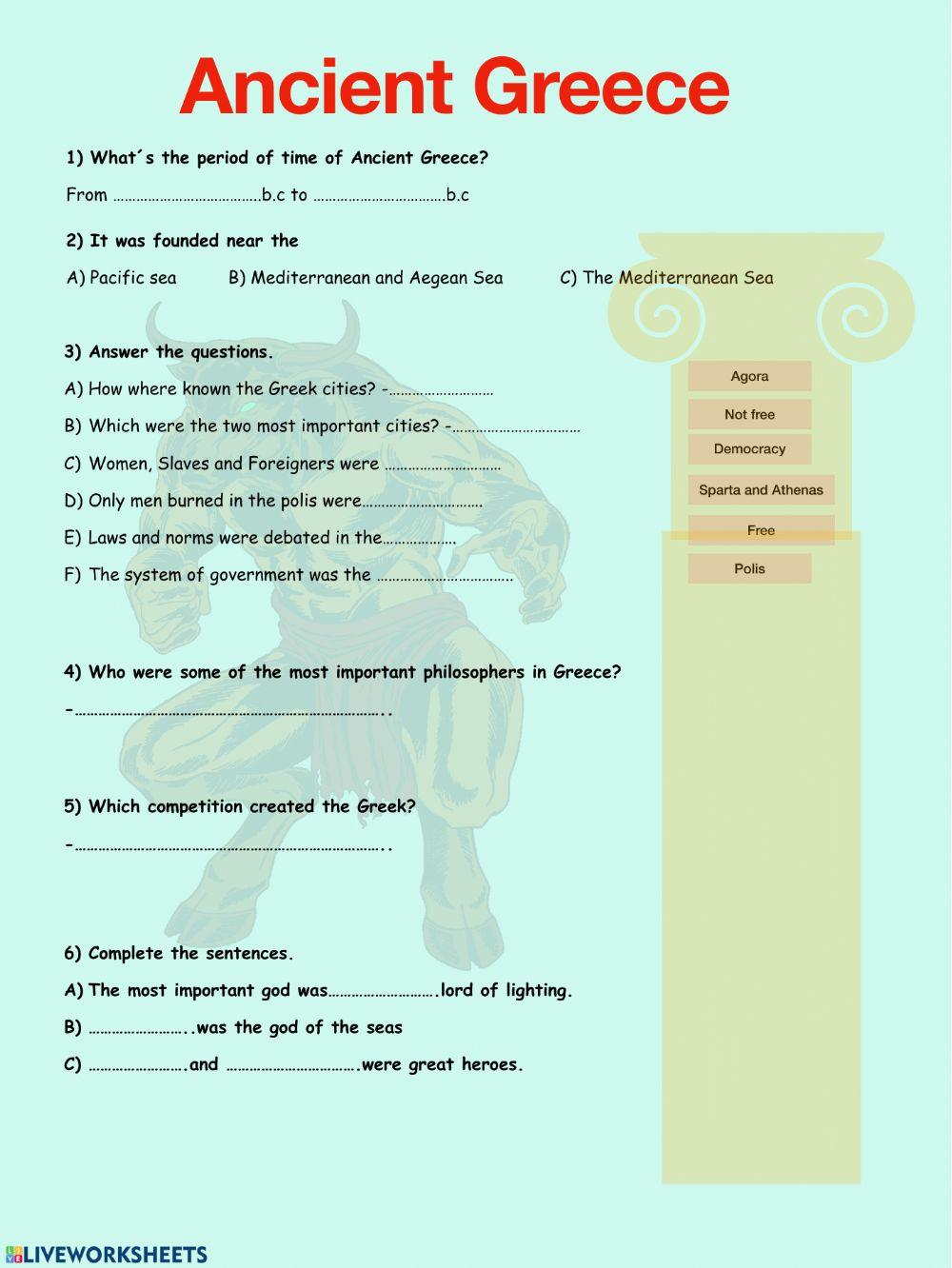
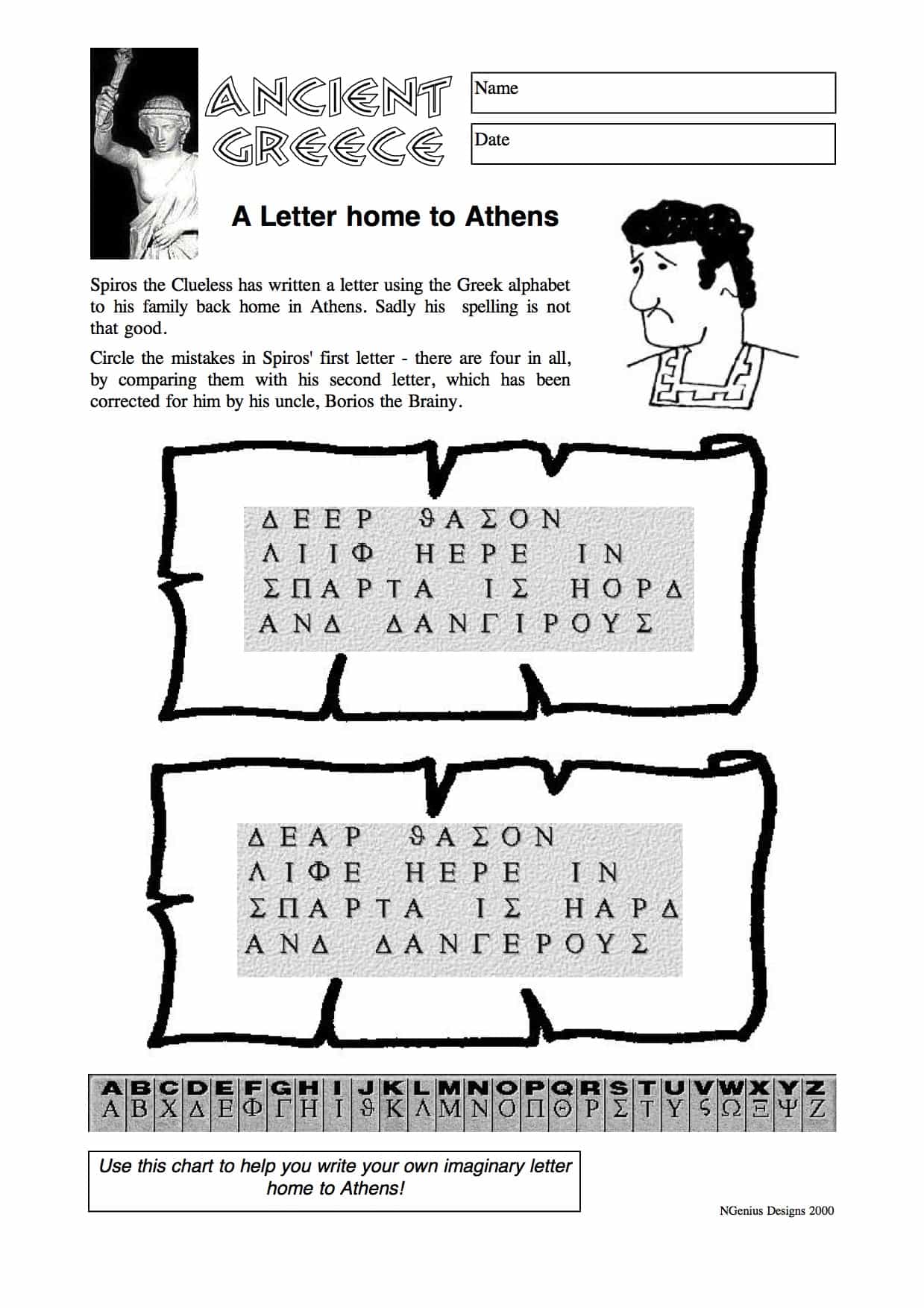
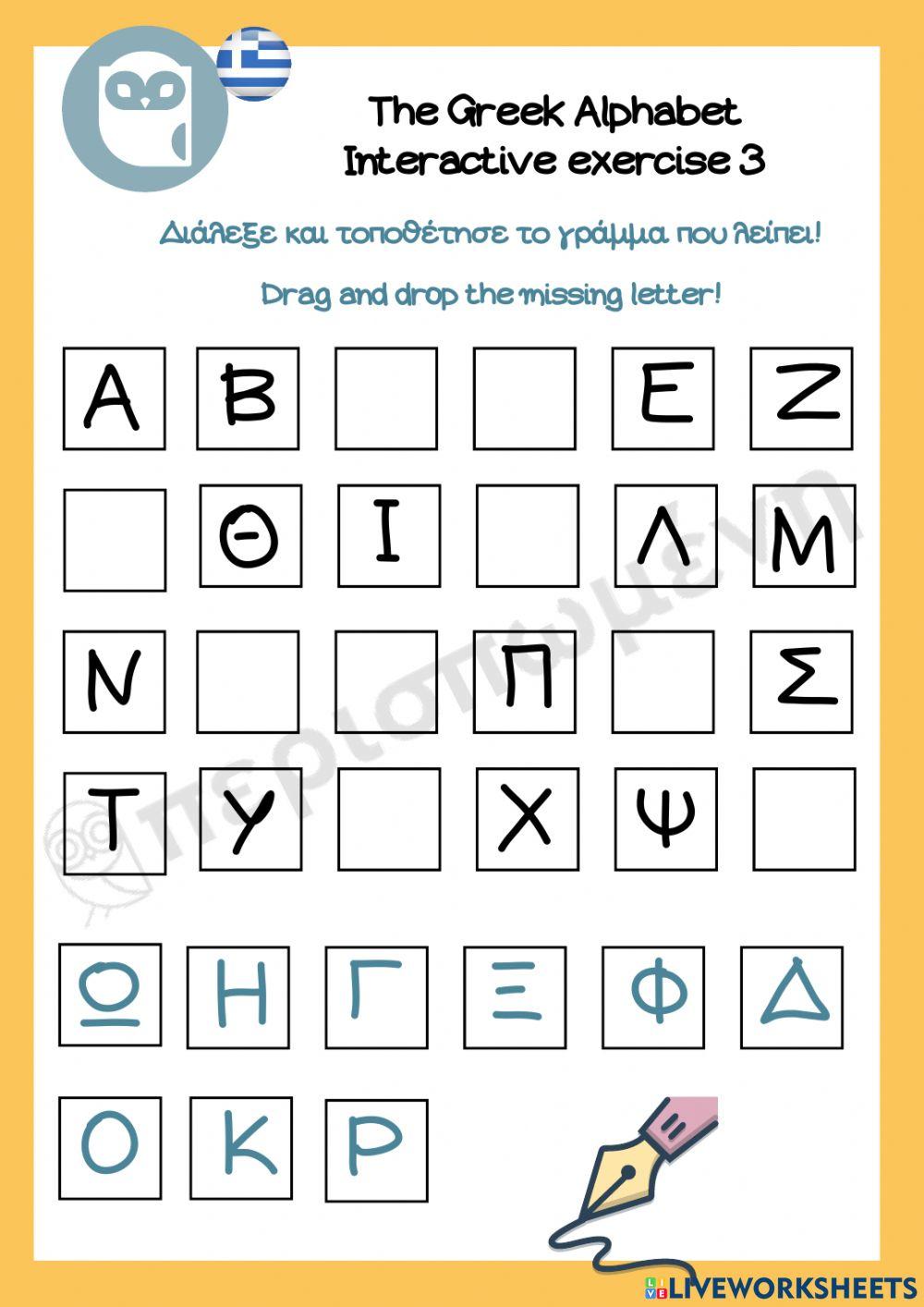
The ancient Greek alphabet consists of 24 letters, each with its own unique character and sound. Familiarizing students with these letters is not just about memorizing shapes; it’s about understanding their historical context and significance in Western civilization. This worksheet helps reinforce these concepts by pairing each letter with its modern equivalent, pronunciation guide, and a brief historical note.
For instance, students will learn that the letter “Alpha” (Α, α) corresponds to the letter “A” in the English alphabet, while “Beta” (Β, β) corresponds to “B.” This approach not only aids in memorization but also sparks curiosity about how language evolves over time.
Layout and Design of the Worksheet
The layout of the Ancient Greek Alphabet KS2 Worksheet is intentionally designed for ease of use. The worksheet typically features:
- Letter Blocks: Each letter is presented in a block format, making it easy for students to trace and write.
- Pronunciation Guide: Directly next to each letter, there’s a simple phonetic spelling to help with pronunciation.
- Historical Context: A brief description of the letter’s significance or a fun fact is included, which can serve as a conversation starter in the classroom.
This thoughtful design allows students to engage with the material actively. The worksheet is typically in a portrait layout, which is ideal for printing on standard A4 paper. Using cardstock can enhance durability, especially if you plan on using it multiple times or for different classes.
Practical Use in the Classroom
In a classroom setting, the Ancient Greek Alphabet KS2 Worksheet can be used in various ways. Here are a few practical ideas:
- Introduction to Ancient Greece: Start the lesson by discussing the importance of the Greek language in historical texts and modern languages. This sets the stage for why learning the alphabet is valuable.
- Tracing Letters: Allow students to practice tracing each letter. This can be done in pairs or small groups, encouraging collaboration and discussion about each letter’s sound.
- Letter Matching Games: Create a matching game where students pair ancient Greek letters with their English counterparts or with images that begin with that letter’s sound. This makes the learning process interactive and fun.
- Art Projects: Integrate art by having students create their own Greek-themed projects, using the letters they’ve learned. For example, they could write their names in Greek or create signs for a mock Ancient Greek marketplace.
- Assessment: Use the worksheet as a form of informal assessment. After teaching the letters, have students fill out the worksheet independently to gauge their understanding.
For home use, parents can adapt these activities to fit their children’s learning styles. Whether it’s through tracing, drawing, or even creating a mini Greek-themed play, the options are plentiful.
Supporting Resources and Extensions
To further enhance the learning experience, consider integrating additional resources. There are various online platforms offering interactive games and quizzes on the Greek alphabet that can complement the worksheet. Additionally, reading simplified stories or myths originating from Ancient Greece can provide context and make the learning experience richer.
For instance, using stories like “The Iliad” or “The Odyssey” can be an exciting way to show students how the Greek alphabet has influenced storytelling and literature.