
Mastering the skill of alphabetizing is essential for fourth and fifth graders as they learn to organize their thoughts and improve their reading and writing skills. Alphabetizing Worksheets Grade 4 And 5 provide a structured way for students to practice this vital skill. These worksheets typically include a variety of exercises that guide students through different aspects of alphabetizing, from simple lists to more complex tasks.
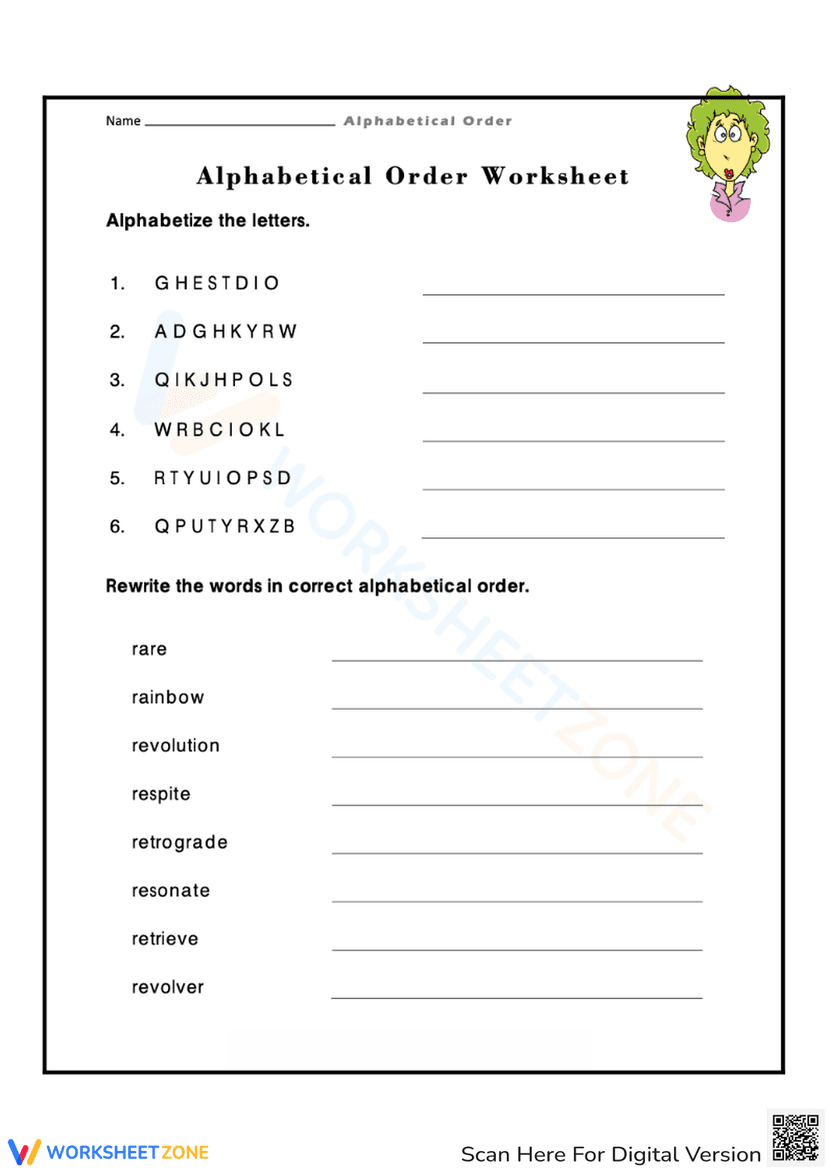
Understanding the Importance of Alphabetizing
Alphabetizing helps students develop organizational skills that are crucial in both academic and everyday contexts. Being able to sort words alphabetically is not just about order; it enhances comprehension and retention. When students can categorize information effectively, they are better equipped to navigate texts, find resources, and engage in research activities. Using worksheets tailored for grades 4 and 5 can reinforce these skills in a fun and interactive way.
Selecting the Right Alphabetizing Worksheets
When choosing alphabetizing worksheets for your classroom or home, consider the following:
- Grade Level Appropriateness: Ensure the worksheets are specifically designed for grades 4 and 5. This ensures that the content is neither too easy nor too challenging.
- Variety of Exercises: Look for worksheets that offer a mix of activities, such as filling in the blanks, sorting words, and matching terms with definitions.
- Engaging Themes: Worksheets that incorporate themes related to students’ interests (like animals, sports, or holidays) can make the learning process more enjoyable.
- Printable Format: Opt for worksheets that are easy to download and print. PDF formats are often the most reliable for preserving formatting.
How to Use Alphabetizing Worksheets Effectively
Once you’ve selected your worksheets, here’s a step-by-step guide on how to implement them in your lessons:
Step 1: Introduce the Concept
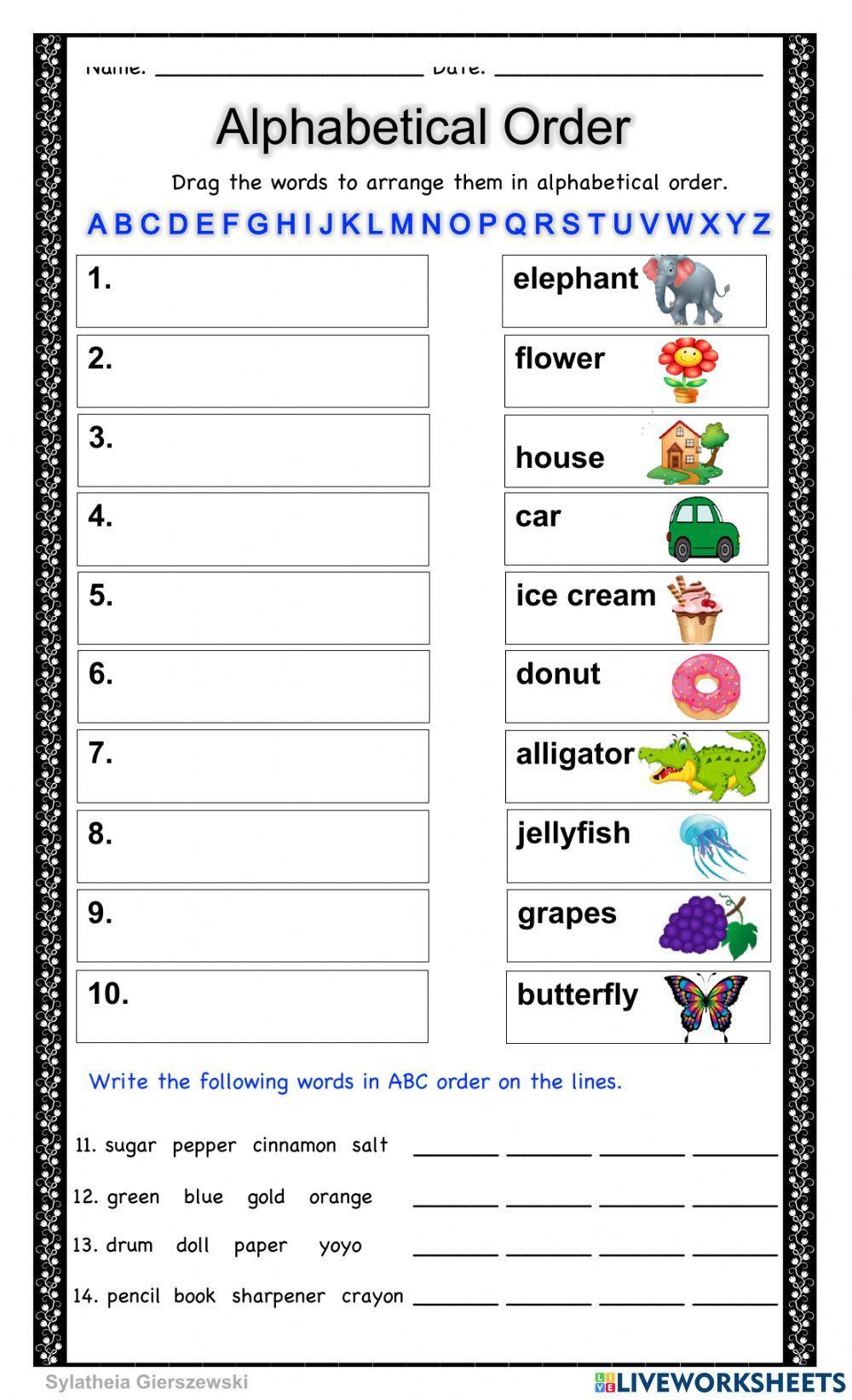
Before diving into worksheets, take a moment to explain the importance of alphabetizing. Use examples that are relevant to the students’ lives, such as organizing books on a shelf or sorting names in a class list. This context helps them understand why they are learning this skill.
Step 2: Demonstrate With Examples
Using a whiteboard or projector, show students how to alphabetize a simple list. Write down a few words and walk them through the process of comparing letters, focusing on the first letter, then the second if necessary. This demonstration sets a clear foundation for what they will do in their worksheets.
Step 3: Distribute Worksheets
Hand out the alphabetizing worksheets and allow students time to work through them independently or in pairs. This collaborative effort encourages discussion and peer learning. Monitor their progress and be available to answer questions or provide support.
Step 4: Review Answers Together
After completing the worksheets, review the answers as a class. This step is crucial for reinforcing the learning process. Encourage students to explain their thought processes and reasoning behind their answers. This not only solidifies their understanding but also builds confidence.
Step 5: Extend the Learning
To further enhance alphabetizing skills, consider integrating additional activities. For instance, have students create their own lists based on specific categories (e.g., fruits, animals) and then alphabetize them. This exercise allows them to apply what they’ve learned in a creative way.
Additional Resources for Alphabetizing Practice
In addition to worksheets, there are other resources that can supplement alphabetizing skills:
- Online Games: Websites like ABCmouse or Starfall offer interactive alphabetizing activities that can reinforce learning in a fun way.
- Flashcards: Create flashcards with vocabulary words for students to practice alphabetizing in pairs or small groups.
- Books: Use children’s books that emphasize alphabetical order, such as “A is for Apple,” to engage students in discussions about the alphabet.
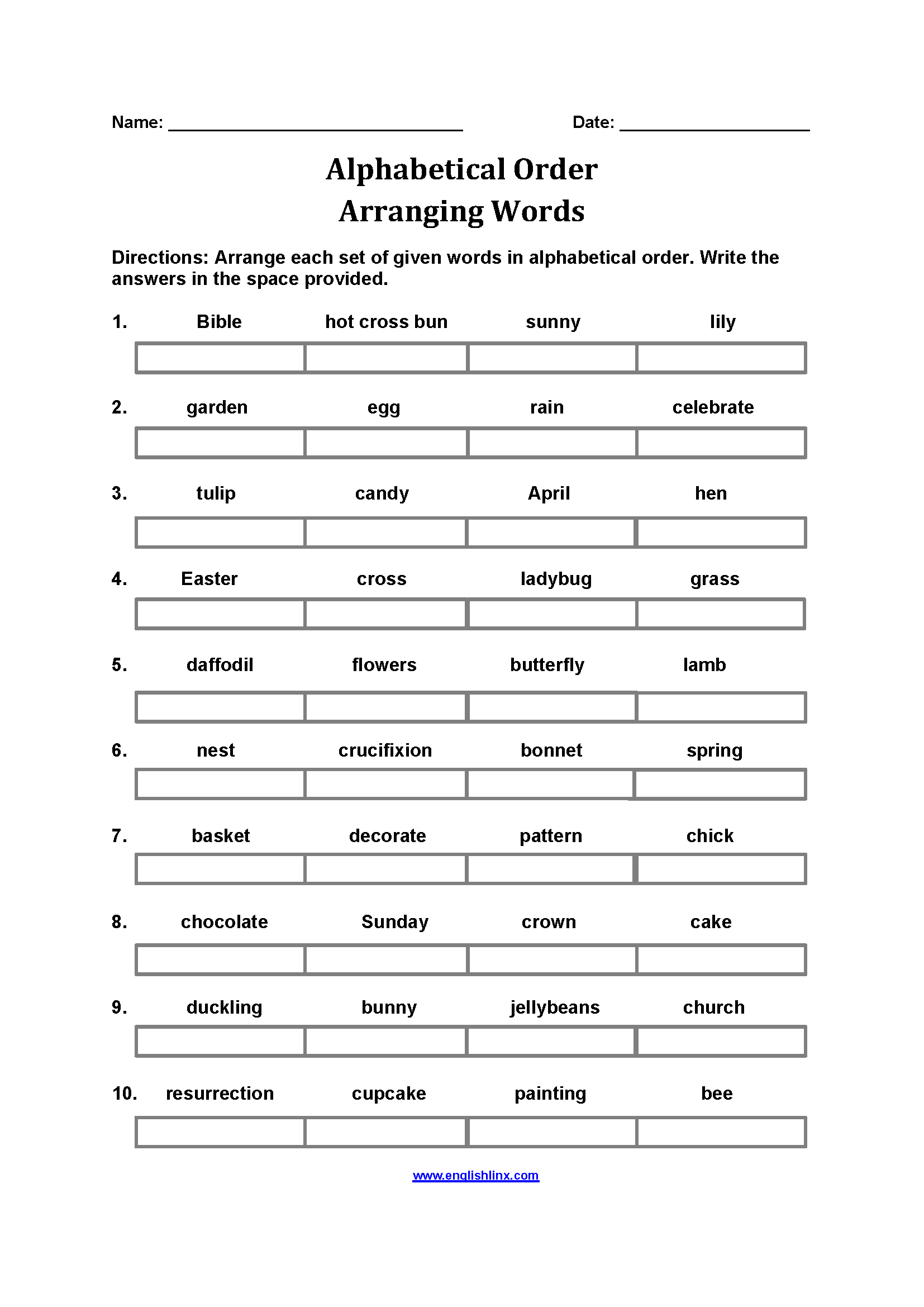
Tailoring Worksheets for Diverse Learners
Every classroom is made up of diverse learners who may need different levels of support. Here are some tips for tailoring alphabetizing worksheets for various learning needs:
- Visual Supports: Include visuals or color-coding to help students who may struggle with text alone.
- Simplified Lists: For learners who need more practice, provide simpler lists with fewer words to alphabetize.
- Advanced Challenges: Offer more complex worksheets for advanced students, such as incorporating phrases or multi-word items that require careful sorting.
By being mindful of the varied needs in your classroom, you can ensure that all students benefit from the alphabetizing practice.
Engaging students with Alphabetizing Worksheets Grade 4 And 5 fosters essential skills that will serve them throughout their academic careers. Whether in a classroom setting or at home, these resources can provide structured and meaningful practice, making the learning process enjoyable and effective. Don’t forget to consider the specific themes and formats that resonate with your students, as this can make all the difference in their engagement and understanding.
One useful detail to remember is that using cardstock for printing worksheets can offer better durability, especially if you plan to reuse them in future lessons.