
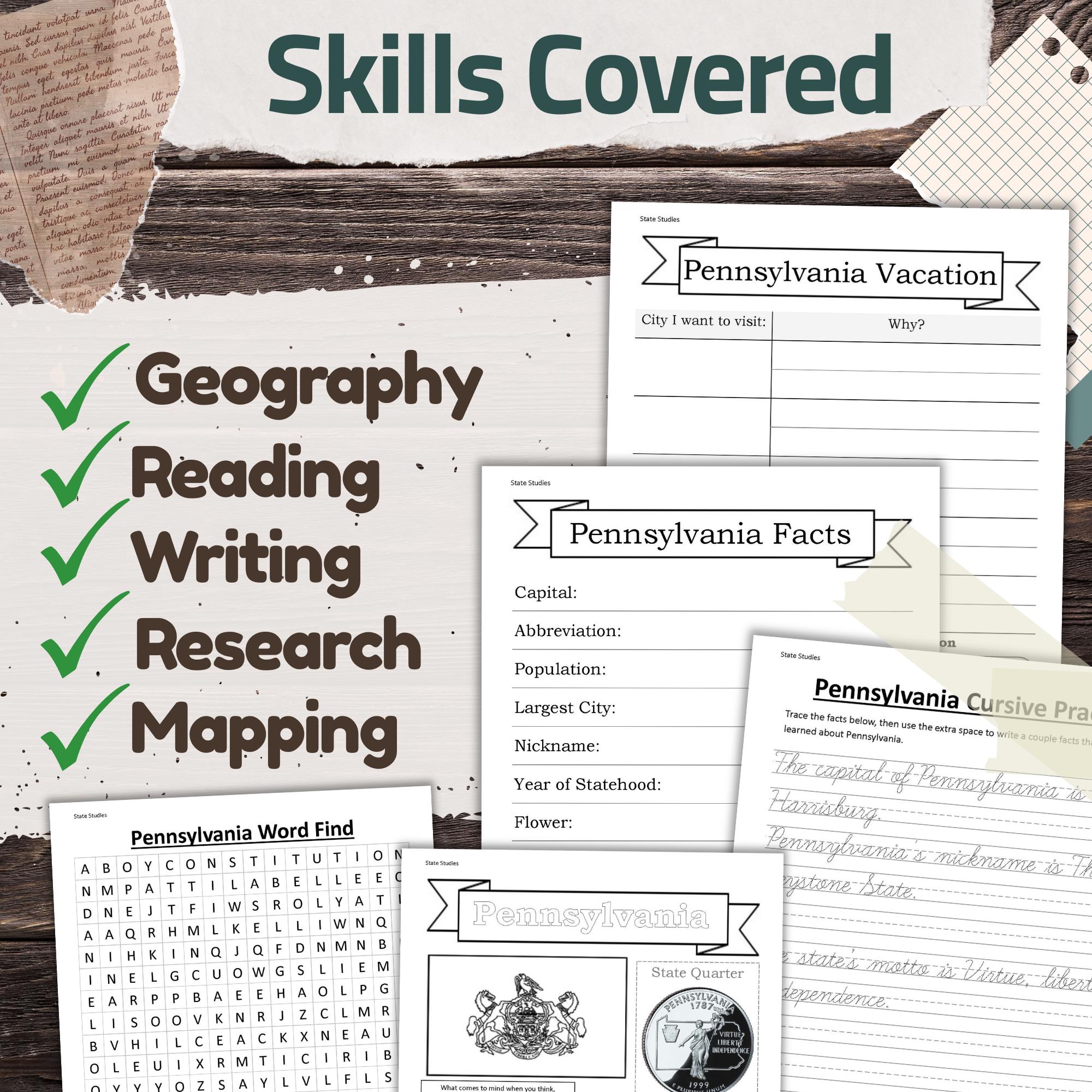
In a classroom or homeschool environment, teaching students to alphabetize can be both fun and practical. An Alphabetizing Worksheet On Towns Of Pennsylvania is an excellent resource for educators and parents looking to help children grasp the concept of alphabetical order while also learning about different towns in the state. This worksheet not only aids in developing essential literacy skills but also introduces students to geographical knowledge, making it a versatile educational tool.
Understanding Alphabetizing Skills
Alphabetizing is a foundational skill that students typically start learning in early elementary grades, often around grades 1 to 3. Mastering this skill is important because it lays the groundwork for more advanced literacy tasks, such as dictionary use, library research, and information retrieval.
When using the Alphabetizing Worksheet On Towns Of Pennsylvania, you can expect students to practice arranging names in alphabetical order. This task requires them to recognize the first letters of each town and organize them accordingly. As they engage with the worksheet, they will encounter various town names, which can also spark discussions about the locations and characteristics of these towns.
Setting Up the Worksheet Experience
Creating an effective learning environment for this worksheet is straightforward. Here’s how you can set it up in your classroom or home:
- Materials Needed:
- Printed copies of the Alphabetizing Worksheet On Towns Of Pennsylvania.
- Pencils or crayons for writing.
- A map of Pennsylvania (optional) to enhance geographical understanding.
- Preparation:
- Before handing out the worksheet, consider introducing the towns listed on the sheet. This could involve a brief overview or interesting facts about each town. This context not only makes the activity more engaging but also enriches students’ learning experience.
- Instructions for Students:
- Explain the task clearly. Students should read the list of towns and write them in alphabetical order.
- Encourage them to sound out the letters as they work to ensure they understand the alphabetization process.
Tracking Progress and Mastery
Monitoring students’ progress with the Alphabetizing Worksheet On Towns Of Pennsylvania is key to understanding their mastery of the skill. Here are some ways to track their development:
- Observation During Activity: Walk around the classroom or learning space while students are working. Look for common errors, such as misordering or skipping letters. This will help you identify which students may need more support.
- Review Completed Worksheets: After students have finished, review their worksheets. Check for accuracy in the alphabetization and pay attention to the neatness of their writing. A clean, organized worksheet reflects care and understanding.
- Follow-Up Activities: Consider implementing follow-up activities, such as asking students to create their own lists of towns or other items they can alphabetize. This reinforces their learning and gives you additional opportunities to assess their skills.
Incorporating Geography Lessons
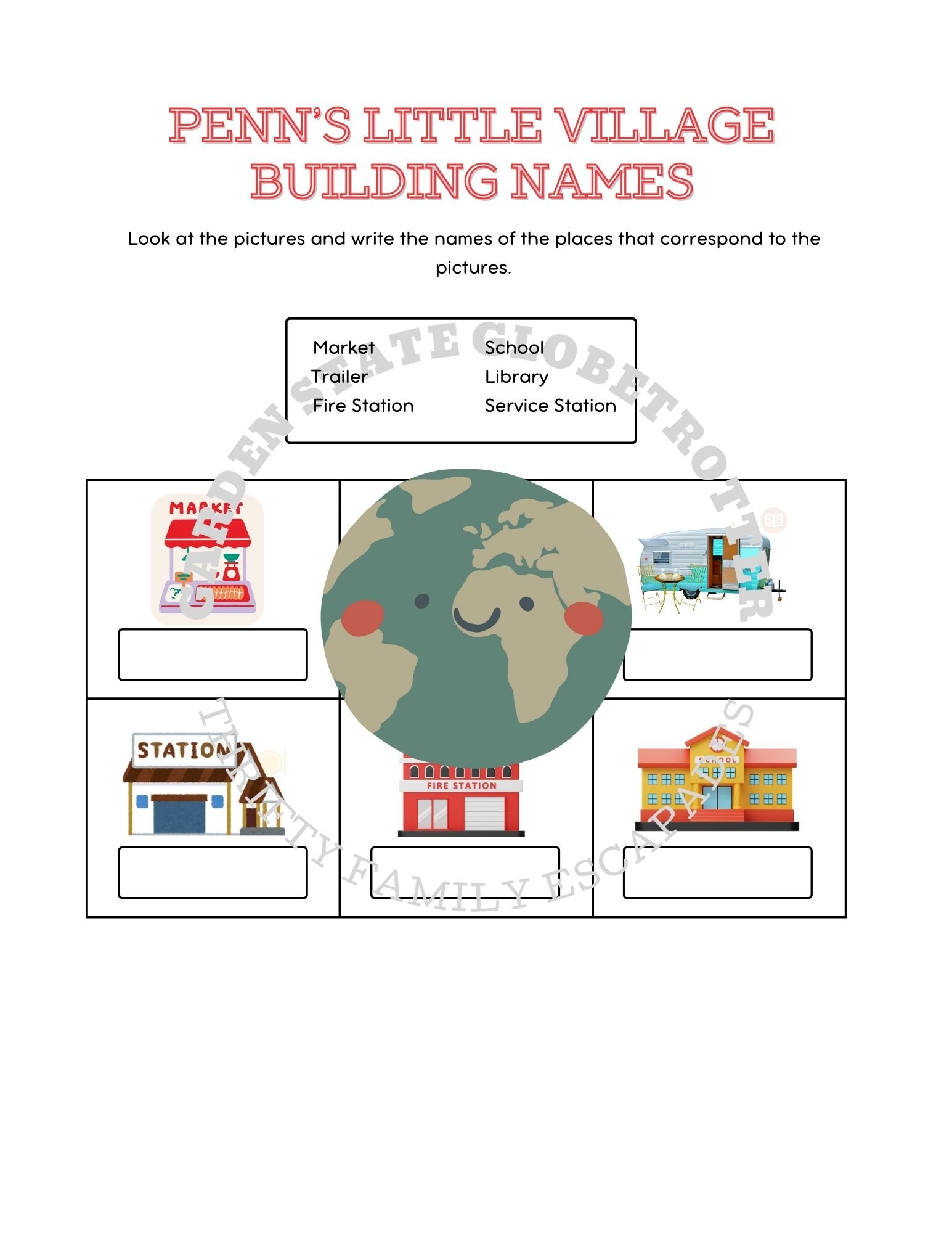
Using the Alphabetizing Worksheet On Towns Of Pennsylvania provides a dual advantage: students practice alphabetization while also learning about the towns that make up the state. Here’s how you can enrich the lesson with geography:
Map Activities
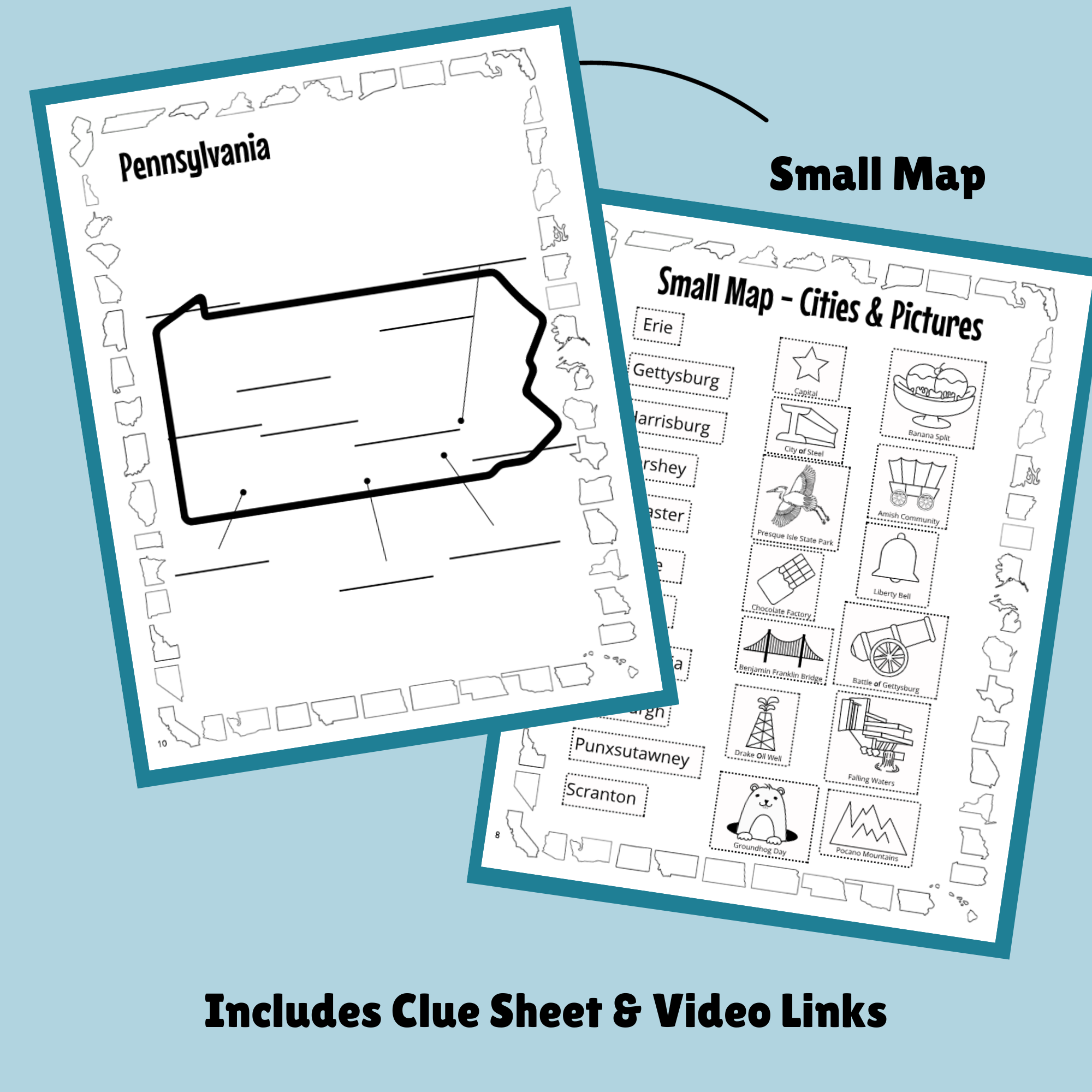
- Locating Towns on a Map: After students complete the worksheet, have them locate the towns on a map of Pennsylvania. This visual component helps them connect the written word with real-world geography.
- Town Characteristics: Discuss what makes each town unique. This could include history, notable landmarks, or cultural significance. Such discussions can make the lesson more engaging and memorable.
Group Work
- Collaborative Learning: Pair students to work on the worksheet together. They can discuss their thought processes as they alphabetize, helping each other with challenging names. This promotes teamwork and communication skills.
- Presentations: Have students present one town from the worksheet to the class. This encourages research, public speaking, and deepens their knowledge of Pennsylvania towns.
Adapting the Worksheet for Different Learning Styles
Every student has a unique learning style, so it’s important to adapt your approach to meet diverse needs. Here are some tips on how to modify the Alphabetizing Worksheet On Towns Of Pennsylvania for different learners:
- Visual Learners: Use colorful charts or flashcards displaying town names to help these students visualize their alphabetization tasks.
- Kinesthetic Learners: Incorporate movement by having students physically arrange cards with town names in alphabetical order. This hands-on approach can help reinforce the concept.
- Auditory Learners: Allow students to say the town names out loud as they work through the worksheet. This auditory reinforcement will help them remember the correct order.
Final Tips for Effective Use
To maximize the effectiveness of the Alphabetizing Worksheet On Towns Of Pennsylvania, keep these strategies in mind:
- Repetition is Key: Don’t hesitate to use the worksheet multiple times throughout the school year. Repetitive practice will solidify the skill in students’ minds.
- Encourage Peer Review: Have students exchange worksheets to check each other’s work. This not only helps them learn from one another but also fosters a sense of accountability.
- Celebrate Progress: Recognize improvements, no matter how small. Simple praise can motivate students and encourage them to keep practicing.
Incorporating the Alphabetizing Worksheet On Towns Of Pennsylvania into your teaching routine can significantly enhance students’ alphabetization skills while also enriching their knowledge of geography. By creating a structured yet flexible learning environment, you can help your students master this essential skill while making the experience enjoyable and informative.