
Organizing your worksheets can significantly enhance teaching effectiveness, particularly in a classroom or homeschool setting. One practical method to achieve this is to alphabetize worksheets in a workbook. This technique not only helps you quickly locate specific materials but also aids students in developing organizational skills. Here’s a step-by-step guide on how to implement this method effectively.
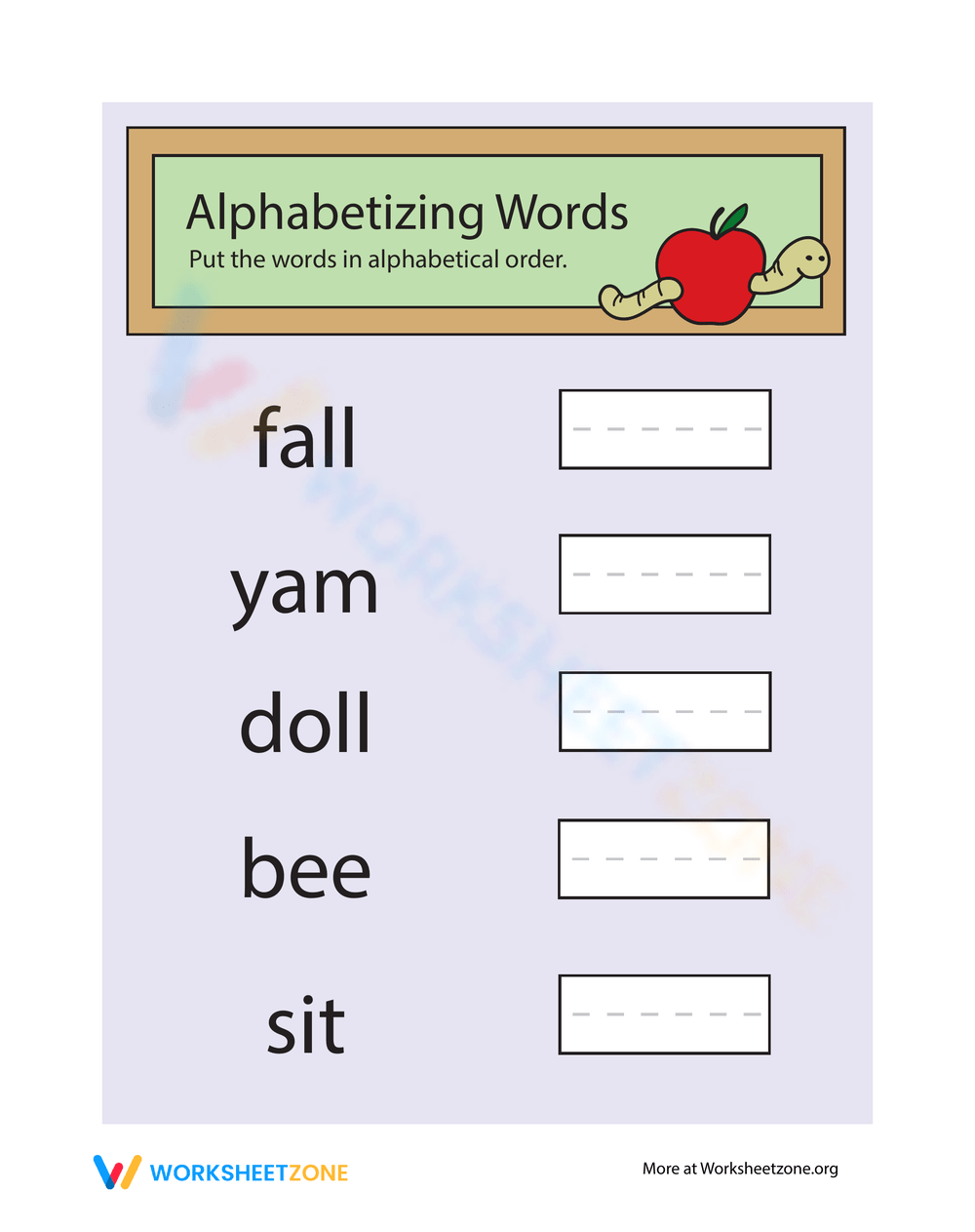
Understanding the Importance of Alphabetizing Worksheets
Alphabetizing worksheets serves multiple purposes in an educational context. For teachers, it streamlines lesson planning and material access. When worksheets are arranged alphabetically, you can swiftly find the content you need, whether it’s a math practice sheet or a reading comprehension exercise. For students, it fosters independence as they learn to locate their own resources.
Consider a scenario where you have 20 different worksheets for a language arts unit. If they’re scattered throughout a binder, locating the right one during a lesson can be time-consuming. By alphabetizing them, you create a logical system that encourages efficiency and helps maintain focus during class.
Steps to Alphabetize Worksheets in a Workbook
Gather Your Worksheets
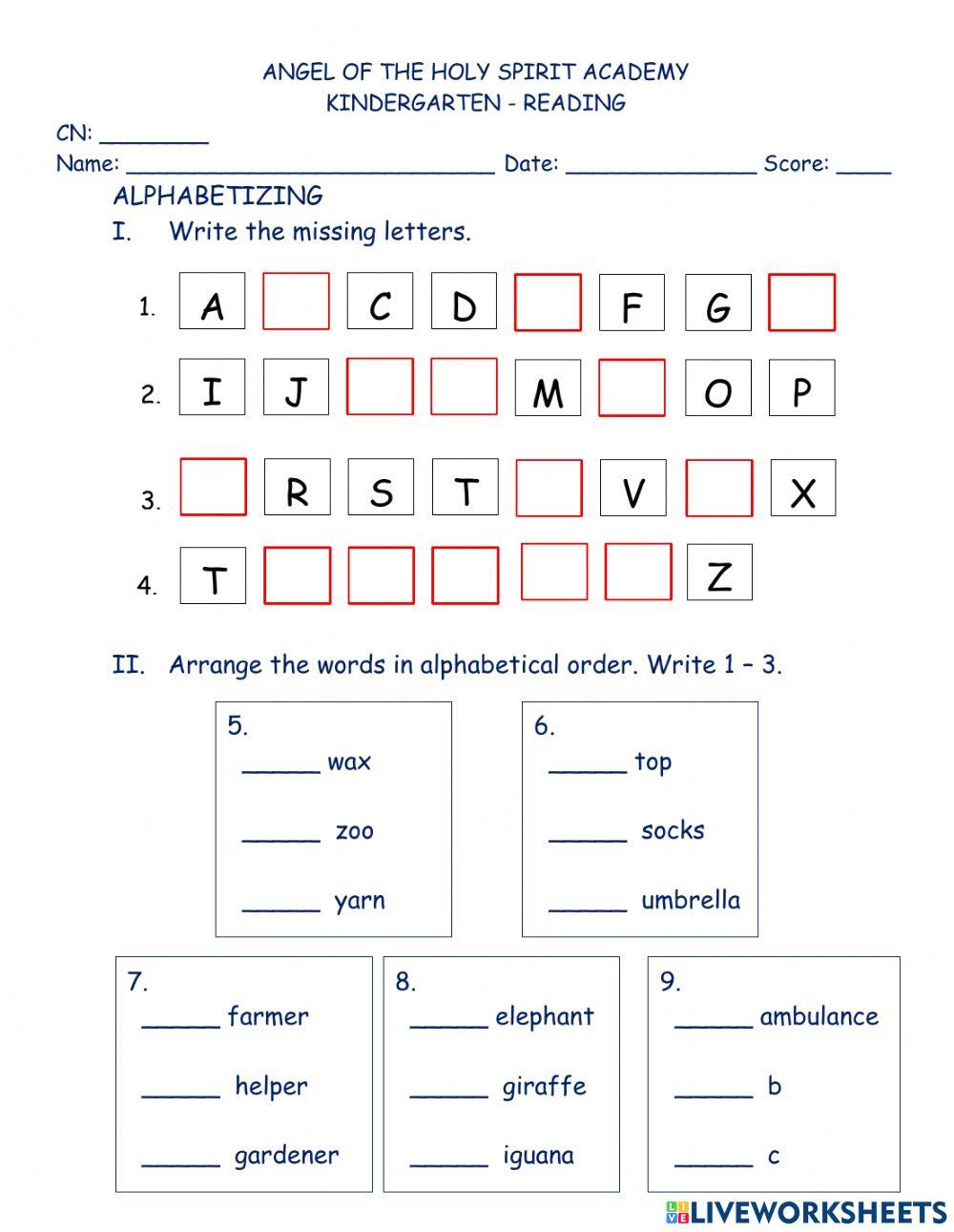
Before you start the alphabetizing process, collect all the worksheets you intend to include in your workbook. This could range from templates and calendars to specific subject worksheets. Ensure you have a clear idea of what you want to include, as this will help in organizing them later.
Choose a Suitable Workbook
Selecting the right workbook is crucial. A binder with clear plastic sleeves works well for easy insertion and removal of worksheets. Alternatively, if you prefer a more permanent solution, consider using a spiral-bound notebook. Either way, ensure the workbook can accommodate various sizes of worksheets, typically 8.5 x 11 inches.
Sort Worksheets by Title
Now that you have your materials and workbook ready, it’s time to sort the worksheets. Lay them out on a flat surface and examine the titles. Arrange them in alphabetical order. It might help to group them by subject first, then sort each group alphabetically.
For example, if you have worksheets titled “Adjectives,” “Nouns,” and “Verbs,” the correct order would be:
- Adjectives
- Nouns
- Verbs
Label Sections for Easy Navigation
Once your worksheets are organized, consider labeling sections in your workbook. You can use tab dividers to create sections for different subjects or grade levels. Label each tab clearly, such as “Math,” “Science,” and “Language Arts,” to make it even easier to find what you need quickly.
Use a Table of Contents
A table of contents can be a game-changer for larger workbooks. Create a simple list at the front of your workbook that includes all the worksheet titles and their corresponding page numbers. This way, both you and your students can refer to it whenever necessary.
Maintaining the Order of Worksheets
Alphabetizing worksheets is not a one-time task; it requires ongoing maintenance. Here are some practical tips to ensure your workbook stays organized:
Regularly Review and Update
Set aside time at the end of each month to review your worksheets and update your workbook. Remove any outdated sheets and add new ones as needed. This helps keep the resource relevant and useful.
Encourage Student Participation
Involve your students in the organization process. Teach them how to alphabetize their own resources. This not only reinforces the skill but also makes them more responsible for their learning materials. You might even create a fun classroom activity around organizing worksheets.
Create a Backup System
Consider digitizing your worksheets by scanning them or saving them on a cloud-based platform. This way, you have a backup in case any of the physical copies get lost or damaged. Digital files can also be alphabetized and easily accessed from any device.
Benefits of Using Alphabetized Worksheets
There are numerous benefits to alphabetizing worksheets in a workbook. Here are a few key advantages:
- Time-Saving: Quickly find the worksheets you need without sifting through piles of papers.
- Enhanced Learning: Students develop organizational skills that are invaluable in their academic journey.
- Improved Focus: A well-organized workbook minimizes distractions, allowing for a smoother teaching experience.
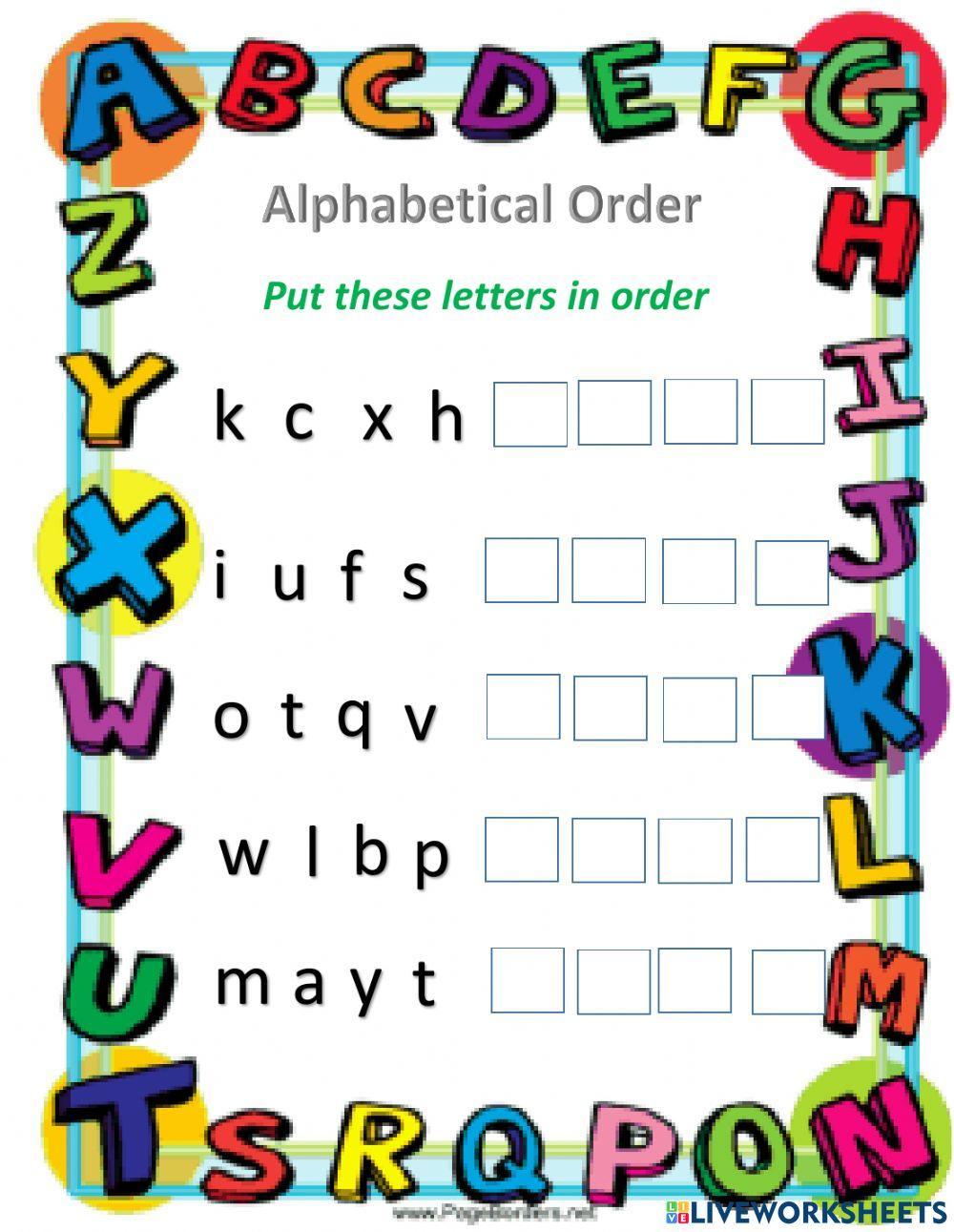
Practical Applications in Different Settings
Classroom Use
In a classroom setting, alphabetized workbooks can be a valuable resource during independent work time. Students can easily locate worksheets they need for practice or review without constant teacher assistance. This promotes self-reliance and encourages them to take ownership of their learning.
Homeschooling
For parents homeschooling their children, having a well-organized workbook can make lesson planning less daunting. With worksheets at your fingertips, you can seamlessly integrate different subjects into daily lessons. It also helps you keep track of what has been completed and what still needs attention.
Group Activities
If you’re working with multiple students or in a tutoring scenario, an alphabetized workbook allows for smoother transitions during group activities. Each student can quickly access the materials they need, minimizing downtime and maximizing productivity.
By implementing these strategies, you can effectively alphabetize worksheets in a workbook. It’s a straightforward approach that pays off in organization and improved educational experiences.
Take action today by gathering your worksheets and starting the alphabetizing process. Not only will you save time in the long run, but you’ll also create a more efficient learning environment for yourself and your students.