
Children often struggle with letter formation and recognition. This can lead to frustration and hinder their progress in writing. Alphabet Tracing Worksheets To Print are a valuable resource that can help reinforce these essential skills in a fun and engaging way. These worksheets not only provide practice for letter formation but also encourage fine motor skills development, making them ideal for preschool and early elementary students.
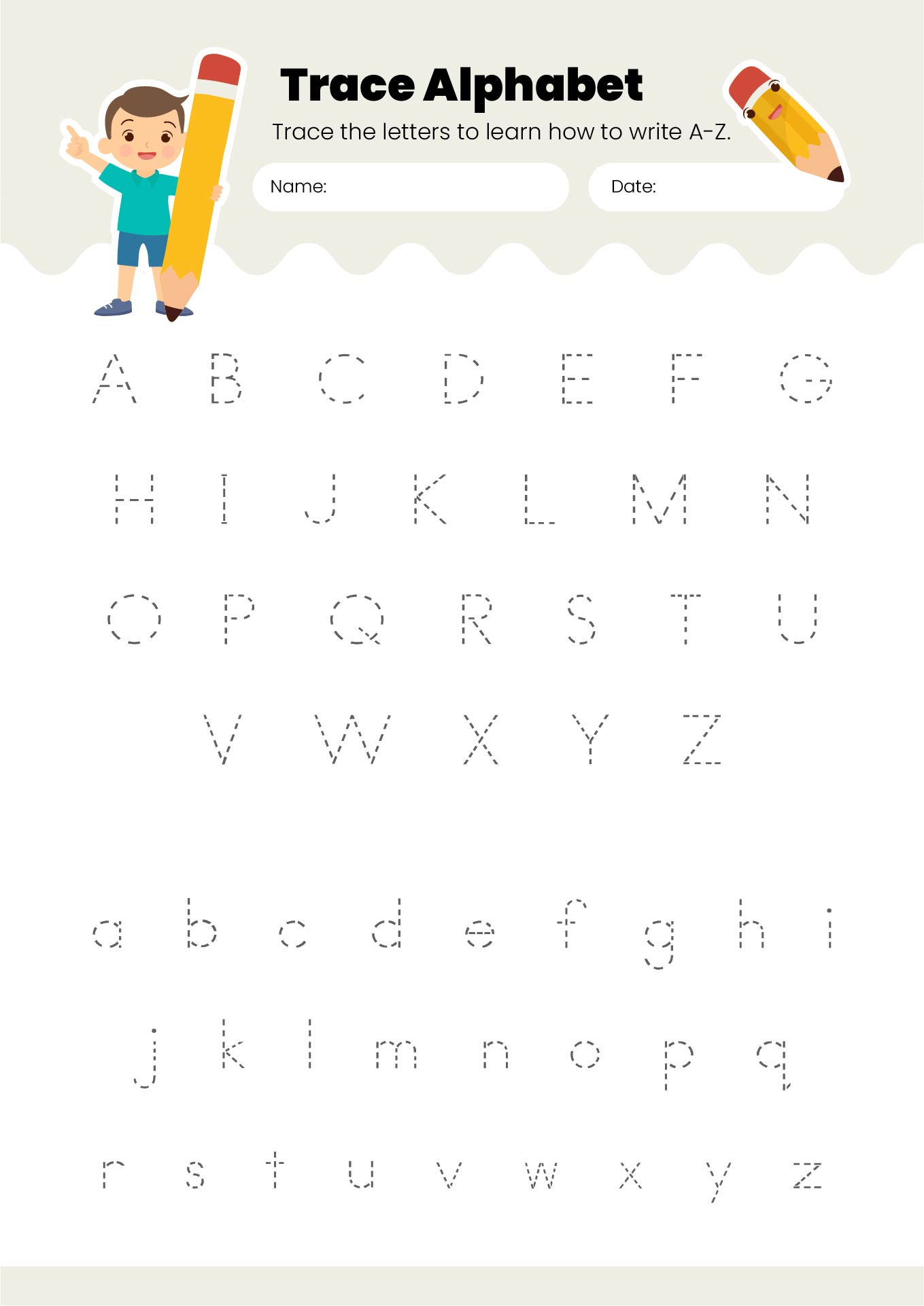
Understanding the Importance of Tracing Worksheets
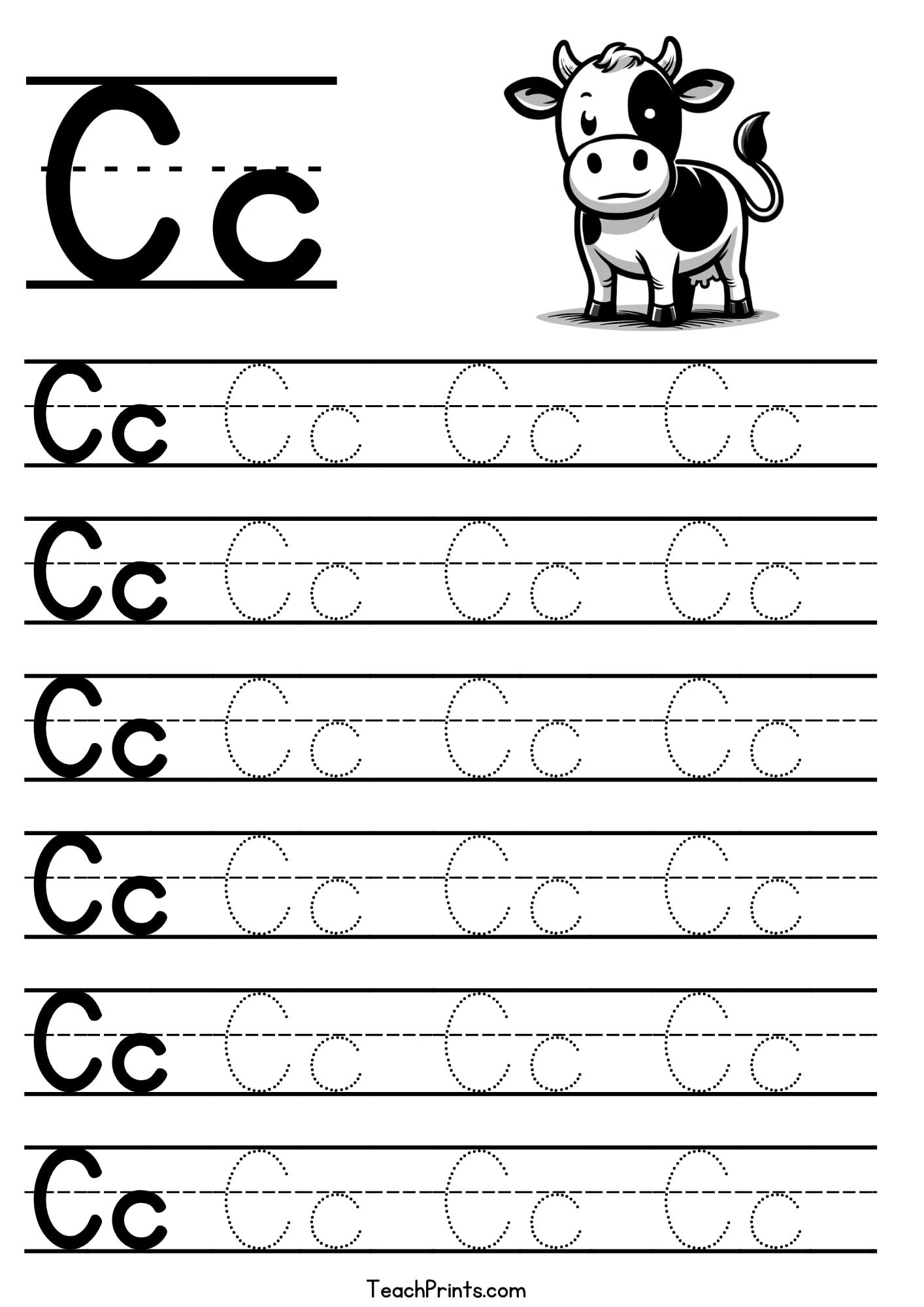
Tracing worksheets serve multiple purposes in early childhood education. They help children learn to form letters correctly while providing a visual guide. This method reinforces muscle memory, which is crucial for writing. As children trace letters, they also develop hand-eye coordination and fine motor skills, which are necessary for various tasks throughout their lives.
The ideal age for using these worksheets is typically between 3 and 7 years old, aligning with preschool and kindergarten readiness. However, they can also be beneficial for older students who may need additional practice.
Choosing the Right Alphabet Tracing Worksheets
When selecting Alphabet Tracing Worksheets To Print, consider the following factors:
- Age Appropriateness: Ensure that the worksheets are suitable for your child’s age and skill level. Worksheets designed for younger children often feature larger letters and more straightforward designs.
- Design Variety: Look for worksheets that offer different styles of tracing, such as dotted letters, arrows indicating the direction of strokes, or even fun graphics that make learning enjoyable.
- Printable Format: Choose worksheets that come in PDF format. This ensures that the layout will remain consistent when printed, avoiding any reformatting issues that can occur with other file types.
- Customization Options: Some resources may allow you to customize worksheets with your child’s name or specific themes, which can make learning more personal and engaging.
Downloading and Printing Your Worksheets
Once you’ve found the perfect Alphabet Tracing Worksheets To Print, downloading and printing them is usually straightforward. Here’s how to do it effectively:
- Download the Worksheet: Click the download link for the worksheet you’ve chosen. PDFs are preferable because they maintain quality and formatting.
- Choose Your Paper Size: Most worksheets are designed for standard letter size (8.5 x 11 inches). Ensure your printer settings match this size for the best results.
- Select Print Settings: When printing, use a portrait layout. If you plan to use the worksheets multiple times, consider printing on cardstock, which is more durable and can withstand repeated use, especially if you plan to laminate them.
- Print a Test Page: Before printing a full set, print one worksheet to check for clarity and layout. This step can save paper and ink.
Setting Up for Successful Tracing Practice
Creating an environment conducive to tracing practice is essential for children to focus and enjoy their learning experience. Here’s how you can set it up:
- Quiet Space: Find a distraction-free area where your child can concentrate. A well-lit table with enough space for them to spread out their materials is ideal.
- Provide the Right Tools: Use a variety of writing utensils. Pencils are great for initial tracing, but you might also introduce crayons or markers for added fun. If your worksheets are laminated, dry-erase markers work well and allow for repeated use.
- Model the Activity: Before having your child start, demonstrate how to trace the letters. Explain the correct way to hold a pencil and the proper strokes for each letter. This modeling can significantly enhance their understanding.
Encouraging Independent Practice
To foster independence in your child’s learning process, encourage them to trace the letters without direct supervision. Here are some tips to support this:
- Set Clear Expectations: Let your child know what is expected before they begin. For instance, you might say, “Try to trace each letter three times.”
- Use Positive Reinforcement: Celebrate their efforts and progress, no matter how small. Positive feedback can boost their confidence and motivate them to keep practicing.
- Track Progress: Keep a record of completed worksheets. This not only shows improvement but also gives a sense of accomplishment. Consider creating a chart where they can place stickers for each completed worksheet.
- Incorporate Fun Elements: Make tracing more enjoyable by integrating themes. For example, use seasonal graphics, animals, or favorite characters on the worksheets. This can make the activity feel less like a chore.
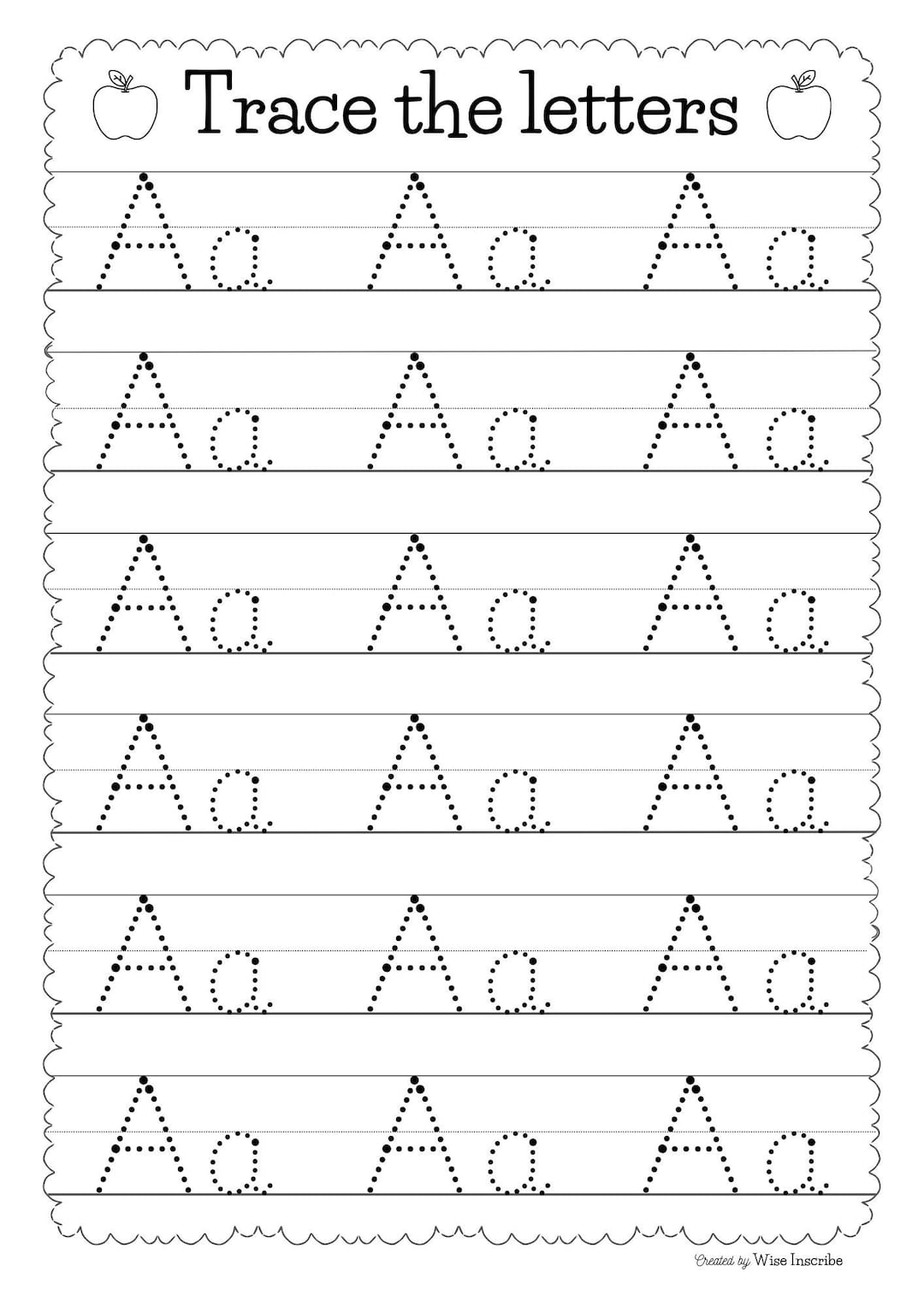
Maximizing the Benefits of Tracing Worksheets
To truly leverage the benefits of Alphabet Tracing Worksheets To Print, consider integrating them into a broader learning routine:
- Combine with Other Activities: Pair tracing with activities that reinforce letter recognition, like singing the alphabet song, playing letter games, or reading books featuring the alphabet.
- Introduce Writing Beyond Tracing: Once your child becomes comfortable tracing letters, encourage them to write letters independently. You can ask them to write their name or simple words after tracing.
- Routine Practice: Set aside specific times during the week for tracing practice. Consistency helps reinforce skills and builds a habit.
- Engage with Technology: Use educational apps that focus on letter tracing as a supplement. Many apps offer interactive ways to learn letter formation, which can complement the worksheets effectively.
With thoughtful preparation and a supportive approach, Alphabet Tracing Worksheets To Print can become a delightful and effective tool in your child’s learning journey. By following these steps, you’ll create a fun and productive environment that fosters both skill development and a love for learning. Start today by downloading a set of worksheets and watch your child’s confidence grow as they master the alphabet!