
When Jamie sat down with her five-year-old son, Max, at the kitchen table, she felt a mix of excitement and nervousness. Today was the day they would look at letter learning using Alphabet Tracing Worksheets For Learning Alphabets. These worksheets promised to make learning fun while helping Max develop his writing skills. As they spread out the colorful printables, Jamie could see the potential these resources held for both classroom and home learning environments.
Understanding the Importance of Alphabet Tracing
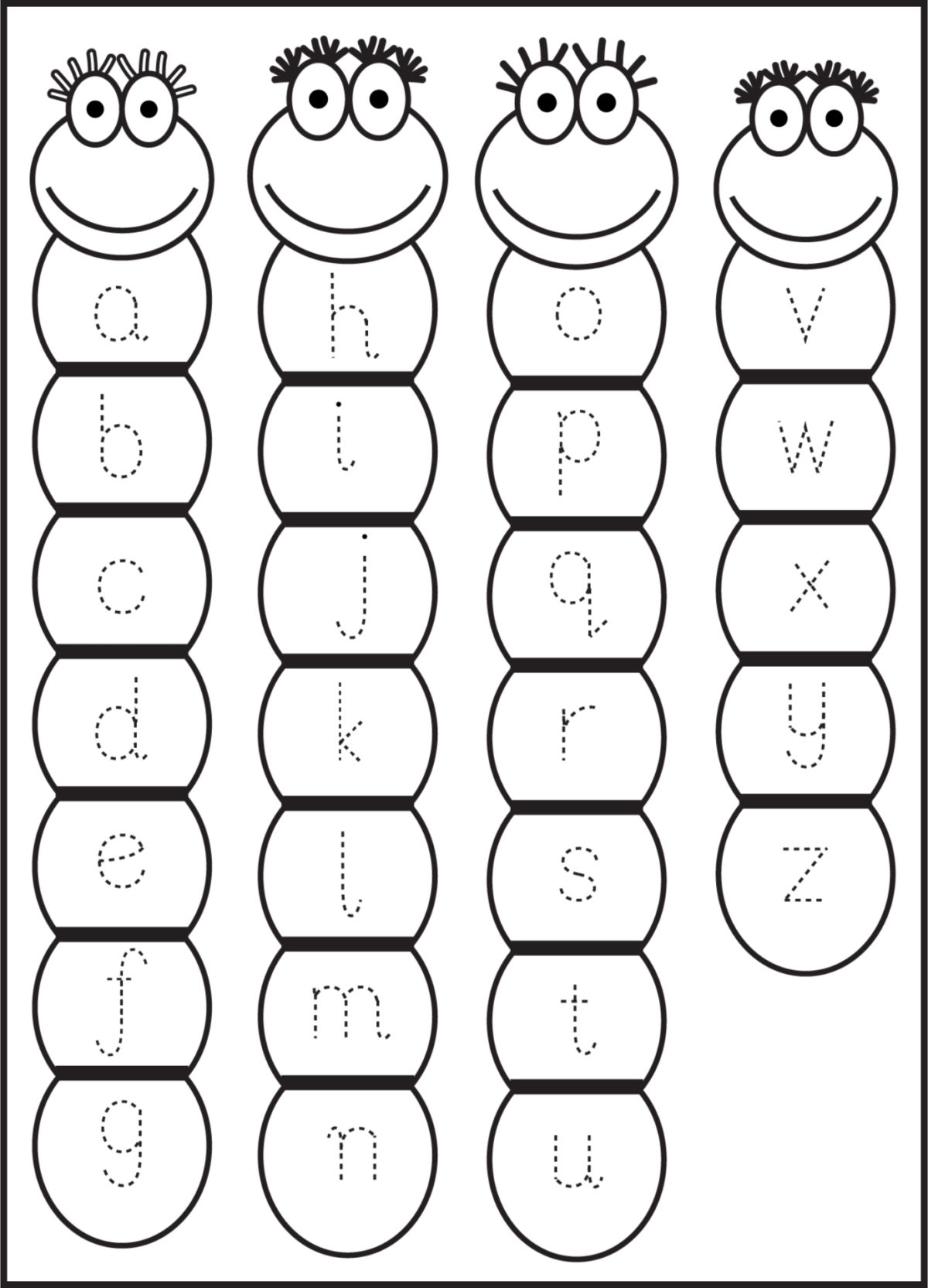
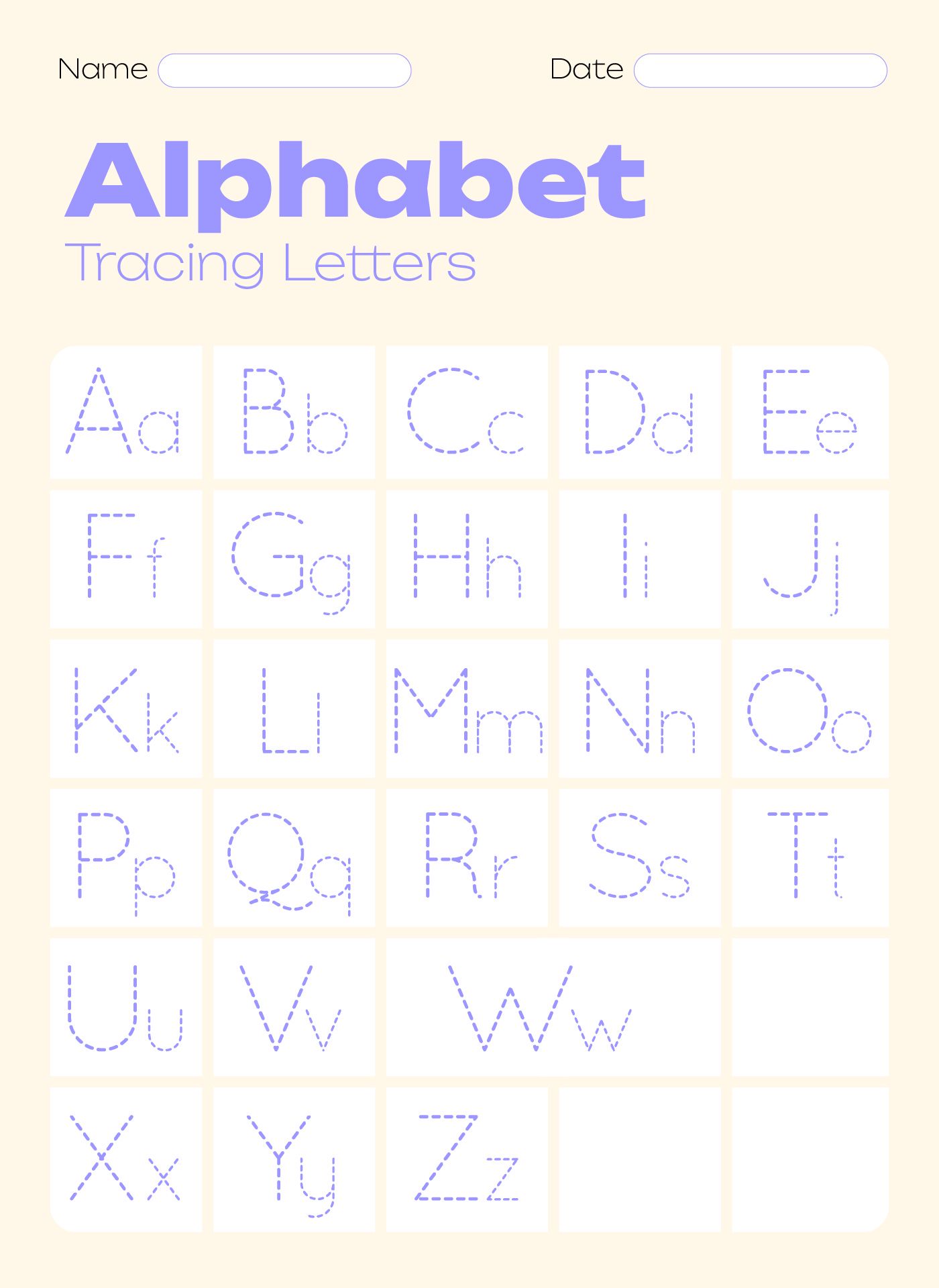
Alphabet tracing worksheets serve as a foundational tool in early childhood education. They help children learn to recognize both uppercase and lowercase letters while simultaneously developing fine motor skills necessary for writing. Tracing letters helps students understand the shape and structure of each letter, which is crucial for handwriting development.
For kids aged 3 to 6, these worksheets can be a delightful way to engage in learning. By tracing letters repeatedly, children reinforce their memory, enhancing their ability to recall and write the letters independently later.
Setting Up for Success: Materials and Environment
Creating a conducive learning environment is essential for effective use of Alphabet Tracing Worksheets. Here’s what you’ll need:
- Printable Worksheets: Ensure you have a variety of worksheets that cover the entire alphabet. Look for ones that offer both tracing and coloring activities, as these can keep youngsters engaged.
- Writing Tools: Use colorful markers, crayons, or pencils. Crayons are particularly good for younger children, as they are easier to grip and control.
- Paper: Standard A4 or letter-sized paper works well. For durability, consider using cardstock if you plan to reuse the worksheets.
Set up a quiet space at a table where distractions are minimized. This could be in a classroom corner, a dedicated homework desk, or even the dining table at home.
Daily Practice: Spacing and Repetition
To make the most out of Alphabet Tracing Worksheets, try spacing the practice over a week rather than cramming it into one session. Here’s a suggested schedule for effective learning:
- Day 1: Focus on tracing uppercase letters A to E. Encourage your child to say the letter names while tracing.
- Day 2: Move to uppercase letters F to J, following the same method.
- Day 3: Transition to lowercase letters a to e, reinforcing what was learned previously.
- Day 4: Continue with lowercase letters f to j.
- Day 5: Mix it up! Create a fun game where you call out letters and have your child trace them on a blank sheet.
This spaced repetition helps solidify their understanding and makes learning less overwhelming. Children benefit from the regular practice, which increases their muscle memory and confidence in writing.
Engaging Activities With Alphabet Tracing Worksheets
To keep children excited about learning, incorporate fun activities alongside the tracing worksheets. Here are a couple of ideas:
Coloring and Crafting
After tracing letters, allow kids to color in pictures associated with each letter. For instance, after tracing the letter “A,” they can color an apple. This not only reinforces the letter but also connects it to a word, enhancing vocabulary.
Letter Scavenger Hunts
Create a scavenger hunt where children search for objects around the house or classroom that start with the letters they’ve been tracing. For example, they could find an “M” for “mug” or a “B” for “book.” This interactive approach adds a physical element to learning and makes it memorable.
Assessing Progress and Encouragement
As children work through Alphabet Tracing Worksheets, it’s important to regularly assess their progress. Look for improvements in their letter formation and confidence. Here’s how you can track their development:
- Weekly Review: Set aside time each week to look over their completed worksheets. Praise their efforts and point out improvements.
- Create a Portfolio: Keep a binder where you store their worksheets. This not only helps track progress but also serves as a confidence booster as they see how far they’ve come.
Encouragement is key. Celebrate small victories, whether it’s tracing their first letter or writing their name independently. Positive reinforcement can fuel their enthusiasm for learning.
Choosing the Right Worksheets
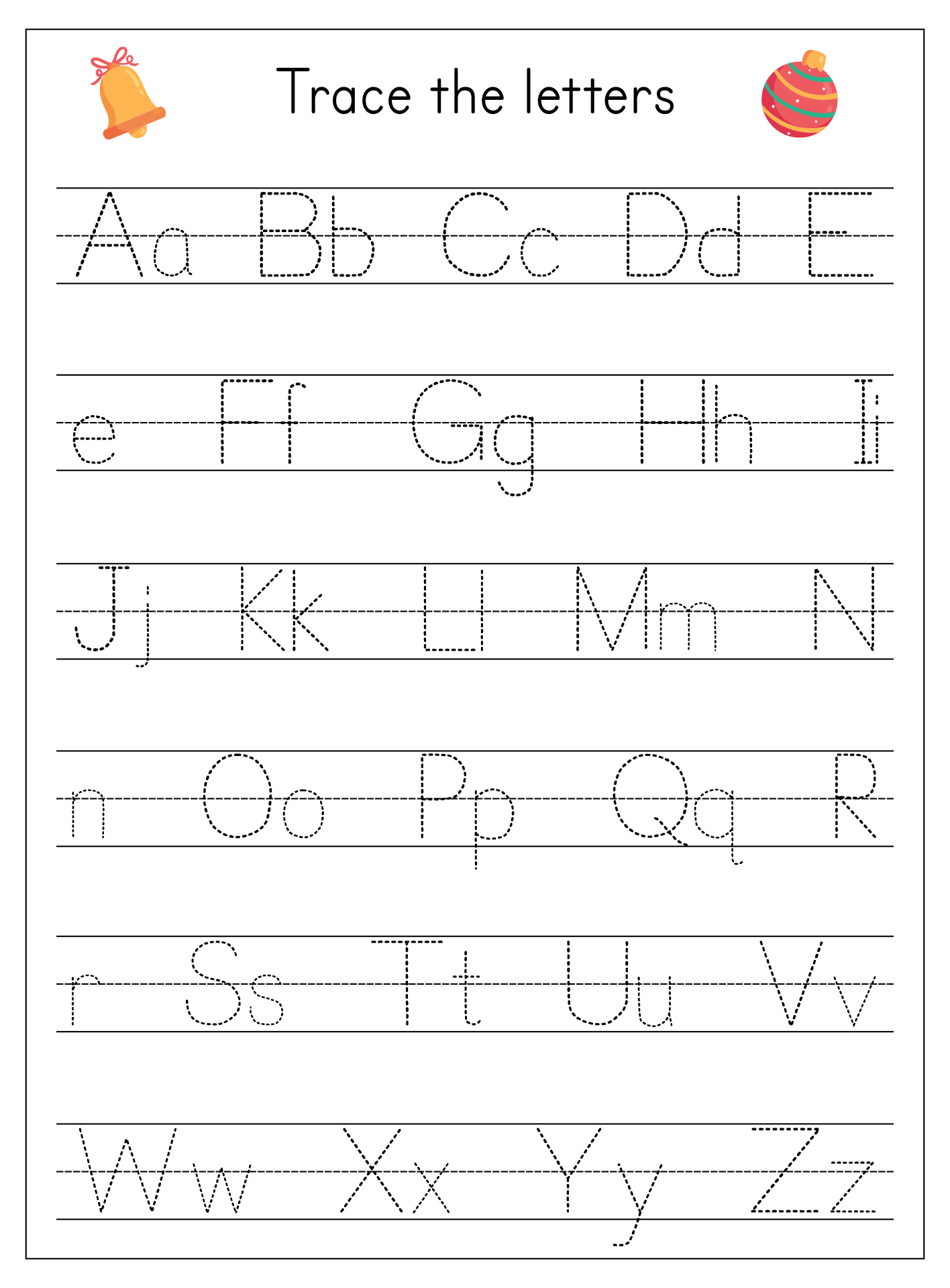
When selecting Alphabet Tracing Worksheets, look for those that are visually appealing and age-appropriate. Some features to consider include:
- Variety of Activities: Choose worksheets that include tracing, coloring, and even puzzles to keep engagement high.
- Clear Instructions: Worksheets should be easy to follow, with simple instructions on how to use them.
- Accessibility: Ensure that the worksheets are downloadable in PDF format for easy printing.
Many resources online offer free or low-cost printable worksheets, making it easy to find what suits your teaching style and your child’s learning needs.
The journey of learning the alphabet can be both fun and educational with the right tools and approach. By using Alphabet Tracing Worksheets For Learning Alphabets effectively, you can foster a love for learning in young children, setting them on a path of literacy that will serve them for years to come.