
Using Alphabet Tracing Worksheets D’ can significantly enhance a child’s handwriting skills while making learning fun. These worksheets are typically designed in a standard letter size (8.5” x 11”), making them easy to print and use at home or in the classroom. The unique feature of these worksheets is that they provide a structured way for young learners to practice letter formation in a repeatable format, essential for developing fine motor skills and letter recognition.
Understanding the Layout of Alphabet Tracing Worksheets D’
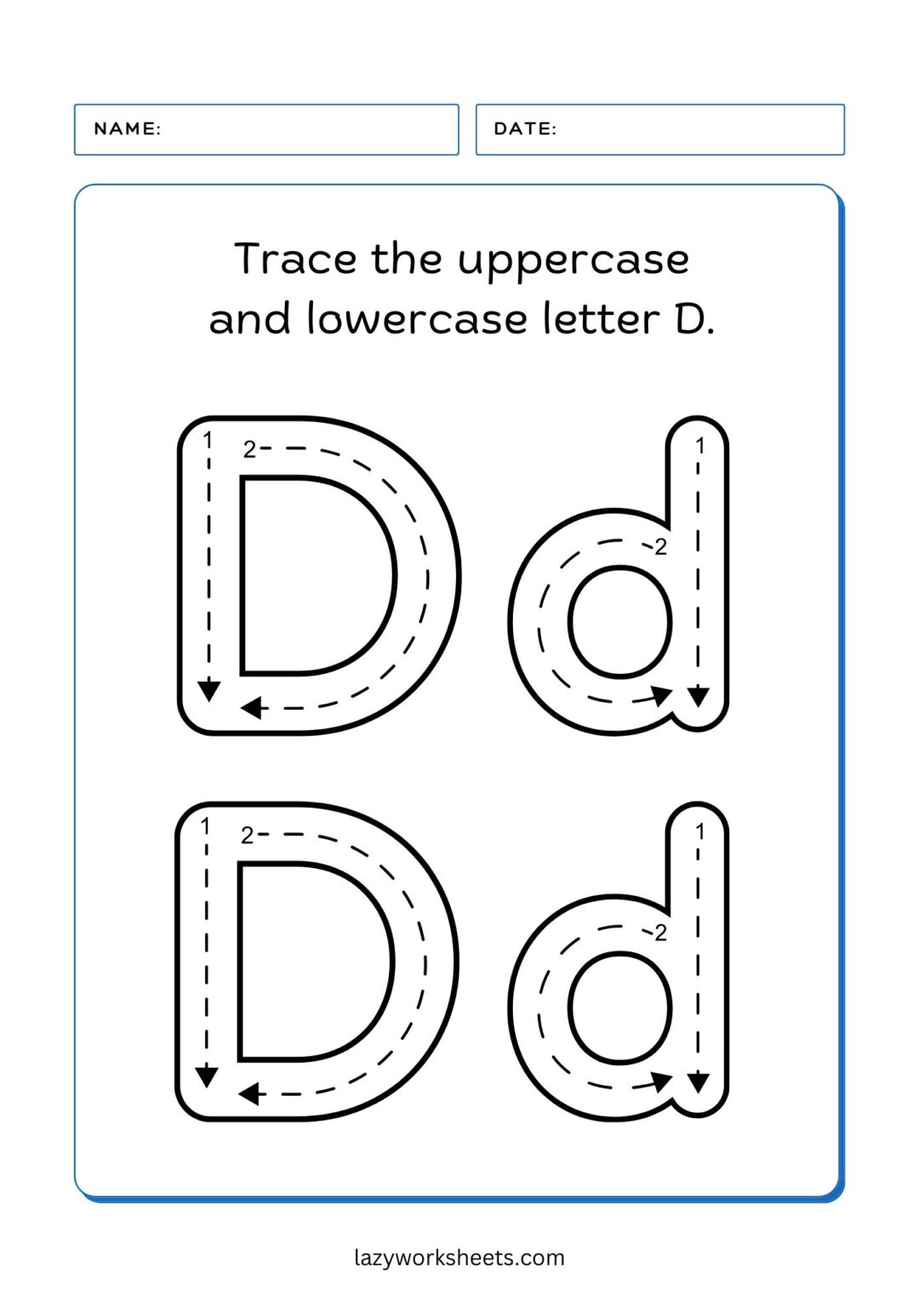
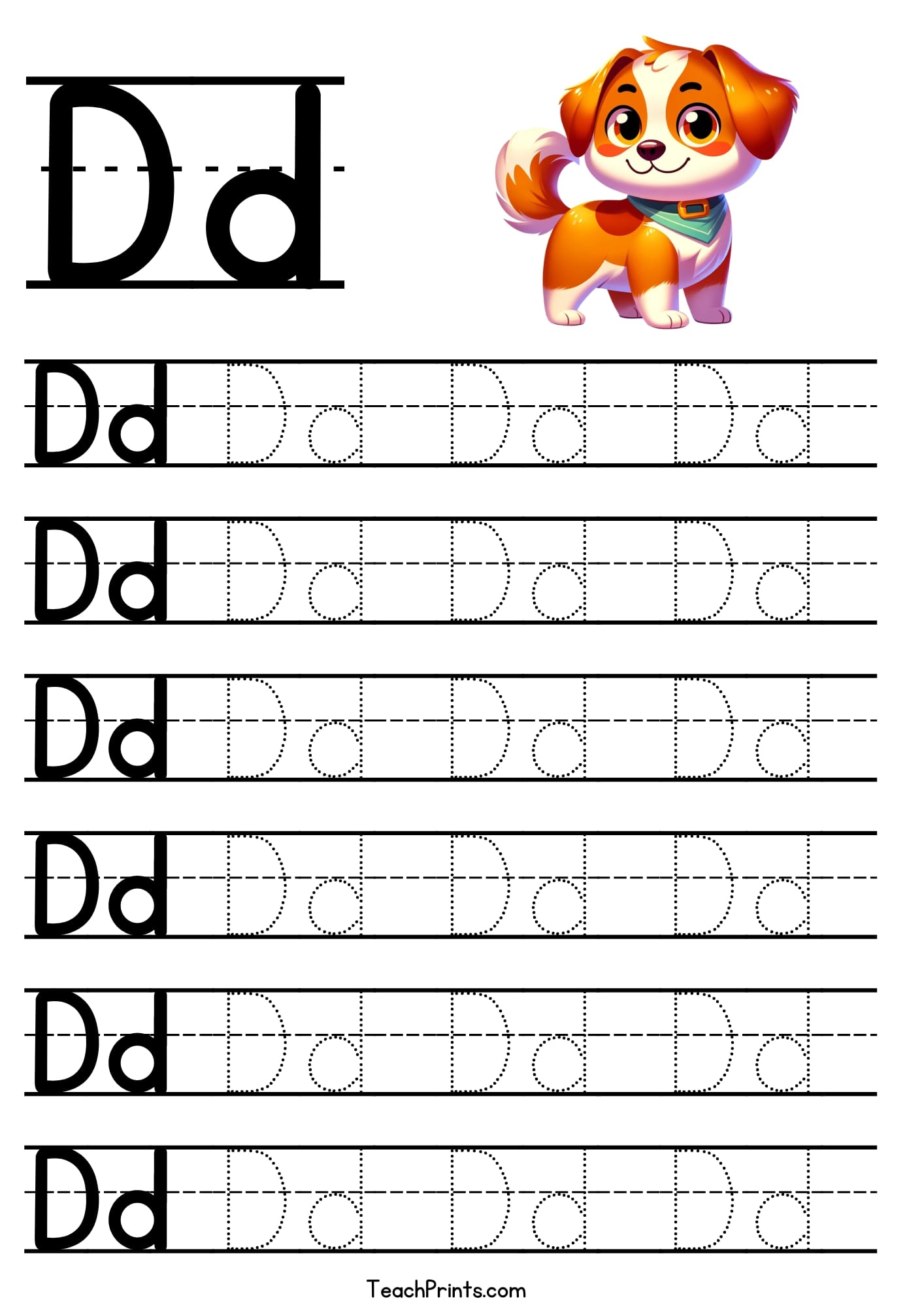
Alphabet Tracing Worksheets D’ are often laid out with individual letters presented in a clear, bold font. Each worksheet typically includes:
- Uppercase and lowercase letters: This dual format allows children to see the differences in letter forms and practice both styles.
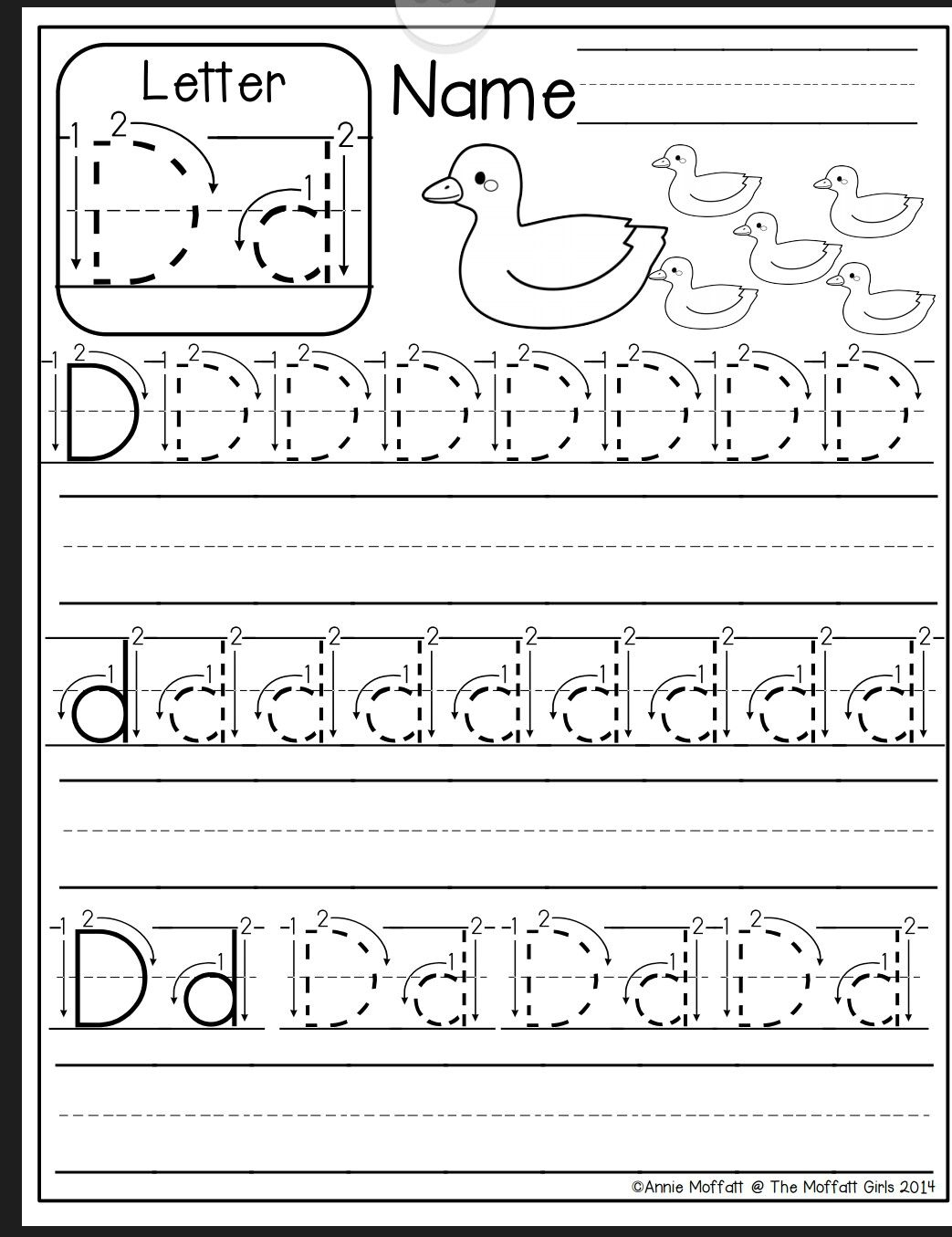
- Guided lines: The letters are usually accompanied by dashed lines, indicating where children should trace. This helps them learn the correct starting points and stroke order.
- Blank spaces for freehand writing: After tracing, children can practice writing the letters independently in designated areas. This step reinforces muscle memory and encourages confidence in their writing.
The design choices, such as using a simple and engaging font, are made to help children focus solely on letter formation, minimizing distractions. This structured approach is particularly beneficial for preschool and kindergarten students who are just beginning their writing journey.
Effective Use of Alphabet Tracing Worksheets D’ in Learning
When using Alphabet Tracing Worksheets D’, it’s crucial to incorporate them into a consistent practice routine rather than using them all at once. Here are some practical steps to maximize their effectiveness:
- Daily Practice: Set aside 10-15 minutes each day for tracing. This short, focused time helps reinforce skills without overwhelming the child.
- Themed Worksheets: Consider grouping worksheets by themes (e.g., animals, seasons) to keep the learning process engaging. Children may find it more exciting to trace letters associated with their favorite topics.
- Mix Up the Medium: Use different writing tools such as crayons, markers, or even finger paint for tracing. This variety can make the activity more enjoyable and tactile, which is beneficial for young learners.
- Check for Progress: Regularly review the worksheets to track improvement. Celebrate milestones, like forming letters correctly or completing an entire sheet, to encourage continued effort.
Benefits of Repetition With Alphabet Tracing Worksheets D’
Repetition is vital in mastering handwriting skills. The structure of Alphabet Tracing Worksheets D’ allows for spaced practice, which has been shown to enhance retention and skill development. Here’s how you can implement this:
- Weekly Focus: Assign a specific letter or set of letters each week. This allows children to practice the same letters multiple times, reinforcing their learning.
- Create a Portfolio: Keep a collection of completed worksheets. This not only provides a sense of accomplishment but also allows for easy review of past letters.
- Integrate with Other Subjects: Use the letters they’re tracing in other activities, such as spelling simple words or identifying objects that start with those letters. This cross-curricular approach deepens their understanding and keeps learning interconnected.
Choosing the Right Paper and Printing Options
When preparing Alphabet Tracing Worksheets D’, the choice of paper and printing settings can enhance the experience. Here are some recommendations:
- Paper Type: For durability, especially if you plan to reuse the worksheets, consider printing them on cardstock. This thicker paper holds up better to repeated use and can withstand erasing.
- Printer Settings: Set your printer to a standard high-quality print setting to ensure the letters are clear and easy to trace. If you’re printing at home, using portrait layout typically works best for these worksheets.
- Laminating for Reusability: If you want to use the worksheets multiple times, laminating them is a great option. This allows for dry-erase markers to be used, letting children practice tracing without wasting paper.
Incorporating Alphabet Tracing Worksheets D’ Into Home and Classroom Activities
In both home and classroom settings, Alphabet Tracing Worksheets D’ can be integrated into a variety of activities to enhance learning. Here are some suggestions:
- Group Activities: In a classroom, consider forming small groups where children can work together on tracing. This encourages peer learning and can make the activity more social.
- Parent Involvement: Encourage parents to engage in tracing practice at home. Provide them with tips on how to support their child’s learning, such as by asking questions about the letters and sounds.
- Seasonal or Holiday Themes: Adapt the worksheets to fit seasonal themes or holidays. For example, incorporate holiday-themed words that start with the letters being traced, adding a festive touch to the learning process.
By effectively using Alphabet Tracing Worksheets D’, you can create a supportive learning environment that fosters both writing skills and a love for learning. Whether in a classroom or at home, these worksheets provide a practical and enjoyable way for children to develop their handwriting abilities while having fun.