
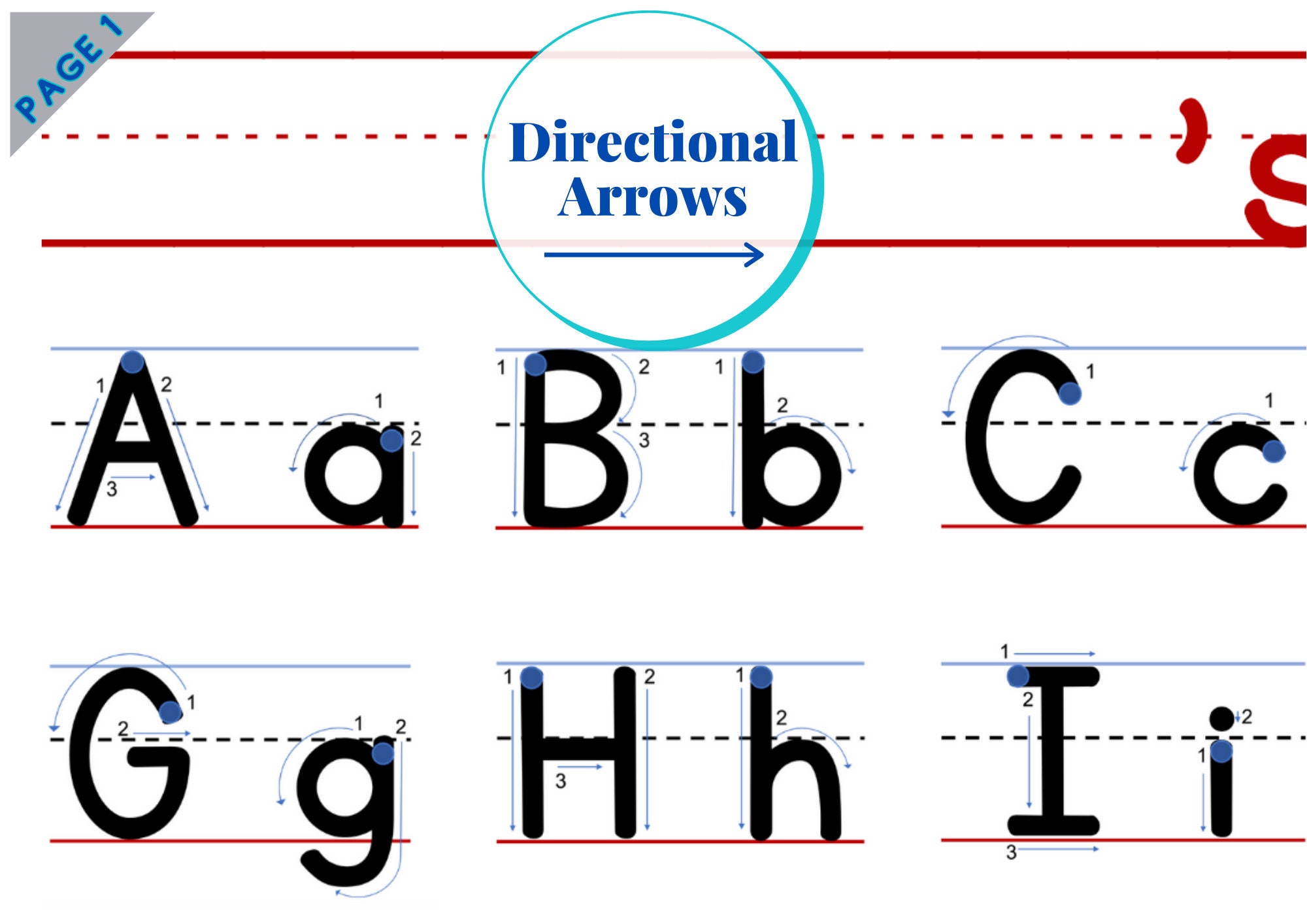
The Alphabet Trace Directional Arrows Worksheet is an essential tool for educators and parents looking to support early literacy skills. This resource provides a structured approach to help young learners master letter formation. By incorporating directional arrows, the worksheet guides children in tracing letters correctly, fostering better writing habits from the outset.
Understanding the Importance of Tracing Worksheets
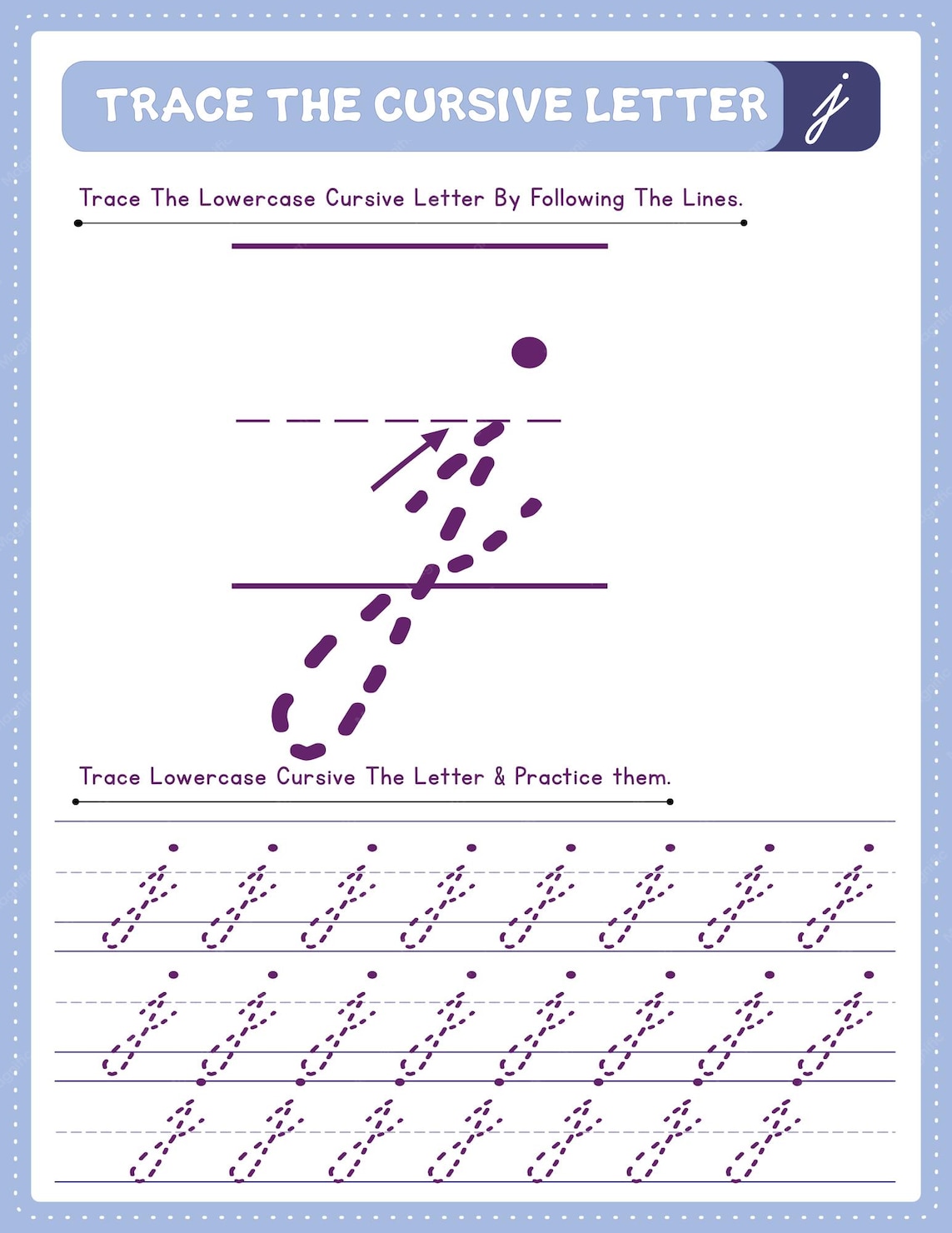
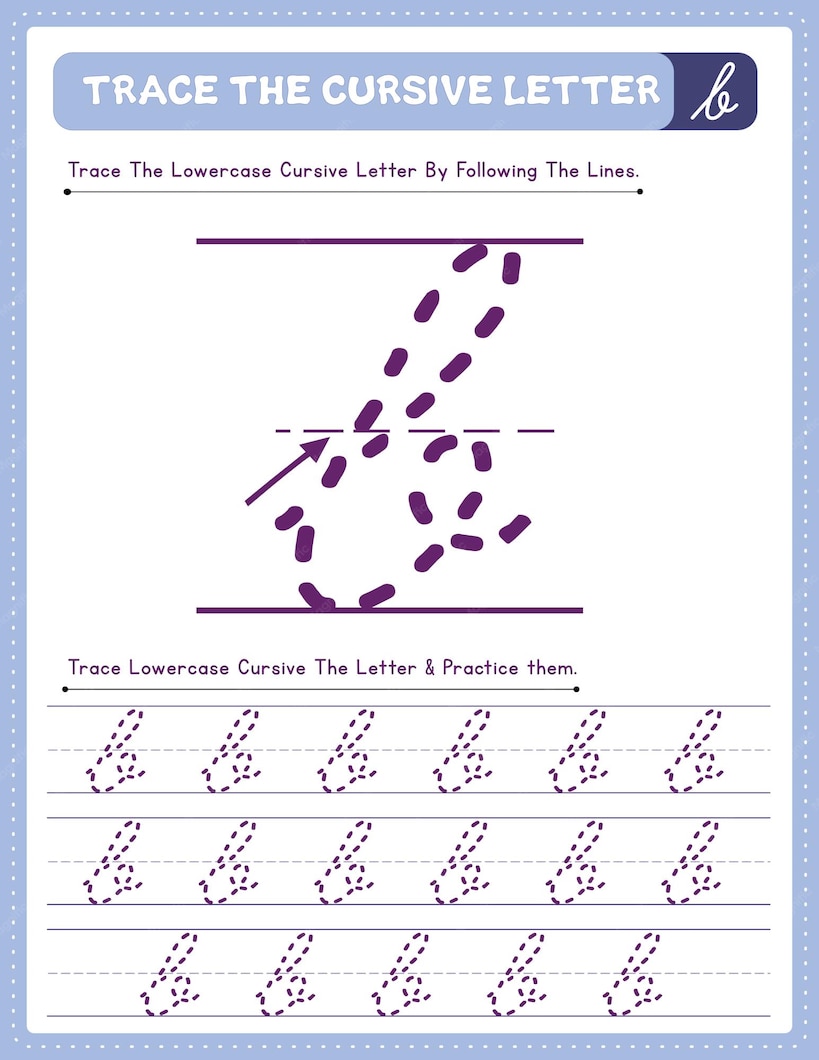
Tracing worksheets play a crucial role in developing fine motor skills and letter recognition. For children, particularly those in preschool and kindergarten, these activities provide a hands-on approach to learning the alphabet. Through repeated practice, kids not only learn how to form letters but also gain confidence in their writing abilities. The visual aid of directional arrows ensures they understand the proper strokes needed to create each letter.
Using the Alphabet Trace Directional Arrows Worksheet helps children internalize the shapes and sounds of letters. This foundational skill is essential for progressing to more complex writing tasks. Additionally, the worksheet can be utilized in various educational settings, whether in a classroom or at home, making it a versatile resource.
Choosing the Right Format for Your Needs
When selecting an Alphabet Trace Directional Arrows Worksheet, consider the following factors:
- Age Appropriateness: Ensure the worksheet is suitable for the intended age group, typically preschool to early elementary (ages 3-7).
- Design and Clarity: Look for worksheets with clear, large lettering and ample space for tracing. The inclusion of directional arrows is vital as they visually direct children on how to form each letter.
- Download Options: Many resources come in printable PDF formats, which are ideal as they maintain formatting consistency across different devices and printers.
Additionally, consider whether you need a worksheet that focuses solely on uppercase letters, lowercase letters, or both. Some resources offer themed worksheets that can make learning more engaging, such as seasonal or holiday-themed letters.
Effective Usage Strategies for Tracing Worksheets
When implementing the Alphabet Trace Directional Arrows Worksheet, it’s essential to use it strategically. Here are several practical ways to maximize its effectiveness:
- Daily Practice: Encourage children to practice tracing a few letters each day. Spacing out sessions over the week can reinforce learning and prevent frustration. For example, focus on letters A, B, and C on one day, followed by D, E, and F the next.
- Incorporate Variety: Mix tracing worksheets with other activities. Pair tracing with games that involve letter recognition, such as alphabet puzzles or matching games. This variety keeps children engaged and reinforces their learning in different contexts.
- Monitor Progress: Keep track of each child’s progress. Regularly assess their ability to trace letters accurately and comfortably. This not only helps you identify areas needing improvement but also boosts the child’s confidence as they see their progress over time.
- Encourage Independence: As children become more comfortable with tracing, encourage them to attempt writing letters without the arrows. This transition helps them practice freehand writing while still reinforcing their understanding of letter shapes.
Enhancing the Learning Experience
To further enrich the experience of using the Alphabet Trace Directional Arrows Worksheet, consider these additional tips:
- Use Quality Paper: Print the worksheets on sturdy paper. Cardstock is preferable if you plan to laminate the sheets for repeated use. This durability will withstand the wear and tear of constant tracing.
- Incorporate Art Supplies: Provide various writing tools, such as colored pencils, crayons, or markers. Different colors can make tracing more appealing and fun, encouraging children to engage more with the activity.
- Offer Positive Reinforcement: Celebrate achievements, no matter how small. Praise children for their efforts and progress, which can motivate them to continue practicing.
Supplementary Resources and Variations
While the Alphabet Trace Directional Arrows Worksheet is a fantastic standalone resource, consider integrating other complementary materials to enhance the learning experience. Some useful types of resources include:
- Alphabet Coloring Pages: These can help reinforce letter recognition while allowing for creative expression.
- Flashcards: Use flashcards for letter recognition and phonics practice alongside tracing worksheets.
- Storybooks: Incorporate stories that emphasize letters and sounds, making connections between tracing and real-world applications.
Additionally, some worksheets may come with interactive elements, like QR codes linking to songs or videos about the alphabet. This multimedia approach can cater to different learning styles and keep children engaged.
Utilizing the Alphabet Trace Directional Arrows Worksheet effectively can significantly impact a child’s writing skills, laying a strong foundation for future literacy. By following these practical strategies and integrating supplementary resources, educators and parents can create a rich learning environment that supports children’s development. For immediate implementation, print a few copies of the worksheet today and start incorporating them into your daily routine!