
Alphabet recognition is a foundational skill for early literacy, and providing your nursery students with engaging resources is essential. The Alphabet Recognition Worksheets For Nursery stand out due to their thoughtful design and structured approach that caters to young learners’ developmental needs. These worksheets not only help children recognize letters but also reinforce their understanding of letter sounds, shapes, and writing. Here’s how you can effectively use these worksheets to foster alphabet knowledge in your classroom or home setting.
Understanding the Importance of Alphabet Recognition
Before diving into the specifics of the worksheets, it’s important to understand why alphabet recognition is crucial for nursery-aged children. At this stage, children are developing their cognitive skills, and recognizing letters is the first step toward reading and writing. Mastering this skill lays a solid foundation for phonemic awareness, which is critical for literacy development.
When children recognize letters, they begin to understand that letters represent sounds, leading to the ability to decode words. This is the gateway to reading fluency. By using Alphabet Recognition Worksheets For Nursery, you can provide structured activities that promote engagement, practice, and mastery.
Key Features of the Worksheets
The Alphabet Recognition Worksheets For Nursery come with several key features designed to enhance learning:
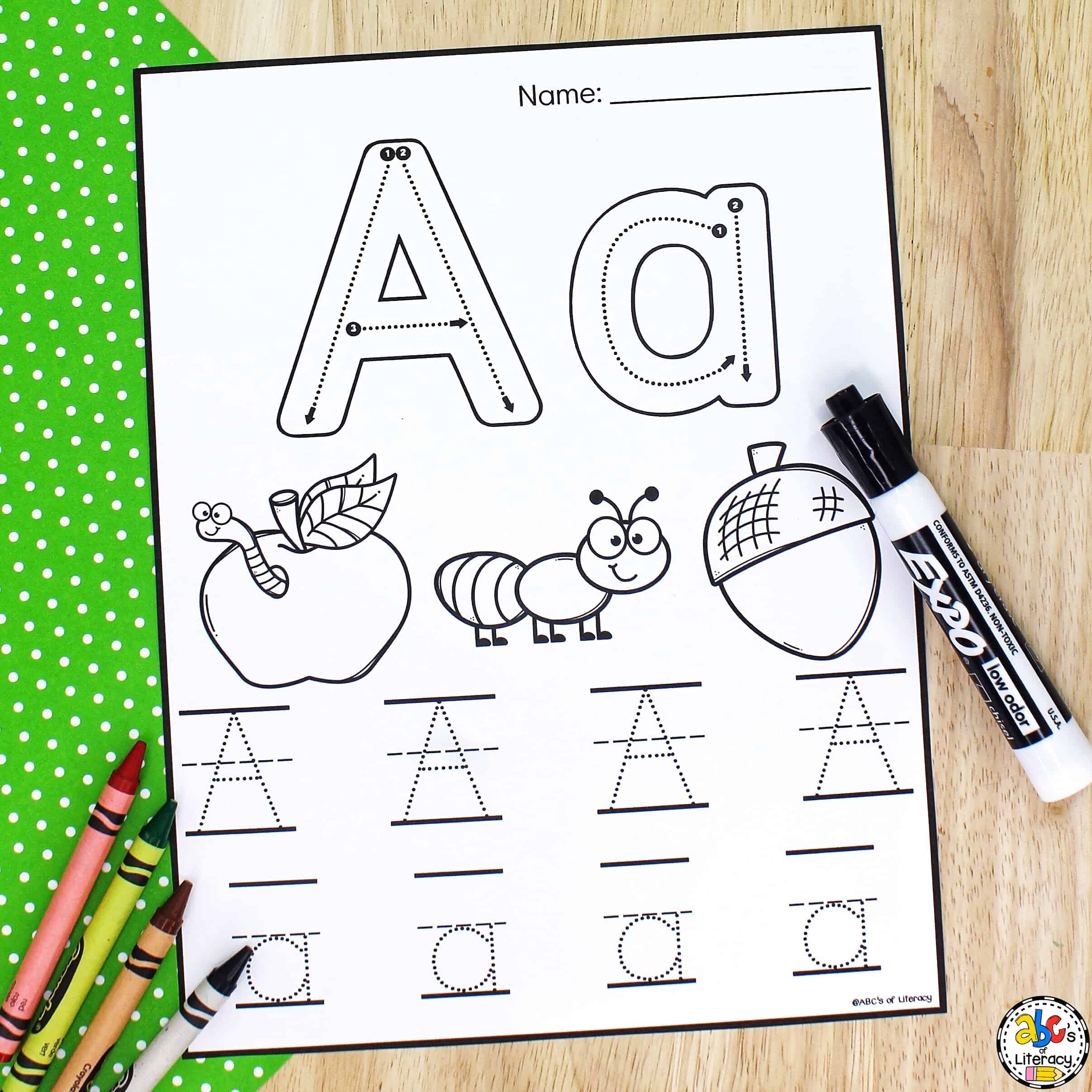
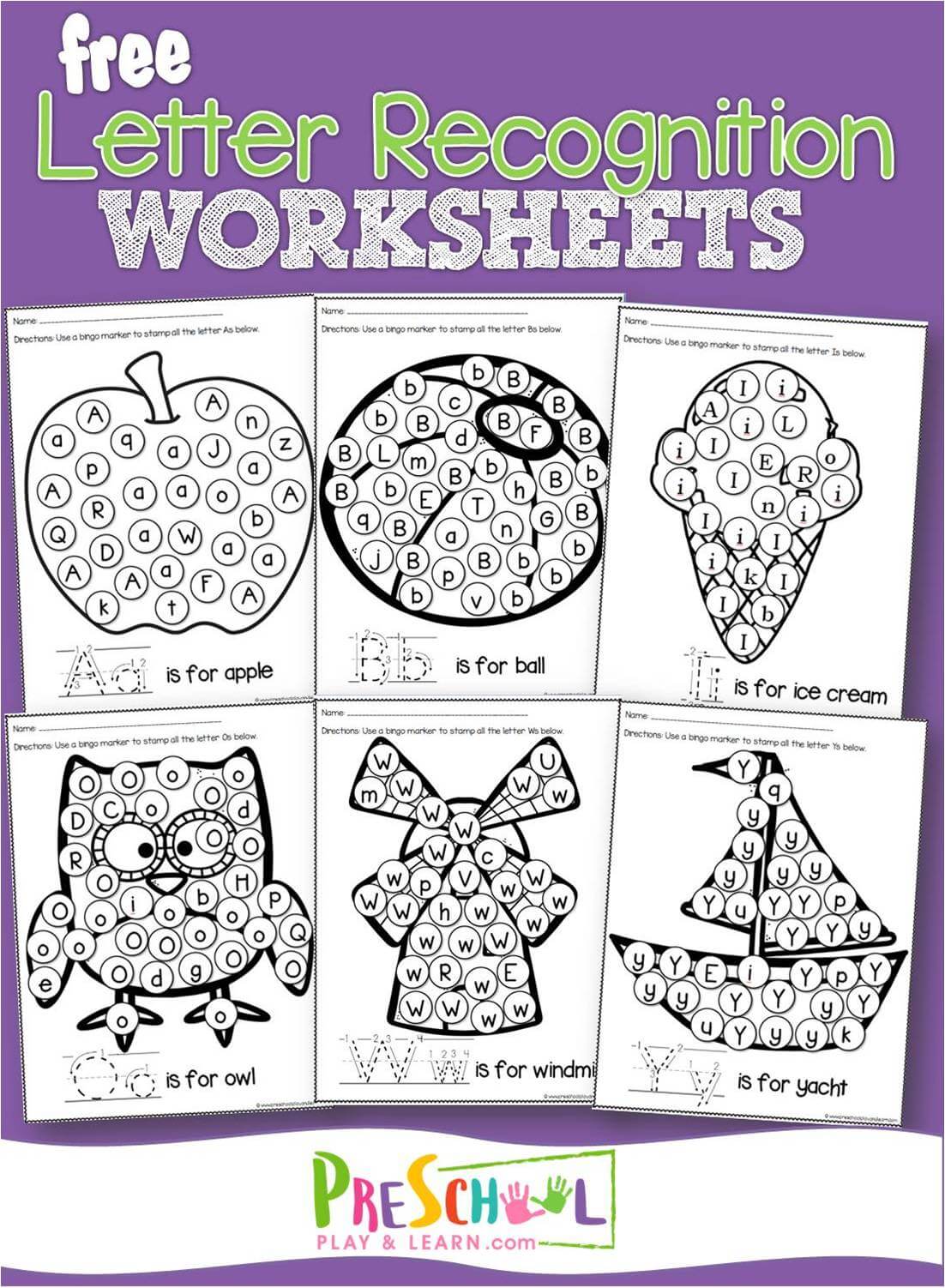
- Varied Activities: Each worksheet includes a mix of activities such as tracing, coloring, matching, and identifying letters. This variety keeps children engaged and caters to different learning styles.
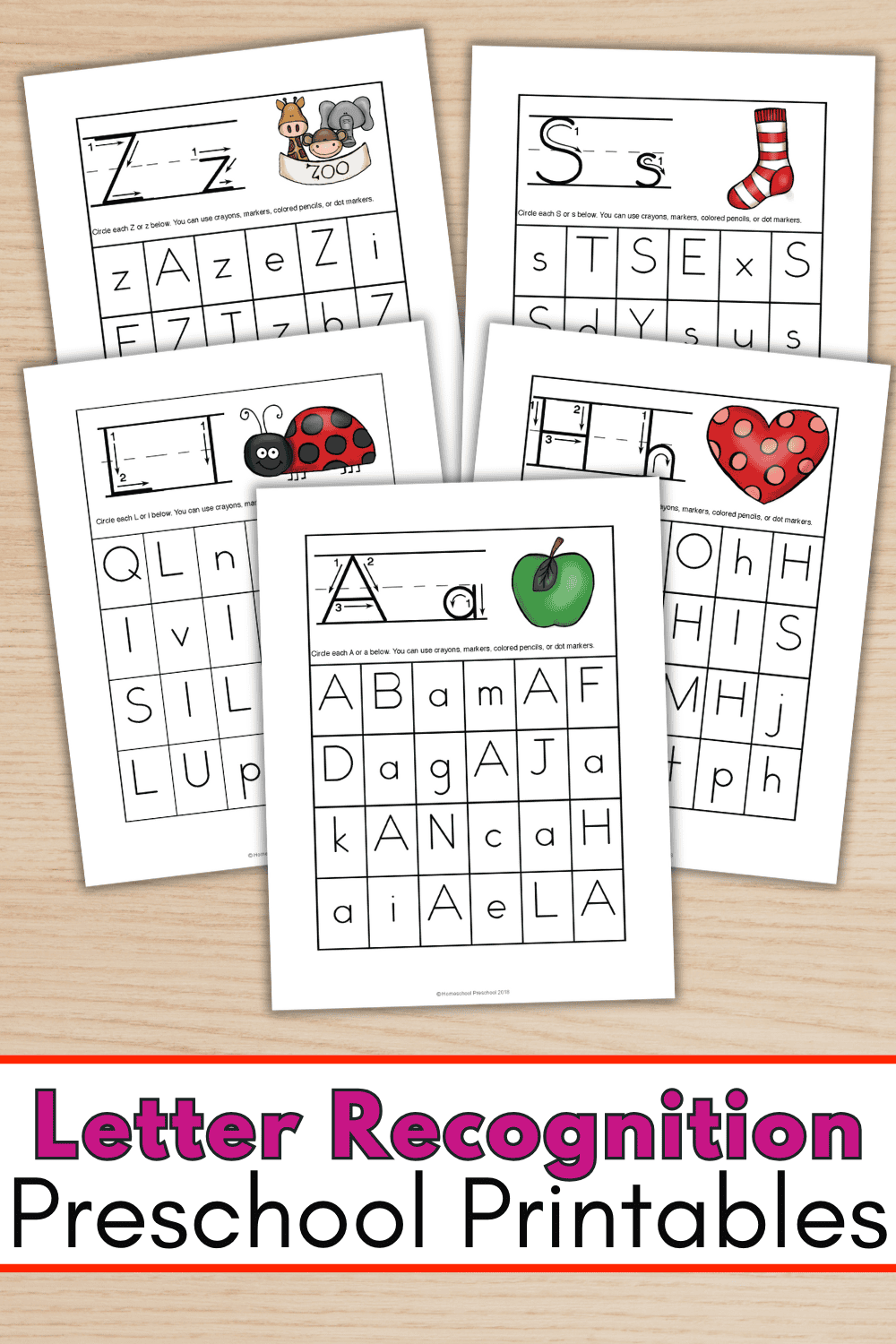
- Visual Aids: Worksheets often incorporate images that correspond with letters, helping children connect letters to words and sounds. For example, the letter “A” might be accompanied by an apple, reinforcing the ‘a’ sound.
- Clear Layout: The worksheets are designed with a clean, organized layout that makes it easy for young learners to focus on the task at hand. A clutter-free design helps reduce distractions, allowing children to concentrate.
- Progressive Difficulty: The worksheets can be organized by increasing complexity, allowing children to build their skills gradually. Starting with uppercase letters, then moving to lowercase, and finally introducing letter sounds provides a clear learning path.
- Printable Format: Available as printable PDFs, these worksheets can be easily downloaded, printed, and used repeatedly. This flexibility makes them ideal for both classroom and home use.
Effective Classroom Implementation
Implementing the Alphabet Recognition Worksheets For Nursery in your teaching practice can be straightforward. Here’s a step-by-step approach to maximize their effectiveness:
1. Introduce the Alphabet
Before distributing the worksheets, spend time introducing the alphabet. Use songs, flashcards, or interactive games to familiarize children with the letters. This initial exposure will create a context for the worksheets.
2. Distribute Worksheets Strategically
When handing out the worksheets, consider the diverse levels of your students. Some may be ready to work on uppercase letters, while others might need to focus on lowercase. Tailor the worksheets accordingly to meet individual needs.
3. Incorporate Group Activities
Utilize the worksheets in small group settings to encourage collaboration. For example, have students work together to complete a worksheet, discussing the letters and their sounds. This peer interaction can enhance learning.
4. Use as Homework or Reinforcement
The worksheets can also serve as homework assignments to reinforce what was taught in class. Send home a worksheet each week that aligns with the letters introduced that week, allowing parents to engage in their child’s learning.
5. Monitor Progress
As students complete their worksheets, observe their progress. Look for mastery in letter recognition, and note which letters may need more practice. This monitoring will help you tailor future lessons to address any gaps in understanding.
Signs of Mastery
To gauge whether your students are mastering the skills outlined in the Alphabet Recognition Worksheets For Nursery, consider the following indicators:
- Letter Identification: Children should be able to recognize and name each letter in isolation and within words. Use flashcards to test their knowledge outside the worksheets.
- Sound Correspondence: As they progress, students should also be able to associate each letter with its corresponding sound. This can be assessed through simple oral quizzes or matching activities.
- Writing Skills: Observe their ability to write both uppercase and lowercase letters correctly. The worksheets that include tracing activities will provide valuable insights into their writing progress.
- Engagement Levels: Take note of how engaged students are with the worksheets. If they show excitement and interest, it’s a good sign that they are enjoying the learning process.
Tips for Enhancing Learning With Worksheets
To further enrich the experience with Alphabet Recognition Worksheets For Nursery, consider these additional tips:
- Use Colorful Materials: Encourage creativity by allowing children to use crayons or markers to color letters and images. Bright colors can make the learning experience more enjoyable.
- Create a Letter Wall: Display completed worksheets on a bulletin board to celebrate students’ achievements. This not only boosts their confidence but also serves as a visual reference for letter recognition.
- Integrate Technology: If available, use tablets or computers to access interactive alphabet games that reinforce the skills practiced in the worksheets. This blend of traditional and digital learning can enhance retention.
- Encourage Parental Involvement: Share the worksheets with parents and provide guidance on how they can use them at home. This partnership can reinforce learning outside the classroom.
Ultimately, the Alphabet Recognition Worksheets For Nursery are an invaluable resource for fostering early literacy skills. The structured format, engaging activities, and clear objectives make them a practical choice for teachers and parents alike.
As a final tip, remember to always print the worksheets on quality paper — cardstock works best if you plan to laminate them for durability and repeated use. This small detail can extend the life of your resources and make them even more effective in the long run.