
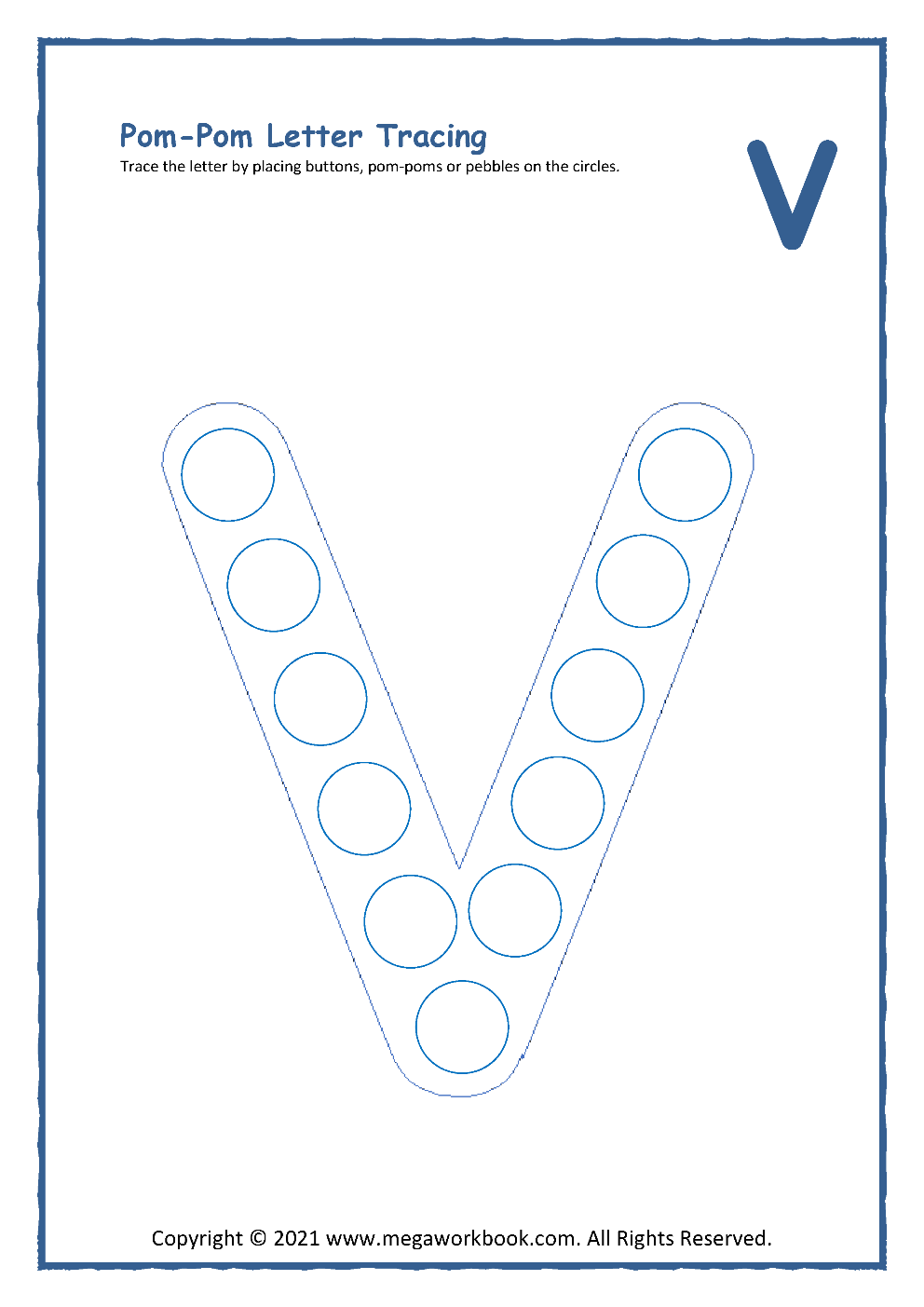
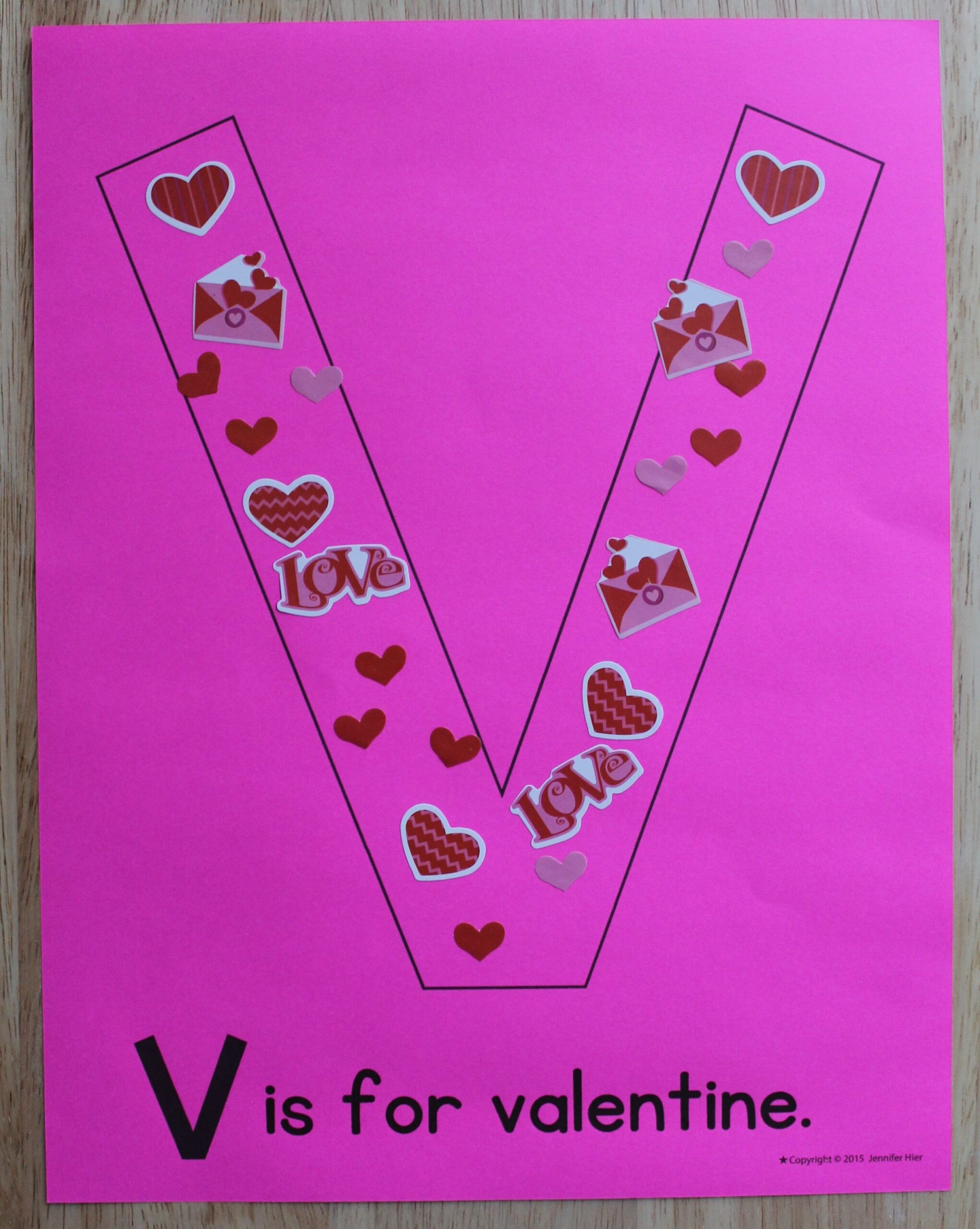
Alphabet Pom Pom Worksheets V For Valentines are an excellent resource for educators and parents looking to combine festive fun with educational activities. These worksheets are designed to help children practice their alphabet skills while celebrating Valentine’s Day, making learning both engaging and thematic.
Understanding the Resource
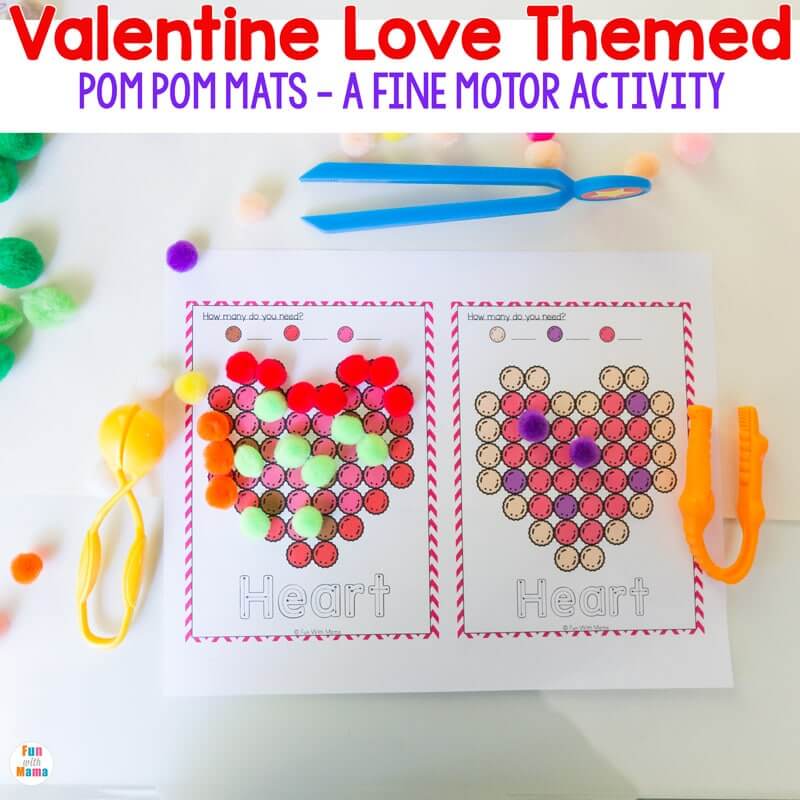
The Alphabet Pom Pom Worksheets V For Valentines consist of various tasks that encourage children to identify, trace, and use letters. Each worksheet typically features a heart or Valentine’s Day-themed illustration, making them visually appealing to young learners. These worksheets are suitable for preschool and kindergarten-aged children, typically ranging from ages 3 to 6.
The main goal of these worksheets is to reinforce letter recognition and fine motor skills through hands-on activities. Using pom poms, children can place them on the letters or inside the illustrations, which promotes tactile learning. This resource is perfect for independent practice, as the instructions are simple enough for children to follow without constant adult supervision.
Key Features of the Worksheets
When looking for Alphabet Pom Pom Worksheets V For Valentines, several specific features should be considered to ensure they meet educational needs:
- Letter Focus: Each worksheet is centered around specific letters, allowing for targeted practice. This focus helps children learn the alphabet systematically.
- Visual Appeal: Incorporating Valentine’s Day themes, such as hearts and cupids, captures children’s interest and makes learning festive.
- Instructions: Clear and concise instructions guide children on how to complete the activities—essential for independent learning.
- Variations: Many versions of the worksheets may include different activities such as coloring, tracing, or matching, providing a well-rounded learning experience.
- Downloadable Format: These worksheets are typically available in PDF format, making them easy to download and print.
How to Use the Worksheets Effectively
To maximize the benefits of the Alphabet Pom Pom Worksheets V For Valentines, here are some practical tips:
- Print on Quality Paper: For durability, print the worksheets on cardstock rather than regular printer paper. This helps them withstand repeated use, especially with young children who may be a bit rougher on materials.
- Gather Supplies: Prepare pom poms in various sizes and colors. This not only enhances the activity but also allows for discussions about colors and sizes, integrating additional learning opportunities.
- Set Up a Learning Station: Create a dedicated space for children to work on these worksheets. Include all necessary materials—worksheets, pom poms, and any other supplies like crayons or markers for decoration.
- Encourage Creativity: While the primary focus is on letter recognition, encourage children to express themselves. They can color around the letters or even create their own illustrations related to Valentine’s Day.
- Monitor Progress: Keep track of which letters children struggle with. Use this information to tailor future activities and provide extra practice where needed.
Incorporating Worksheets Into Curriculum
Integrating the Alphabet Pom Pom Worksheets V For Valentines into a broader curriculum can enhance their effectiveness. Here are some ways to do this:
- Thematic Units: Include these worksheets as part of a larger Valentine’s Day unit that incorporates stories, songs, and crafts related to the holiday. This creates a holistic learning experience.
- Group Activities: Use the worksheets during group learning sessions. Children can work together to complete the activities, fostering teamwork and social skills.
- Assessment Tools: These worksheets can also serve as informal assessments. Observing how children interact with the materials can provide insights into their understanding of letter recognition and motor skills.
- Parent Involvement: Send copies home for parents to use as supplemental activities. This promotes learning outside the classroom and involves families in their child’s education.