
Teaching young children to recognize and match letters is an essential skill that lays the foundation for reading and writing. The Alphabet Match Worksheet For Kindergarten provides a structured and engaging way for teachers and parents to help children develop these skills. This resource is specifically designed for kindergarteners, making it ideal for classroom, homeschool, or home use.
Understanding the Alphabet Match Worksheet
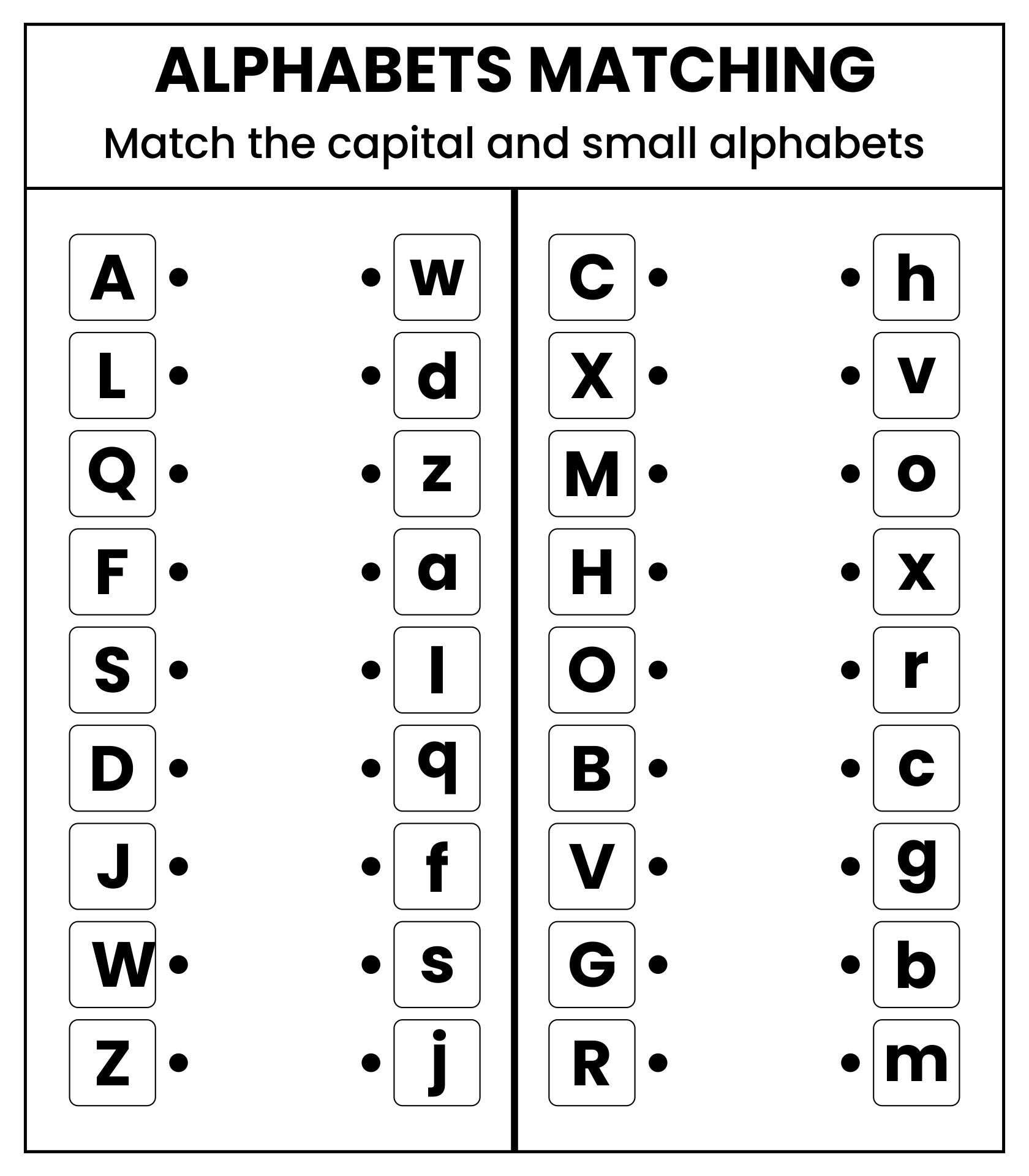
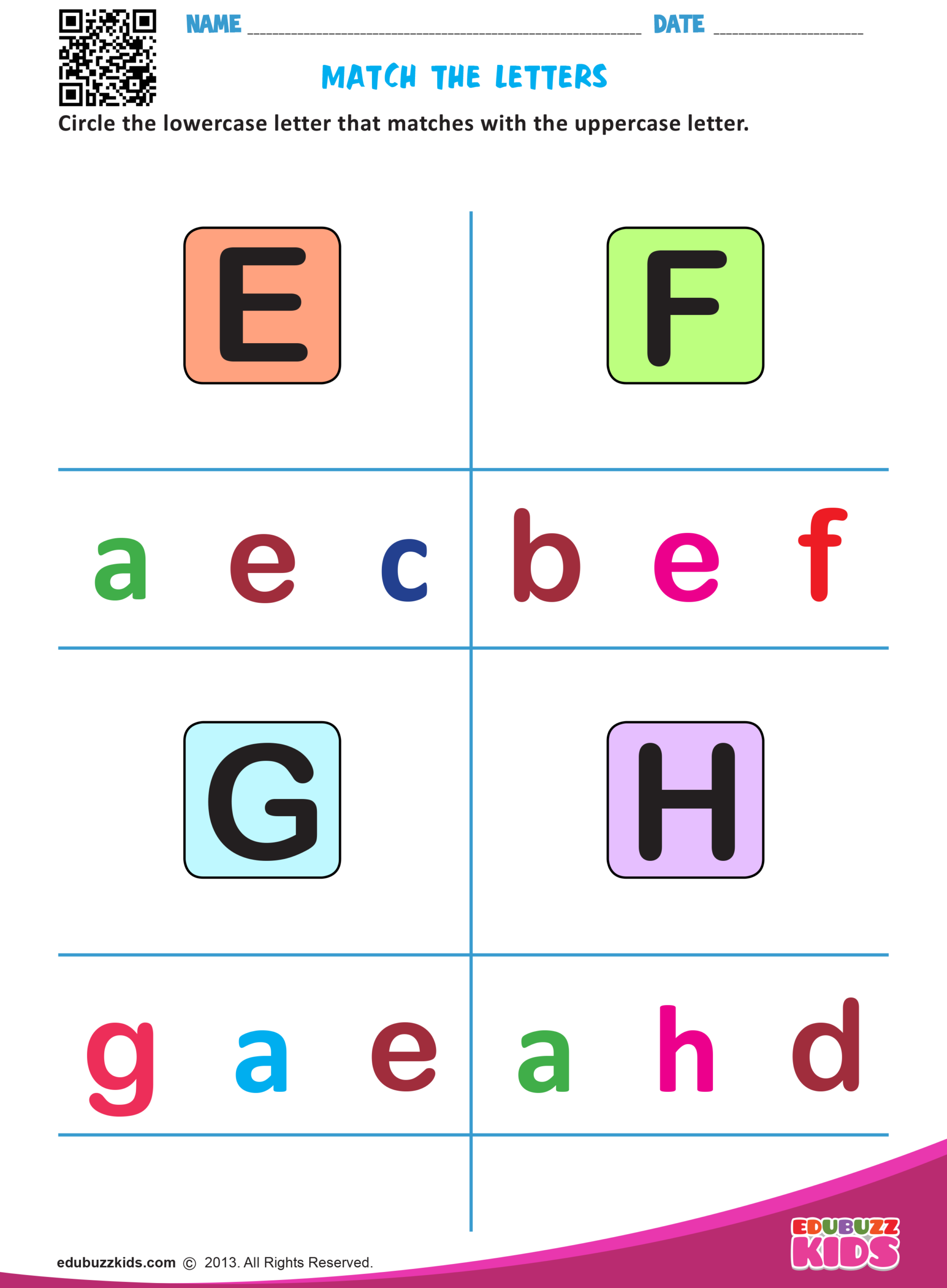
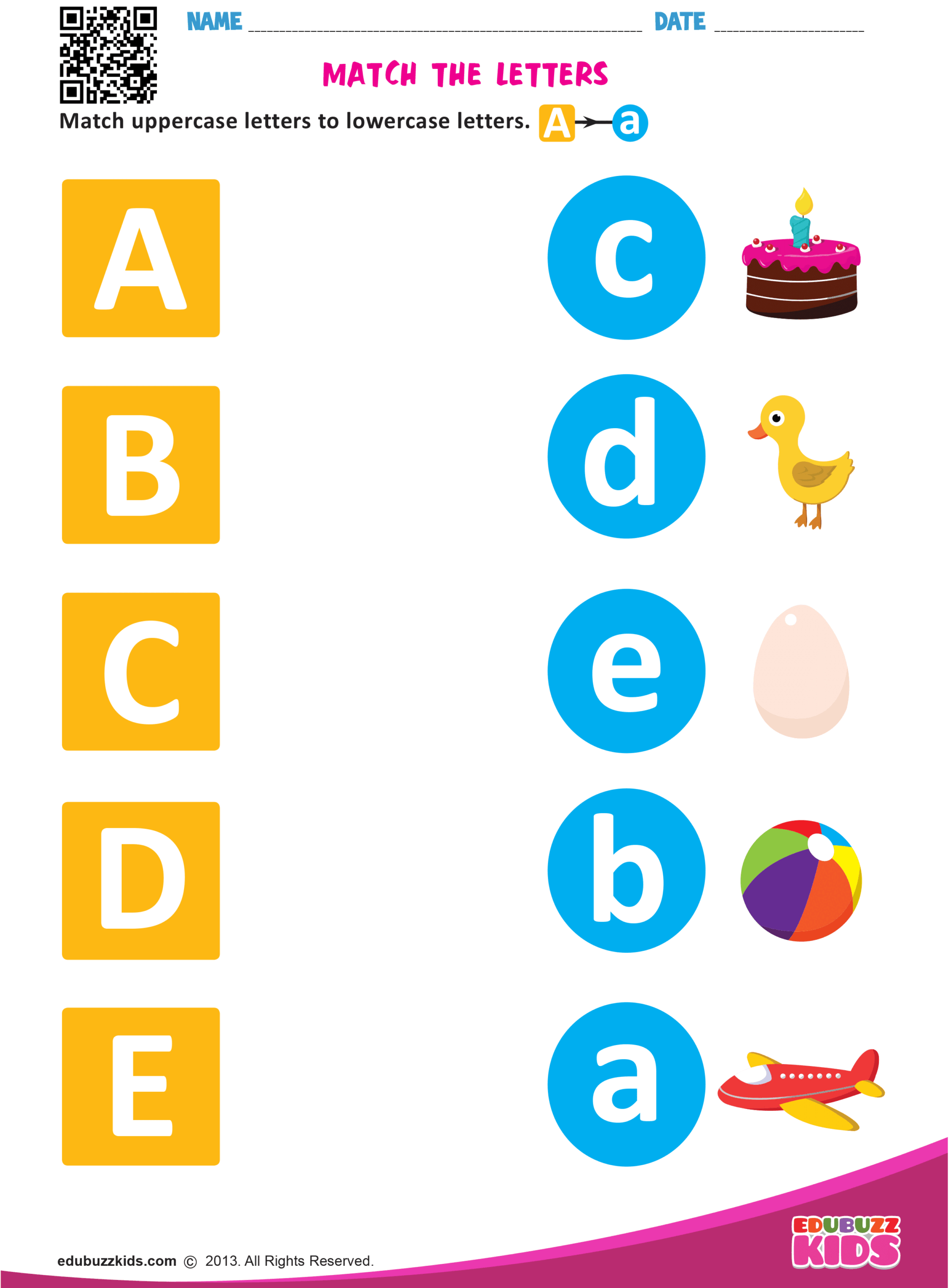
The Alphabet Match Worksheet For Kindergarten typically includes a variety of activities that require students to match uppercase and lowercase letters or pair letters with corresponding images. This interactive approach not only makes learning fun but also reinforces letter recognition, phonemic awareness, and vocabulary development.
When using this worksheet, you can expect to see sections that might feature:
- Letter Matching: Children draw lines to connect uppercase letters with their lowercase counterparts.
- Image Association: Learners match letters to pictures that begin with those letters, such as ‘A’ with an apple or ‘B’ with a ball.
- Trace and Write: Some worksheets include sections where children can trace letters to practice writing skills.
How to Use the Worksheet Effectively
To maximize the benefits of the Alphabet Match Worksheet For Kindergarten, consider the following tips:
- Preparation: Print the worksheets on standard letter-sized paper (8.5 x 11 inches) for easy handling. If possible, use cardstock for durability, especially if you plan to laminate them for reuse.
- Classroom Setup: If you’re teaching in a classroom setting, organize students into small groups. This will encourage collaboration and peer learning as they work together on the matching activities.
- Instructional Approach: Before handing out the worksheets, explain the objective clearly. Use visual aids to demonstrate how to match letters or images. This will help students understand what is expected of them.
- Timing: Allocate around 15-20 minutes for the activity. This provides ample time for children to complete the worksheet without feeling rushed.
- Review and Reinforce: After the activity, gather the children to discuss what they learned. Go over the correct answers together, reinforcing letter sounds and associated words. This step is crucial for solidifying their understanding.
Printing and Distribution Logistics
When preparing to print the Alphabet Match Worksheet For Kindergarten, consider the following logistical details to ensure smooth distribution:
- Bulk Printing: If you’re teaching a full class, print enough copies for each student. Consider printing extras in case of mistakes or spills.
- Printer Settings: Use a high-quality printer setting for clearer images and text. If your school has a color printer, it’s beneficial for the images to be more engaging.
- Answer Key: If available, ensure you have an answer key to simplify grading and provide immediate feedback to students.
- Distribution: Hand out the worksheets before the lesson begins, and make sure students have all the necessary materials, such as crayons or pencils, to complete the tasks.
Adapting the Worksheet for Diverse Learners
Every classroom comprises diverse learners, each with their unique needs. Here are a few strategies to adapt the Alphabet Match Worksheet For Kindergarten for various learning styles:
- Visual Learners: For students who benefit from visual aids, incorporate colorful images and graphics on the worksheet. Use stickers or markers to highlight letters during the matching process.
- Kinesthetic Learners: Engage these learners by turning the activity into a hands-on experience. Use letter blocks or magnetic letters for matching activities before transitioning to the worksheet.
- Advanced Learners: For students who grasp the concepts quickly, consider adding additional challenges, such as asking them to come up with words that start with each letter or creating their own matching game.
- Struggling Learners: Offer one-on-one support or pair them with a buddy who can assist them during the activity. Sometimes, a little extra encouragement can make a significant difference.
Incorporating Technology
In today’s digital age, integrating technology can enhance the learning experience. Here are some ideas on how to incorporate technology while using the Alphabet Match Worksheet For Kindergarten:
- Interactive Games: Utilize educational apps or online games that focus on letter recognition and matching. This can serve as a supplementary activity after completing the worksheet.
- Digital Versions: If available, consider offering a digital version of the worksheet for students to complete on tablets or computers. This can be especially engaging for tech-savvy learners.
- Online Assessment: Use online platforms to create quizzes or interactive assessments based on the worksheet content. This can help track progress and provide immediate feedback.
By combining traditional worksheets with modern technology, you can cater to a wider range of learning preferences and make the experience more enjoyable for students.