
When it comes to teaching young children the fundamentals of literacy and numeracy, Alphabet Letters And Numbers Worksheets offer a unique blend of fun and educational value. These worksheets are designed to engage young learners while reinforcing critical skills. In this article, we’ll explore how to effectively use these worksheets in your teaching environment, If you are in a classroom or homeschooling. You’ll find practical insights on layout, design features, and how to integrate these resources into your lesson plans.
Understanding the Layout of the Worksheets
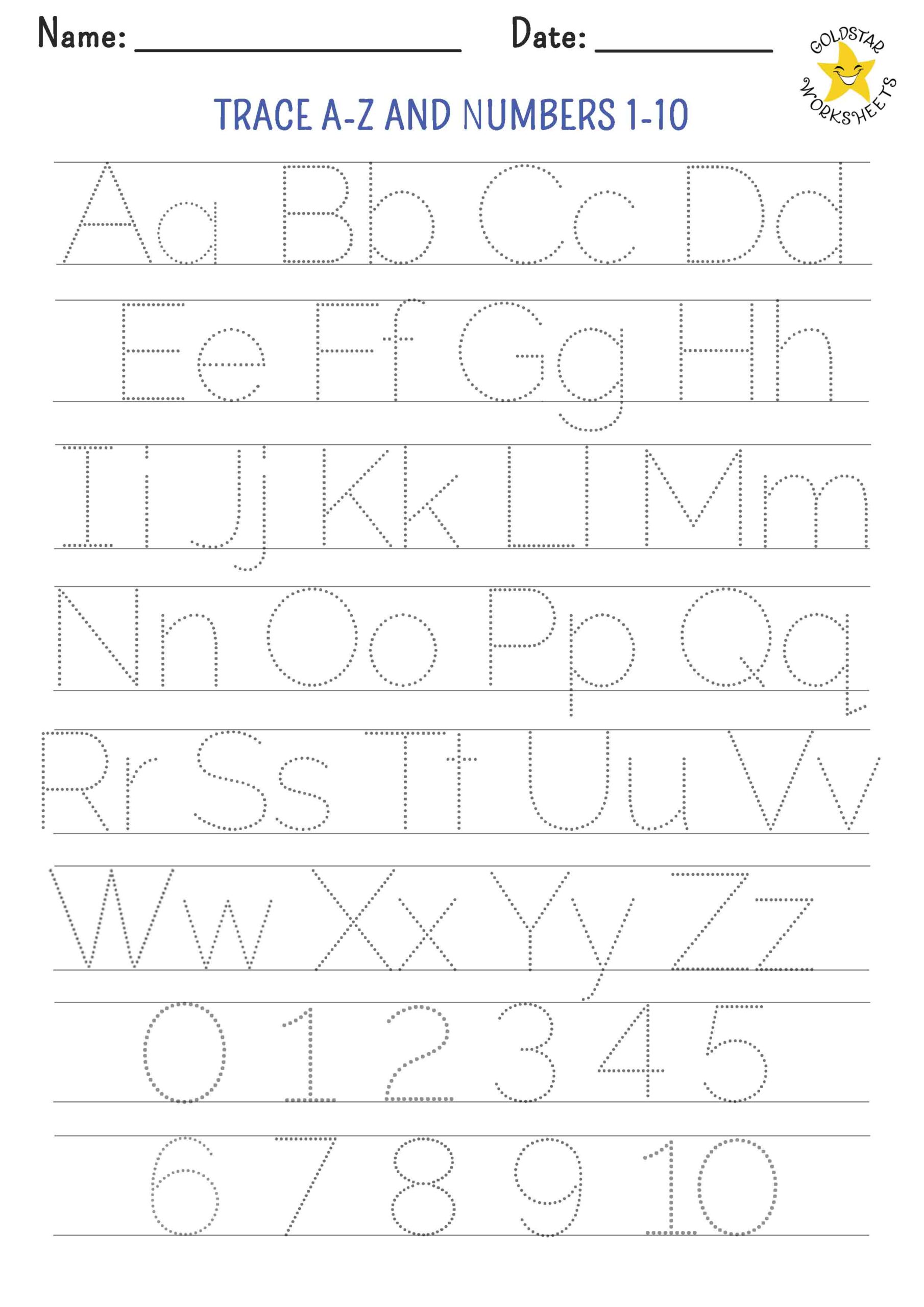
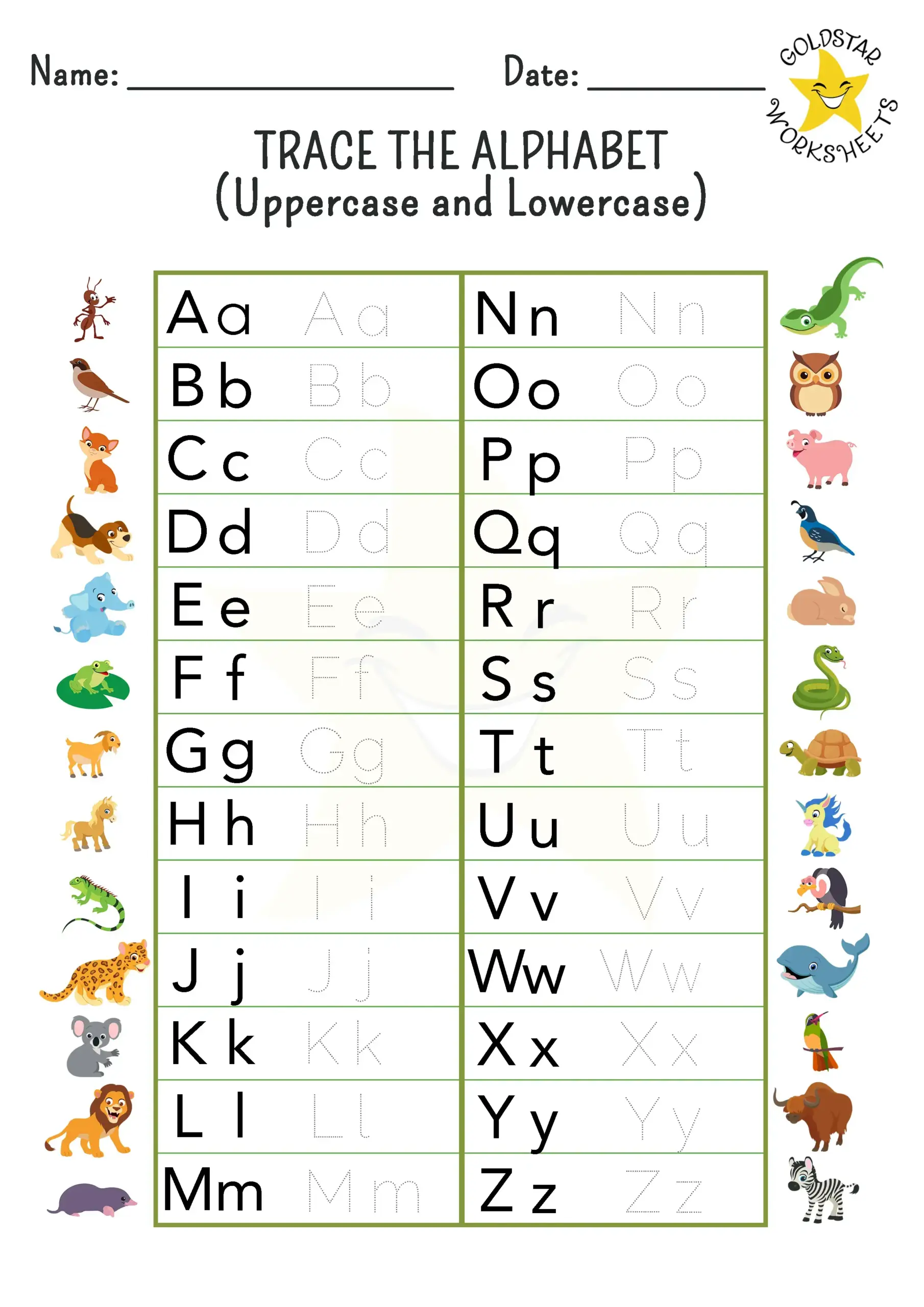
The first thing you’ll notice about Alphabet Letters And Numbers Worksheets is their thoughtful layout. Generally, these worksheets are organized into clear sections that allow children to focus on one concept at a time. For instance, a worksheet might feature a section for tracing letters, followed by a section for identifying numbers. This step-by-step approach helps to build confidence as children progress through each task.
Most worksheets are formatted to fit standard paper sizes—typically 8.5 x 11 inches. This makes them easy to print on common home or classroom printers. The use of large, bold fonts for letters and numbers is intentional. It aids visibility and comprehension, especially for children who are still developing their reading skills.
Engaging Activities for Skill Reinforcement
One of the strengths of Alphabet Letters And Numbers Worksheets is the variety of activities they encompass. Here are a few engaging activities you can expect to find:
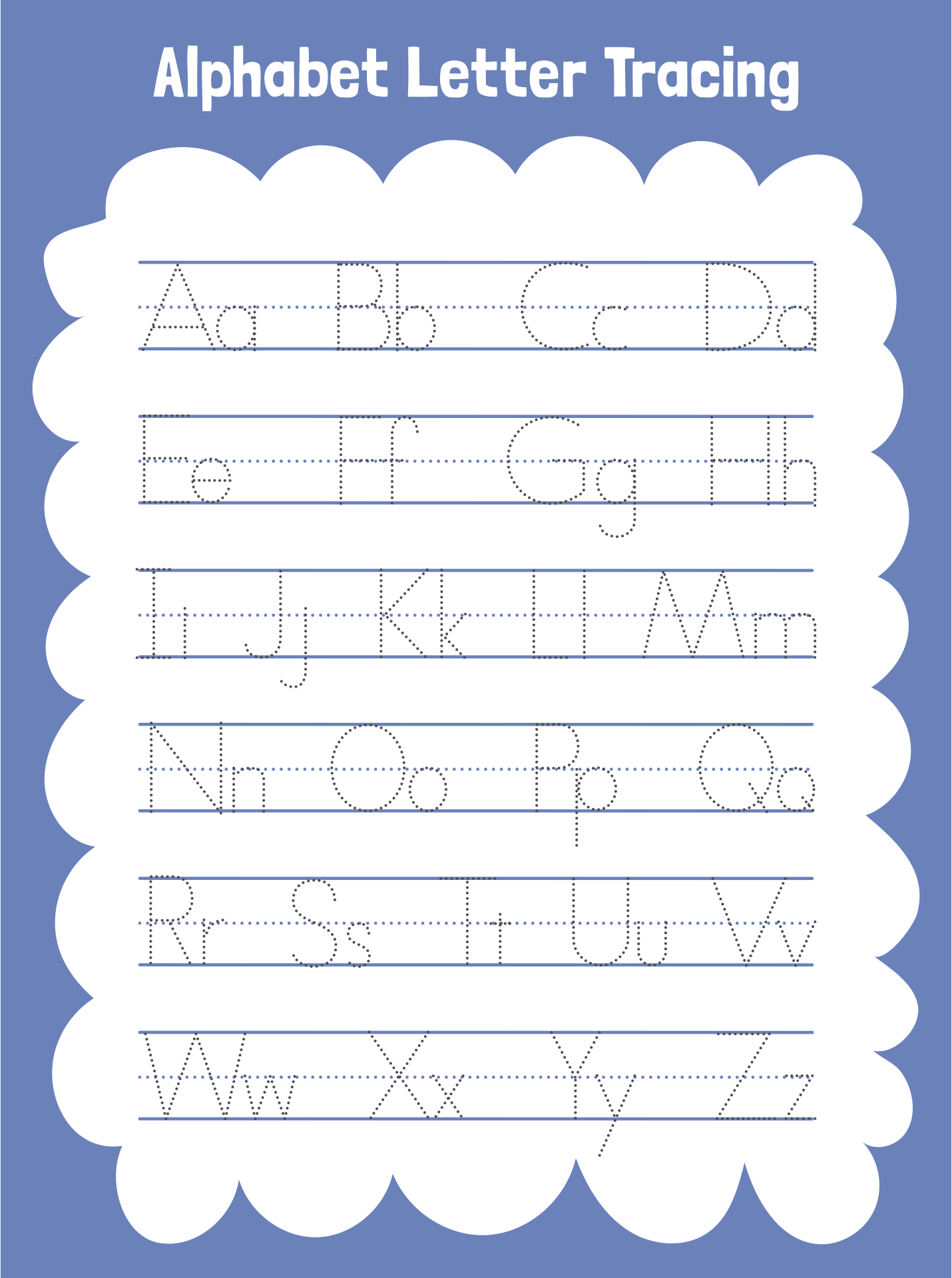
- Tracing: Children can trace letters and numbers to practice their handwriting. This activity reinforces motor skills and helps them familiarize themselves with the shapes of letters and numbers.
- Matching: Worksheets often include matching activities where children connect letters to corresponding images or numbers to groups of objects. This visual association strengthens their understanding of these concepts.
- Coloring: Many worksheets incorporate coloring sections where children can color in letters or numbers. This not only makes the activity more enjoyable but also enhances fine motor skills.
These activities cater to different learning styles, ensuring that every child can find an approach that resonates with them.
Age Appropriateness and Classroom Integration
Alphabet Letters And Numbers Worksheets are typically designed for preschool and kindergarten students, ages 3-6. However, they can also be beneficial for older children who may need extra practice in these foundational skills. When integrating these worksheets into your curriculum, consider the following tips:
- Lesson Planning: You can use these worksheets as part of a larger lesson plan. For example, after introducing the alphabet, you could hand out a worksheet focused on letter tracing. This reinforces what the children have just learned.
- Daily Practice: Incorporating these worksheets into daily routines can yield significant benefits. A quick 10-15 minute session each day can help solidify their understanding over time.
- Group Activities: Pairing students for worksheet activities can foster social interaction while learning. This can also allow for peer support, where students can help each other navigate challenges.
Printable Features and Customization Options
One of the best aspects of Alphabet Letters And Numbers Worksheets is their accessibility. Most of these resources can be downloaded and printed easily. Here’s what to look for when selecting worksheets:
- PDF Format: Worksheets available in PDF format maintain their layout and design when printed. This ensures that children receive the same experience, regardless of the printer used.
- Color vs. Black and White: Depending on your printing capabilities, you may want to choose between color or black and white versions. Color versions are visually stimulating, while black and white can save on ink costs and allow children to add their creative touch.
- Editable Options: Some resources may offer editable versions that allow you to customize the content. This is particularly useful if you want to tailor the worksheets to meet specific educational goals or the needs of your students.
Tips for Effective Use in the Classroom
To maximize the effectiveness of these worksheets, consider the following strategies:
- Provide Clear Instructions: Before handing out worksheets, explain the tasks clearly. Children should understand what is expected of them to minimize confusion.
- Encourage Independent Work: While guidance is important, allowing children to work independently can build confidence. Observe them as they work to provide support when needed.
- Incorporate Technology: If your classroom has access to tablets or computers, consider using digital versions of these worksheets. Many websites offer interactive options that can make learning even more engaging.
These strategies not only enhance the learning experience but also help children develop essential skills at their own pace.
One key detail to remember is that many Alphabet Letters And Numbers Worksheets come with an answer key, which can be a valuable resource for parents and teachers alike. This feature allows for quick assessments and helps to identify areas where additional practice may be needed.