
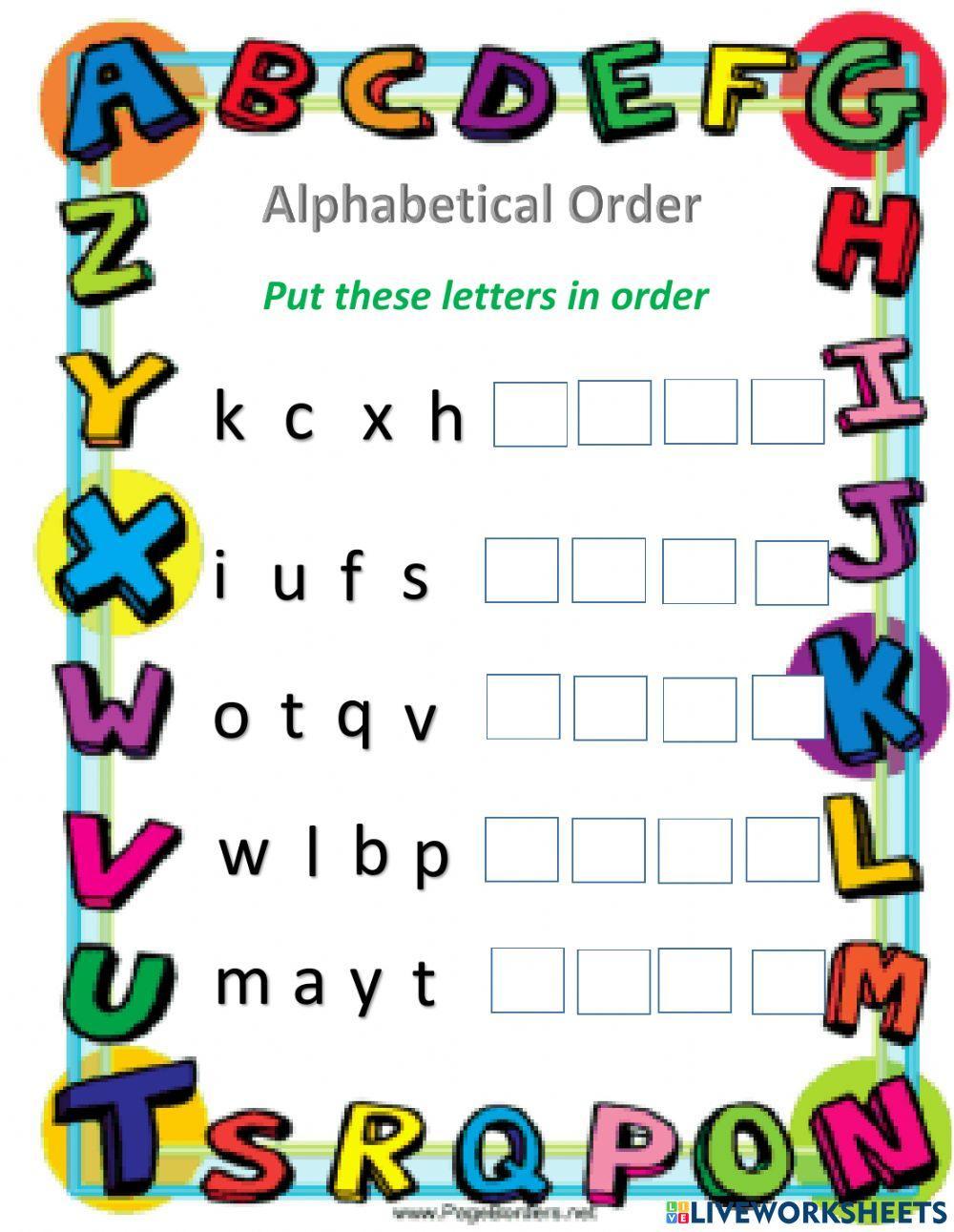
Understanding how to place words in alphabetical order is a fundamental skill for third graders that enhances their reading and writing abilities. Alphabetical Order Third Grade Worksheets provide a structured way for students to practice this skill, making learning fun and engaging. These worksheets are specifically designed to cater to the needs of this age group, combining educational value with an appealing layout.
Importance of Learning Alphabetical Order
Alphabetizing is more than just an organizational skill; it contributes to literacy development. When students learn to sort words alphabetically, they improve their spelling, vocabulary, and comprehension skills. This foundational skill also aids in navigating dictionaries, encyclopedias, and other reference materials, which is crucial as they progress in their education.
Using Alphabetical Order Third Grade Worksheets allows teachers and parents to reinforce this skill through various activities. The worksheets typically include exercises that encourage students to practice sorting words, which helps solidify their understanding of the alphabet and its order.
Features of Alphabetical Order Worksheets
When you’re looking for effective Alphabetical Order Third Grade Worksheets, it’s essential to consider their layout and design. A well-structured worksheet can significantly enhance the learning experience. Here are some common features you might find:
- Clear Instructions: Each worksheet includes straightforward directions to guide students on what to do. This clarity is critical for students who may struggle with reading comprehension.
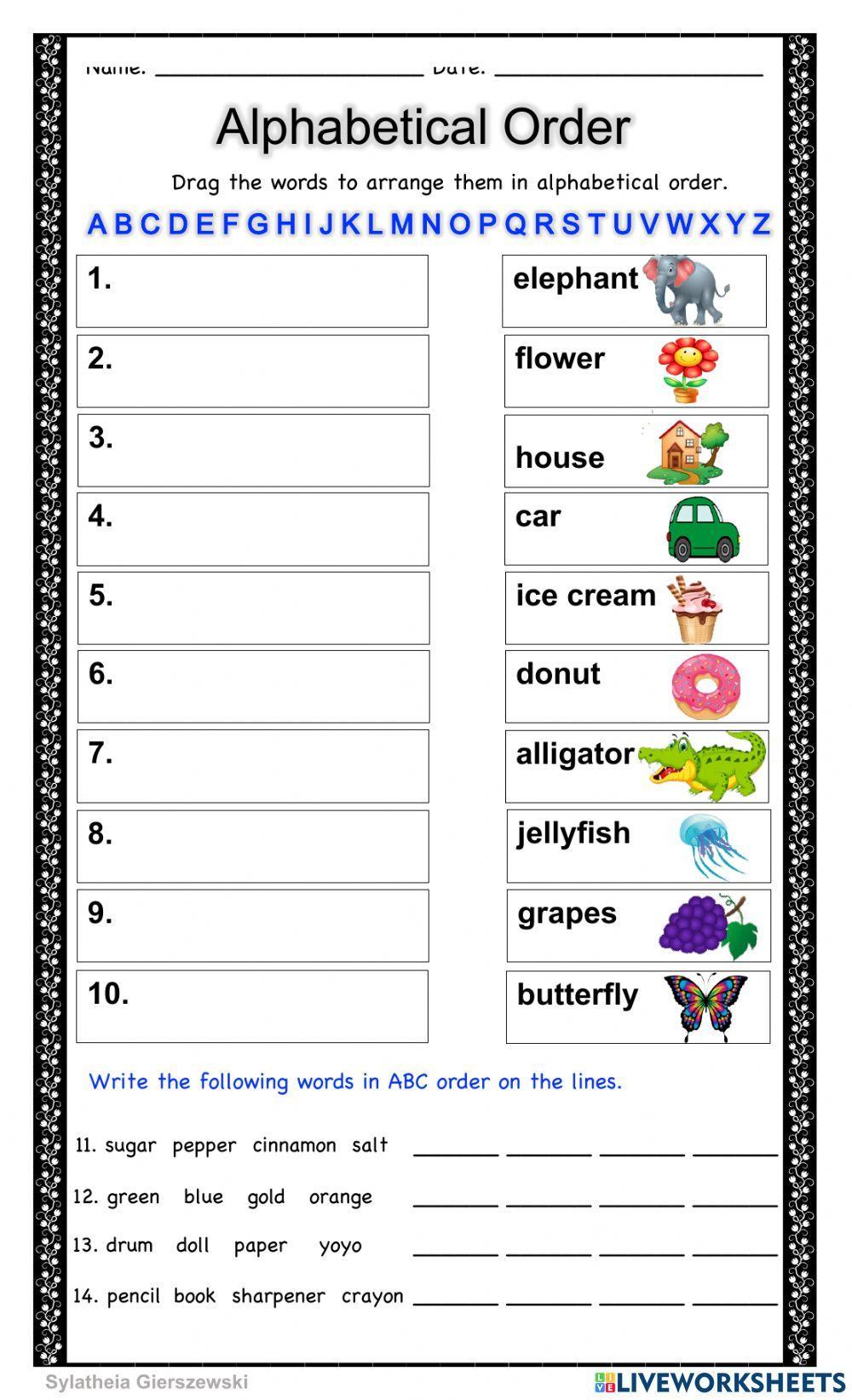
- Varied Activities: Worksheets often include different types of activities, such as matching words to their alphabetical positions, filling in the blanks, and sorting lists of words. This variety keeps students engaged and caters to different learning styles.
- Visual Appeal: A bright and colorful design can capture students’ attention. Worksheets with illustrations or themed graphics can make the learning process more enjoyable.
- Space for Writing: Adequate space is provided for students to write their answers. This is important for students who may need extra room to practice their handwriting.
Practical Classroom Use
Integrating Alphabetical Order Third Grade Worksheets into your lesson plans can be seamless and effective. Here’s how you can use them in various settings:
In the Classroom
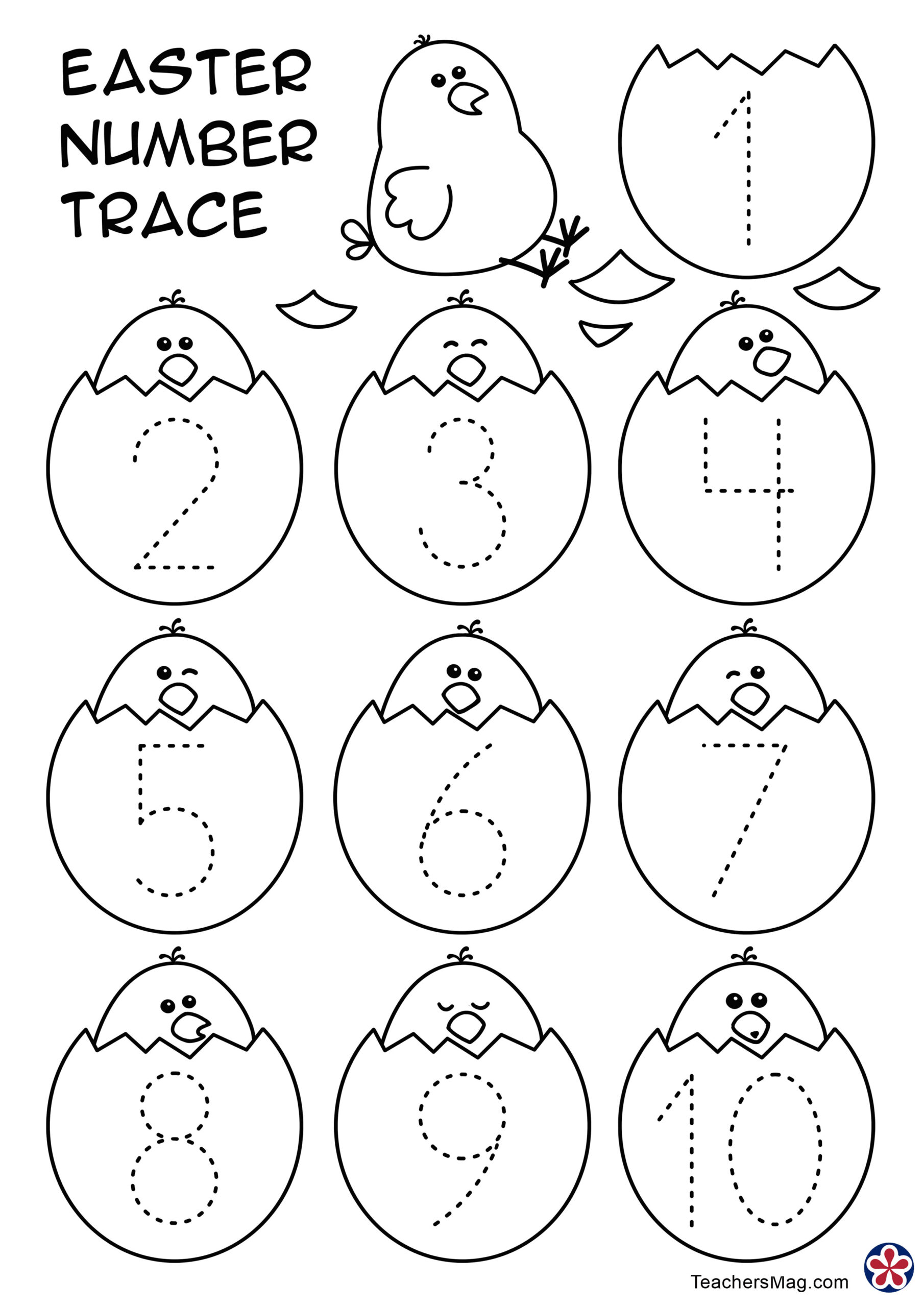
- Warm-Up Activity: Start the day with a quick alphabetical order exercise. Hand out worksheets for students to complete individually or in pairs. This can be a quick 10-15 minute task that gets them focused.
- Group Work: Divide the class into small groups and assign each group a worksheet. They can work together to discuss and complete the activities, fostering teamwork and communication.
- Assessment Tool: Use these worksheets as a formative assessment to gauge students’ understanding of alphabetical order. This can help you identify those who may need additional support.
At Home
- Homework Assignments: Send worksheets home as part of homework assignments. This allows parents to engage with their children’s learning and provides extra practice outside of school.
- Fun Learning Activities: Parents can use these worksheets during family study sessions. Make it a game by timing how quickly children can complete the worksheet or by rewarding them with small prizes for accuracy.
Tips for Effective Use
To get the most out of Alphabetical Order Third Grade Worksheets, consider these practical tips:
- Use Real-Life Examples: Incorporate real-life words that students are familiar with, such as names of classmates, places they visit, or favorite animals. This makes the activity more relatable and engaging.
- Encourage Discussion: After completing a worksheet, have students discuss their answers as a class. This reinforces learning and allows them to learn from each other.
- Differentiation: Some students may need more support than others. Tailor the worksheets by providing simpler versions for struggling learners or more challenging tasks for advanced students.