
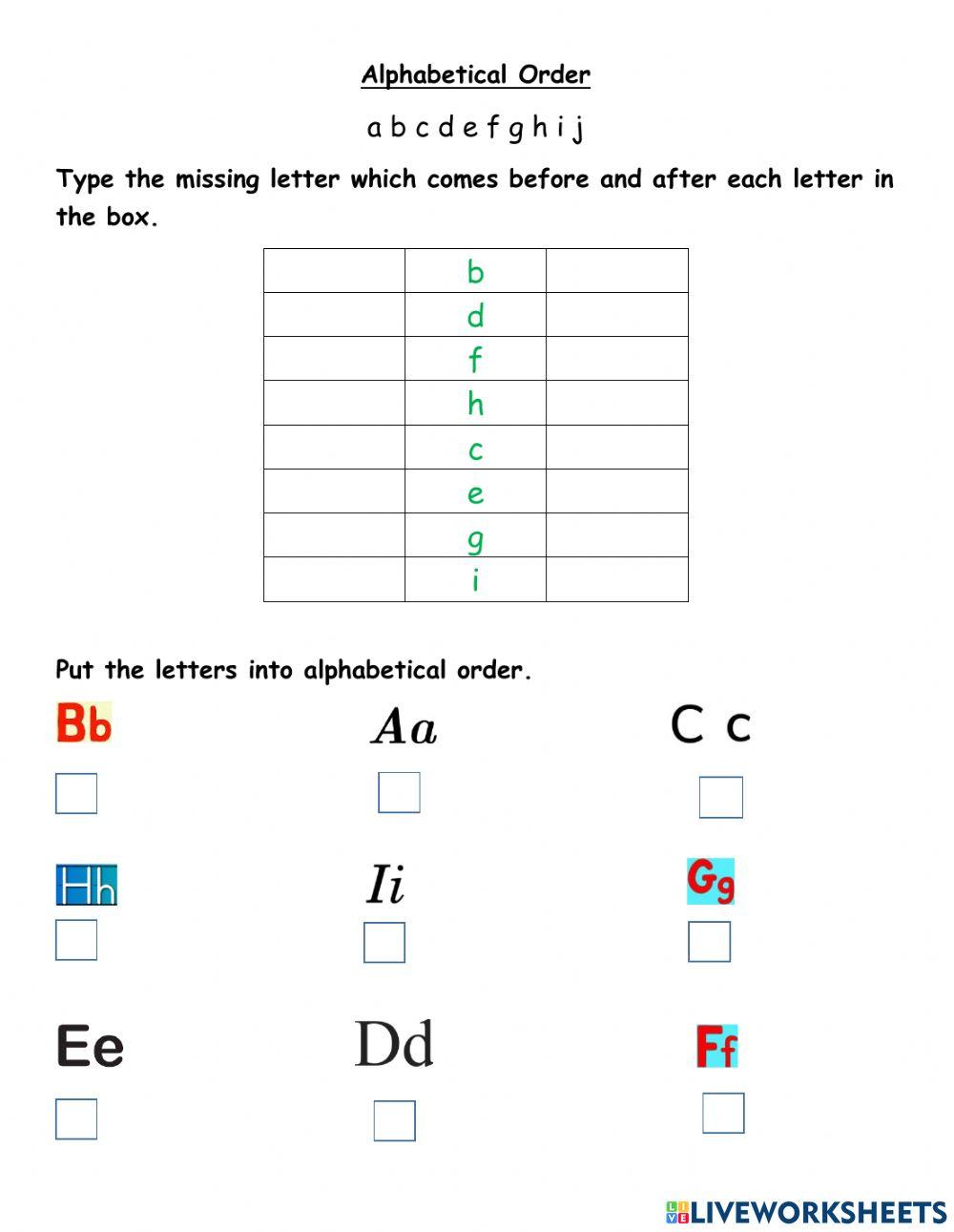
Understanding the concept of alphabetic order is essential for older students as it lays the foundation for effective reading and writing skills. Alphabetic Order Printable Worksheets For Older Students are valuable tools that can help learners master this skill in a structured and engaging way. These worksheets provide a practical way to reinforce the concept while accommodating the varying needs of students in a classroom or homeschool setting.
The Importance of Alphabetic Order in Education
Alphabetic order is not just a matter of organization; it’s a fundamental skill that supports literacy development. Older students, typically in grades 3-6, often encounter tasks that require them to sort information alphabetically, whether it’s for research projects, organizing notes, or using reference materials like dictionaries and encyclopedias. By practicing alphabetic order, students can improve their comprehension and retention, making it easier to find information quickly.
Classroom Integration
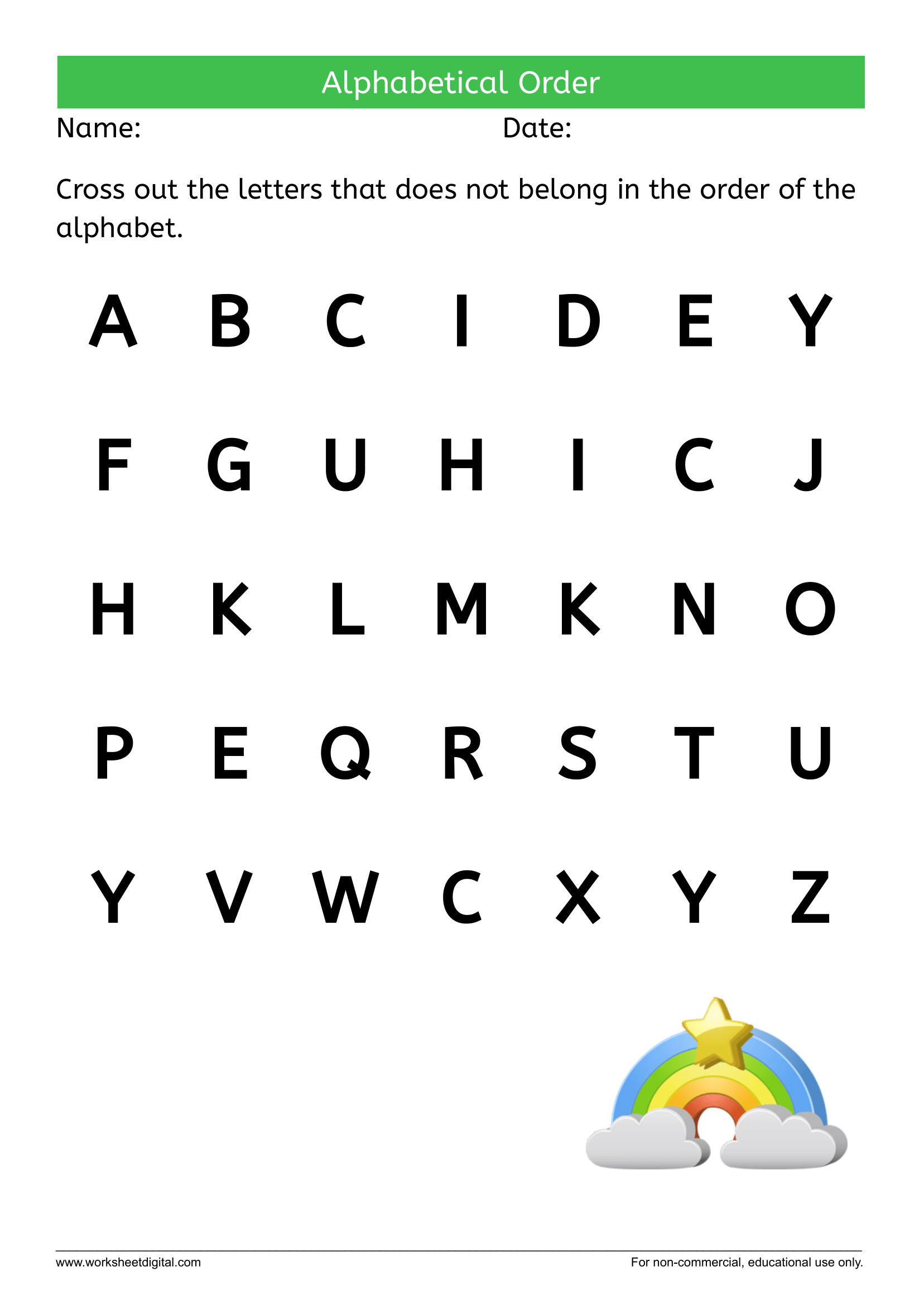
When using Alphabetic Order Printable Worksheets For Older Students in the classroom, consider incorporating them into your lesson plans in a way that engages students. For instance, after a lesson on the alphabet and its order, distribute the worksheets as a follow-up activity. This not only reinforces the lesson but also allows you to assess understanding in a practical context.
You might set up a small group activity where students work together to complete the worksheets. This collaboration encourages peer learning, allowing students to discuss their thought processes as they sort words or phrases. It also fosters a sense of community and teamwork in the classroom.
Types of Worksheets Available
There are various formats of Alphabetic Order Printable Worksheets For Older Students, each catering to different learning styles and needs. Here are a few common types you might consider:
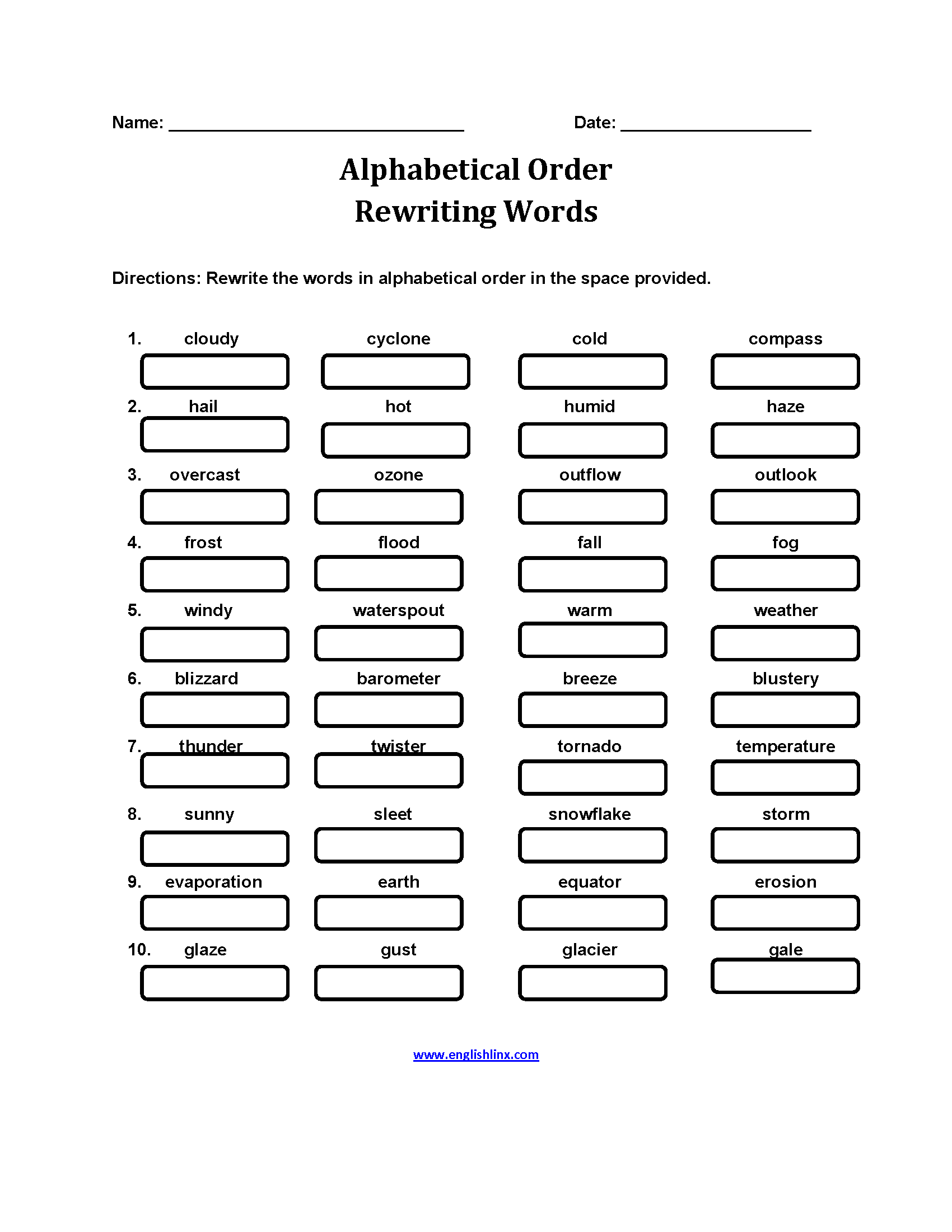
- Word Sorting Worksheets: These worksheets typically present a list of words that students must organize alphabetically. They can vary in difficulty, from simple words to more complex vocabulary appropriate for older learners.
- Sentences and Paragraphs: Some worksheets may challenge students to arrange entire sentences or paragraphs in alphabetical order. This approach helps them understand how alphabetization applies to larger text structures.
- Mixed Activities: These worksheets might combine different exercises, such as matching definitions to words and then sorting those words alphabetically. This keeps the activity dynamic and engaging.
Customization Options
One of the benefits of using printable worksheets is the ability to customize them for your students’ needs. If you have students at different skill levels, consider providing differentiated worksheets. For instance, you might offer simpler tasks for struggling learners and more complex challenges for advanced students. This ensures that every student can participate and benefit from the exercise.
Using Worksheets at Home
Alphabetic Order Printable Worksheets For Older Students can also be a great resource for homeschooling families or parents looking to support their child’s learning at home. Here are some practical ideas for incorporating these worksheets into your home education routine:
- Daily Practice: Set aside a specific time each week for alphabet practice. This can be a fun way to reinforce learning outside of the classroom setting. You can create a routine where students complete a worksheet and then discuss what they learned.
- Incorporate Technology: If your child enjoys using technology, consider scanning the worksheets and using them in a digital format. Many tablets and computers have apps that allow students to write directly on the screen. This can make the activity feel more interactive and modern.
- Fun Competitions: Turn worksheet completion into a friendly competition. Time your child as they complete a worksheet and encourage them to beat their previous time. This not only makes the activity more exciting but also encourages repeated practice.
Tracking Progress
To ensure that students are improving their skills, it’s essential to track their progress. After completing the worksheets, take the time to review their answers together. Discuss any mistakes and clarify misunderstandings. This reflection helps reinforce learning and allows you to tailor future lessons based on areas that need improvement.
You might also consider keeping a portfolio of completed worksheets. This allows both you and the student to visually track growth over time. Regularly revisiting earlier worksheets can help reinforce concepts and demonstrate progress.
Final Tip
When printing the worksheets, use high-quality paper to ensure durability, especially if your students will be using them multiple times. Cardstock is often a great choice, as it holds up well to repeated handling and can be laminated for long-term use. By providing students with sturdy worksheets, you create a resource they can rely on as they continue to practice and develop their alphabetic order skills.