
Using Alphabet Zaner-Bloser Style Worksheets is an excellent way to help children master the art of handwriting. These worksheets are specifically designed to assist students in learning the correct formation of letters in the Zaner-Bloser style, which emphasizes clear and consistent letter shapes. Unlike generic handwriting sheets, these resources provide detailed guidance that can make a significant difference in a child’s writing development.
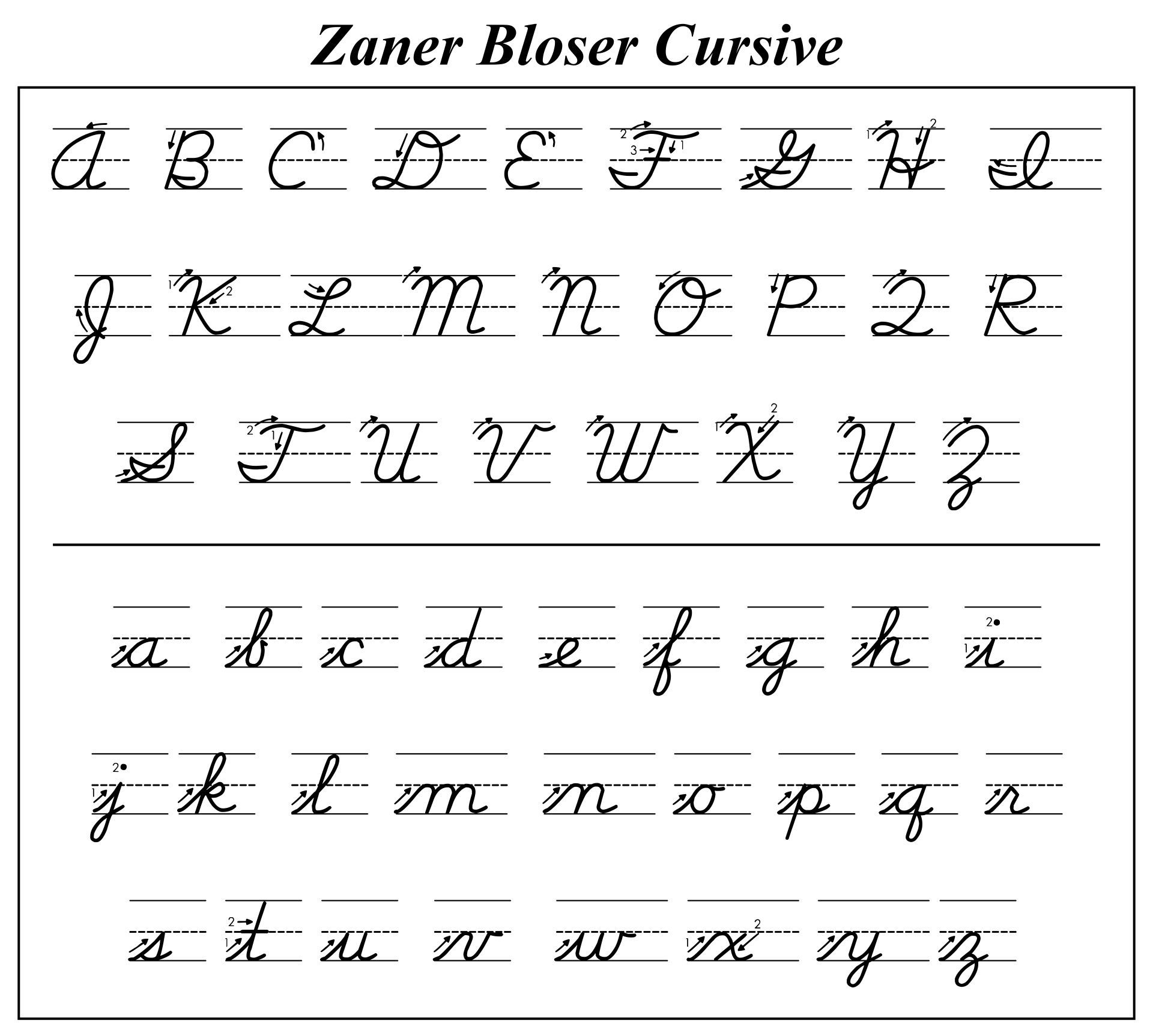
Understanding the Zaner-Bloser Style
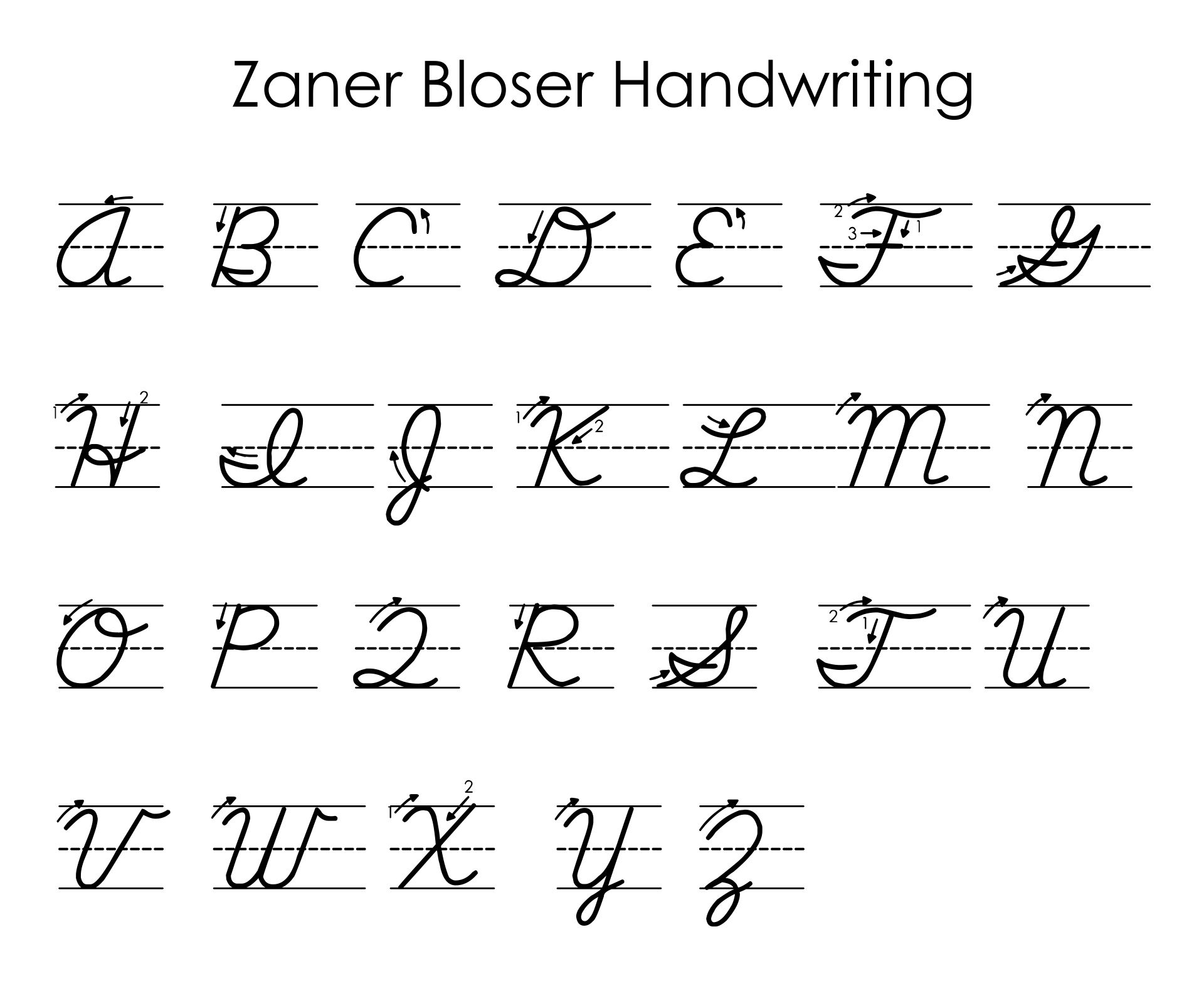
The Zaner-Bloser method emphasizes the importance of proper letter formation and spacing. This style is widely recognized in educational settings and is often used in elementary grades. Each letter is designed with specific strokes, making it easier for young learners to replicate the shapes accurately. You’ll find that these worksheets guide students through both uppercase and lowercase letters, encouraging consistent practice through repetition.
For teachers or parents, understanding the nuances of this handwriting style can help you effectively support your child’s learning. The Zaner-Bloser style promotes legibility and fluidity in writing, essential skills for developing good handwriting habits.
Features of Alphabet Zaner-Bloser Style Worksheets
When using Alphabet Zaner-Bloser Style Worksheets, you’ll notice several key features that enhance their effectiveness:
- Guided Lines: Each worksheet typically includes dashed lines that guide students in forming letters correctly. This helps them visualize the start and endpoint of each stroke.
- Letter Models: Most worksheets provide a clear example of each letter at the top of the page, showing the correct formation and direction of strokes.
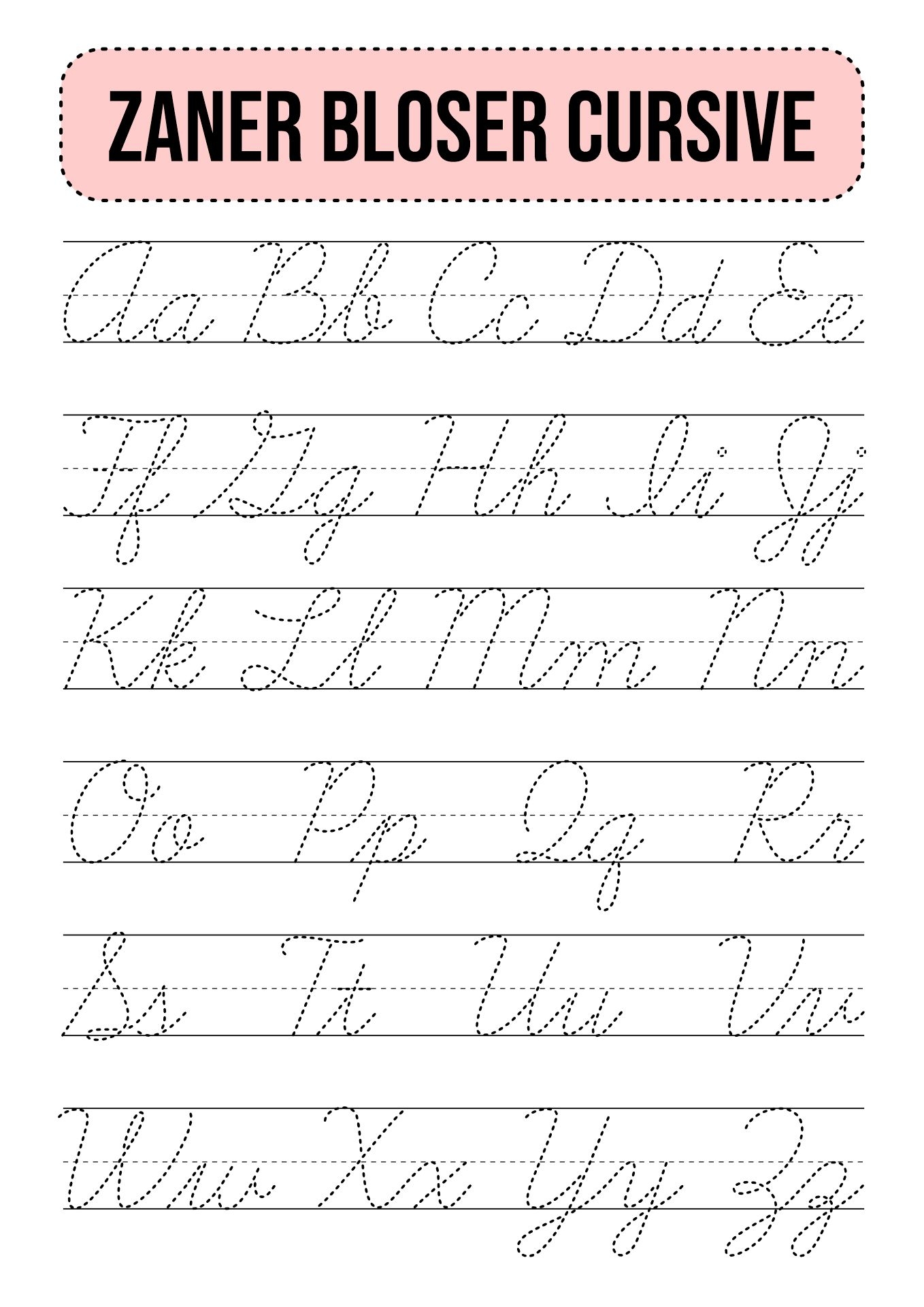
- Practice Areas: After observing the model, students have designated areas on the page to practice writing letters independently. This repetition reinforces their learning and builds muscle memory.
- Variety of Activities: Some worksheets may incorporate fun activities like tracing, matching letters to pictures, or even writing simple words. These engaging elements keep students interested while they learn.
These features work together to create a supportive environment for handwriting practice, making it easier for children to grasp the fundamentals of writing.
How to Use the Worksheets Effectively
To maximize the benefits of Alphabet Zaner-Bloser Style Worksheets, consider these practical tips:
- Start with Tracing: Begin by having students trace the letters. This helps them get a feel for the shapes and strokes without the pressure of writing freehand.
- Use Pencils or Dry Erase Markers: Using pencils allows for correction and encourages students to practice without fear of making mistakes. Alternatively, dry erase markers on laminated sheets can make practice reusable and fun.
- Incorporate Daily Practice: Set aside time each day for handwriting practice. Short, consistent sessions are more effective than longer, infrequent ones.
- Monitor Progress: Regularly review the worksheets to see how each student is progressing. Look for improvements in letter formation, spacing, and overall legibility. If you notice persistent issues, additional practice may be necessary.
- Offer Positive Reinforcement: Celebrate small successes. When students improve their handwriting, positive feedback can encourage them to keep practicing.
By integrating these approaches, you can help students become more confident in their handwriting skills.
Assessing Mastery of Handwriting Skills
It’s crucial to assess whether students have mastered the skills taught through the Alphabet Zaner-Bloser Style Worksheets. Here are some indicators of mastery:
- Consistent Letter Formation: Check if students can write letters without guidance and maintain proper shape and size.
- Spacing and Alignment: Look for correct spacing between letters and words. Proper alignment on the lines indicates good control over their writing.
- Fluency: As they progress, students should be able to write letters smoothly and quickly without hesitating or reverting to incorrect forms.
- Application in Context: Encourage students to use their handwriting skills in real-life situations, such as writing their names or simple sentences. This application helps solidify their learning.
If students struggle with these aspects, revisit specific worksheets or provide additional practice tailored to their needs.
Additional Resources and Variations
In addition to the standard Alphabet Zaner-Bloser Style Worksheets, you may want to explore other related resources to enhance your teaching toolkit:
- Coloring Pages: Integrate fun coloring activities that incorporate letters. This can help reinforce letter recognition while allowing for creativity.
- Flashcards: Use flashcards featuring Zaner-Bloser letters for quick recognition and recall exercises.
- Games: Develop simple games that involve letter formation, such as “letter scavenger hunts” or “letter bingo,” to make learning more engaging.
- Digital Versions: Some platforms may offer digital worksheets that can be filled out on devices. This can appeal to tech-savvy learners and provide an alternative practice method.
By diversifying the resources available, you can cater to different learning styles and keep students engaged.
The most useful detail to keep in mind is that using a variety of activities alongside the worksheets can significantly enhance a child’s engagement and understanding of handwriting. This approach not only makes learning more enjoyable but also supports the mastery of essential writing skills.