
When teaching preschoolers, one of the most critical skills to foster is writing. Children at this stage are eager to explore letters and words, but they often need guidance and structured practice. That’s where Alphabet Writing Worksheets For Preschoolers come into play. These worksheets are designed to help young learners develop their writing skills in a fun and engaging way.
Understanding the Importance of Writing Skills
Preschool is a crucial time for developing foundational writing skills. Children learn to recognize letters, understand their sounds, and start forming words. Writing is not just about putting pen to paper; it’s about expressing thoughts, improving fine motor skills, and building confidence.
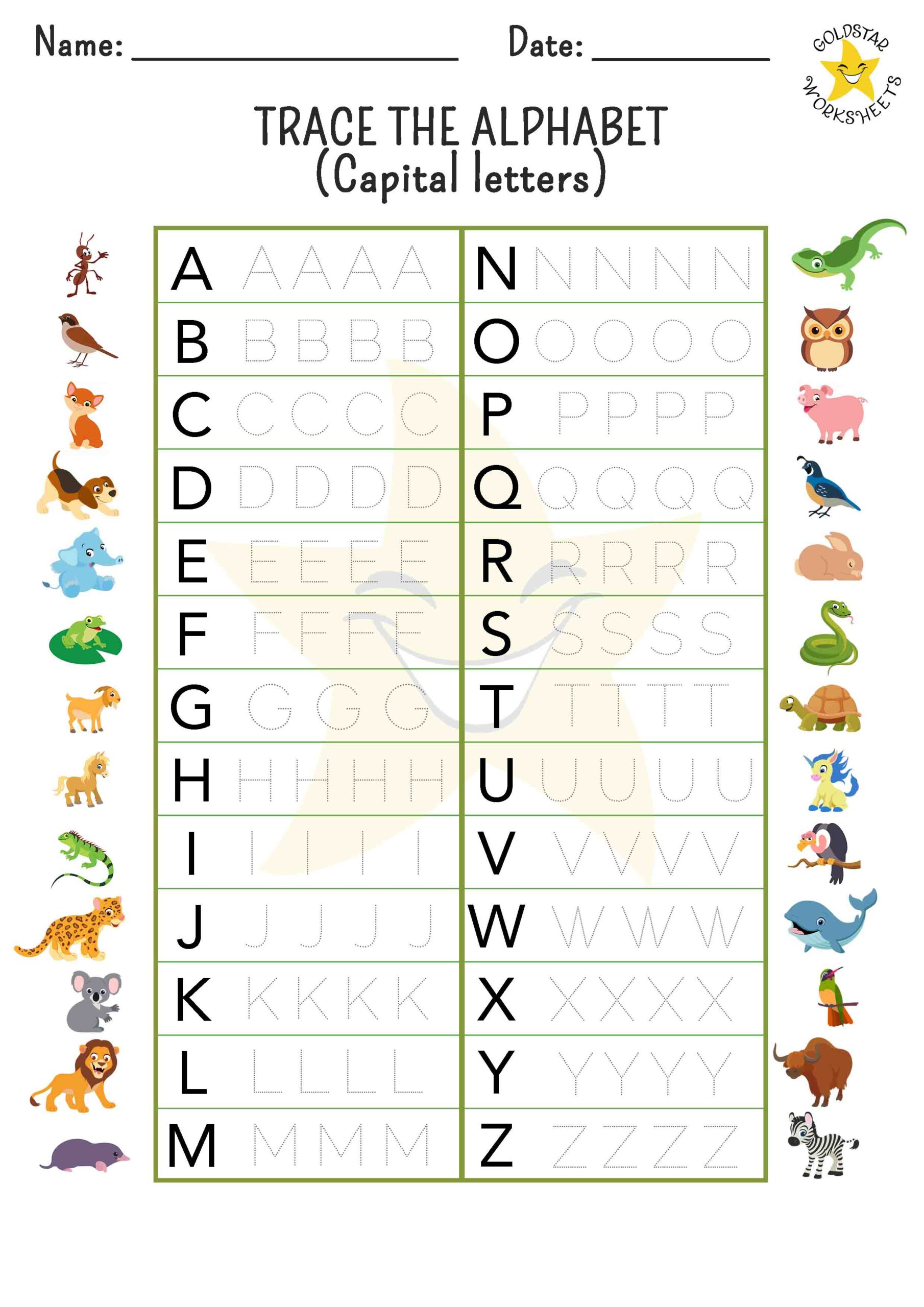
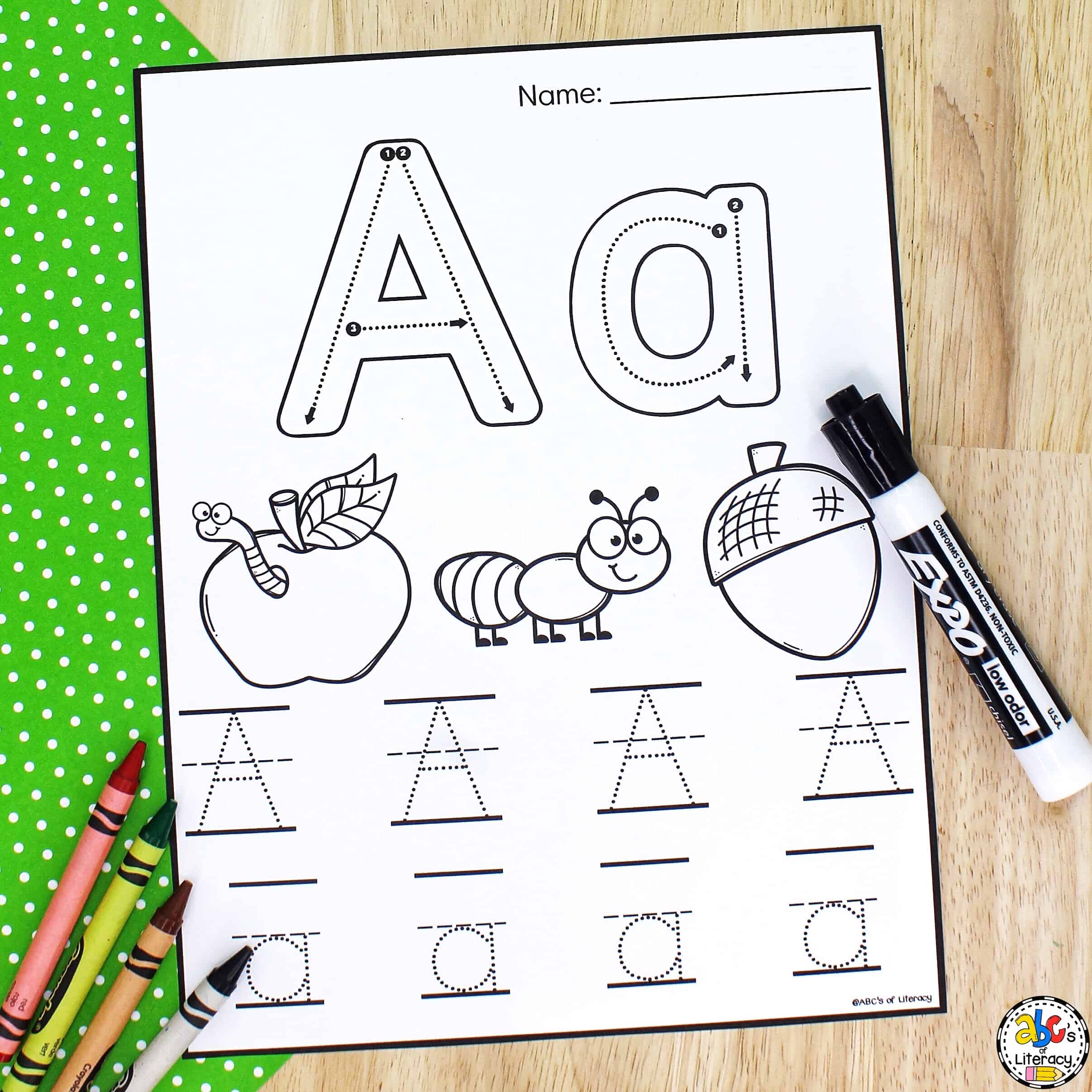
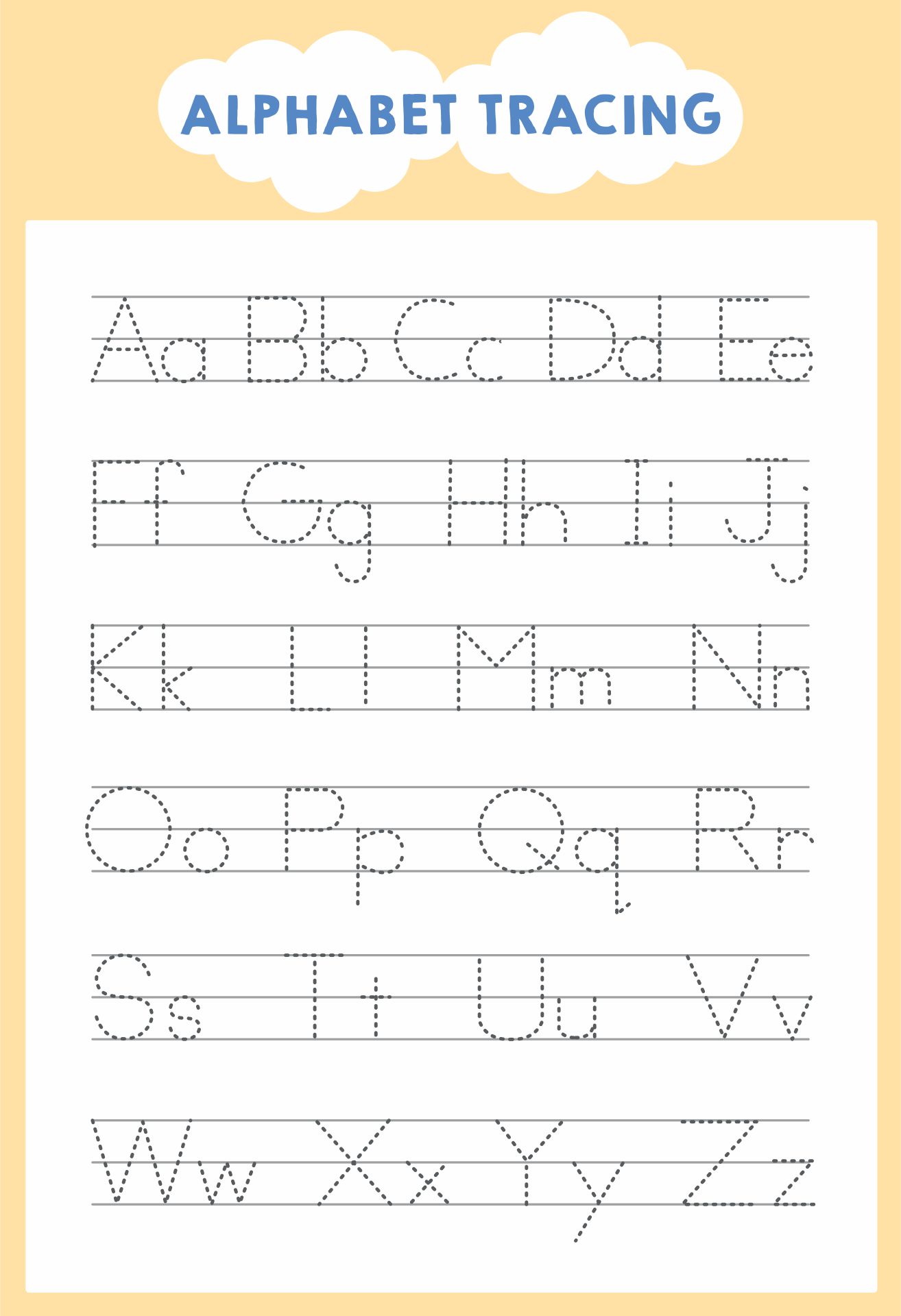
By using Alphabet Writing Worksheets, you provide a structured approach to learning. These worksheets typically include tracing letters, practicing letter formation, and sometimes even integrating simple words. This type of practice helps children reinforce their understanding of the alphabet while building muscle memory required for writing.
Choosing the Right Worksheets
Not all Alphabet Writing Worksheets are created equal. Here are some key factors to consider when selecting the best worksheets for your preschoolers:
- Age Appropriateness: Ensure the worksheets are designed for preschoolers. Look for those that feature larger letters and simpler designs, making it easier for little hands to trace.
- Variety of Activities: Choose worksheets that offer a mix of tracing, free writing, and identifying letters. This variety will keep children engaged and cater to different learning styles.
- Visual Appeal: Worksheets should be colorful and visually stimulating. Bright colors and fun illustrations can motivate children to practice more willingly.
- Downloadable Format: Look for worksheets that are easily downloadable and printable. PDF formats usually work best as they maintain the layout during printing.
Setting Up for Success
Once you’ve selected the right Alphabet Writing Worksheets For Preschoolers, the next step is to set up your learning environment. Here’s how to create an effective workspace:
- Print Quality: Use high-quality paper, preferably cardstock, to ensure durability. If you plan to use the worksheets multiple times, consider laminating them for repeated use with dry-erase markers.
- Writing Tools: Equip your children with proper writing tools. Crayons, colored pencils, and chunky markers can be easier for small hands to grip than standard pencils.
- Quiet Environment: Create a calm space for writing practice. Minimize distractions so children can focus on their tasks.
Implementing the Worksheets in Your Routine
To get the most out of Alphabet Writing Worksheets, incorporate them into your daily routine. Here are some practical tips for using these resources effectively:
- Daily Practice: Aim for short, daily writing sessions. Even 10-15 minutes can make a difference in building writing skills.
- Encouragement: Celebrate small achievements, like correctly tracing a letter or attempting to write their name. Positive reinforcement can build confidence.
- Integrate Play: Use games that involve letters and writing. For example, you could create a letter scavenger hunt or ask children to write letters in sand or with finger paint.
- Mix Worksheets with Other Activities: Incorporate storytelling or reading sessions where children can identify letters and words before or after their writing practice.
Tracking Progress
Tracking the progress of your preschoolers is vital to understand their development and areas needing improvement. Here’s how you can effectively monitor their writing skills:
- Create a Portfolio: Keep a collection of their completed worksheets. This will provide tangible evidence of their progress over time.
- Set Goals: Work with children to set achievable writing goals. For example, aim for them to write their name independently by the end of the month.
- Regular Assessment: Spend time observing how they handle the worksheets. Take notes on which letters they struggle with and which they master quickly.
- Feedback Sessions: Have regular feedback sessions where you go through their work together. This allows children to reflect on their progress and express any difficulties they’re facing.
By focusing on these elements, you can create a rich learning experience that supports preschoolers in their journey to master writing.
Additional Resources
If you’re looking for more engaging materials, consider supplementing your worksheets with other resources. Coloring pages featuring letters, fun alphabet songs, or interactive apps can enhance learning.
Incorporate these elements into your lesson plans to create a well-rounded educational experience. The key is to keep it fun and interactive, fostering a love for learning right from the start.
As a final tip, always remember to encourage creativity and self-expression. Children should feel that writing is not just a task, but a means to communicate their thoughts and ideas. This mindset will serve them well as they continue their educational journey.