
Teaching young children the alphabet can be both a rewarding and challenging experience. An effective tool for this purpose is the Alphabet Writing Worksheet For Preschool, designed specifically to help preschoolers develop their writing skills and letter recognition. By providing structured practice, these worksheets can greatly enhance a child’s ability to write letters clearly and confidently.
Understanding the Purpose of Alphabet Writing Worksheets
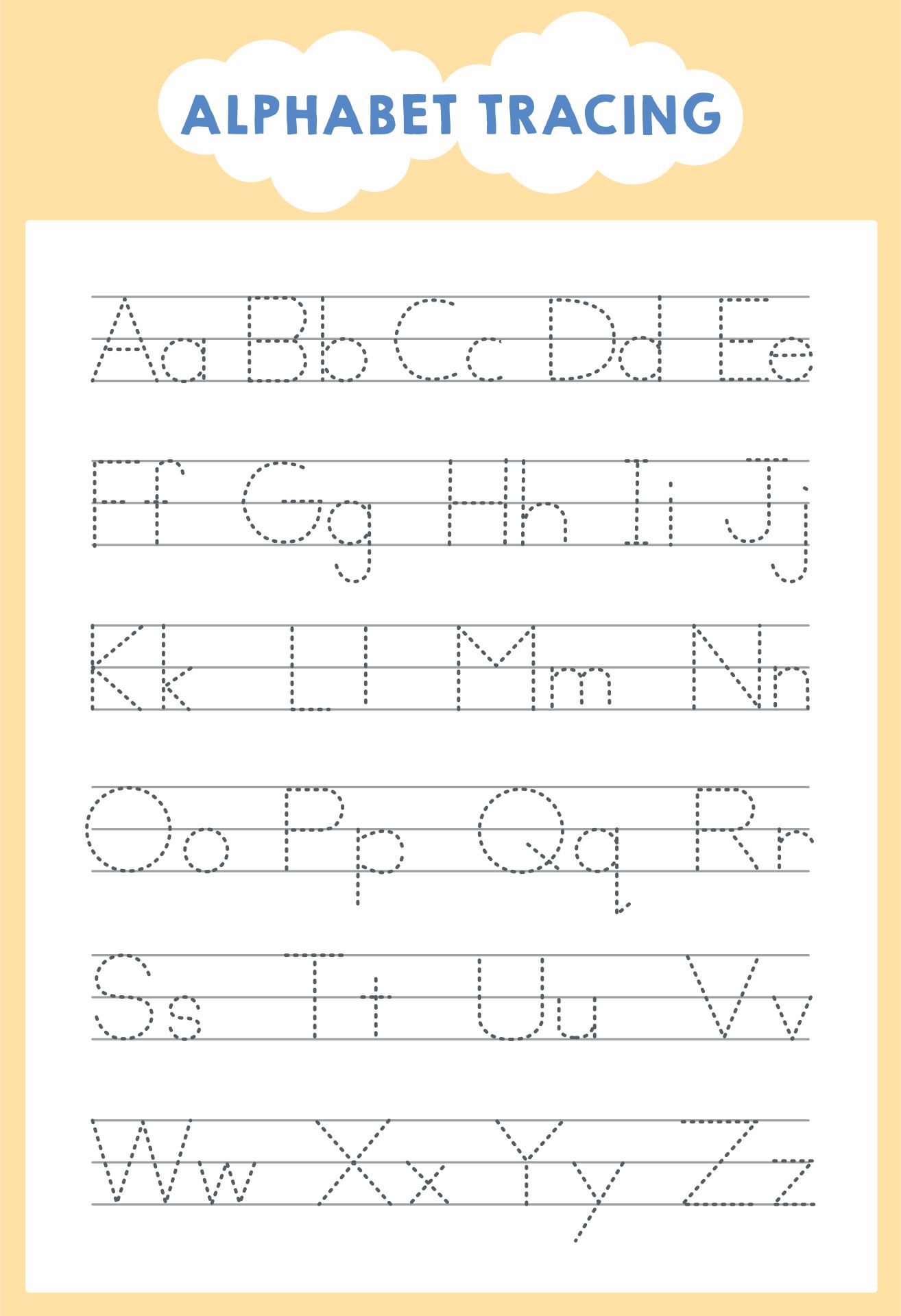
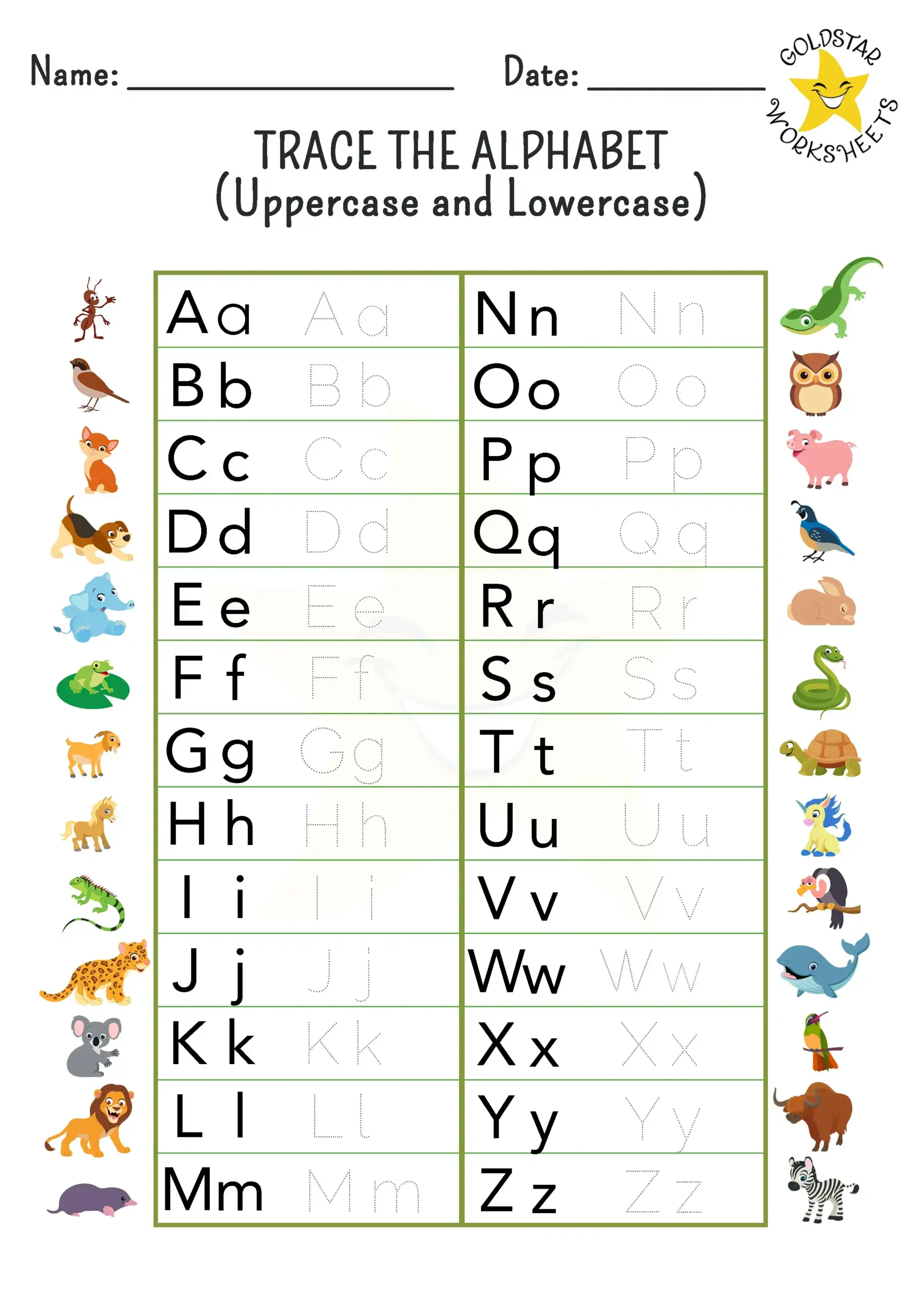
Alphabet writing worksheets serve as a foundational resource for preschool educators and parents. They are designed to help children learn to write each letter of the alphabet in both uppercase and lowercase forms. This practice not only supports handwriting development but also reinforces letter recognition, which is essential for early literacy.
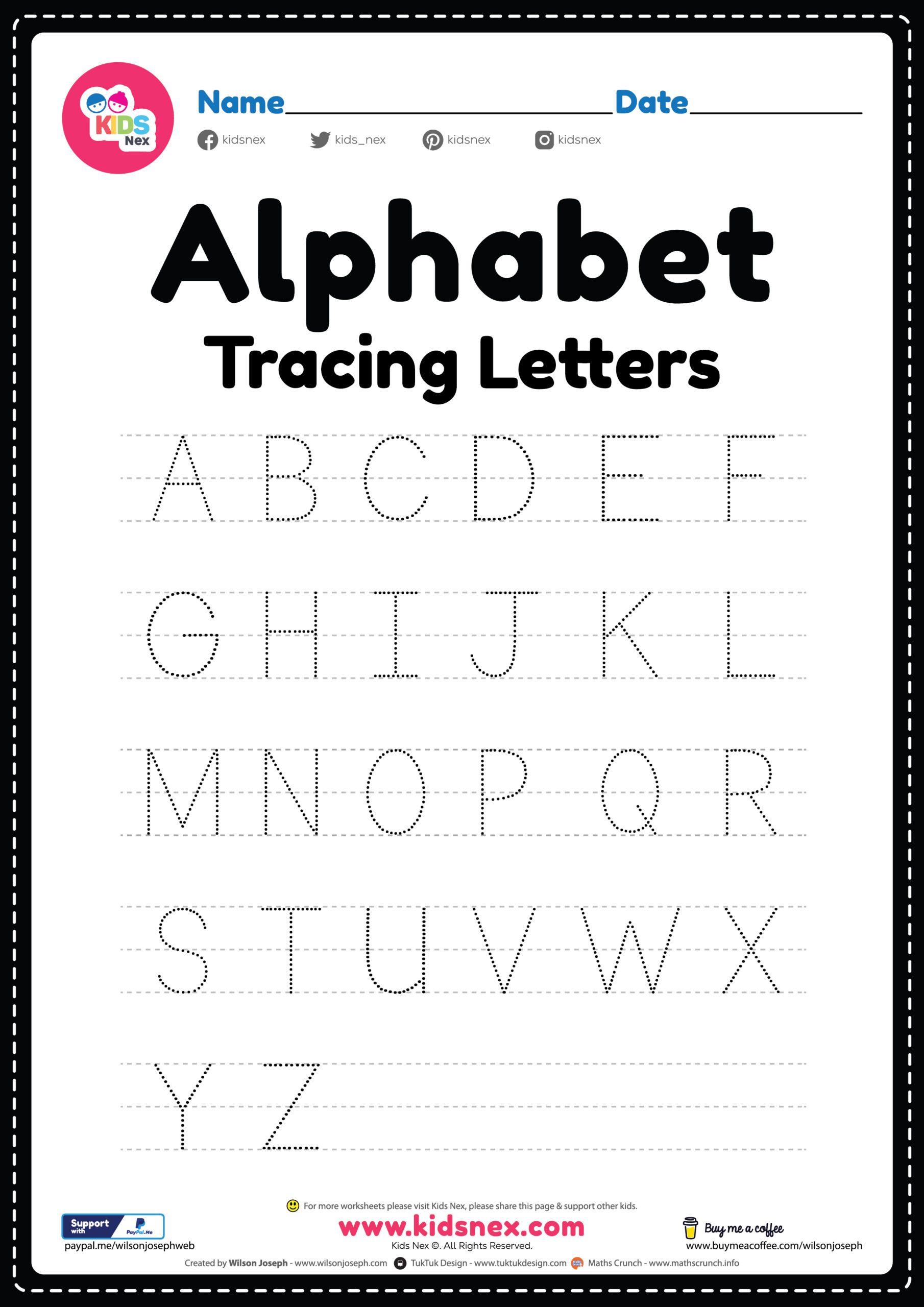
When using an Alphabet Writing Worksheet For Preschool, you’ll find that the worksheets typically feature dotted lines or guides to assist children in forming letters correctly. This structured approach allows children to trace letters before attempting to write them independently, ensuring they build confidence as they progress.
Choosing the Right Alphabet Writing Worksheet
When selecting an Alphabet Writing Worksheet For Preschool, consider the following factors:
- Age Appropriateness: Ensure the worksheets are suitable for preschool-aged children, usually around 3 to 5 years old. Look for designs that engage young learners with colorful visuals and friendly fonts.
- Format: Worksheets can come in various formats, including portrait or landscape orientation. Portrait layouts are often easier for small hands to manage, especially when writing.
- Content Variety: Opt for worksheets that include a mix of tracing, free writing, and activities that incorporate the letters into fun exercises, such as matching letters to images or filling in the blanks.
- Download and Print Options: A good resource will allow you to download and print the worksheets easily. Look for PDF formats to avoid any reformatting issues that might arise with other file types.
Setting Up for Success With Worksheets
Once you’ve chosen the right Alphabet Writing Worksheet For Preschool, it’s time to set up for effective use. Here’s how to prepare:
- Print on Quality Paper: Use standard letter-size paper (8.5″ x 11″) for easy handling. If possible, print on cardstock for durability, especially if you plan to reuse the worksheets or laminate them for long-term use.
- Provide the Right Writing Tools: Offer children a variety of writing tools—pencils, crayons, or markers—to see what they prefer. Pencils are great for practice, while crayons can make the activity more enjoyable.
- Create a Calm Environment: Set up a quiet, well-lit workspace free from distractions. Having a designated area for writing can help children focus and associate that space with learning.
Engaging Children During Practice
As children work through the Alphabet Writing Worksheet For Preschool, consider these strategies to keep them engaged:
- Incorporate Movement: Take breaks between writing sessions where children can move around, perhaps by singing the alphabet song or playing a letter recognition game. This active involvement reinforces learning.
- Use Positive Reinforcement: Celebrate progress, no matter how small. Praise their efforts and celebrate completed worksheets with stickers or a simple “great job!” to motivate them further.
- Connect Letters to Real Life: Help children make connections between the letters on the worksheet and their world. For example, when practicing the letter “B,” show them pictures of a ball or a banana and ask them to write the letter while saying its sound.
Monitoring Progress and Mastery
Tracking a child’s progress is essential to determine if they grasp the concepts. Here’s how to assess mastery effectively:
- Regular Review: Set aside time each week to review completed worksheets. Look for improvements in letter formation and consistency in writing.
- Observe Writing Habits: Watch how your child holds their writing instrument. Are they gripping it comfortably? Are they able to write without excessive pressure? These observations can provide insight into their comfort level and readiness for more complex tasks.
- Adjust Difficulty as Needed: If a child masters tracing letters quickly, introduce more challenging activities such as writing letters from memory or incorporating short words. This keeps them engaged and allows for continuous growth.
Additional Resources to Complement Worksheets
While the Alphabet Writing Worksheet For Preschool is a great starting point, consider complementing it with other resources:
- Storybooks that Emphasize Letters: Reading aloud to children can reinforce letter sounds and recognition. Choose books with repetitive text and strong visual elements.
- Interactive Apps: There are numerous educational apps available that focus on letter recognition and writing skills. These can add an interactive element to learning.
- Hands-on Activities: Incorporate tactile experiences by having children form letters with playdough or sand. This multisensory approach can enhance their understanding and retention.
Using an Alphabet Writing Worksheet For Preschool effectively sets the foundation for literacy skills. By choosing the right resources, creating an engaging environment, and monitoring progress, you can help young learners develop confidence in their writing abilities. Remember, the most crucial aspect is to make learning fun and interactive, fostering a love for letters that will carry them through their educational journey.