
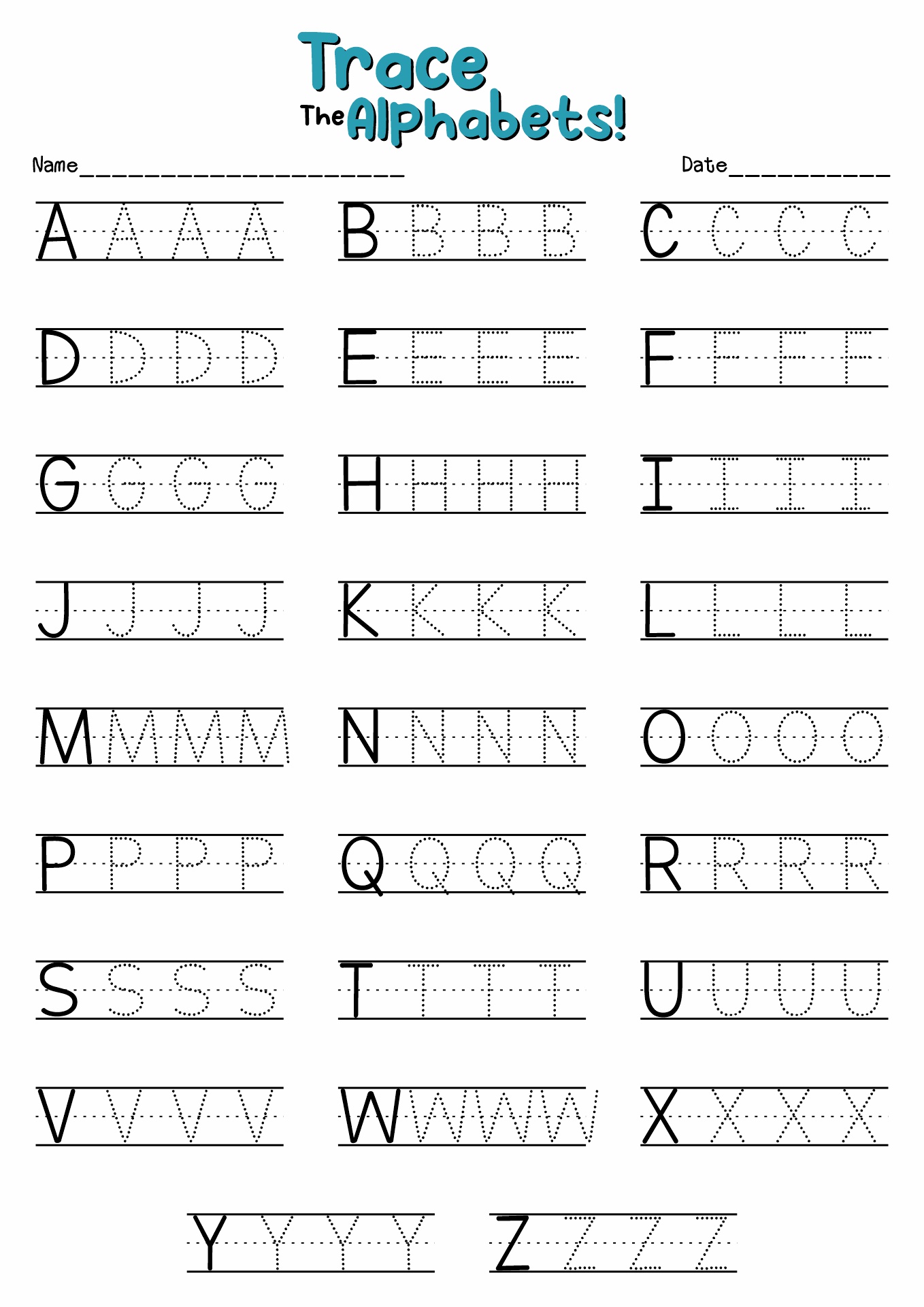
Teaching young children how to write the alphabet can be both challenging and rewarding. The Alphabet Writing Worksheet for Kids is an excellent resource for educators and parents looking to support early literacy development. These worksheets provide structured practice for children to learn and reinforce their letter formation skills, promoting both handwriting and fine motor skills.
Understanding the Importance of Alphabet Writing Worksheets
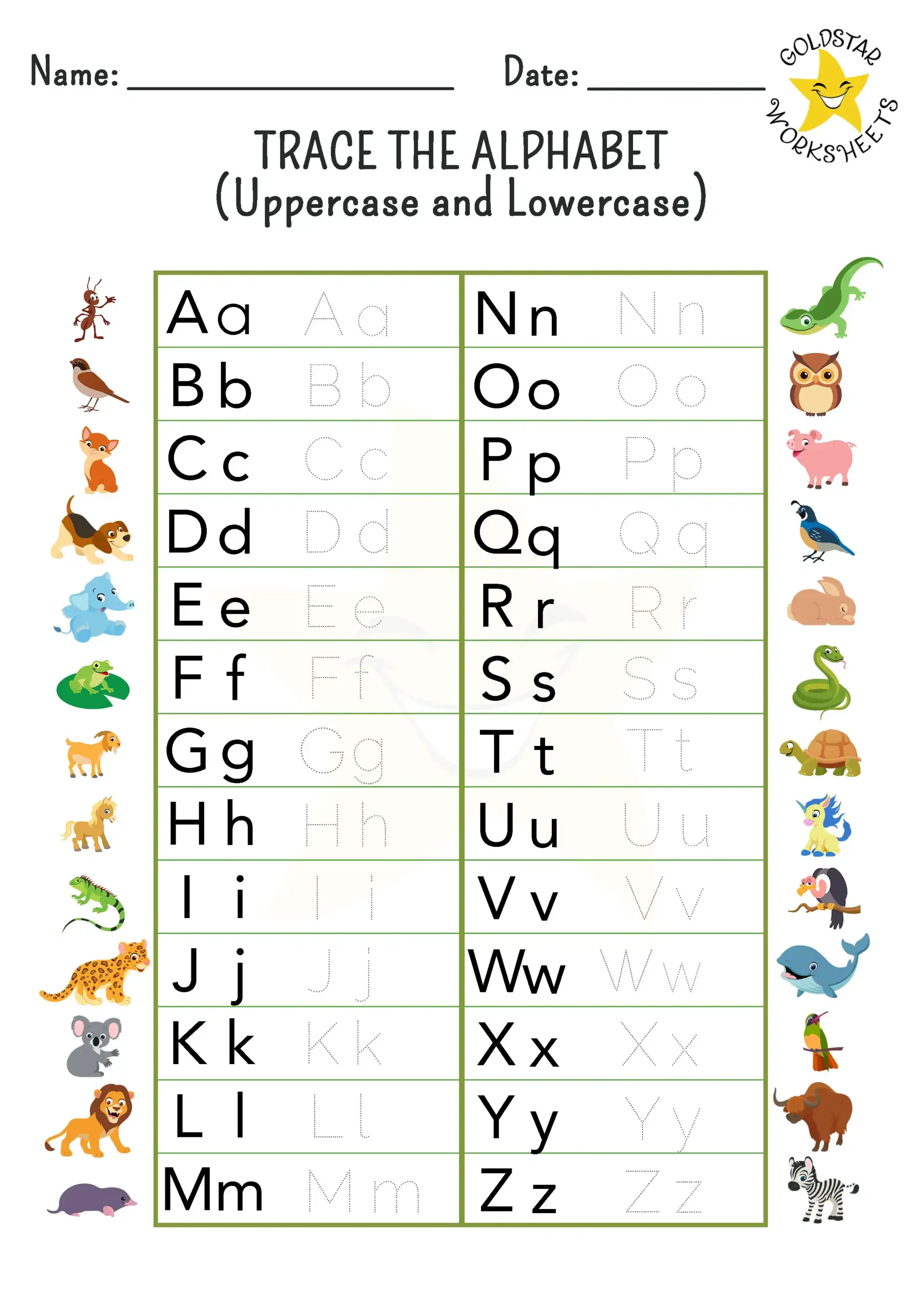
When it comes to teaching the alphabet, worksheets are a staple in many classrooms. They serve several purposes, from providing guided practice to allowing for assessment of a child’s progress. The Alphabet Writing Worksheet for Kids typically includes both upper and lower case letters, giving children the chance to practice each letter in various contexts.
These worksheets often incorporate fun graphics and appealing designs to keep young learners engaged. The visual elements can help children associate letters with words and images, making the learning process more enjoyable. Additionally, using worksheets can help establish a routine for writing practice, which is crucial for developing consistency in skill.
Practical Tips for Using Alphabet Writing Worksheets
When it comes to using the Alphabet Writing Worksheet for Kids, there are several practical considerations to keep in mind:
- Printing Options: Choose the right paper for printing. Standard printer paper works well, but using cardstock can provide a sturdier surface for repeated use. If you’re planning on laminating the worksheets for durability, cardstock is the best option.
- Layout Considerations: Consider the layout of the worksheet. Portrait orientation is often easier for young children to handle, especially if they are using it on a desk or table. Make sure to adjust your printer settings accordingly.
- Bulk Printing: If you’re teaching a larger class, printing multiple copies of the worksheets at once can save time. Be sure to check your printer’s capabilities to handle bulk printing without jamming.
- Setting Up a Writing Station: Create a designated writing area in your classroom or home. Equip it with pencils, erasers, and colored markers to make the writing experience more engaging. This can help children focus on their practice without distractions.
- Incorporating Feedback: After children complete their worksheets, provide constructive feedback. This could involve correcting letter formations or praising effort. Consider creating a simple checklist that highlights what to look for as they practice.
Activities to Enhance Learning With Worksheets
To make the most of the Alphabet Writing Worksheet for Kids, consider integrating additional activities that can reinforce letter recognition and writing skills:
- Tracing Letters: Use the worksheet for tracing practice. Children can first trace letters with a pencil and then attempt to write them independently. This gradual approach builds confidence.
- Letter Crafts: Pair worksheet activities with crafts that represent each letter. For example, for the letter “A,” students could create an apple collage. This hands-on approach can make learning more interactive.
- Games: Incorporate games that focus on letter recognition. For instance, playing bingo with letters can help solidify their understanding while having fun.
- Story Time: Read books that emphasize specific letters. After reading, have children practice writing those letters on their worksheets. This connection between reading and writing can deepen their understanding.
Assessing Progress and Adapting Worksheets
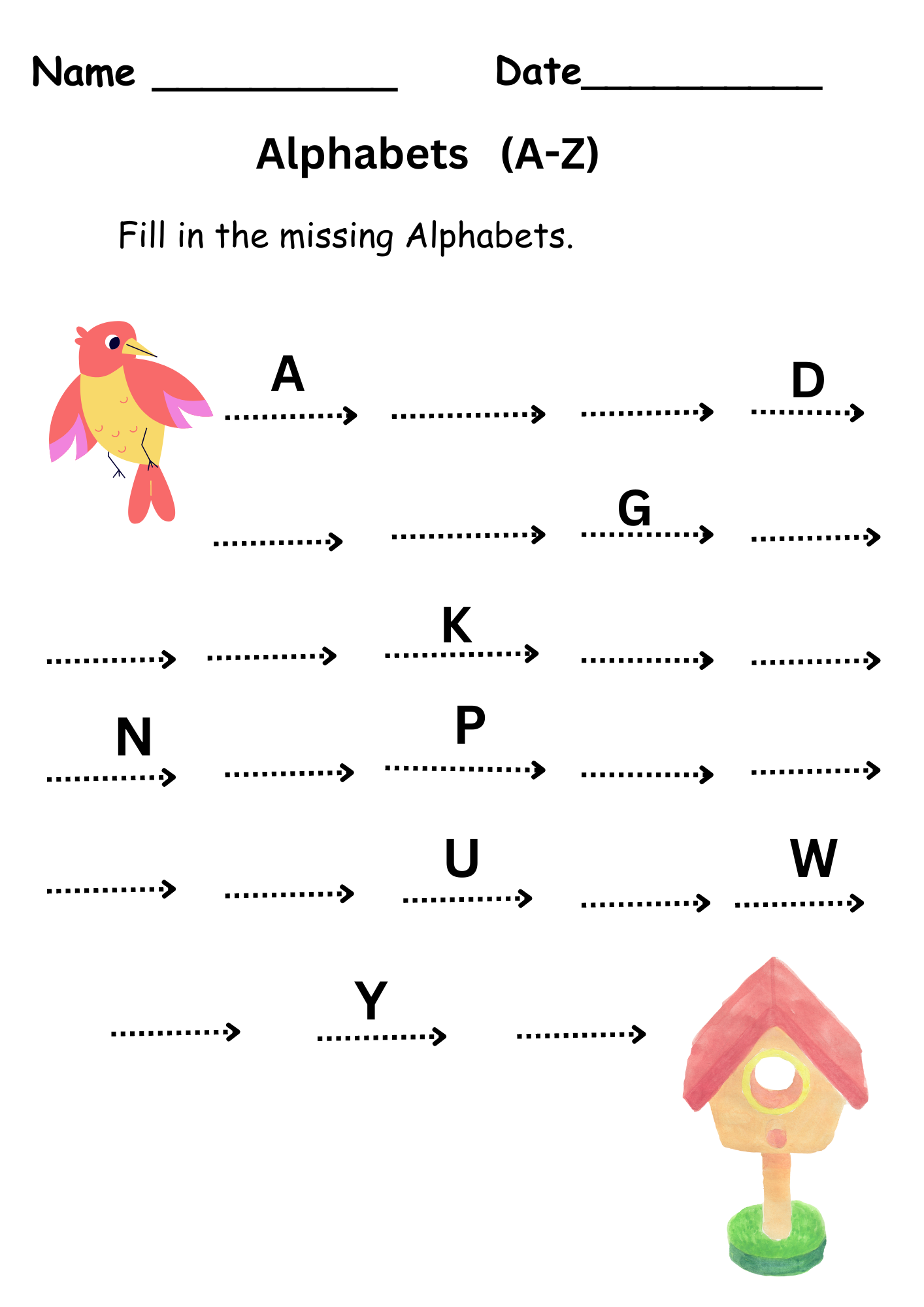
As children use the Alphabet Writing Worksheet for Kids, it’s important to regularly assess their progress. Pay attention to:
- Letter Formation: Are the letters formed correctly? If not, you may need to provide additional practice or modify your teaching approach.
- Speed and Fluency: How quickly can they write the letters? If a child is struggling, consider extending their practice time or providing more frequent breaks.
- Engagement Levels: Are children interested in the worksheets? If you notice a lack of enthusiasm, it may help to rotate worksheets or introduce new themes to keep things fresh.
You can also adapt worksheets to meet diverse learning needs. For instance, some children may benefit from larger letters for tracing, while others might thrive with smaller, more challenging writing spaces.